


You just saw those two pink lines on the pregnancy test. Between the happy tears and the frantic calls to family, a quieter thought creeps in: "Wait -- is my skincare safe?" You glance at the bathroom counter and see retinol serums, acne treatments, and a bottle of chemical sunscreen. Suddenly, every product feels like a question mark.
You are not alone in that moment of panic. Building a pregnancy safe skincare routine is one of the first things expecting mothers research -- and for good reason. Certain skincare ingredients to avoid during pregnancy, like retinoids and high-dose salicylic acid, can cross the placental barrier and affect fetal development. Meanwhile, up to 50-75% of pregnant women experience melasma, and the majority develop stretch marks, making a thoughtful skincare approach more important than ever.
Here is the reassuring news: safe skincare during pregnancy does not mean stripping your routine down to soap and water. You have a long list of dermatologist-approved ingredients that are effective, research-backed, and completely safe for you and your baby. This guide from PatPat delivers exactly what you need -- a definitive list of what to avoid, every safe alternative worth knowing, and a trimester-by-trimester routine that adapts as your skin changes. Whether you are newly pregnant, trying to conceive, or already in your third trimester, this is the only pregnancy safe skin care products reference you will need.
Medical Disclaimer: This article is for informational purposes only and does not constitute medical advice. Always consult your OB-GYN, midwife, or board-certified dermatologist before making changes to your skincare routine during pregnancy. Individual health histories, skin conditions, and pregnancy complications may affect which ingredients are appropriate for you.
Why Your Skincare Routine Matters More During Pregnancy
Before diving into specific ingredient lists, it helps to understand the science behind why what skincare to avoid when pregnant even matters. The short answer: your skin is not an impenetrable wall. Some of what you apply topically can enter your bloodstream -- and during pregnancy, that bloodstream connects directly to your developing baby.
How Topical Skincare Products Affect Fetal Development
Transdermal absorption is the process by which ingredients applied to your skin pass through the epidermis and enter your bloodstream. Not every ingredient absorbs at harmful levels, but certain compounds have well-documented teratogenic effects -- meaning they can cause birth defects or developmental harm.
Retinoids are the most prominent example. Oral isotretinoin is documented to cause severe birth defects affecting the brain, heart, and face. While topical retinol carries significantly lower risk than oral forms, the FDA classifies all retinoids as Category X for pregnancy -- the highest risk rating -- and both ACOG and the AAD recommend avoiding them entirely.
Hormonal fluctuations during pregnancy also change how your skin absorbs and reacts to products. Rising levels of estrogen, progesterone, and androgens can make previously tolerated ingredients suddenly irritating. And here is a common misconception worth addressing early: "natural" does not automatically mean "safe." Some essential oils are uterine stimulants that should be avoided during pregnancy.
Common Skin Changes You Can Expect During Pregnancy
Understanding what is happening to your skin helps you choose the right products. Here are the most common pregnancy skin changes:
- Pregnancy acne: Androgen surges in the first trimester increase oil production, triggering breakouts even in women who have never had acne before.
- Melasma (the "pregnancy mask"): Dark patches on the cheeks, forehead, and upper lip caused by melanocyte-stimulating hormone. Melasma affects 15-50% of pregnant women, with prevalence varying by skin type and sun exposure.
- Stretch marks: Between 50% and 90% of pregnant women develop stretch marks, most commonly in the third trimester as skin stretches rapidly.
- Increased sensitivity: Immune system shifts can make your skin react to products that previously caused no issues.
- Dry, itchy skin: Hormonal changes and stretching skin can cause persistent dryness, and in some cases a condition called PUPPP.
- The "pregnancy glow": Increased blood volume and oil production -- the one skin change you might actually welcome.
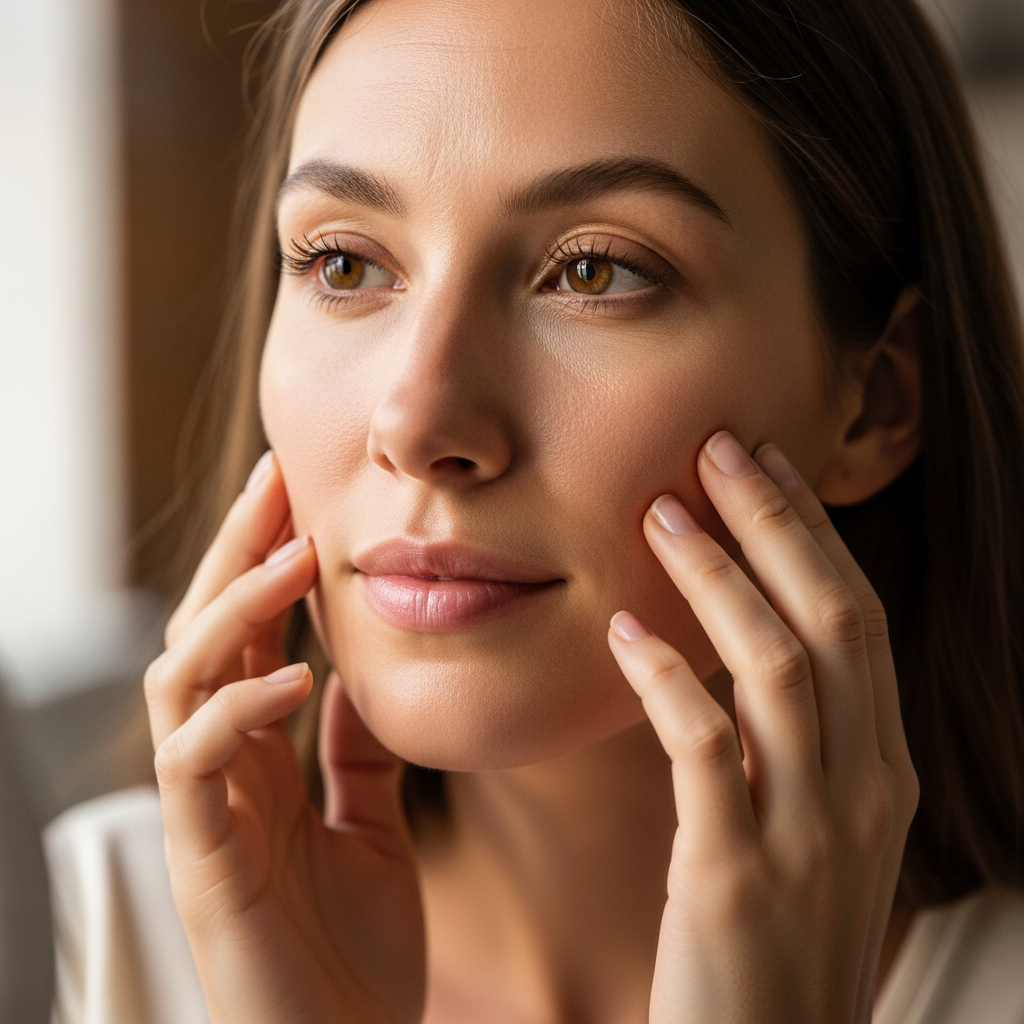
Skincare Ingredients to Avoid During Pregnancy
The skincare ingredients to avoid during pregnancy fall into a few major categories: retinoids, high-dose salicylic acid, hydroquinone, certain chemical sunscreen filters, endocrine-disrupting preservatives (parabens and phthalates), and select essential oils. Below is a breakdown of each group, why it is flagged, and what the current medical consensus says.
Retinoids -- Why Retinol, Tretinoin, and Isotretinoin Are Dangerous
Is retinol safe during pregnancy? No. Retinoids are vitamin A derivatives, and excess retinoid exposure during pregnancy can cause malformations affecting the skull, face, heart, and central nervous system. Oral isotretinoin (Accutane) is the most dangerous form, which is why it requires enrollment in the iPLEDGE program. But all retinoids to avoid during pregnancy include:
- Retinol
- Retinaldehyde
- Retinyl palmitate
- Tretinoin (Retin-A)
- Adapalene (Differin)
- Tazarotene
The American College of Obstetricians and Gynecologists (ACOG) recommends discontinuing all forms of retinoids during pregnancy. If you were using retinol before your positive test, stop now -- but do not panic. We address that anxiety in detail later in this article.
Salicylic Acid and BHA -- What Concentration Is Considered Safe
This is where things get nuanced. Can I use salicylic acid while pregnant? The answer depends on the concentration. BHA (beta hydroxy acid) is salicylic acid -- same ingredient, different name.
- Generally considered safe: Low-concentration salicylic acid (under 2%) in rinse-off products like face washes, with brief skin contact.
- Avoid: High-dose salicylic acid treatments, chemical peels at 20-30% concentration, and oral aspirin at medicinal doses.
The AAD notes that limited topical salicylic acid use at low concentrations is unlikely to be harmful. However, if you prefer to err on the side of caution, azelaic acid and glycolic acid are excellent exfoliation alternatives with stronger safety profiles during pregnancy.
Hydroquinone, Chemical Sunscreens, and Endocrine Disruptors
Hydroquinone: This popular skin-lightening agent is best avoided during pregnancy. About 35-45% of topical hydroquinone is absorbed systemically -- a substantially higher absorption rate than most skincare ingredients. Switch to vitamin C or azelaic acid for pigmentation concerns.
Chemical sunscreen ingredients: Oxybenzone is the most concerning. Research shows oxybenzone behaves like a hormone disruptor and can be absorbed through the skin at levels exceeding FDA safety thresholds. Also avoid avobenzone, octinoxate, and homosalate. Switch to mineral sunscreen with zinc oxide or titanium dioxide.
Parabens and phthalates: These endocrine disruptors mimic estrogen and are commonly hidden under "fragrance" on ingredient labels. Choose paraben-free, phthalate-free, and fragrance-free formulations whenever possible. Formaldehyde-releasing preservatives (DMDM hydantoin, quaternium-15) should also be avoided.
Essential Oils and Natural Ingredients That Require Caution
"Natural" does not equal "pregnancy safe" -- and this is one of the biggest misconceptions in prenatal skincare. Essential oils to avoid during pregnancy skincare include:
- Rosemary (uterine stimulant)
- Clary sage
- Juniper
- Pennyroyal
- Cinnamon bark
Lavender and chamomile are generally considered safe in diluted topical amounts, but the safest approach is to choose fragrance-free products entirely. When in doubt, skip the essential oils and opt for non-toxic skincare formulated specifically for sensitive skin.
A note on benzoyl peroxide: Benzoyl peroxide is generally considered low-risk during pregnancy in topical form (under 5%), though some dermatologists recommend azelaic acid as a preferred alternative. Discuss with your provider.
Dermatologist-Recommended Safe Skincare Ingredients for Pregnancy
A pregnancy-safe routine does not mean an ineffective one. Many powerhouse actives are perfectly safe during pregnancy, and some -- like azelaic acid -- are specifically recommended by dermatologists for pregnancy-related skin concerns. Here are the ingredients you can feel confident using.
Vitamin C Serum and Niacinamide -- Brightening Without Risk
Vitamin C (L-ascorbic acid): This antioxidant is your pregnancy skincare best friend. It is pregnancy safe at all concentrations, brightens hyperpigmentation, boosts collagen production, and provides photoprotection when layered under sunscreen. For melasma management during pregnancy, a vitamin C serum applied every morning is one of the most effective safe options available.
Niacinamide (vitamin B3): Is niacinamide pregnancy safe? Absolutely. This anti-inflammatory, pore-minimizing ingredient strengthens the skin barrier and helps fade hyperpigmentation. It is particularly useful for managing pregnancy acne and melasma without any risk to your baby. Look for concentrations between 2-10%. Niacinamide and vitamin C work synergistically, so you can use them together in the same routine.
Bakuchiol -- The Plant-Based Retinol Alternative That Is Pregnancy Safe
If giving up retinol feels like losing your most effective anti-aging tool, bakuchiol is the pregnancy safe retinol alternative you need to know about. Derived from the Psoralea corylifolia plant, bakuchiol stimulates collagen production and improves skin texture without any teratogenic risk.
Clinical reviews show bakuchiol demonstrates significant similarity to retinol in efficacy with superior tolerability. Unlike retinoids, bakuchiol does not activate the retinoic acid receptors involved in fetal development, which is why it carries no pregnancy risk. This trending ingredient in the clean beauty space is ideal for pregnant women over 35 who want anti-aging benefits without compromise.
Azelaic Acid, Glycolic Acid, and Hyaluronic Acid -- Safe Actives for Every Concern
Azelaic acid (15-20%): The AAD considers azelaic acid a safe prescription-level treatment for acne and hyperpigmentation during pregnancy. It is antibacterial, anti-inflammatory, and regulates pigmentation -- making it a triple threat against pregnancy acne and melasma. Azelaic acid pregnancy safety is well-established, with the ingredient carrying a Category B classification.
Glycolic acid (AHA): Safe in low concentrations (under 10%) for gentle exfoliation. This is a pregnancy safe exfoliator that helps with dull skin and uneven texture. Avoid professional-strength peels during pregnancy.
Hyaluronic acid: Despite the word "acid," hyaluronic acid is not an exfoliant at all. It is a humectant that holds up to 1,000 times its weight in water, making it the ultimate hydration booster. Completely safe during pregnancy, it addresses the dryness many expecting mothers experience. If you are dealing with dry skin during pregnancy, this should be a staple.
Ceramides and peptides: Both are safe during pregnancy. Ceramides rebuild the skin barrier while peptides support collagen production. Together with hyaluronic acid, they form the foundation of a pregnancy safe moisturizer.
Mineral Sunscreen -- Zinc Oxide and Titanium Dioxide for Daily Protection
Mineral (physical) sunscreens sit on top of your skin and reflect UV rays rather than absorbing them into the bloodstream. Zinc oxide and titanium dioxide are the two pregnancy-safe sunscreen actives recommended by dermatologists.
Sun protection is non-negotiable during pregnancy because UV exposure triggers and worsens melasma. Use SPF 30+ broad spectrum mineral sunscreen daily -- even on cloudy days. If you have been avoiding mineral sunscreen because of the white cast, modern formulations have improved dramatically. Tinted mineral sunscreens offer cast-free protection and can even help camouflage melasma patches.
Pregnancy Skincare Ingredient Swap Guide
| If You Use This | Switch to This | Why It Works |
|---|---|---|
| Retinol / Tretinoin | Bakuchiol | Comparable anti-aging results, no teratogenic risk |
| Hydroquinone | Vitamin C + Azelaic Acid | Brightens and fades pigmentation safely |
| Chemical Sunscreen | Zinc Oxide Mineral SPF | Sits on skin surface, no systemic absorption |
| High-Dose BHA Peel | Low-Dose Glycolic Acid (under 10%) | Gentle exfoliation without absorption risk |
| Fragranced Products | Fragrance-Free Formulations | Avoids hidden phthalates and sensitivity triggers |

Bookmark this swap chart for your next drugstore trip or screenshot it to keep on your phone.
Your Complete Pregnancy Skincare Routine by Trimester
Your skin changes throughout pregnancy, and your routine should adapt with it. This pregnancy skincare by trimester guide provides a dermatologist recommended pregnancy skincare routine framework using only safe ingredients, with adjustments for each stage.
First Trimester Skincare -- Simplify, Swap, and Soothe Sensitivity
The first trimester is your critical audit period. Go through every product and remove retinoids, high-dose BHA, hydroquinone, and chemical sunscreens. This is when skincare routine changes first trimester searches spike -- and for good reason.
Morning sickness may make heavily fragranced products unbearable, so switch to fragrance-free options. Androgen surges often trigger first trimester acne -- introduce azelaic acid or low-concentration glycolic acid to manage breakouts safely.
First Trimester Morning Routine:
- Gentle, pregnancy-safe face wash (fragrance-free, sulfate-free)
- Vitamin C serum (antioxidant protection + brightening)
- Lightweight moisturizer with ceramides or peptides
- Mineral sunscreen SPF 30+ (zinc oxide or titanium dioxide)
First Trimester Evening Routine:
- Oil-based cleanser or micellar water (first cleanse)
- Gentle water-based cleanser (second cleanse)
- Azelaic acid or niacinamide treatment (for acne or pigmentation)
- Rich moisturizer or squalane facial oil
This minimalist pregnancy skincare routine covers every essential step without overwhelming sensitive first trimester skin.
Second Trimester Skincare -- Managing Melasma and Hyperpigmentation
Melasma typically appears or worsens during the second trimester as melanocyte-stimulating hormone peaks. This is when second trimester pregnancy skincare melasma concerns become urgent.
Your action plan:
- Double down on sun protection: Reapply mineral SPF every 2 hours during sun exposure. Wear a wide-brimmed hat outdoors.
- Increase vitamin C concentration: Bump up to a 15-20% L-ascorbic acid serum for stronger brightening.
- Add niacinamide: This ingredient fades hyperpigmentation and strengthens your skin barrier against further damage.
- Stay hydrated: Blood volume increases significantly, and skin can feel tighter. Layer hyaluronic acid under your moisturizer.
The linea nigra (dark line appearing on the abdomen) is a normal hormonal change that fades postpartum -- no treatment is needed or recommended.
Third Trimester Skincare -- Stretch Mark Prevention and Body Care
In the third trimester, expand your routine to include body care alongside your facial regimen. While no product can guarantee stretch mark prevention (genetics play a major role), keeping skin well-hydrated and supple may reduce their severity.
Pregnancy safe body ingredients for stretch mark care include:
- Shea butter and cocoa butter
- Centella asiatica (cica) -- known for wound healing and skin repair
- Vitamin E and coconut oil
- Hyaluronic acid-based body lotions
For itchy belly skin, apply a fragrance-free body lotion immediately after showering while skin is still slightly damp to lock in moisture. Continue your full second trimester facial routine, and begin thinking about your postpartum skincare transition.
"I Used Retinol Before I Knew I Was Pregnant" -- What Dermatologists Actually Say
If you just found out you are pregnant and realized you have been applying retinol for the past few weeks, take a deep breath. "What happens if I used retinol before I knew I was pregnant" is one of the most common panic searches among newly pregnant women, flooding forums like r/BabyBumps and r/SkincareAddiction. Your anxiety is completely understandable -- and the medical reality is far more reassuring than the internet panic suggests.
Here is the critical distinction: the documented birth defect cases associated with retinoids involve oral isotretinoin (Accutane) at high doses, not topical retinol. Topical retinoids absorb in much smaller amounts than oral forms. According to medical literature, topical tretinoin is not expected to significantly increase reproductive risk based on available evidence.
Expert Consensus: "We do not have strong evidence that topical retinoids cause birth defects in humans. While we advise stopping them during pregnancy out of an abundance of caution, brief accidental exposure in early pregnancy is not a cause for alarm." -- Paraphrased from AAD and OB-GYN consensus guidance
Your action steps:
- Stop using all retinoid products immediately.
- Mention the exposure to your OB-GYN at your next appointment for peace of mind.
- Do not panic -- brief topical retinol use is very different from oral isotretinoin.
- Replace retinol with bakuchiol or vitamin C serum going forward.
Now that retinol is off the table, the pregnancy safe retinol alternatives discussed earlier -- bakuchiol, vitamin C, and niacinamide -- can fill the gap in your routine effectively.
From Pregnancy-Safe Skincare to Baby-Safe Clothing: Protecting Sensitive Skin at Every Stage
The ingredient-conscious mindset you develop during pregnancy does not end at delivery. In fact, it expands. The same care you apply to checking skincare labels naturally extends to every product that will touch your newborn's delicate skin -- including the fabrics they wear for most of every day.
Why the Ingredient-Conscious Mindset Extends to Your Baby's Wardrobe
Newborn skin is approximately 30% thinner than adult skin and absorbs substances more readily. Just as you avoid parabens, phthalates, and harsh chemicals in your own skincare while pregnant, choosing hypoallergenic, gentle fabrics for your baby follows the same protective logic.
Many parents who become ingredient-aware during pregnancy carry this mindset into selecting baby clothes, laundry detergent, and nursery products. It is a natural extension of the prenatal care approach -- once you start reading labels, you cannot stop. And that is a good thing.
The Benefits of Bamboo Fabric for Newborn Sensitive Skin
Bamboo viscose has emerged as one of the best fabric choices for sensitive baby skin, and the reasons align directly with what pregnancy skincare ingredients aim for: gentle, non-irritating, and skin-barrier-supporting.
- Naturally softer than cotton: Less friction means less irritation on delicate newborn skin.
- Temperature-regulating: Keeps babies comfortable, which matters because overheating is a known SIDS risk factor.
- Moisture-wicking: Draws moisture away from skin, helping reduce diaper rash and heat rash.
- Ideal for eczema-prone skin: The hypoallergenic properties make it a smart choice for babies with sensitive skin conditions.
As you prepare for your baby's arrival, stocking up on gentle baby clothes made from soft, skin-friendly fabrics is one of the most practical steps in your nesting checklist. For newborns with extra-sensitive or eczema-prone skin, bamboo baby clothes offer a hypoallergenic option that aligns with the same ingredient-conscious approach you have been applying to your own skincare throughout pregnancy.
Postpartum Skincare -- What Changes After Baby Arrives
Your pregnancy safe skincare routine does not end at delivery -- especially if you plan to breastfeed. Many of the same ingredient restrictions continue, and your skin faces a new set of challenges driven by sleep deprivation, hormonal shifts, and the physical demands of new motherhood.
Breastfeeding-Safe Skincare -- Which Ingredients Stay on the Avoid List
If you are breastfeeding, the following ingredients should still be avoided, as they can pass into breast milk in small amounts:
- Retinoids (all forms)
- High-dose salicylic acid
- Hydroquinone
The good news is that your pregnancy-safe lineup -- vitamin C, niacinamide, hyaluronic acid, azelaic acid, and mineral sunscreen -- remains completely safe during breastfeeding.
Postpartum-specific skin concerns include hormonal acne flare-ups, persistent melasma, and compromised skin barrier from stress and lack of sleep. Focus on postpartum skin barrier repair with ceramide-rich moisturizers, peptide serums, and consistent gentle hydration. This is not the time for aggressive actives -- your skin needs support and recovery, not stimulation.
When Can You Safely Reintroduce Retinol After Pregnancy?
The timeline for reintroducing retinol depends on your feeding approach:
- Not breastfeeding: Most dermatologists say retinol can be reintroduced after delivery once cleared by your doctor.
- Breastfeeding: Wait until you have fully weaned before reintroducing retinoids.
Retinol Reintroduction Protocol: Start with a low concentration (0.25-0.5%) applied every other night. Post-pregnancy skin is often more sensitive than pre-pregnancy skin, so build up gradually. In the meantime, bakuchiol continues to serve as an effective alternative.
Keep in mind that postpartum melasma can take 6-12 months to fade, even with active treatment. Patience and consistent sunscreen use are your best allies during this transition.
Frequently Asked Questions About Pregnancy-Safe Skincare
Is retinol safe during pregnancy?
No. Retinol and all retinoids (tretinoin, retinaldehyde, adapalene, tazarotene) should be avoided during pregnancy. Retinoids are classified as FDA Category X due to documented links to birth defects from oral forms. Switch to bakuchiol, a plant-based alternative that delivers similar anti-aging benefits without teratogenic risk. If you used retinol briefly before knowing you were pregnant, the risk from topical exposure is very low -- stop immediately and inform your doctor.
Can I use salicylic acid while pregnant?
In limited amounts, yes. Low-concentration salicylic acid (under 2%) in rinse-off products like face washes is generally considered safe by most dermatologists. However, high-dose treatments, chemical peels, and oral forms should be avoided. For a lower-risk alternative, try azelaic acid or glycolic acid at concentrations under 10%, both of which are dermatologist-approved for pregnancy use.
What is a good pregnancy-safe skincare routine?
A basic pregnancy-safe routine includes four steps: a gentle fragrance-free cleanser, a hydrating serum with hyaluronic acid or niacinamide, a moisturizer with ceramides or peptides, and a mineral sunscreen with zinc oxide (SPF 30+). In the evening, swap sunscreen for an azelaic acid or vitamin C treatment if addressing acne or pigmentation. Avoid retinoids, hydroquinone, and chemical sunscreens throughout.
What can I use instead of retinol during pregnancy?
Bakuchiol is the most popular pregnancy-safe retinol alternative. It is plant-derived, stimulates collagen production, and improves skin texture without teratogenic risk. Clinical studies show results comparable to retinol for reducing fine lines. Other safe alternatives include vitamin C serum for brightening, niacinamide for texture improvement, and azelaic acid for acne and pigmentation control.
Is niacinamide safe during pregnancy?
Yes. Niacinamide (vitamin B3) is completely safe during pregnancy and breastfeeding. It reduces inflammation, minimizes pores, strengthens the skin barrier, and helps fade hyperpigmentation -- making it especially useful for pregnancy acne and melasma. It pairs well with vitamin C and hyaluronic acid. Look for concentrations between 2-10% for the best results.
What sunscreen is safe to use during pregnancy?
Mineral sunscreens containing zinc oxide and/or titanium dioxide are the safest option during pregnancy. These physical filters sit on top of the skin and reflect UV rays without entering the bloodstream. Avoid chemical sunscreens with oxybenzone, avobenzone, or octinoxate, which have endocrine-disrupting potential. Choose SPF 30 or higher with broad-spectrum protection and reapply every two hours during sun exposure.
Can skincare products cause birth defects?
Certain ingredients carry documented risk. Oral retinoids (isotretinoin) are proven to cause severe birth defects. Topical retinoids carry lower but still cautionary risk and should be avoided. Most other skincare ingredients -- including vitamin C, hyaluronic acid, niacinamide, and mineral sunscreen -- have no evidence of fetal harm. The key is identifying and eliminating the small number of risky ingredients from your routine.
When should I change my skincare routine during pregnancy?
Audit your skincare routine as soon as you get a positive pregnancy test -- or ideally when you begin trying to conceive. Remove retinoids, hydroquinone, and chemical sunscreens immediately and replace with pregnancy-safe alternatives. Your routine may need further adjustments each trimester: managing acne in the first, addressing melasma in the second, and adding stretch mark care in the third.
When to Talk to Your Dermatologist or OB-GYN
While this guide covers the widely accepted safe and unsafe ingredient categories, every pregnancy is unique. Schedule a conversation with your healthcare provider if:
- You have a pre-existing skin condition (rosacea, eczema, psoriasis) that requires prescription treatment.
- You are unsure whether a specific product or ingredient is safe for your situation.
- Your pregnancy acne or melasma is severe and not responding to over-the-counter safe treatments.
- You experience sudden, unusual skin reactions or widespread itching (which can indicate conditions like PUPPP or cholestasis).
- You used prescription retinoids (tretinoin, tazarotene) in the early weeks before learning you were pregnant.
A board-certified dermatologist can create a personalized pregnancy skincare plan, and your OB-GYN can help assess any ingredient safety questions in the context of your overall prenatal care.
Your Pregnancy Skincare Routine: The Bottom Line
Building a pregnancy safe skincare routine is not about giving up effective skincare -- it is about making informed swaps that protect both you and your baby. The "avoid" list is straightforward: retinoids, hydroquinone, high-dose BHA, chemical sunscreens, parabens, phthalates, and select essential oils. The "safe" list is robust and powerful: vitamin C, niacinamide, hyaluronic acid, azelaic acid, bakuchiol, low-dose glycolic acid, mineral SPF, ceramides, and peptides.
Your routine should evolve by trimester to address your changing skin, and the same ingredient-conscious approach naturally extends to choosing safe, gentle products for your baby. You do not need a 15-step routine or expensive products to achieve safe skincare during pregnancy. A thoughtful, simple routine built on dermatologist-approved pregnancy safe skin care products will serve both your skin and your peace of mind.
Bookmark this guide from PatPat for reference throughout your pregnancy, and share it with expecting friends who may be navigating the same skincare questions. And when you are ready to start preparing for your little one's arrival, explore gentle baby clothes and bamboo baby clothes that match the care you are already putting into your own routine.
Additional Resources
This article is for informational purposes only and should not replace professional medical advice. Always consult your OB-GYN or dermatologist before starting or stopping any skincare product during pregnancy. Individual circumstances vary.


