


The moment you see those two pink lines, your life changes forever. Over the next 40 weeks, your body will perform one of nature's most incredible feats, transforming a single cell into a complete human being. But here is something many expecting parents overlook: the pregnancy journey is not just about the destination. Every flutter, every heartbeat, every inch your belly grows deserves celebration.
Whether you are feeling overwhelmed with excitement, navigating unexpected anxiety, or somewhere in between, this guide will help you recognize and celebrate the meaningful pregnancy milestones along the way. At PatPat, we believe every step of your pregnancy journey matters, from that first positive test to the moment you finally hold your baby in your arms.
In this comprehensive guide, you will discover trimester-by-trimester milestones, creative celebration ideas, practical documentation tips, and expert insights to help you embrace this transformative experience. Let us make these 40 weeks unforgettable.
Understanding Your Pregnancy Timeline: From Conception to Birth

Your pregnancy timeline spans approximately 40 weeks, calculated from the first day of your last menstrual period. This timeline divides into three distinct stages called trimesters, each lasting roughly 13 weeks and bringing unique developmental milestones for both you and your baby.
Understanding gestational age versus fetal age can be confusing at first. Gestational age counts from your last period, while fetal age counts from conception, which occurs about two weeks later. Most healthcare providers and pregnancy resources use gestational age, so when someone says "six weeks pregnant," they mean six weeks since your last period.
The three trimesters each serve specific purposes:
- First Trimester (Weeks 1-13): Foundation building, when all major organs begin forming
- Second Trimester (Weeks 14-27): Rapid growth and the exciting milestone of feeling movement
- Third Trimester (Weeks 28-40): Final development and preparation for birth
Baby development happens remarkably fast during pregnancy. Within just eight weeks, what started as a cluster of cells already has a beating heart, forming limbs, and the beginnings of a brain. By understanding this timeline, you can better appreciate each milestone as it arrives.
First Trimester Milestones: Weeks 1-13 of Your Pregnancy Journey
The first trimester lays the groundwork for everything to come. While these early weeks often fly under the radar for the outside world, they hold some of the most emotionally significant pregnancy milestones you will experience.
The Positive Pregnancy Test: Your First Celebration Moment
Nothing quite compares to that moment when the test confirms what you have been hoping for. Whether you planned this pregnancy for months or received wonderful surprise news, the positive pregnancy test marks the official beginning of your journey.
Here are creative ways to celebrate this milestone:
- Photograph the test with the date visible for your memory book
- Plan a special way to share the news with your partner
- Write a journal entry capturing your raw emotions
- Save the test in a keepsake box (yes, many parents do this)
Schedule your first prenatal appointment, typically between 8-10 weeks, to confirm the pregnancy and begin your prenatal care journey. This appointment establishes your relationship with your healthcare provider and sets the stage for monitoring your baby's development.
Hearing Baby's Heartbeat for the First Time (Weeks 6-8)
Few pregnancy milestones rival the emotional impact of hearing your baby's heartbeat for the first time. According to UT Southwestern Medical Center, a vaginal ultrasound can typically detect cardiac activity between 5.5 and 6 weeks of pregnancy, while an abdominal ultrasound usually finds it by 7 weeks.
The heartbeat sounds like a rapid whooshing or galloping noise, typically beating between 110-160 beats per minute. Many parents describe this moment as when the pregnancy suddenly feels real.
Ways to celebrate hearing the heartbeat:
- Ask for a recording to share with grandparents-to-be
- Request printed ultrasound images for your memory book
- Mark the date in your pregnancy journal
- Plan a special dinner with your partner to commemorate the moment
Navigating Early Pregnancy Symptoms
First trimester symptoms can feel challenging, but they often indicate a healthy pregnancy. Cleveland Clinic reports that morning sickness affects up to 70% of women in the first trimester. Despite its name, it can strike any time of day or night.
Common first trimester experiences include:
- Morning sickness: Usually develops around weeks 4-6 and peaks around week 9
- Fatigue: Rising progesterone levels make you feel exhausted
- Breast tenderness: One of the earliest physical changes
- Mood swings: Hormonal fluctuations affect emotional regulation
The good news? Most symptoms improve significantly by the end of the first trimester. Think of them as temporary reminders that your body is working hard to nurture new life.
The 12-Week Milestone: Entering the Safe Zone
Reaching 12 weeks represents a significant pregnancy milestone that many parents eagerly anticipate. Medical News Today reports that most pregnancy losses happen in the first 12 weeks, which is why many parents wait until this point to share their news publicly.
After 12 weeks, the miscarriage risk drops to approximately 2-3%, making this an ideal time for pregnancy announcements. Creative announcement ideas include:
- Photo announcements featuring ultrasound images
- Personalized reveal gifts for grandparents
- Social media announcements with due date countdowns
- Family gatherings with surprise reveal moments
The first trimester screening, typically performed between weeks 11-13, provides valuable information about your baby's development and screens for chromosomal abnormalities.
Second Trimester Milestones: The Golden Weeks 14-27
Often called the "honeymoon trimester," the second trimester brings relief from early symptoms and some of the most exciting pregnancy milestones. Energy returns, morning sickness fades, and your baby bump begins to show.
Feeling Baby Move: Quickening and First Kicks
One of the most anticipated moments in any pregnancy journey is feeling your baby move for the first time. This sensation, called quickening, typically occurs between weeks 16-22 for first-time mothers. Cleveland Clinic notes that first-time mothers commonly do not feel movement until 20 weeks, while experienced mothers may notice it as early as 13-16 weeks.
Early movements feel different for everyone:
- Fluttering like butterfly wings
- Gentle bubbles popping
- Light tapping or pulses
- Rolling or tumbling sensations
As weeks progress, those gentle flutters become unmistakable kicks and punches. By the third trimester, you will recognize your baby's activity patterns and may even feel hiccups.
The 20-Week Anatomy Scan: Halfway Through Your Journey
The 20-week anatomy scan represents both a medical milestone and an emotional one. According to Cleveland Clinic, the 20-week ultrasound scan happens around 18 to 22 weeks of pregnancy.
During this detailed examination, your healthcare provider checks:
- Brain development and head measurements
- Heart structure and function (all four chambers)
- Spine formation and alignment
- Kidney, bladder, and stomach development
- Limb measurements and bone development
- Placenta position and amniotic fluid levels
This is also when you can learn your baby's sex if desired. Many parents plan gender reveal celebrations around this milestone, turning a medical appointment into a joyful family event.
Visible Baby Bump: When You Start Showing
Watching your belly grow provides tangible evidence of your baby's development. Most first-time mothers begin showing between 16-20 weeks, though factors like body type, muscle tone, and baby's position influence timing.
Celebrate your growing bump with:
- Weekly progression photos in the same outfit and location
- Professional maternity photoshoots (typically best between weeks 28-34)
- Milestone cards showing weeks of pregnancy
- Belly casting kits for a permanent keepsake
Gender Reveal and Baby Shower Planning
The second trimester is prime time for celebration planning. Gender reveal parties have evolved beyond simple cake-cutting, with ideas including confetti cannons, balloon releases, and creative family activities.
Baby showers typically occur 4-6 weeks before your due date, though earlier timing gives you more preparation time. Consider eco-friendly celebration options like potted plants instead of cut flowers, or virtual shower elements for long-distance loved ones.
As you start planning celebrations, it is also the perfect time to begin curating your baby registry. Consider adding soft, gentle items for your newborn's first wardrobe. You can explore newborn clothes collections that prioritize both comfort and style for those precious early days.
Third Trimester Milestones: The Final Stretch from Week 28 to Birth
The third trimester brings anticipation to new heights as you count down to meeting your baby. These final weeks focus on preparation, growth, and those last precious pregnancy milestones before birth.
Viability Milestone: 24-28 Weeks
Reaching 24 weeks marks a significant medical milestone. A US national database study found that survival rates for infants with completed 24 weeks were 71.6%. While every day in the womb remains beneficial, this milestone provides reassurance about your baby's development.
During weeks 24-28, expect:
- Glucose tolerance testing for gestational diabetes screening
- Increased prenatal appointment frequency
- Rapid brain development in your baby
- Baby beginning to open and close eyes
The Nesting Instinct: Preparing Baby's Space
If you suddenly feel compelled to organize every closet and scrub floors at midnight, congratulations, you are experiencing the nesting instinct. Cleveland Clinic reports that most women start nesting in the third trimester, specifically around 37 or 38 weeks.
This instinct serves an important purpose: preparing a safe, welcoming environment for your baby. Channel nesting energy productively by:
- Setting up the nursery with essential furniture
- Washing and organizing baby clothes
- Preparing freezer meals for postpartum
- Creating a peaceful, functional space for nighttime feedings
The nesting phase is when many parents-to-be focus on stocking the nursery with essentials. Soft, breathable fabrics are ideal for newborn sensitive skin. Bamboo baby clothes offer excellent temperature regulation and gentle comfort, making them a popular choice for building your baby's first wardrobe.
Baby Positioning and Pre-Labor Signs
Between weeks 32-36, most babies settle into the head-down position in preparation for birth. You may notice your belly shape change as baby "drops" lower into your pelvis.
Watch for pre-labor signs including:
- Braxton Hicks contractions becoming more frequent
- Increased lower back pressure
- Loss of the mucus plug
- Lightening, the sensation that baby has dropped
- Intensified nesting urges
Contact your healthcare provider if you experience regular contractions, fluid leaking, or any concerns about decreased fetal movement.
Hospital Bag and Birth Plan Preparation
Packing your hospital bag around weeks 34-36 marks a satisfying milestone. Having everything ready reduces last-minute stress and lets you focus on labor when the time comes.
Hospital bag essentials include:
| For Mom | For Baby | For Partner |
|---|---|---|
| Comfortable robe and slippers | Going-home outfit | Change of clothes |
| Nursing bras and pads | Receiving blankets | Snacks and drinks |
| Toiletries and lip balm | Newborn diapers | Phone chargers |
| Going-home outfit | Soft pajamas or sleepers | Camera |
When packing your hospital bag, include a few comfortable outfits for bringing baby home. Baby bodysuits with easy snap closures make diaper changes simple, while soft baby pajamas keep your newborn cozy during those first days.
Creating a flexible birth plan helps communicate your preferences while remaining open to medical necessity. Discuss pain management options, labor positions, and immediate postpartum wishes with your healthcare provider.
Creative Ways to Celebrate and Document Each Pregnancy Milestone
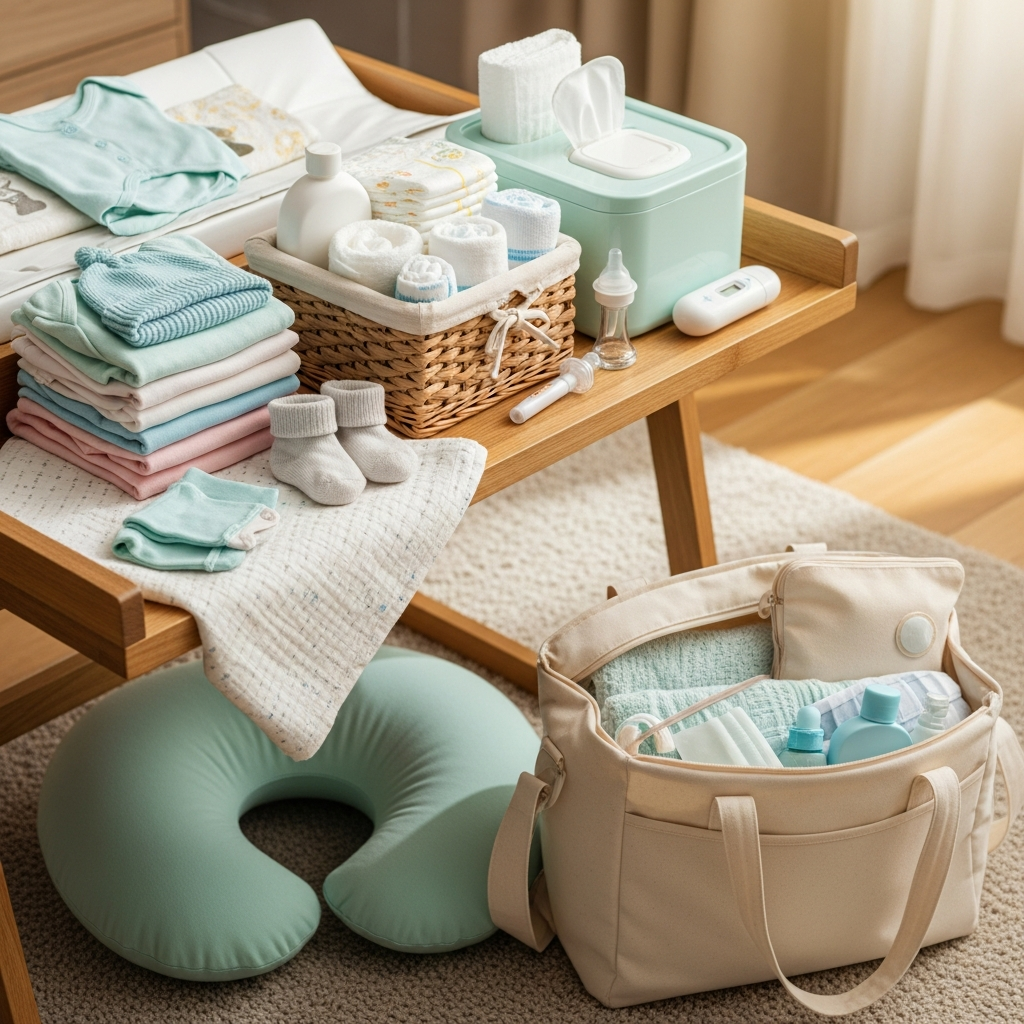
Celebrating pregnancy milestones creates lasting memories and helps you savor this transformative experience. Here are meaningful ways to document your journey.
Pregnancy Milestone Photo Ideas
Consistent documentation creates a beautiful visual story of your pregnancy journey. Tips for memorable milestone photos:
- Weekly bump photos: Wear the same outfit and stand in the same spot for dramatic progression
- Milestone cards: Use printed or digital cards showing weeks or fruit-size comparisons
- Props: Include meaningful items like baby shoes, ultrasound images, or seasonal elements
- Professional sessions: Schedule maternity photos between 28-34 weeks when your bump is prominent but you are still comfortable
Creating a Pregnancy Memory Book or Journal
A pregnancy journal captures details you might otherwise forget. Include:
- First reactions to the positive test
- Cravings and aversions
- Baby name ideas and decisions
- Letters to your unborn baby
- Physical symptoms and emotional experiences
- Partner and family reactions to milestones
Digital options like pregnancy apps offer convenient tracking, while physical journals become treasured keepsakes to share with your child someday.
Celebrating as a Couple: Partner Involvement Ideas
Pregnancy milestones strengthen your partnership when celebrated together. Consider:
- Monthly date nights themed around pregnancy milestones
- Partner attendance at prenatal appointments
- A babymoon trip during the second trimester
- Joint decision-making on nursery design and baby names
- Reading to baby together, establishing early bonding rituals
Week-by-Week Baby Development Highlights
Your baby's development follows a remarkable timeline. Here are key milestones throughout your pregnancy journey:
| Week | Development Milestone | Size Comparison |
|---|---|---|
| Week 4-5 | Heart begins to form | Poppy seed |
| Week 6 | Heartbeat detectable on ultrasound | Lentil |
| Week 8 | All major organs beginning to develop | Raspberry |
| Week 10 | Officially called a fetus; fingers forming | Prune |
| Week 12 | Reflexes developing; can make movements | Lime |
| Week 16 | May respond to sounds; first movements possible | Avocado |
| Week 20 | Halfway point; anatomy scan timing | Banana |
| Week 24 | Viability milestone; lungs developing | Cantaloupe |
| Week 28 | Eyes can open; sleep cycles begin | Eggplant |
| Week 32 | Practicing breathing movements | Squash |
| Week 36 | Considered early term; gaining weight rapidly | Honeydew melon |
| Week 40 | Due date; baby fully developed | Watermelon |
Essential Prenatal Care Milestones and Appointments
Regular prenatal care ensures your health and your baby's development stay on track. Understanding what to expect at each appointment helps you prepare and engage meaningfully with your healthcare team.
First Trimester Appointments and Tests
Your first prenatal visit typically occurs between weeks 8-10 and includes:
- Confirmation of pregnancy and due date calculation
- Complete medical history review
- Blood tests checking blood type, Rh factor, and immunity levels
- Urine tests screening for infections
- Dating ultrasound to confirm gestational age
- Discussion of genetic screening options
Second and Third Trimester Check-Ups
Appointment frequency increases as pregnancy progresses:
- Weeks 4-28: Monthly appointments
- Weeks 28-36: Bi-weekly appointments
- Weeks 36-40: Weekly appointments
Key tests include the anatomy scan (18-22 weeks), glucose tolerance test (24-28 weeks), and Group B strep test (35-37 weeks). Each appointment monitors weight, blood pressure, urine, and baby's heartbeat.
Preparing for Baby's Arrival: Your Third Trimester Checklist
The final weeks of pregnancy focus on practical preparation. Use this checklist to ensure you are ready when baby arrives:
Nursery Essentials
- Safe sleep space (crib, bassinet, or co-sleeper)
- Firm mattress with fitted sheet
- Changing station with supplies
- Adequate storage for clothes and diapers
- Comfortable feeding chair
Clothing Basics
Newborns grow quickly, so focus on versatile basics:
- 6-8 bodysuits or onesies
- 4-6 sleepers or pajamas
- 2-4 swaddle blankets
- Seasonal outerwear as needed
- Soft hats and socks
Building your newborn's wardrobe does not need to be overwhelming. Focus on versatile basics in soft, gentle fabrics. A well-curated baby clothes collection should include onesies, sleepers, and easy layering pieces that grow with your little one through those rapid first months.
Safety and Logistics
- Car seat installed and inspected
- Pediatrician selected
- Emergency contacts organized
- Birth registration paperwork understood
Frequently Asked Questions About Pregnancy Milestones
What are the major milestones during pregnancy?
The major pregnancy milestones include: positive pregnancy test, first heartbeat detection (6-8 weeks), 12-week mark (end of first trimester), feeling baby move (16-22 weeks), 20-week anatomy scan, viability milestone (24 weeks), and full-term status (37+ weeks). Each trimester brings unique developmental achievements for both mother and baby.
When can you feel the baby move for the first time?
Most first-time mothers feel baby move between 18-22 weeks, though it can happen as early as 16 weeks. This sensation, called quickening, often feels like flutters or bubbles initially. Experienced mothers may notice movement earlier, around 14-16 weeks, because they recognize the sensation.
When can you hear the baby's heartbeat?
Baby's heartbeat can typically be detected via transvaginal ultrasound around 6 weeks of pregnancy. With a handheld doppler at prenatal appointments, the heartbeat is usually audible between 10-12 weeks. Factors like baby's position and mother's body type can affect detection timing.
What happens at each prenatal appointment?
Standard prenatal appointments include weight and blood pressure checks, urine tests, measuring fundal height (after 20 weeks), listening to baby's heartbeat, and discussing any symptoms or concerns. Specific tests are scheduled at certain milestones, such as the anatomy scan at 20 weeks and glucose screening at 24-28 weeks.
How do I document my pregnancy journey?
Popular documentation methods include weekly bump photos with milestone cards, keeping a pregnancy journal with notes about symptoms and emotions, recording ultrasound images and heartbeat sounds, creating a memory book, and taking professional maternity photos during the third trimester. Digital apps offer convenient tracking alongside physical keepsakes.
When should I announce my pregnancy?
Many parents choose to announce after the 12-week mark when miscarriage risk significantly decreases. However, this is a personal decision. Some share immediately with close family, while others wait until after genetic testing results or until they are showing. There is no wrong time to share your happy news.
What should I prepare before baby arrives?
Essential preparations include setting up the nursery with a safe sleep space, stocking newborn clothing and diapers, installing the car seat, packing your hospital bag, selecting a pediatrician, and creating a basic birth plan. Most parents aim to complete major preparations by 36 weeks.
What are signs my body is preparing for labor?
Signs that labor may be approaching include Braxton Hicks contractions becoming more frequent, baby dropping lower into the pelvis (lightening), increased lower back pain, loss of the mucus plug, and the nesting instinct intensifying. Contact your healthcare provider if you experience regular contractions or your water breaks.
Embracing Your Unique Pregnancy Journey
Every pregnancy journey unfolds differently, and that is exactly as it should be. Whether you celebrate milestones with elaborate parties or quiet moments of reflection, what matters most is honoring this transformative experience in ways meaningful to you.
Remember that perfection is not the goal. Some weeks you will feel energized and excited; others might feel challenging and overwhelming. Both experiences are valid parts of your pregnancy journey. The milestones will arrive whether you are ready for them or not, so give yourself permission to embrace them at your own pace.
At PatPat, we are honored to be part of your journey. From those first flutters of movement to the day you finally bring your baby home, every step brings you closer to meeting your little one. Treasure these 40 weeks, document the moments that matter, and celebrate the incredible work your body is doing.
We would love to hear how you are celebrating your pregnancy milestones. Share your favorite moments and creative ideas with our community, and explore our collections to find everything you need for welcoming your baby into the world.




