


Spring has finally arrived, and you are probably eager to take your baby outside to enjoy the warmer days. But have you noticed how tricky spring weather can be? One moment the sun is shining and it feels like summer, and the next hour brings chilly winds that have you reaching for a jacket.
Here is the challenge many parents face: figuring out how to dress baby for spring when temperatures can swing by 20 degrees or more in a single day. Unlike adults, babies cannot regulate their body temperature effectively. According to pediatric research published in PubMed, a baby's body surface is about three times greater than an adult's compared to body weight, which means they lose heat much more rapidly.
In this guide, you will learn everything you need to know about protecting your baby's delicate skin, choosing the right spring baby clothes, and mastering the art of layering. Whether you are a first-time parent or welcoming another little one, PatPat is here to help you navigate this beautiful but unpredictable season with confidence.

Why Spring Weather Poses Unique Challenges for Baby Skin
Spring is a season of transitions, and those constant changes create a perfect storm for baby skin problems. Think about a typical spring day: you wake up to 50-degree mornings, enjoy 70-degree afternoons, and watch temperatures drop again by evening. Your baby's skin has to adapt to all of these shifts.
What makes this especially challenging is that baby skin is significantly thinner than yours. Research published in PubMed found that infant stratum corneum (the outermost skin layer) is 30% thinner than adult skin, while the overall epidermis is 20% thinner. This means environmental changes affect your baby much more intensely than they affect you.
Add rising pollen counts to the mix, and you have another layer of concern. Spring allergens can settle on your baby's skin, potentially triggering irritation or eczema flare-ups. The transition from winter's dry indoor air to spring's fluctuating humidity also disrupts the skin barrier, leaving babies more vulnerable to rashes and dryness.
Understanding Your Baby's Delicate Skin Barrier
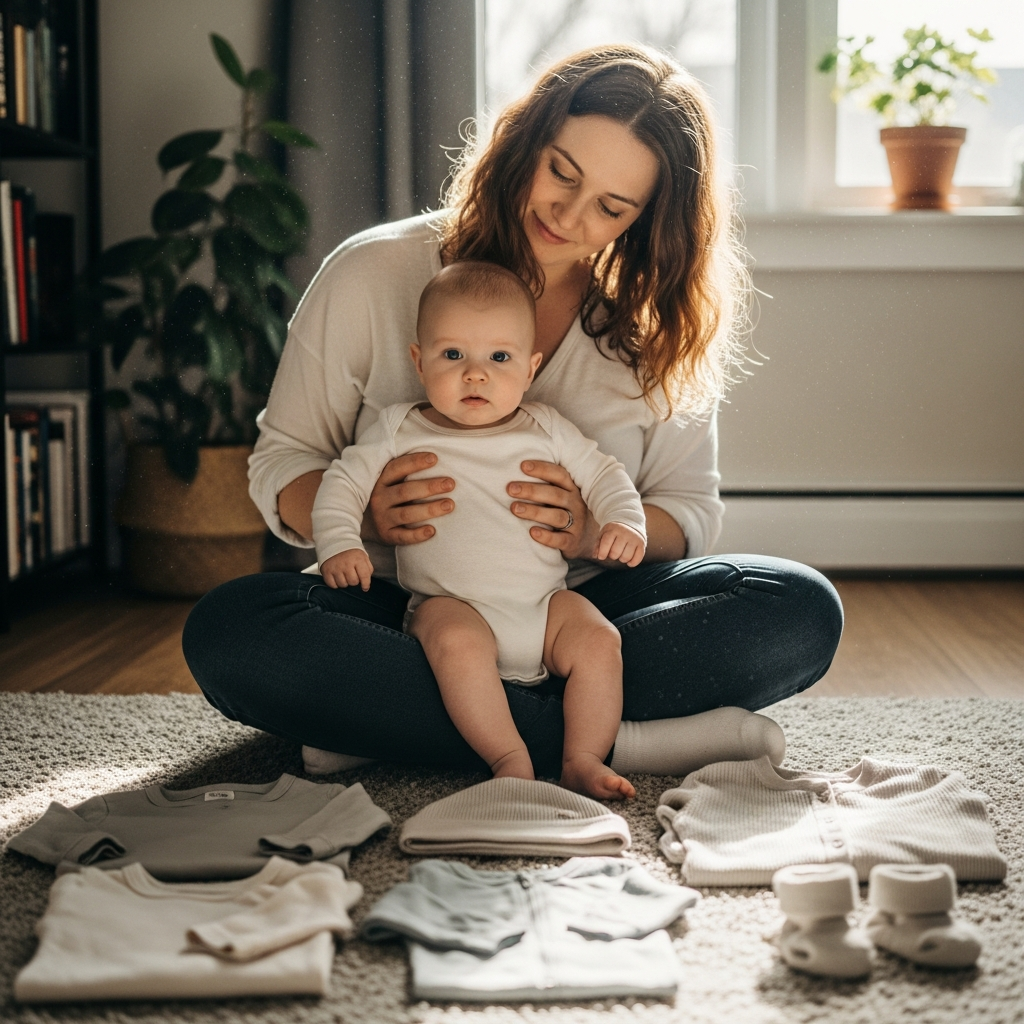
Your baby's skin barrier works like a protective shield, keeping moisture in and irritants out. However, this shield is still developing during infancy. The proteins and lipids that form this barrier are not fully mature, which explains why babies are more prone to dryness, irritation, and eczema.
Seasonal changes can weaken this already delicate barrier. When temperatures shift rapidly, your baby's skin struggles to maintain its natural moisture balance. This is why you might notice your little one's skin becoming red, flaky, or irritated as winter transitions into spring, even if they did not have skin issues before.
Essential Spring Baby Skin Care Routine for Changing Weather
Protecting your baby's skin during spring requires a thoughtful approach. The good news is that a few simple adjustments to your daily routine can make a significant difference.
Start with bath time. While it might be tempting to bathe your baby daily, especially after outdoor play, too much bathing can strip natural oils from their skin. Aim for baths every two to three days unless your baby is visibly dirty. When you do bathe them, use lukewarm water and keep sessions short, around five to ten minutes.
The most important step happens right after the bath. Apply a fragrance-free, hypoallergenic moisturizer within three minutes of patting your baby dry. This locks in hydration before it evaporates. Look for products containing ceramides, which help strengthen the skin barrier.
- Apply moisturizer within 3 minutes of bathing to seal in moisture
- Choose ceramide-rich, fragrance-free products
- Patch test new products on a small area first
- Keep baby's nails trimmed to prevent scratching
- Use a humidifier if indoor air remains dry
- Avoid products with dyes, perfumes, or harsh chemicals
Protecting Baby from Spring Pollen and Allergens
Pollen is not just a respiratory concern. It can settle directly on your baby's skin and cause contact irritation, especially for those with sensitive skin or eczema. While you cannot eliminate pollen exposure entirely, you can minimize its impact.
Check daily pollen forecasts before planning outdoor activities. On high pollen days, consider keeping outings brief or staying indoors during peak hours (typically mid-morning through afternoon). When you return home, gently wipe your baby's face and hands with a damp cloth to remove any pollen that may have settled on their skin.
Changing your baby's clothes after extended outdoor time and bathing before bedtime on high pollen days can also help. These simple steps prevent allergens from irritating their skin throughout the night.
How to Dress Baby for Spring: The Complete Layering Guide
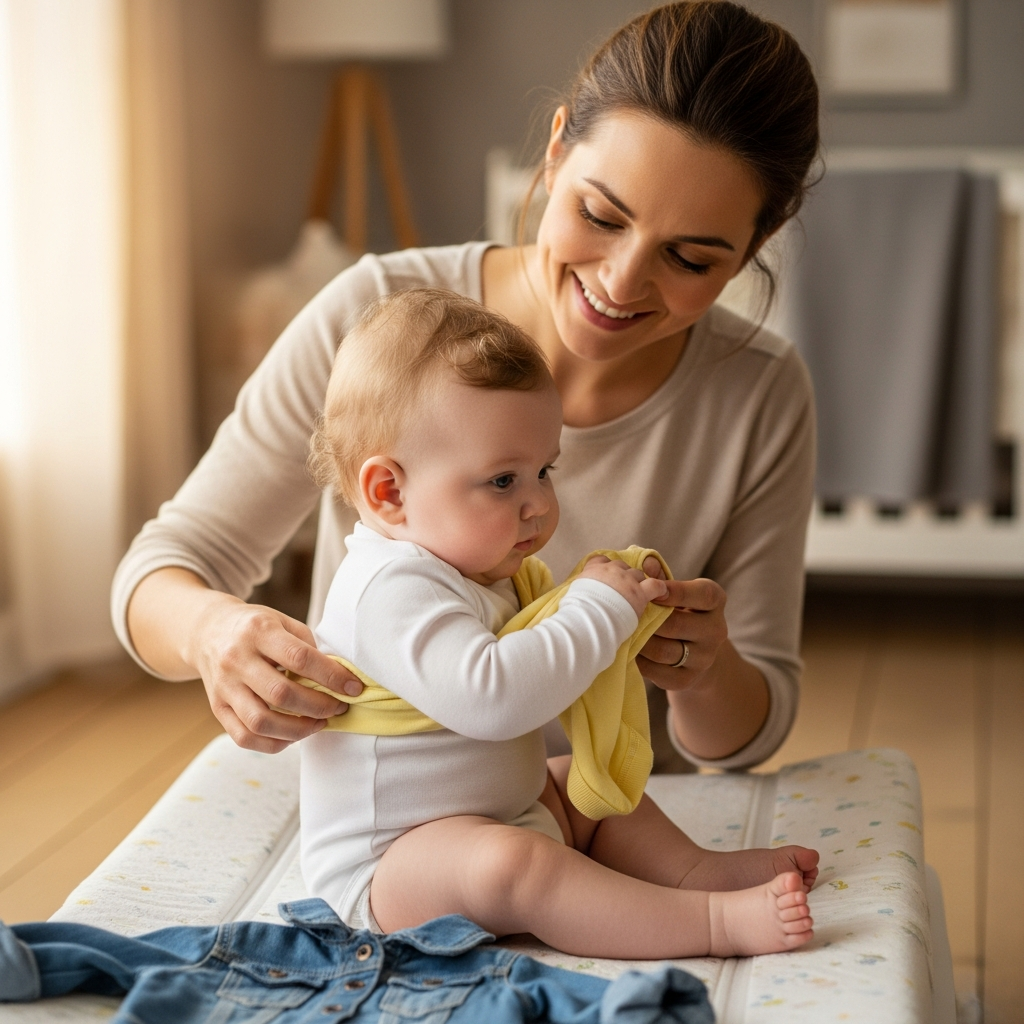
The secret to dressing your baby comfortably in spring is layering. Forget bulky outfits that are difficult to adjust. Instead, think in terms of multiple thin layers that you can add or remove as temperatures change throughout the day.
A helpful rule of thumb is to dress your baby in one more layer than you are wearing yourself. If you are comfortable in a t-shirt and light jacket, your baby should have a bodysuit, a light shirt or sweater, and the same jacket.
The Three-Layer System
- Base Layer: A lightweight, breathable bodysuit that sits against your baby's skin. This layer wicks moisture and provides comfort.
- Middle Layer: A long-sleeve shirt, pants, or light sweater that provides insulation. This is your adjustable layer.
- Outer Layer: A removable jacket, cardigan, or light blanket for cooler moments or air-conditioned spaces.
Temperature-Based Dressing Guide
| Temperature | Recommended Layers |
|---|---|
| 50-60°F (10-15°C) | Base + middle + outer layer + hat |
| 60-70°F (15-21°C) | Base + light middle layer |
| 70°F+ (21°C+) | Base layer only, add sun protection |
When building your baby's spring wardrobe, look for soft, easy-to-layer pieces that transition well between temperatures. Collections like PatPat's baby clothes offer versatile options designed with snap closures for easy dressing and quick layer adjustments throughout the day.
Best Fabrics for Baby Clothes in Spring
Not all fabrics are created equal when it comes to your baby's sensitive skin. Natural, breathable materials make a noticeable difference in keeping your little one comfortable during spring's temperature swings.
| Fabric | Breathability | Softness | Best For |
|---|---|---|---|
| Organic Cotton | Excellent | High | Everyday wear, sensitive skin |
| Bamboo | Excellent | Very High | Temperature regulation, eczema-prone skin |
| Muslin | Excellent | Medium | Light blankets, warm days |
| Polyester Blends | Moderate | Variable | Outer layers only |
Bamboo fabric deserves special attention. According to textile research, bamboo fabric stands out because of its natural hypoallergenic properties, reducing irritation and allergic reactions. It also offers remarkable temperature-regulating abilities, keeping baby cool when it is warm and warm when it is cool.
For parents seeking ultra-soft, skin-friendly options, bamboo baby clothes offer the breathability and gentleness that spring weather demands, especially for babies with sensitive or eczema-prone skin.
Signs Your Baby Is Too Hot or Too Cold in Spring
One of the biggest concerns parents have is whether their baby is comfortable. The tricky part? You cannot rely on checking your baby's hands and feet. These extremities are naturally cooler due to developing circulation and are not reliable indicators of overall body temperature.
Instead, place two fingers on your baby's chest, back, or the nape of their neck. The skin there should feel warm and dry, not hot and sweaty, and not cool or clammy.
Signs Your Baby Is Too Hot
- Sweating, especially on the hairline and neck
- Flushed or red cheeks
- Rapid breathing
- Damp hair
- Fussiness or restlessness
- Heat rash on neck, chest, or diaper area
Signs Your Baby Is Too Cold
- Cool chest or back when touched
- Pale or mottled skin
- Less active than usual
- Fussiness or difficulty settling

Spring Sleep Safety: Dressing Baby for Comfortable Nights
Nighttime brings its own challenges during spring. Room temperatures can drop significantly after sunset, but overdressing your baby creates risks. The key is finding that comfortable middle ground.
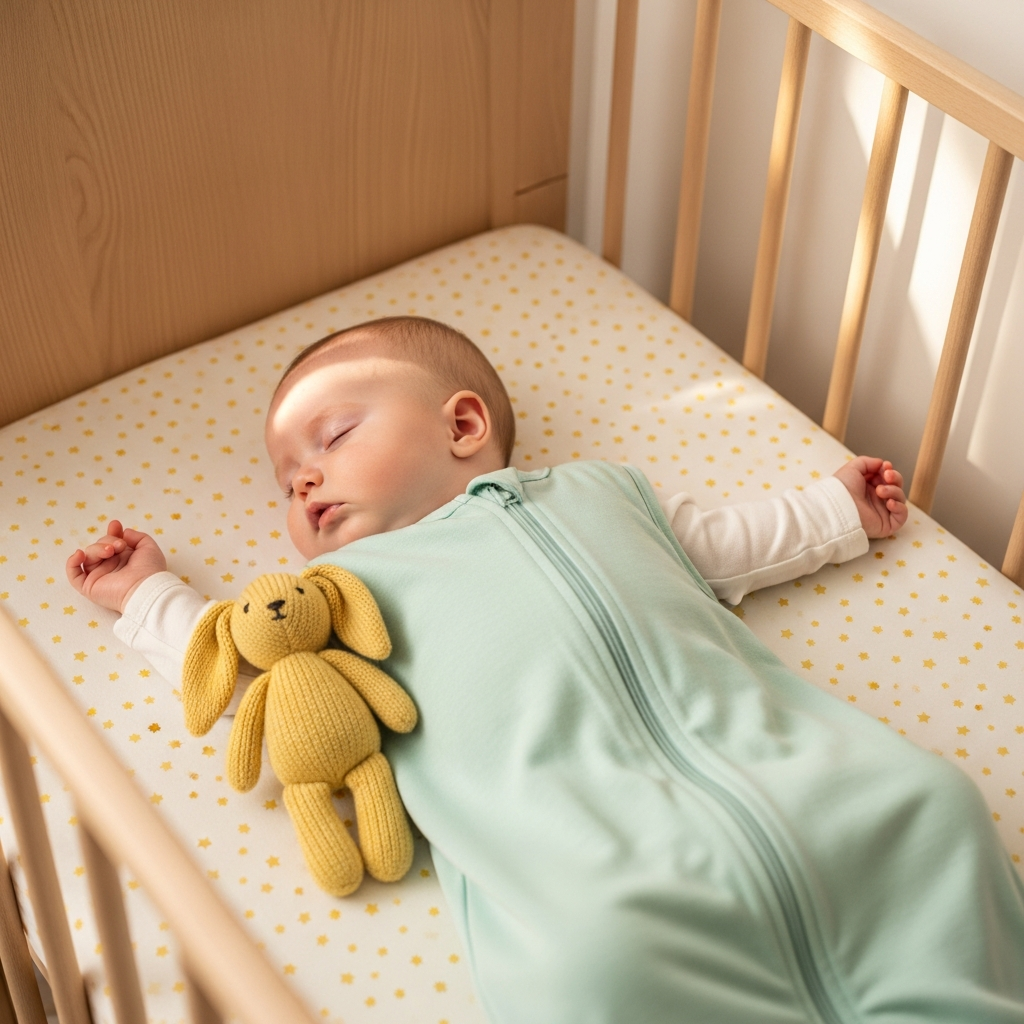
Pediatricians and sleep experts recommend keeping your baby's nursery between 68 to 72 degrees Fahrenheit (20 to 22 degrees Celsius). A room thermometer helps you monitor this throughout the night, especially as outdoor temperatures fluctuate.
Sleep sacks are excellent alternatives to loose blankets, which the American Academy of Pediatrics advises against for babies under 12 months. The TOG rating system helps you choose the right warmth level.
TOG Rating Guide for Spring
| Room Temperature | Recommended TOG | Clothing Underneath |
|---|---|---|
| Below 65°F (18°C) | 2.5 TOG | Long-sleeve bodysuit |
| 65-70°F (18-21°C) | 1.0-1.5 TOG | Short or long-sleeve bodysuit |
| 70-75°F (21-24°C) | 0.5-1.0 TOG | Short-sleeve bodysuit or diaper only |
| Above 75°F (24°C) | 0.5 TOG or muslin | Diaper only |
Outdoor Spring Adventures: Protecting Baby from Sun and Elements
Spring sunshine invites you outdoors, but your baby's skin needs protection. Sun safety recommendations vary based on your baby's age, so it is important to know what applies to your little one.
Sun Protection for Babies Under 6 Months
The FDA and American Academy of Pediatrics recommend keeping babies younger than 6 months out of direct sunlight. Instead of sunscreen, rely on physical protection:
- Use stroller canopies and seek natural shade
- Dress baby in lightweight long sleeves and pants
- Choose wide-brimmed hats that shade the face and neck
- Avoid peak sun hours (10am to 4pm) when possible
Sun Protection for Babies 6 Months and Older
Once your baby reaches six months, you can begin using mineral sunscreen containing zinc oxide or titanium dioxide. Apply SPF 30 or higher to exposed skin, and reapply every two hours when outdoors. Continue using protective clothing and hats alongside sunscreen.
Bug Protection Tips
- Dress baby in light-colored, long clothing
- Use mosquito netting over strollers and carriers
- Avoid scented lotions and products that attract insects
- Stay away from standing water and heavily flowering areas
Building a Practical Spring Baby Wardrobe: Essential Checklist
You do not need dozens of outfits to keep your baby comfortable through spring. A thoughtful capsule wardrobe with versatile pieces works better than an overflowing closet of single-use items.
Spring Baby Wardrobe Essentials
Base Layers (5-7 pieces):
- Short-sleeve bodysuits (3-4)
- Long-sleeve bodysuits (2-3)
Middle Layers (4-5 pieces):
- Lightweight cotton pants or leggings (2-3)
- Long-sleeve shirts or light sweaters (2)
Outer Layers (2-3 pieces):
- Light jacket or cardigan (1-2)
- Fleece or light hoodie (1)
Accessories:
- Wide-brimmed sun hat (1-2)
- Light cotton hats for cool mornings (1-2)
- Thin socks (3-4 pairs)
- Light blanket for stroller (1)
Sleep Items:
- 1.0 TOG sleep sack (1-2)
- 0.5 TOG sleep sack for warmer nights (1)

- Focus on versatile, neutral pieces that mix and match
- Size up slightly for longer wear through the season
- Watch for sales on transitioning winter inventory
Building a spring wardrobe does not have to break the bank. Look for quality basics that can be mixed and matched across outfits. Explore baby clothing collections that offer coordinated sets and versatile pieces perfect for the unpredictable spring season.
Frequently Asked Questions About Dressing Baby for Spring
How many layers should a baby wear in spring?
Babies typically need one more layer than adults. In spring, this usually means 2-3 layers: a base layer (bodysuit), a middle layer (pants and shirt), and an outer layer (light jacket) that can be removed as temperatures rise throughout the day.
What temperature is safe to take a newborn outside in spring?
Newborns can go outside in spring when temperatures are between 50-80°F (10-27°C). Avoid extreme temperatures, strong winds, and direct sunlight. Dress baby appropriately in layers, and limit outdoor time to 15-30 minutes initially, especially for newborns under one month.
How do I know if my baby is too hot or cold?
Check your baby's chest, back, or neck with your hand. Skin should feel warm but not sweaty or hot. Avoid checking hands and feet as they are naturally cooler. Sweating, flushed cheeks, or rapid breathing indicate overheating; cool torso or mottled skin suggests baby needs more warmth.
What fabric is best for baby clothes in spring?
Organic cotton and bamboo are ideal spring fabrics. Both are breathable, hypoallergenic, and gentle on sensitive skin. Bamboo offers superior temperature regulation, keeping baby cool when warm and warm when cool. Avoid synthetic fabrics for base layers as they can trap heat and irritate skin.
Can spring pollen cause skin problems for babies?
Yes, pollen can trigger skin irritation, rashes, and eczema flare-ups in babies. Minimize exposure by checking pollen counts before outings, wiping baby's face and hands after outdoor time, changing clothes when returning indoors, and bathing before bedtime on high pollen days.
When should I start using sunscreen on my baby in spring?
The American Academy of Pediatrics recommends avoiding sunscreen for babies under 6 months, relying instead on shade, hats, and protective clothing. After 6 months, use mineral sunscreen with zinc oxide or titanium dioxide, SPF 30+, and reapply every 2 hours when outdoors.
What TOG rating sleep sack should I use in spring?
For spring nights, choose a 1.0-1.5 TOG sleep sack for room temperatures between 65-70°F (18-21°C). As spring warms up, transition to a 0.5-1.0 TOG for temperatures 70-75°F (21-24°C). Always pair with appropriate underlayers based on room temperature.
How can I prevent heat rash on my baby during spring?
Prevent heat rash by dressing baby in loose, breathable fabrics like cotton or bamboo. Avoid overdressing, keep baby dry, and ensure good air circulation. Remove layers when moving indoors or as temperatures rise. Keep skin folds clean and dry, especially around the neck and diaper area.
Final Thoughts: Embracing Spring with Your Baby
Learning how to dress baby for spring might feel overwhelming at first, but it quickly becomes second nature. The key takeaways are simple: layer wisely, choose breathable fabrics, protect that delicate skin, and always check your baby's chest or neck rather than their hands and feet to gauge comfort.
Spring is a wonderful time to create memories with your little one. Those morning walks, park visits, and backyard adventures are all possible when you feel confident about keeping your baby comfortable and safe. Trust your instincts, watch your baby's cues, and remember that adjustments are normal as you both navigate the season together.
PatPat hopes this guide helps you and your baby enjoy every moment of spring. Bookmark this page for quick reference, and enjoy this beautiful season with your little one.





