


What if the key to boosting your fertility has been sitting in your kitchen all along? Zinc is often called the "fertility mineral" for good reason. It plays a critical role in every stage of reproduction, from healthy egg development to successful fertilization. Yet many couples trying to conceive overlook this essential nutrient entirely.
Whether you are just beginning your conception journey or have been trying for a while, optimizing your zinc intake through delicious, nutrient-dense foods can make a meaningful difference. This guide from PatPat delivers practical recipes featuring three zinc powerhouses: oysters, beef, and pumpkin seeds. You will find specific zinc amounts for every recipe, absorption tips to maximize benefits, and a complete 7-day meal plan designed for couples.
Here is what makes zinc particularly special: it benefits both partners equally. Women need 8mg daily while men need 11mg according to the National Institutes of Health. The good news? Meeting these requirements through food is not only achievable but delicious. Let us explore how to transform your meals into fertility-supporting nutrition.
Why Zinc Is Essential for Male and Female Fertility
Understanding zinc's role in reproduction helps you appreciate why this mineral deserves priority in your preconception diet. From ovulation to implantation, from sperm production to testosterone levels, zinc influences fertility at nearly every stage.
Zinc and Female Reproductive Health: From Ovulation to Implantation
Zinc's importance to female fertility became dramatically clear through groundbreaking research at Northwestern University. Scientists discovered that when a human egg is activated, it releases 10 billion of its 60 billion zinc atoms in a spectacular flash called the "zinc spark." This zinc release is not just visually stunning. It is essential for embryo formation.
The size of these zinc sparks directly correlates with egg quality. According to research published in the journal Biology of Reproduction, symmetric division, proliferation, and differentiation of the preimplantation embryo all rely on zinc availability during both oocyte development and post-fertilization. This means zinc levels matter long before conception occurs.
Male Fertility Zinc Benefits: Sperm Quality and Testosterone Support
For men, zinc is equally critical. The prostate gland contains more zinc than any other organ in the body, highlighting this mineral's significance for male reproductive function. A comprehensive meta-analysis of 20 studies involving over 3,400 men found that seminal plasma zinc concentrations in infertile males were significantly lower than in fertile men.
The same research revealed promising news: zinc supplementation could significantly increase semen volume, sperm motility, and percentage of normal sperm morphology. For couples experiencing unexplained infertility, this connection between zinc and male reproductive health deserves serious attention.
Daily Zinc Requirements for Couples Trying to Conceive
While general recommendations call for 8mg daily for women and 11mg for men, fertility specialists often suggest slightly higher intakes. Women trying to conceive may benefit from 8-12mg daily, while men might aim for 11-15mg. However, more is not always better. The upper limit stands at 40mg daily, as excessive zinc can deplete copper and cause other imbalances.
Here is a critical timeline to remember: start optimizing your zinc intake at least three months before actively trying to conceive. Why? The sperm development cycle takes approximately 74 days, and egg maturation spans roughly 90 days. Both partners benefit from consistent zinc-rich nutrition during this preparatory window.
Top Zinc-Rich Food Sources: A Complete Fertility Foods Guide
Not all zinc sources are created equal. Animal-based zinc typically absorbs at rates between 85-90%, while plant sources range from 15-35%. Understanding these differences helps you plan meals that truly deliver the zinc your body needs.
Oysters: The Ultimate Zinc Powerhouse for Fertility
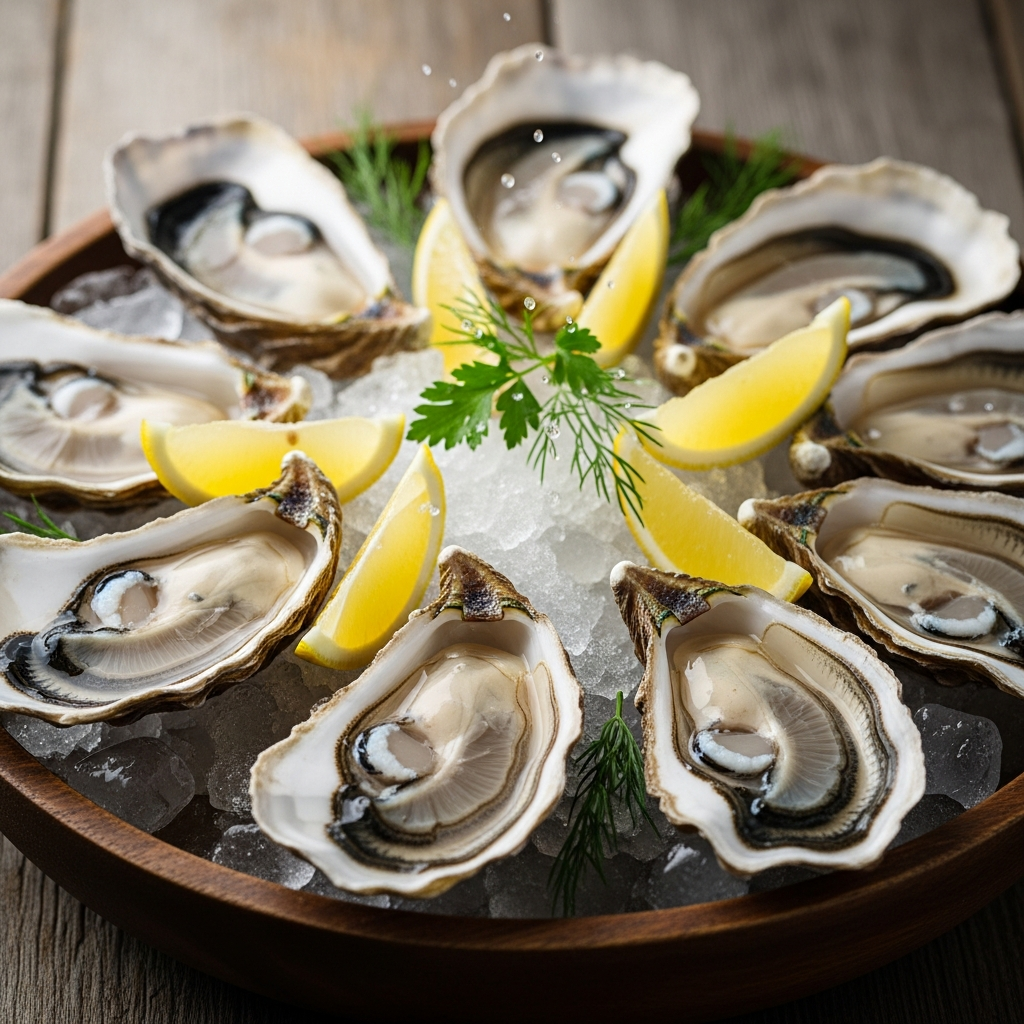
No food comes close to matching oysters for zinc content. According to USDA FoodData Central, oysters deliver extraordinary zinc levels:
| Serving Size | Zinc Content | % Daily Value (Women/Men) |
|---|---|---|
| 6 medium oysters (raw) | 32mg | 400% / 291% |
| 6 medium oysters (cooked) | 28mg | 350% / 255% |
| 3 oz canned oysters | 25mg | 313% / 227% |
Beyond zinc, oysters provide B12, selenium, and omega-3 fatty acids, creating a fertility nutrition powerhouse. Eating just 6 oysters once or twice weekly can dramatically boost your zinc status.
Beef and Red Meat: Highly Bioavailable Zinc for Reproductive Health
| Serving Size | Zinc Content | % Daily Value (Women/Men) |
|---|---|---|
| 3 oz beef chuck roast | 7mg | 88% / 64% |
| 3 oz ground beef (85% lean) | 5.3mg | 66% / 48% |
| 3 oz beef sirloin | 4.8mg | 60% / 44% |
| 3 oz lamb | 4.5mg | 56% / 41% |
The heme iron in beef actually enhances zinc absorption, making red meat doubly valuable for fertility nutrition. Grass-fed varieties offer additional omega-3 benefits. Aim for 3-4 servings of lean beef weekly.
Pumpkin Seeds: Plant-Based Zinc Champion for TTC Couples
| Serving Size | Zinc Content | % Daily Value (Women/Men) |
|---|---|---|
| 1 oz pumpkin seeds (hulled) | 2.2mg | 28% / 20% |
| 1/4 cup pumpkin seeds | 2.9mg | 36% / 26% |
| 2 tbsp pumpkin seed butter | 1.8mg | 23% / 16% |
Pumpkin seeds stand as the best plant-based zinc source for fertility. They also provide magnesium for hormonal balance and omega-3 ALA. Many practitioners recommend them as part of seed cycling protocols during the follicular phase. A quarter cup daily makes an excellent snack.
Additional Zinc-Rich Foods for Your Fertility Diet
- Crab (3 oz): 6.5mg zinc - 81% / 59% DV
- Lobster (3 oz): 3.4mg zinc - 43% / 31% DV
- Chickpeas (1 cup cooked): 2.5mg zinc - 31% / 23% DV
- Cashews (1 oz): 1.6mg zinc - 20% / 15% DV
- Dark chocolate (1 oz): 0.9mg zinc - 11% / 8% DV
Maximizing Zinc Absorption: What Enhances and Blocks Uptake
Eating zinc-rich foods is only half the equation. How your body absorbs that zinc matters just as much. Strategic food pairing can significantly increase the zinc you actually absorb from meals.
Nutrients That Enhance Zinc Absorption for Better Fertility Results
Vitamin C creates a more acidic environment in your digestive system, enhancing zinc uptake. Simple pairings make a difference:
- Squeeze lemon juice over oysters
- Add bell peppers to beef stir-fry
- Include tomatoes in zinc-rich meals
- Serve citrus alongside seafood dishes
Animal protein contains amino acids that improve zinc absorption. This is why combining small amounts of meat with plant-based zinc sources helps vegetarians absorb more of the mineral.
Fermented foods reduce phytate content in plant foods. Sourdough bread, for example, offers better zinc bioavailability than regular bread. Fermented beans and legumes similarly provide improved absorption.
Compounds That Block Zinc Absorption and How to Minimize Them
Phytates present the biggest challenge. Found in whole grains, legumes, nuts, and seeds, phytates can reduce zinc absorption by approximately 10 percentage points and absolute zinc absorption by about 25%. Solutions include:
- Soaking nuts and seeds before eating
- Sprouting legumes and grains
- Fermenting bread and other grain products
- Toasting pumpkin seeds (reduces phytates significantly)
High-dose calcium supplements can interfere with zinc absorption. Space calcium and zinc intake by at least two hours.
Iron supplements compete for absorption when taken in large doses. Take iron supplements at different times than zinc-rich meals.
Coffee and tea tannins reduce mineral absorption. Wait one to two hours after meals before drinking.
Best Practices for Zinc Absorption When Trying to Conceive
Quick Reference: Zinc Absorption Do's and Don'ts
DO:
- Eat zinc-rich foods with vitamin C sources at every meal
- Choose animal-based zinc when possible for better absorption
- Soak and toast pumpkin seeds before eating
- Support gut health for optimal mineral absorption
DON'T:
- Take calcium supplements with zinc-rich meals
- Drink coffee or tea immediately after eating
- Skip the lemon on your oysters
- Rely solely on unprocessed plant sources
Pro Tip: The simple addition of lemon juice to oysters or lime to beef tacos can significantly boost zinc absorption while adding delicious flavor.
Oyster Recipes to Boost Zinc Intake for Conception
Oysters intimidate many home cooks, but these recipes make preparing them approachable. Whether you prefer baked, pan-fried, or bowl-style preparations, these dishes deliver exceptional zinc while tasting absolutely delicious.
Recipe 1: Classic Baked Oysters with Garlic Herb Butter
Zinc per serving: 32mg (400% DV for women)
Ingredients (Serves 2):
- 12 fresh oysters, shucked
- 4 tbsp butter, softened
- 3 cloves garlic, minced
- 2 tbsp fresh parsley, chopped
- 1 tbsp lemon juice
- 1/4 cup breadcrumbs
- Salt and pepper to taste
Instructions:
- Preheat oven to 450 degrees F (230 degrees C)
- Mix butter, garlic, parsley, lemon juice, salt, and pepper
- Place oysters on a baking sheet lined with rock salt for stability
- Top each oyster with herb butter mixture and breadcrumbs
- Bake for 8-10 minutes until edges curl and topping is golden
- Serve immediately with lemon wedges
Prep time: 15 minutes | Cook time: 10 minutes
Additional Fertility Nutrients: B12, selenium, omega-3s, vitamin C from lemon
Recipe 2: Pan-Fried Oysters with Lemon-Caper Sauce
Zinc per serving: 28mg (350% DV for women)
Ingredients (Serves 2):
- 12 oysters, shucked and drained
- 1/2 cup flour
- 2 eggs, beaten
- 1 cup panko breadcrumbs
- 3 tbsp olive oil
- 2 tbsp capers
- 2 tbsp butter
- Juice of 1 lemon
- Fresh dill for garnish
Instructions:
- Pat oysters dry thoroughly
- Dredge in flour, dip in egg, coat in panko
- Heat olive oil in skillet over medium-high heat
- Fry oysters 2-3 minutes per side until golden
- Remove oysters; add butter, capers, and lemon juice to pan
- Drizzle sauce over oysters and garnish with dill
Prep time: 20 minutes | Cook time: 10 minutes
Serving Suggestion: Pair with mixed green salad and crusty bread
Recipe 3: Oyster and Spinach Fertility Power Bowl
Zinc per serving: 34mg (425% DV for women)
Ingredients (Serves 2):
- 12 oysters (canned, drained, or freshly cooked)
- 2 cups fresh spinach
- 1 cup cooked quinoa
- 1 avocado, sliced
- 1/4 cup pumpkin seeds (adds 2.9mg zinc)
- Cherry tomatoes, halved
- Lemon-tahini dressing
Instructions:
- Arrange spinach in bowls as base
- Add warm quinoa to one side
- Top with oysters, avocado, tomatoes, and pumpkin seeds
- Drizzle with lemon-tahini dressing
- Season with sea salt and pepper
Prep time: 15 minutes | Cook time: 0 minutes (if using canned oysters)
Complete Fertility Profile: Zinc, folate from spinach, healthy fats from avocado, additional zinc from pumpkin seeds
Pro Tips for Oyster Beginners
- Start with cooked preparations before trying raw oysters
- Canned oysters are more affordable and retain zinc content
- Always check for fresh smell and firm texture when buying fresh
- Store fresh oysters cup-side down in refrigerator

Beef Recipes for Male and Female Reproductive Health
Beef provides highly bioavailable zinc that both partners can benefit from. These recipes emphasize zinc retention through proper cooking methods while delivering delicious, satisfying meals.
Recipe 1: Herb-Crusted Beef Tenderloin with Roasted Vegetables
Zinc per serving: 8.5mg (106% DV for women, 77% DV for men)
Ingredients (Serves 4):
- 1.5 lb beef tenderloin
- 2 tbsp Dijon mustard
- 2 tbsp fresh rosemary, chopped
- 2 tbsp fresh thyme, chopped
- 3 cloves garlic, minced
- 2 tbsp olive oil
- 1 lb Brussels sprouts, halved
- 1 lb baby potatoes, quartered
- Salt and pepper
Instructions:
- Preheat oven to 425 degrees F (220 degrees C)
- Pat beef dry; season with salt and pepper
- Coat with mustard, then press herb-garlic mixture onto all sides
- Sear beef in hot skillet with olive oil (2 minutes per side)
- Toss vegetables with olive oil, salt, pepper on baking sheet
- Place beef on top of vegetables
- Roast 20-25 minutes for medium-rare (internal temp 135 degrees F)
- Rest 10 minutes before slicing
Prep time: 20 minutes | Cook time: 30 minutes
Fertility Bonus: Brussels sprouts add folate; potatoes provide vitamin B6
Recipe 2: Quick Beef Stir-Fry with Bell Peppers and Ginger
Zinc per serving: 6.8mg (85% DV for women, 62% DV for men)
Ingredients (Serves 4):
- 1 lb beef sirloin, thinly sliced
- 2 bell peppers (red and yellow), sliced
- 1 cup snap peas
- 3 tbsp low-sodium soy sauce
- 1 tbsp fresh ginger, minced
- 3 cloves garlic, minced
- 1 tbsp honey
- 2 tbsp sesame oil
- Sesame seeds and green onions for garnish
Instructions:
- Mix soy sauce, ginger, garlic, and honey for sauce
- Heat sesame oil in wok over high heat
- Stir-fry beef 2-3 minutes until browned; remove
- Add vegetables; stir-fry 3-4 minutes until crisp-tender
- Return beef; add sauce and toss to coat
- Garnish with sesame seeds and green onions
- Serve over brown rice or quinoa
Prep time: 15 minutes | Cook time: 10 minutes
Zinc Absorption Boost: Bell peppers provide vitamin C to enhance zinc uptake
Recipe 3: Slow-Cooker Beef and Vegetable Stew
Zinc per serving: 9.2mg (115% DV for women, 84% DV for men)
Ingredients (Serves 6):
- 2 lb beef chuck, cubed
- 4 carrots, chunked
- 3 potatoes, cubed
- 2 cups mushrooms, quartered
- 1 onion, diced
- 4 cups beef broth
- 2 tbsp tomato paste
- 2 tsp fresh thyme
- 2 bay leaves
- Salt and pepper
Instructions:
- Season beef with salt and pepper; brown in batches in hot skillet
- Place all vegetables in slow cooker
- Add browned beef on top
- Mix broth with tomato paste; pour over meat and vegetables
- Add thyme and bay leaves
- Cook on LOW 8 hours or HIGH 4-5 hours
- Remove bay leaves before serving
Prep time: 25 minutes | Cook time: 4-8 hours
Meal Prep Perfect: Makes excellent leftovers; zinc content remains stable when reheated
Budget Tip
Choose chuck roast over tenderloin for budget-friendly zinc. Chuck actually contains MORE zinc per serving and becomes tender when slow-cooked.
Pumpkin Seed Recipes: Plant-Based Zinc for Fertility
Pumpkin seeds offer the best plant-based zinc for couples trying to conceive. These versatile recipes incorporate pumpkin seeds throughout your day, from breakfast smoothies to satisfying snacks.
Recipe 1: Fertility-Boosting Pumpkin Seed Butter Smoothie
Zinc per serving: 3.8mg (48% DV for women)
Ingredients (Serves 1):
- 2 tbsp pumpkin seed butter (1.8mg zinc)
- 1 cup spinach (0.5mg zinc)
- 1 banana
- 1 cup almond milk
- 1 tbsp honey
- 1/2 tsp cinnamon
- Ice cubes
Instructions:
- Add all ingredients to blender
- Blend until smooth (60-90 seconds)
- Add more almond milk if needed for desired consistency
- Serve immediately
Prep time: 5 minutes
Best For: Quick breakfast or post-workout fertility fuel
Additional Benefits: Folate from spinach, potassium from banana
Recipe 2: Toasted Pumpkin Seed and Quinoa Salad
Zinc per serving: 4.5mg (56% DV for women)
Ingredients (Serves 2):
- 1/2 cup pumpkin seeds, toasted
- 2 cups cooked quinoa
- 2 cups mixed greens (arugula, spinach)
- 1/2 cup dried cranberries
- 1/4 cup crumbled feta cheese
- 1/4 cup olive oil
- 2 tbsp apple cider vinegar
- 1 tbsp maple syrup
- Salt and pepper
Instructions:
- Toast pumpkin seeds in dry skillet over medium heat until fragrant (5 minutes)
- Combine quinoa, greens, cranberries, and feta in large bowl
- Whisk olive oil, vinegar, maple syrup, salt, and pepper for dressing
- Add toasted pumpkin seeds
- Drizzle with dressing and toss gently
Prep time: 15 minutes | Cook time: 5 minutes
Zinc Absorption Tip: Toasting pumpkin seeds reduces phytates, improving zinc bioavailability by up to 20%
Recipe 3: Savory Pumpkin Seed Crusted Chicken
Zinc per serving: 4.1mg (51% DV for women) + protein zinc from chicken
Ingredients (Serves 4):
- 4 chicken breasts
- 1 cup pumpkin seeds, finely ground
- 1/4 cup parmesan cheese, grated
- 1 tsp garlic powder
- 1 tsp paprika
- 2 eggs, beaten
- 2 tbsp olive oil
- Salt and pepper
Instructions:
- Preheat oven to 400 degrees F (200 degrees C)
- Mix ground pumpkin seeds, parmesan, garlic powder, paprika, salt, pepper
- Dip chicken in beaten eggs, then coat with seed mixture
- Place on greased baking sheet
- Drizzle with olive oil
- Bake 25-30 minutes until internal temp reaches 165 degrees F
- Let rest 5 minutes before serving
Prep time: 15 minutes | Cook time: 30 minutes
Serving Suggestion: Pair with roasted vegetables and lemon wedges
Recipe 4: No-Bake Pumpkin Seed Energy Balls
Zinc per serving (2 balls): 2.4mg (30% DV for women)
Ingredients (Makes 20 balls):
- 1 cup pumpkin seeds
- 1 cup rolled oats
- 1/2 cup pumpkin seed butter
- 1/4 cup honey
- 1/4 cup dark chocolate chips
- 2 tbsp ground flaxseed
- 1 tsp vanilla extract
- Pinch of sea salt
Instructions:
- Pulse pumpkin seeds and oats in food processor until coarsely ground
- Add pumpkin seed butter, honey, vanilla, and salt; process until combined
- Stir in chocolate chips and flaxseed
- Roll into 20 balls (about 1 tbsp each)
- Refrigerate 30 minutes to firm
- Store in airtight container in refrigerator up to 2 weeks
Prep time: 15 minutes | Chill time: 30 minutes
Perfect For: Desk snacking, gym bag, or on-the-go zinc boost
Seed Cycling Note
Pumpkin seeds are traditionally eaten during the follicular phase (days 1-14) of the menstrual cycle to support estrogen balance and zinc levels during egg development. Track your cycle alongside your nutrition for optimal results.
7-Day Zinc-Rich Fertility Meal Plan for TTC Couples
This complete weekly plan combines all recipe categories with daily zinc totals, making it easy for couples to meet their fertility nutrition goals together. Timing your nutrition with your cycle can optimize fertility results. While following this zinc-rich meal plan, use the free PatPat ovulation calculator to identify your most fertile days and coordinate your efforts for the best chance of conception.
Monday - Total Zinc: 18mg (225% DV women / 164% DV men)
- Breakfast: Pumpkin Seed Butter Smoothie (3.8mg)
- Lunch: Beef Stir-Fry with Bell Peppers (6.8mg)
- Dinner: Baked Oysters with Garlic Herb Butter - 6 oysters (16mg)
- Snack: 1/4 cup raw pumpkin seeds (2.9mg)
Tuesday - Total Zinc: 14mg (175% DV women / 127% DV men)
- Breakfast: Greek yogurt with pumpkin seeds (3.5mg)
- Lunch: Slow-Cooker Beef Stew leftover (9.2mg)
- Dinner: Grilled chicken with quinoa and vegetables (2.5mg)
- Snack: 2 Pumpkin Seed Energy Balls (2.4mg)
Wednesday - Total Zinc: 12mg (150% DV women / 109% DV men)
- Breakfast: Eggs with whole grain toast and avocado (2.1mg)
- Lunch: Pumpkin Seed Quinoa Salad (4.5mg)
- Dinner: Herb-Crusted Beef Tenderloin with vegetables (8.5mg)
- Snack: Dark chocolate and cashews (1.5mg)
Thursday - Total Zinc: 15mg (188% DV women / 136% DV men)
- Breakfast: Pumpkin Seed Butter Smoothie (3.8mg)
- Lunch: Chickpea and vegetable bowl (2.5mg)
- Dinner: Pan-Fried Oysters with Lemon-Caper Sauce (14mg)
- Snack: Hummus with vegetables (1.2mg)
Friday - Total Zinc: 16mg (200% DV women / 145% DV men)
- Breakfast: Oatmeal topped with pumpkin seeds (3.2mg)
- Lunch: Pumpkin Seed Crusted Chicken salad (4.1mg)
- Dinner: Ground beef tacos with all fixings (7.8mg)
- Snack: 2 Pumpkin Seed Energy Balls (2.4mg)
Saturday - Total Zinc: 20mg (250% DV women / 182% DV men)
- Brunch: Oyster and Spinach Power Bowl (17mg)
- Light Lunch: Greek salad with feta (1.5mg)
- Dinner: Crab cakes with lemon aioli (6.5mg)
- Snack: Toasted pumpkin seeds (2.2mg)
Sunday - Meal Prep Day - Total Zinc: 13mg (163% DV women / 118% DV men)
- Prep: Make beef stew, energy balls, toast pumpkin seeds
- Breakfast: Scrambled eggs with vegetables (2.5mg)
- Lunch: Leftover Beef Stir-Fry (6.8mg)
- Dinner: Salmon with roasted vegetables (1.2mg)
- Snack: Pumpkin seeds with dried fruit (2.9mg)
Weekly Meal Prep Tips for Zinc-Rich Eating
- Toast 2 cups pumpkin seeds on Sunday for the entire week
- Make a batch of 20 energy balls (lasts 2 weeks refrigerated)
- Prepare beef stew for easy weeknight dinners
- Keep canned oysters in pantry for quick zinc boosts
- Pre-portion pumpkin seeds into 1/4 cup snack bags
Signs of Zinc Deficiency and When to Seek Professional Guidance
Recognizing potential zinc deficiency symptoms helps you take proactive steps toward better fertility nutrition. However, many symptoms overlap with other conditions, making professional evaluation essential.
Common Zinc Deficiency Symptoms in Women Trying to Conceive
- Irregular menstrual cycles or missed periods
- Slow wound healing
- Hair loss or thinning
- Brittle nails with white spots
- Weakened immune system and frequent colds
- Loss of taste or smell
- Skin issues including acne and eczema flares
- Fatigue and low energy
- Mood changes or mild depression
Important Note: Many of these symptoms overlap with other conditions. Do not self-diagnose. Consult your healthcare provider for proper evaluation.
Zinc Deficiency Signs in Men Affecting Fertility
- Low testosterone symptoms including fatigue and reduced muscle mass
- Decreased libido
- Delayed wound healing
- Frequent infections
- Hair loss
- Skin problems
- Poor concentration
- Changes in taste and smell
Risk Factors for Male Zinc Deficiency:
- Vegetarian or vegan diet
- Heavy alcohol consumption
- Digestive disorders such as Crohn's disease or celiac disease
- Chronic stress
When to Test Zinc Levels and Consider Supplementation
Request Testing If: You experience multiple deficiency symptoms, or after 6+ months of trying to conceive without success.
Testing Options: Serum zinc (blood test), plasma zinc, or functional zinc assessment. Normal range is typically 60-120 mcg/dL in blood.
Who Should Consider Supplements:
- Those unable to meet zinc needs through diet alone
- Vegetarians and vegans (plant zinc is less bioavailable)
- Those with digestive absorption issues
- After consultation with a fertility specialist
Supplement Guidance:
- Typical dose: 15-30mg zinc
- Best forms: Zinc citrate, zinc picolinate, zinc gluconate
- Avoid exceeding 40mg daily without medical supervision
- Take with food to prevent nausea
- Separate from iron and calcium supplements by 2+ hours
Tracking your menstrual cycle provides valuable data for both your healthcare provider and your fertility journey. The PatPat ovulation calculator helps you monitor cycle regularity and identify optimal conception windows while you work on optimizing your zinc intake.
Medical Disclaimer
Always consult your healthcare provider before starting any supplement regimen, especially when trying to conceive. This information is for educational purposes and does not replace professional medical advice.
Frequently Asked Questions About Zinc and Fertility
How much zinc should I eat daily when trying to conceive?
Women trying to conceive need 8-12mg of zinc daily, while men need 11-15mg. This equals about 6 medium oysters weekly, or 3-4 servings of beef combined with daily pumpkin seeds. Avoid exceeding 40mg daily from food and supplements combined to prevent copper imbalance.
Can zinc improve egg quality for fertility?
Yes, zinc supports egg quality by protecting eggs from oxidative stress and enabling proper cell division. Research shows zinc triggers the "zinc spark" at fertilization, a flash of zinc release essential for embryo development. Start optimizing zinc intake 3 months before TTC, as eggs mature over a 90-day cycle.
What foods are highest in zinc for male fertility?
Oysters contain the most zinc (32mg per 6 oysters), followed by beef chuck roast (7mg per 3oz), crab (6.5mg per 3oz), and pumpkin seeds (2.2mg per ounce). For male fertility specifically, these zinc-rich foods support sperm count, motility, and testosterone production.
Does vitamin C help with zinc absorption?
Yes, vitamin C enhances zinc absorption by creating a more acidic environment in the digestive system. Pair zinc-rich foods with citrus fruits, bell peppers, or tomatoes. For example, add lemon juice to oysters or include bell peppers in beef stir-fry to maximize zinc uptake.
What blocks zinc absorption in fertility foods?
Phytates found in whole grains, legumes, and unprocessed seeds can reduce zinc absorption by 15-50%. High-dose calcium supplements, iron supplements, and tannins in coffee and tea also interfere. Soak, sprout, or toast seeds to reduce phytates, and separate supplements by 2+ hours.
Are pumpkin seeds good for fertility in both men and women?
Yes, pumpkin seeds benefit both partners. They provide plant-based zinc (2.2mg per ounce), plus magnesium for hormonal balance and omega-3s for inflammation reduction. For women, pumpkin seeds support the follicular phase of the cycle. For men, they may support prostate health and testosterone.
How long does it take for zinc to improve fertility?
Zinc takes approximately 2-3 months to show fertility benefits. Men's sperm development cycle is 74 days, and women's egg maturation is 90 days. Start optimizing zinc intake at least 3 months before actively trying to conceive for optimal results.
Can I get enough zinc from a vegetarian diet for fertility?
Vegetarians can meet zinc needs but face challenges since plant zinc absorbs at only 15-35% versus 85-90% for animal sources. Focus on pumpkin seeds, chickpeas, lentils, cashews, and fortified cereals. Toast seeds to reduce phytates, and consider a zinc supplement of 15-30mg after consulting your healthcare provider.
Start Your Zinc-Rich Fertility Journey Today
Zinc stands as one of the most impactful nutrients for couples trying to conceive. From supporting egg quality and the remarkable zinc spark at fertilization to enhancing sperm count and testosterone levels, this mineral influences fertility at every stage. The three zinc powerhouses you have discovered, oysters with their unmatched zinc content, beef with its highly bioavailable zinc, and pumpkin seeds as the plant-based champion, give you delicious options for meeting your daily requirements.
Remember the key numbers: women need 8mg daily while men need 11mg. Maximize absorption by pairing zinc foods with vitamin C sources and minimizing phytate interference through soaking and toasting seeds. Start this nutritional optimization at least three months before actively trying to conceive to allow both eggs and sperm to benefit from improved zinc status.
Your next step is simple: try one new zinc-rich recipe this week. Whether it is the elegant baked oysters, the comforting beef stew, or the convenient pumpkin seed energy balls, each dish brings you closer to optimal fertility nutrition. Consider cooking together as a couple, transforming meal preparation into a shared journey toward parenthood.
PatPat supports your fertility journey with helpful resources for growing families. Combine your zinc-rich nutrition plan with cycle tracking using our ovulation calculator to time your efforts for the best chance of success. Here is to nourishing your body, strengthening your health, and taking meaningful steps toward the family you are building.





