


Are you struggling with slow healing, catching every cold that comes your way, or feeling run-down after giving birth? Your body might be crying out for one crucial mineral: zinc. This essential nutrient plays a starring role in immune recovery and tissue repair, yet many new mothers unknowingly run low during the demanding postpartum period.
The good news? You can support your zinc postpartum recovery through delicious, nourishing foods. At PatPat, we understand that new parents need practical, easy-to-prepare meals that deliver maximum nutritional benefits. In this guide, you will discover why zinc matters so much after giving birth, learn exactly how much you need while breastfeeding, and master three mouthwatering recipes featuring the top zinc foods after giving birth: oysters, beef, and pumpkin seeds.
Whether you are healing from a cesarean section, recovering from a vaginal delivery, or simply want to strengthen your immune system during those exhausting early weeks, this immune support postpartum diet guide has you covered.
Why Zinc Is Critical for Postpartum Recovery and Immune Function
Zinc is not just another mineral on a nutrition label. It is a powerhouse that your body absolutely needs to bounce back after pregnancy and childbirth. This trace element participates in over 300 enzymatic reactions, influencing everything from immune cell production to wound healing and hormone regulation.
How Zinc Supports Your Immune System After Birth
Your immune system relies heavily on zinc to function properly. This mineral helps produce and activate T-lymphocytes, the white blood cells that fight off infections. When zinc levels drop, your body becomes more vulnerable to respiratory infections, gastrointestinal bugs, and other illnesses, according to research on zinc deficiency and immune function.
For new mothers already dealing with sleep deprivation and physical recovery, a weakened immune system is the last thing you need. Adequate zinc intake creates a protective shield, helping you stay healthy when your baby needs you most.
The Fourth Trimester Zinc Demands on Your Body
During pregnancy, your body shared its zinc stores with your growing baby. After delivery, those reserves continue depleting, especially if you are breastfeeding. Your body now faces the double challenge of replenishing its own stores while producing nutrient-rich milk for your infant.
This increased demand makes zinc postpartum recovery particularly important. Without sufficient intake, you may experience slower wound healing, persistent fatigue, and increased susceptibility to infections. Understanding and meeting these elevated needs sets the foundation for a stronger, faster recovery.
Understanding the 12mg RDA for Breastfeeding Mothers
How much zinc do you actually need while nursing? According to the National Institutes of Health, breastfeeding mothers need 12mg of zinc daily. This is 50% higher than the 8mg recommended for non-lactating women because zinc actively transfers to your breast milk.
Zinc Transfer Through Breast Milk
Every time you nurse, you are delivering zinc to your baby. Colostrum, the first milk produced after birth, contains particularly high zinc concentrations to support your newborn's immune system development. As lactation continues, your body maintains this zinc transfer, making consistent dietary intake essential.
If you are a teenage mother under 19 years old, your zinc needs increase slightly to 13mg daily, reflecting both lactation demands and your own ongoing growth requirements.
Safe Upper Limits and Supplement Considerations
While meeting your zinc RDA is important, more is not always better. The upper limit for zinc intake is 40mg daily for adults. Consuming more than this amount can interfere with copper absorption and cause digestive discomfort.
Most healthcare providers recommend meeting your zinc needs through food first. According to the NIH LactMed database, typical daily doses of 15mg or less from prenatal vitamins do not alter milk zinc levels. However, always consult your doctor before starting any supplement regimen.
Top Zinc-Rich Foods for New Moms: Oysters, Beef, and Pumpkin Seeds
Not all zinc foods after giving birth are created equal. Some deliver impressive amounts per serving, while others require larger portions to meet your needs. Here are the three superstar sources that make reaching your 12mg goal achievable and delicious.

| Food Source | Serving Size | Zinc (mg) | % Daily Value |
|---|---|---|---|
| Oysters (cooked) | 6 medium | 32 mg | 267% |
| Beef chuck (braised) | 3 oz | 7 mg | 58% |
| Crab (cooked) | 3 oz | 6.5 mg | 54% |
| Chickpeas | 1 cup | 2.5 mg | 21% |
| Pumpkin seeds (raw) | 1 oz | 2.2 mg | 18% |
Oysters as the Highest Zinc Source
Oysters are the undisputed champions of zinc content. According to USDA nutrition data, just six medium oysters provide approximately 32mg of zinc, exceeding your entire daily requirement in one delicious serving. This makes them incredibly efficient for postpartum recovery.
Concerned about safety? Cooked oysters are perfectly safe during breastfeeding. Opt for canned, smoked, or pan-seared varieties to avoid any raw seafood risks while still enjoying this zinc powerhouse.
Grass-Fed Beef for Zinc and Iron Synergy
Beef offers a winning combination of zinc and iron, two minerals many new mothers need to replenish. A 3-ounce serving of braised beef chuck delivers about 7mg of zinc. Grass-fed varieties tend to have slightly higher nutrient concentrations, though conventional beef remains an excellent choice.
The beauty of beef lies in its versatility. From quick stir-fries to slow-cooker stews, you can incorporate this zinc-rich protein into countless easy meals.
Pumpkin Seeds for Plant-Based Zinc Nutrition
For vegetarian mothers or those seeking variety, pumpkin seeds shine as a plant-based zinc source. One ounce provides about 2.2mg of zinc along with protein, healthy fats, and magnesium. While you would need to eat more to match animal sources, pumpkin seeds offer convenient snacking for busy nursing sessions.
How Zinc Accelerates Wound Healing After Birth
Whether you delivered vaginally or via cesarean section, your body is working hard to repair tissues. Zinc plays a fundamental role in this healing process, making adequate intake especially important during the first weeks postpartum.
Zinc's Role in Collagen Production and Cell Repair
Zinc acts as a cofactor for enzymes involved in collagen synthesis. According to the Linus Pauling Institute at Oregon State University, zinc deficiency impairs wound healing. Collagen is the protein that gives your skin its structure and helps close wounds. Without sufficient zinc, your body struggles to produce healthy collagen fibers, potentially slowing recovery.
Additionally, zinc supports fibroblast proliferation and keratinocyte function. These cells are essential for rebuilding damaged tissue and re-epithelialization, the process of new skin forming over a wound.
C-Section and Perineal Tear Recovery Nutrition
If you had a cesarean delivery, you are healing from major abdominal surgery. Research has shown that zinc supplementation can accelerate wound healing by promoting collagen synthesis and improving the quality of newly formed collagen fibers.
For mothers recovering from perineal tears or episiotomies, zinc supports faster tissue repair in these sensitive areas. According to the American Pregnancy Association, proper nutrition plays a vital role in postpartum recovery and wound healing. Research shows that zinc and vitamin C supplementation can positively influence healing outcomes in postpartum women.
Immune-Boosting Zinc Recipes for Postpartum Healing
Now for the delicious part. These three recipes are designed specifically for new mothers, focusing on high zinc content, easy preparation, and make-ahead convenience.
30-Minute Garlic Butter Pan-Seared Oysters with Lemon
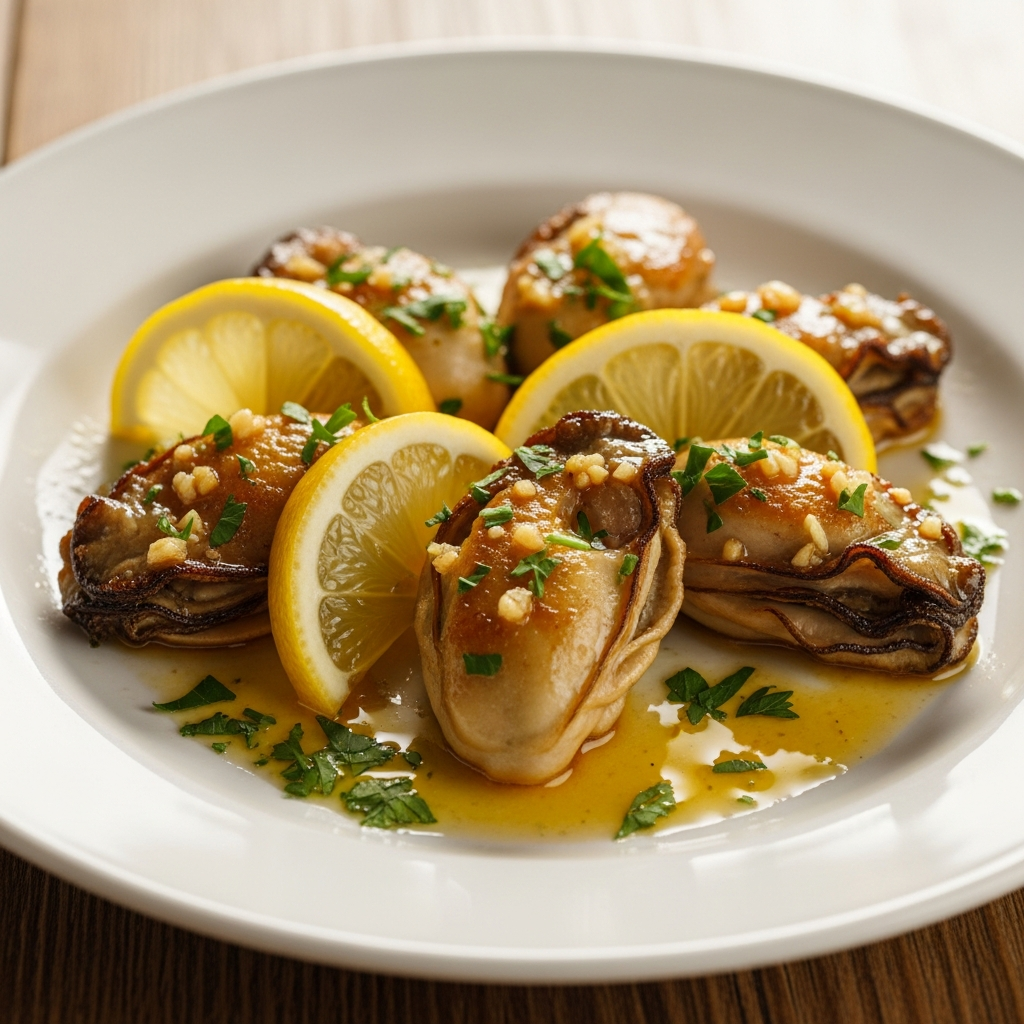
This simple preparation transforms canned or fresh oysters into an elegant, zinc-packed meal. The vitamin C from lemon enhances zinc absorption, making every bite count.
Ingredients:
- 12 medium oysters (canned, drained, or fresh shucked)
- 3 tablespoons unsalted butter
- 4 cloves garlic, minced
- 2 tablespoons fresh lemon juice
- 1 tablespoon fresh parsley, chopped
- Salt and pepper to taste
- Crusty bread for serving
Instructions:
- Pat oysters dry with paper towels. Season lightly with salt and pepper.
- Melt butter in a large skillet over medium-high heat until foaming subsides.
- Add oysters in a single layer. Cook without moving for 2-3 minutes until edges curl.
- Flip oysters and cook another 2 minutes until golden on both sides.
- Reduce heat to medium. Add garlic and cook for 30 seconds until fragrant.
- Remove from heat. Stir in lemon juice and parsley.
- Serve immediately with crusty bread to soak up the flavorful butter.
This single serving exceeds your daily zinc needs, making it perfect for catch-up days when your intake has been low.
Freezer-Friendly Slow-Cooker Beef and Vegetable Stew
This hands-off recipe is ideal for postpartum meal prep. Make a big batch, freeze portions, and enjoy nourishing meals whenever hunger strikes.
Ingredients:
- 2 pounds beef chuck, cut into 1.5-inch cubes
- 4 medium carrots, sliced into rounds
- 4 medium potatoes, cubed
- 1 large onion, diced
- 4 cloves garlic, minced
- 4 cups beef broth, low sodium
- 2 tablespoons tomato paste
- 1 teaspoon dried thyme
- 1 teaspoon dried rosemary
- 2 tablespoons olive oil
- Salt and pepper to taste
Instructions:
- Season beef cubes with salt and pepper.
- Heat olive oil in a skillet over high heat. Brown beef in batches, about 2 minutes per side. Transfer to slow cooker.
- Add carrots, potatoes, onion, and garlic to the slow cooker.
- Whisk together beef broth, tomato paste, thyme, and rosemary. Pour over beef and vegetables.
- Cover and cook on low for 6-8 hours or high for 4-5 hours.
- Taste and adjust seasoning before serving.
Meal prep tip: Cool completely before portioning into freezer-safe containers. Freeze for up to 3 months. Thaw overnight in refrigerator and reheat on stovetop or microwave.
One bowl provides over half your daily zinc needs, plus iron and B vitamins for energy.
No-Bake Honey-Roasted Pumpkin Seed Energy Bites
These grab-and-go bites are perfect for one-handed snacking during nursing sessions. The combination of pumpkin seeds, oats, and honey provides sustained energy and valuable zinc.
Ingredients:
- 1 cup raw pumpkin seeds
- 1 cup old-fashioned oats
- 1/2 cup creamy almond butter
- 1/3 cup honey
- 1/4 cup dark chocolate chips (optional)
- 1 teaspoon vanilla extract
- Pinch of sea salt
Instructions:
- Pulse pumpkin seeds in a food processor until coarsely chopped.
- Transfer to a large bowl. Add oats, chocolate chips (if using), and salt. Mix well.
- In a small saucepan, gently warm almond butter and honey until easily stirrable.
- Add vanilla to almond butter mixture, then pour over dry ingredients.
- Stir until everything is well coated and mixture holds together.
- Roll into 20 balls using about 1 tablespoon of mixture each.
- Place on parchment-lined baking sheet. Refrigerate 30 minutes until firm.
- Store in airtight container in refrigerator for up to 2 weeks.
Enjoy 2-3 bites as a snack for a quick zinc boost plus protein and healthy fats.
Maximizing Zinc Absorption While Breastfeeding
Eating zinc-rich foods is only half the equation. How your body absorbs that zinc matters just as much. Understanding a few simple strategies can help you get more from every meal.
Vitamin C Pairings That Enhance Zinc Uptake
Vitamin C improves zinc absorption when consumed together. This is why the oyster recipe includes lemon juice. Try these winning combinations:
- Beef stir-fry with bell peppers
- Pumpkin seeds with orange slices
- Oysters with a side of steamed broccoli
- Chickpeas in tomato-based dishes
These pairings make your zinc foods after giving birth work harder for your recovery.
Foods to Avoid Combining with Zinc-Rich Meals
Certain compounds can interfere with zinc absorption. Phytates, found in whole grains and legumes, bind to zinc and reduce availability. While you should not eliminate these healthy foods, consider separating them from your highest-zinc meals.
Similarly, avoid taking calcium supplements within 2 hours of zinc-rich meals, as calcium can compete for absorption. Time your multivitamin accordingly to maximize benefits from both nutrients.
Recognizing Zinc Deficiency Symptoms After Giving Birth
Knowing what to watch for helps you catch deficiency early. Many symptoms overlap with general postpartum exhaustion, making awareness especially important.
Physical Warning Signs of Low Zinc Levels
According to health experts, common signs of zinc deficiency include:
- Slow wound healing
- Frequent colds or infections
- Loss of appetite
- Diminished sense of taste or smell
- Skin issues like dryness or rashes
- White spots on fingernails
If cuts and scrapes are taking longer to close up, low zinc may be the culprit. Your immune system relies on this mineral to fight off infections and heal injuries efficiently.
Zinc and Postpartum Hair Loss Connection
Hair loss after giving birth is common, but excessive shedding may signal zinc deficiency. Zinc supports hair follicle health and protein synthesis, both essential for maintaining healthy hair. While some thinning is normal due to hormonal shifts, prolonged or severe hair loss warrants discussion with your healthcare provider about potential nutritional factors.
Weekly Zinc-Rich Postpartum Meal Plan Sample
Putting it all together, here is a practical 7-day meal plan designed to meet your 12mg daily zinc goal through delicious whole foods.
| Day | Breakfast | Lunch | Dinner | Snacks | Daily Zinc |
|---|---|---|---|---|---|
| Mon | Pumpkin seed oatmeal | Turkey sandwich | Beef stir-fry | Cheese, seeds | 14mg |
| Tue | Eggs with toast | Chickpea salad | Pan-seared oysters | Energy bites | 18mg |
| Wed | Greek yogurt parfait | Beef stew (leftover) | Salmon with quinoa | Pumpkin seeds | 12mg |
| Thu | Smoothie with seeds | Crab cakes | Ground beef tacos | Almonds | 15mg |
| Fri | Cheese omelet | Lentil soup | Beef roast | Energy bites | 13mg |
| Sat | Pumpkin seed granola | Turkey wrap | Shrimp pasta | Cheese, crackers | 11mg |
| Sun | Eggs Benedict | Beef stew | Oyster pasta | Seeds, fruit | 20mg |
This flexible plan offers variety while consistently meeting your immune support postpartum diet needs. Adjust portions based on your appetite and include your healthcare provider's recommendations.
Explore PatPat for Postpartum Essentials
While you focus on nourishing your body with zinc-rich foods, PatPat is here to support your growing family with comfortable, stylish clothing for babies, toddlers, and the whole family. Visit PatPat to discover our latest collections designed with busy parents in mind.
Frequently Asked Questions About Zinc and Postpartum Recovery
How much zinc do breastfeeding mothers need daily?
Breastfeeding mothers need 12mg of zinc daily according to the NIH. This is 50% higher than the 8mg recommended for non-lactating women because zinc transfers to breast milk and supports both maternal recovery and infant development.
What foods are highest in zinc for postpartum recovery?
The highest zinc foods for postpartum recovery are oysters (32mg per 6 oysters), beef (7mg per 3oz serving), crab (6.5mg per 3oz), pumpkin seeds (2.2mg per ounce), and chickpeas (2.5mg per cup). Animal sources provide more bioavailable zinc than plant sources.
How does zinc help with wound healing after birth?
Zinc accelerates wound healing by supporting collagen synthesis, cell proliferation, and immune function. It is essential for tissue repair after c-sections and perineal tears, helping wounds close faster and reducing infection risk.
Can I eat oysters while breastfeeding?
Yes, cooked oysters are safe and highly beneficial while breastfeeding. They are the richest food source of zinc, providing 267% of your daily value in just 6 oysters. Avoid raw oysters due to bacteria risk. Canned and smoked oysters are convenient alternatives.
What are signs of zinc deficiency after giving birth?
Signs of zinc deficiency postpartum include slow wound healing, frequent infections, hair loss, brittle nails, loss of taste or smell, skin issues, and mood changes. If you experience multiple symptoms, consult your healthcare provider for testing.
Can zinc supplements be taken while breastfeeding?
Zinc supplements are generally safe while breastfeeding when taken at recommended doses. The upper limit is 40mg daily. However, food sources are preferred for better absorption. Consult your healthcare provider before starting supplements.
Does zinc help with postpartum hair loss?
Yes, adequate zinc intake may help reduce postpartum hair loss. Zinc supports hair follicle health, protein synthesis, and hormone regulation. While some hair loss is normal postpartum, severe or prolonged loss may indicate zinc deficiency.
How can I increase zinc absorption from foods?
Increase zinc absorption by pairing zinc-rich foods with vitamin C sources like citrus and bell peppers. Choose animal-based zinc sources when possible as they are more bioavailable. Avoid taking calcium supplements within 2 hours of zinc-rich meals.
Final Thoughts on Zinc for Postpartum Recovery
Your body has accomplished something remarkable by bringing new life into the world. Now it deserves the nourishment needed to heal and thrive. Zinc postpartum recovery is not about perfection but rather about making consistent, informed food choices that support your immune system and wound healing.
Start small. Try one of the recipes in this guide. Sprinkle pumpkin seeds on your morning oatmeal. Order oysters at your next restaurant meal. Each zinc-rich choice contributes to stronger immunity and faster healing.
Remember, the 12mg daily recommendation for breastfeeding mothers exists for good reason. Your body is working hard, and zinc is one of the essential tools it needs. By prioritizing this mighty mineral through delicious foods like oysters, beef, and pumpkin seeds, you are investing in your recovery and your ability to care for your new baby.
At PatPat, we celebrate the journey of parenthood in all its beautiful, exhausting, rewarding complexity. We hope this guide helps you feel nourished and supported as you navigate postpartum life.




