


Your growing baby is building an entire skeleton from scratch, and vitamin D is the key that unlocks calcium's bone-building power. Without adequate vitamin D, your body absorbs only 10-15% of dietary calcium. With sufficient vitamin D, that absorption rate jumps to 30-40%. This makes vitamin D foods for pregnant women absolutely essential for healthy fetal development.
Here is the concerning reality: up to 40-50% of pregnant women are vitamin D deficient. Your daily requirement is at least 600 IU (15 mcg), though many women need more based on blood testing. The good news? You can boost your intake through delicious vitamin D pregnancy recipes featuring four nutritional powerhouses: salmon, eggs, mushrooms, and fortified milk.
Most pregnant women need supplements alongside food sources because reaching 600 IU daily from diet alone is challenging. Safe sun exposure also contributes to your sunshine vitamin pregnancy diet. Throughout this guide, all recipes follow pregnancy-safe preparation guidelines based on ACOG, NIH, and WHO prenatal nutrition recommendations. At PatPat, we believe that supporting your pregnancy journey includes helping you make informed nutrition choices for you and your baby.
Why Vitamin D is Essential for Pregnancy Bone Health and Baby Development
How Vitamin D Supports Calcium Absorption for Fetal Skeletal Development
Vitamin D is a fat-soluble vitamin that plays a critical role in calcium and phosphorus absorption. Think of vitamin D as the gatekeeper that determines how much calcium actually enters your body. Research from the NIH confirms that vitamin D promotes calcium absorption in the gut and maintains adequate serum calcium concentrations for normal bone mineralization.
Your baby's fetal skeleton requires approximately 30 grams of calcium by birth. During the third trimester, calcium transfer peaks at 200-300 mg daily crossing through the placenta. Without adequate vitamin D, your body simply cannot supply this calcium demand efficiently. This is why vitamin D bone health pregnancy connections are so vital.
Beyond Bones: Vitamin D's Role in Pregnancy Immune Function and Complications Prevention
Vitamin D does more than build bones. It has significant immunomodulatory effects that help regulate your immune response during pregnancy. A recent meta-analysis found that vitamin D supplementation significantly reduced the risk of preeclampsia by 44.8%. Research also links adequate vitamin D to reduced risk of gestational diabetes, preterm birth, and low birth weight.
Vitamin D receptors are present in placental tissue, supporting healthy placental function. Additionally, maintaining good vitamin D status helps protect your own bone density during pregnancy, preventing your body from pulling too much calcium from your bones.
Recognizing Vitamin D Deficiency During Pregnancy
Common symptoms of vitamin D deficiency include fatigue, muscle weakness, bone pain, and frequent illness. However, many women have no obvious symptoms. Risk factors include limited sun exposure, darker skin tones, living in northern latitudes, and winter pregnancy.
If you are concerned, ask your healthcare provider about a 25-hydroxyvitamin D blood test. Deficiency is defined as below 20 ng/mL (50 nmol/L), while insufficiency ranges from 20-29 ng/mL. Cholecalciferol (D3) is the preferred form during pregnancy because your body uses it more efficiently.
Tracking your pregnancy journey helps ensure you are meeting nutritional milestones at each stage. Use the PatPat due date calculator to understand your baby's development and adjust your vitamin D intake accordingly.
Best Vitamin D Rich Foods Safe During Pregnancy: Your Complete Nutrition Guide
Fatty Fish - The Vitamin D Powerhouse for Pregnancy
Fatty fish provide the highest natural food source of vitamin D. The FDA recommends eating 8-12 ounces of low-mercury fish per week during pregnancy, and salmon is among the safest choices.
| Fish Type | Serving Size | Vitamin D (IU) | Pregnancy Safety |
|---|---|---|---|
| Sockeye Salmon (cooked) | 3 oz | 447 IU | Safe 2-3x weekly |
| Rainbow Trout | 3 oz | 645 IU | Excellent choice, low mercury |
| Canned Salmon | 3 oz | 465 IU | Convenient, bones add calcium |
| Atlantic Salmon (cooked) | 3 oz | 383 IU | Safe 2-3x weekly |
| Sardines (canned) | 3.5 oz | 164 IU | Safe, provides omega-3s |
Egg Yolks - Accessible Vitamin D for Daily Pregnancy Meals
Eggs offer an accessible, affordable vitamin D source. The key insight is that all the vitamin D is in the yolk. Eating only egg whites provides zero vitamin D. Research shows pasture-raised eggs contain 3-4 times more vitamin D than conventional eggs because hens with outdoor sun access naturally synthesize more vitamin D.
| Egg Type | Vitamin D per Yolk | Notes |
|---|---|---|
| Conventional eggs | 40-44 IU | Basic vitamin D source |
| Pasture-raised eggs | 120-160 IU | 3-4x more vitamin D |
| Omega-3 enriched eggs | 60-80 IU | Added DHA benefits |
| Free-range eggs | 80-120 IU | Better than caged hens |
UV-Exposed Mushrooms - The Plant-Based Vitamin D Option
Mushrooms are unique because they can generate vitamin D when exposed to UV light. Research confirms mushrooms are the only non-animal, unfortified food source that can provide substantial vitamin D in a single serving. Look for packaging labeled "UV-treated" or "high vitamin D."
| Mushroom Type | Serving Size | Vitamin D (IU) |
|---|---|---|
| UV-exposed portobello | 1/2 cup | 366-750 IU |
| UV-exposed white button | 1/2 cup | 366 IU |
| Regular portobello | 1/2 cup | 4-7 IU |
DIY tip: Place regular mushrooms gill-side up in direct sunlight for 15-20 minutes to boost vitamin D content significantly.
Fortified Dairy and Alternatives - Reliable Daily Sources
Fortified milk contains 100-150 IU of vitamin D per cup according to NIH nutritional data. This provides a reliable baseline you can count on daily.
| Fortified Product | Serving | Vitamin D (IU) | Calcium Bonus |
|---|---|---|---|
| Fortified milk | 1 cup | 100-150 IU | 300 mg calcium |
| Fortified orange juice | 1 cup | 100 IU | Often calcium-fortified |
| Fortified yogurt | 6 oz | 80-120 IU | 200-300 mg calcium |
| Fortified almond/soy milk | 1 cup | 100-150 IU | Check label for calcium |

Salmon Recipes High in Vitamin D for Pregnancy: Safe and Delicious Dishes
These salmon recipes for pregnancy vitamin D maximize your intake while delivering delicious flavors. Remember to always cook salmon to an internal temperature of 145F.
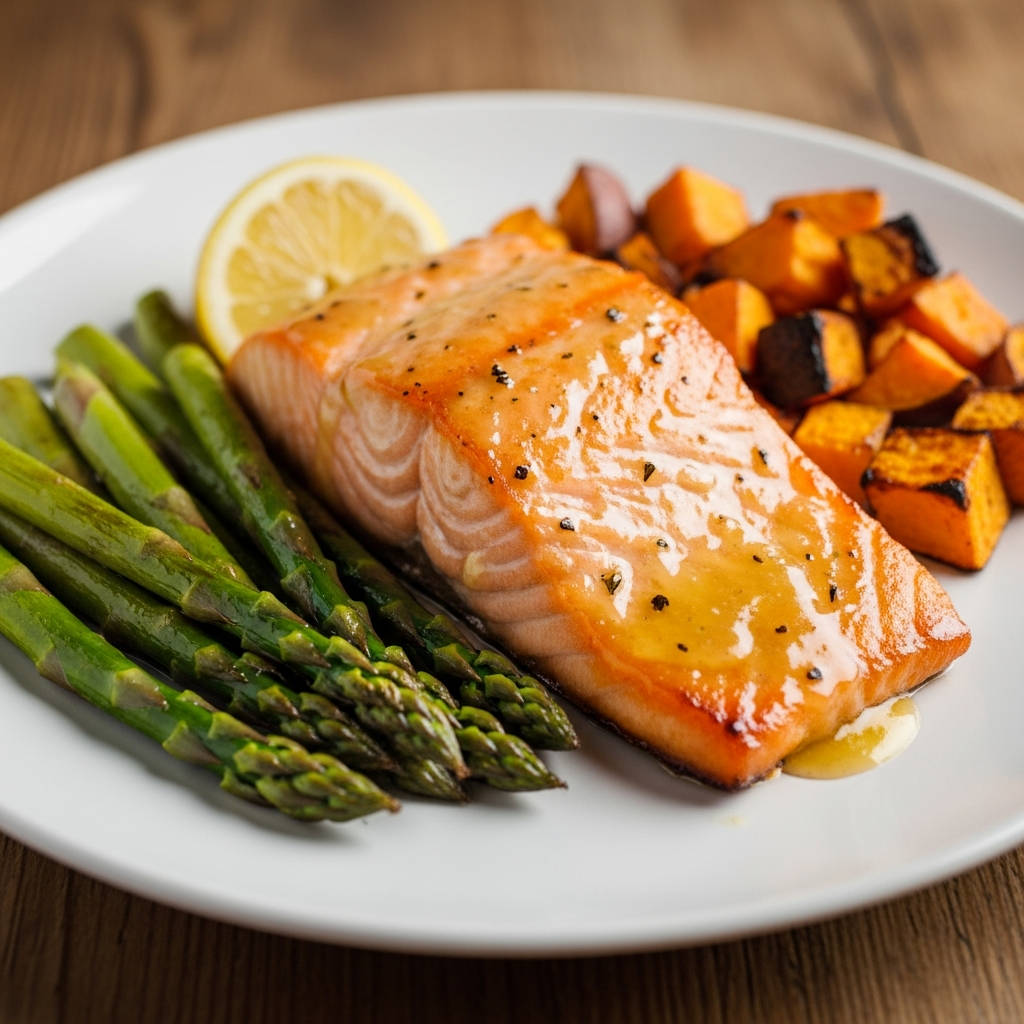
Ingredients: 4 oz salmon fillet, 2 tbsp honey, juice of 1 lemon, 2 garlic cloves minced, 2 tbsp olive oil, 1 cup asparagus, 1 medium sweet potato cubed
Instructions:
- Preheat oven to 400F. Mix honey, lemon juice, garlic, and 1 tbsp olive oil.
- Place salmon on lined baking sheet. Brush with honey-lemon glaze.
- Toss vegetables with remaining olive oil, salt, and pepper. Arrange around salmon.
- Bake 12-15 minutes until salmon reaches 145F internal temperature.
Pregnancy bonus: Omega-3 DHA for baby's brain development plus vitamin A from sweet potato.
Prep time: 25 minutes total
Ingredients: 4 oz salmon, 1/2 ripe avocado diced, 1/2 cup mango diced, 2 tbsp red onion minced, 2 tbsp cilantro, juice of 1 lime, 1 tbsp olive oil
Instructions:
- Combine avocado, mango, onion, cilantro, and lime juice for salsa. Set aside.
- Heat olive oil in skillet over medium-high heat.
- Season salmon with salt and pepper. Sear 4 minutes per side until 145F internal.
- Top salmon with fresh salsa and serve over brown rice or quinoa.
Pregnancy-friendly: Avocado provides folate and healthy fats that enhance vitamin D absorption.
Prep time: 15 minutes
Ingredients: 3 oz canned or leftover salmon, 2 eggs, 1 cup spinach, 1/2 cup cherry tomatoes halved, 2 tbsp feta cheese, 1 tbsp fresh dill, 1 tbsp olive oil
Instructions:
- Preheat oven to 375F. Heat olive oil in oven-safe skillet.
- Saute spinach until wilted. Add salmon and tomatoes.
- Whisk eggs with dill and pour over vegetables and salmon.
- Top with feta. Bake 12-15 minutes until eggs are set.
Double vitamin D: Combines salmon (350 IU) + eggs (80 IU) + dairy traces for maximum benefit.
Protein content: 28g per serving
Ingredients: 4 oz salmon, 2 oz whole wheat pasta, 2 cups spinach, 2 garlic cloves, 1/4 cup light cream, 2 tbsp parmesan, lemon zest
Instructions:
- Cook pasta according to package directions. Reserve 1/4 cup pasta water.
- Bake or pan-sear salmon until 145F. Flake into chunks.
- Saute garlic in butter, add cream and spinach. Simmer 2 minutes.
- Toss pasta with sauce, add salmon, parmesan, and lemon zest.
Comfort food: Satisfies pregnancy cravings while delivering vitamin D and iron from spinach.
Cook time: 20 minutes
Ingredients: 3 oz canned salmon (with bones), 3 tbsp Greek yogurt, 1 celery stalk diced, 1 tbsp fresh dill, juice of 1/2 lemon, 2 slices whole grain bread
Instructions:
- Drain salmon. Mash bones (soft and edible) for extra calcium.
- Mix salmon with Greek yogurt, celery, dill, and lemon juice.
- Season with salt and pepper. Spread on whole grain bread.
Why canned salmon: Soft bones provide 180mg calcium per serving. Pre-cooked and pregnancy-safe.
Storage: Keeps 2 days refrigerated
Egg Yolk Vitamin D Breakfast Recipes and Meal Ideas for Pregnant Women
Eggs provide an easy vitamin D rich breakfast option for pregnancy. Remember that pasture-raised eggs contain 3-4 times more vitamin D than conventional varieties.
Ingredients: 2 pasture-raised eggs, 2 slices fortified whole grain bread, 1/2 avocado sliced, everything bagel seasoning, 1 tbsp butter
Instructions:
- Toast bread and spread with mashed avocado.
- Melt butter in non-stick pan over medium heat.
- Crack eggs into pan. Cook until whites are completely set.
- Place eggs on avocado toast. Sprinkle with seasoning.
Safety note: Cook whites completely. Yolks can be slightly soft only with pasteurized eggs.
Healthy fats: Avocado helps vitamin D absorption.
Ingredients: 2 eggs, 1 can diced tomatoes, 1 bell pepper diced, 1/2 onion diced, 2 garlic cloves, 1 tsp cumin, 1 tsp paprika, 2 tbsp feta, crusty bread
Instructions:
- Saute onion and pepper in olive oil until soft. Add garlic, cumin, paprika.
- Pour in tomatoes. Simmer 10 minutes until thickened.
- Create two wells in sauce. Crack eggs into wells.
- Cover and cook 5-7 minutes until whites are set. Top with feta.
Iron bonus: Vitamin C from tomatoes enhances iron absorption from eggs.
Serves: 2 - perfect for sharing
Ingredients: 2 eggs, 1/2 cup UV-exposed mushrooms sliced, 1 cup spinach, 2 tbsp cheese, 1 tbsp olive oil
Instructions:
- Heat olive oil in pan. Saute mushrooms 3-4 minutes.
- Add spinach and cook until wilted.
- Pour in beaten eggs. Scramble until fully cooked.
- Top with cheese and serve immediately.
Double vitamin D: Combines eggs (80-160 IU) + UV mushrooms (183 IU) for maximum intake.
Prep time: 12 minutes
Ingredients: 6 eggs, 1/4 cup milk, 1 cup diced vegetables (bell pepper, onion, spinach), 1/2 cup cheese, herbs to taste
Instructions:
- Preheat oven to 350F. Grease 12-cup muffin tin.
- Whisk eggs with milk, salt, and pepper.
- Divide vegetables and cheese among muffin cups.
- Pour egg mixture evenly. Bake 20-22 minutes until set.
Meal prep: Make 12, eat throughout week. Freezer friendly up to 1 month.
Reheat: Microwave 45-60 seconds
UV-Exposed Mushroom Recipes for Vitamin D During Pregnancy
Understanding UV-Exposed Mushrooms and Vitamin D Content
Mushrooms convert ergosterol to vitamin D2 when exposed to UV light. While vitamin D2 is slightly less potent than D3, research shows that 2000 IU of vitamin D2 from mushrooms is as effective as the same amount of D2 or D3 from supplements at raising blood vitamin D levels.
Ingredients: 2 large UV-exposed portobello caps, 2 tbsp balsamic vinegar, 2 tbsp olive oil, 2 garlic cloves minced, 1 tsp fresh thyme
Instructions:
- Mix balsamic, olive oil, garlic, and thyme for marinade.
- Brush portobellos with marinade. Let sit 10 minutes.
- Grill 4-5 minutes per side or roast at 400F for 15 minutes.
- Drizzle with extra balsamic and serve with quinoa.
Meat-like texture: Satisfying for plant-forward meals without sacrificing protein or vitamin D.
Ingredients: 1 cup UV-exposed mushrooms sliced, 2 cups spinach, 2 garlic cloves, 2 oz whole wheat pasta, 1/4 cup light cream, 2 tbsp parmesan
Instructions:
- Cook pasta. Reserve 1/4 cup pasta water.
- Saute mushrooms in butter until golden, about 5 minutes.
- Add garlic and spinach. Cook until wilted.
- Stir in cream and parmesan. Toss with pasta and pasta water.
Add protein: Optional grilled chicken or salmon for extra vitamin D.
Prep time: 25 minutes
Ingredients: 1 cup mixed UV-exposed mushrooms, 2 eggs, 1 cup bok choy, 2 garlic cloves, 1 tsp ginger, 2 tbsp low-sodium soy sauce, 1 tsp sesame oil
Instructions:
- Scramble eggs in sesame oil. Set aside.
- Stir-fry mushrooms, bok choy, garlic, and ginger 3-4 minutes.
- Add soy sauce. Return eggs to pan and toss.
- Serve over brown rice or rice noodles.
Quick cooking: 15 minutes start to finish. Satisfies savory pregnancy cravings.
Ingredients: 2 UV-exposed portobello caps, 1/2 cup ricotta cheese, 1/4 cup mozzarella shredded, 2 tbsp sun-dried tomatoes chopped, 2 tbsp fresh basil, 1 garlic clove minced
Instructions:
- Preheat oven to 375F. Remove mushroom stems and scrape gills.
- Mix ricotta, garlic, sun-dried tomatoes, and basil.
- Fill mushroom caps with ricotta mixture. Top with mozzarella.
- Bake 20-25 minutes until cheese is bubbly and golden.
Calcium bonus: Ricotta adds 170mg calcium per serving. Low-carb option.
Fortified Milk Smoothies and Dairy Recipes for Pregnancy Vitamin D
Fortified milk smoothie recipes for pregnancy provide a reliable vitamin D baseline. These are especially helpful when morning sickness makes solid foods difficult.
Ingredients: 1 cup fortified milk, 1/2 cup fortified orange juice, 1/2 cup mango chunks, 1 banana, 1/4 cup Greek yogurt
Instructions:
- Add all ingredients to blender.
- Blend until smooth, about 30 seconds.
- Pour into glass and enjoy immediately.
Morning sickness friendly: Cold, refreshing, easy to consume when solid food is difficult.
Boost option: Add 1 tbsp ground flaxseed for omega-3s.
Ingredients: 1.5 cups fortified milk, 1 cup mixed berries, 1 cup spinach, 1 tbsp honey, 1/2 tsp vanilla extract
Instructions:
- Add spinach and milk to blender. Blend until smooth.
- Add berries, honey, and vanilla. Blend again.
- Add ice if desired for thicker consistency.
Hidden greens: Spinach adds iron and folate without affecting taste.
Texture tip: Frozen berries create thicker smoothie.
Ingredients: 1.5 cups fortified chocolate milk, 2 tbsp natural peanut butter, 1 banana, 1/2 cup ice
Instructions:
- Add all ingredients to blender.
- Blend until smooth and creamy.
- Pour and enjoy as snack or energy boost.
Craving satisfier: Sweet, indulgent, yet nutritious with 18g protein.
Energy boost: Great for afternoon pregnancy fatigue.
Ingredients: 1 cup fortified milk, 1 tsp turmeric, 1/2 tsp ginger, 1/4 tsp cinnamon, 1 tbsp honey, pinch black pepper
Instructions:
- Heat milk in saucepan over medium heat.
- Whisk in turmeric, ginger, cinnamon, and black pepper.
- Simmer 5 minutes (do not boil). Stir in honey.
- Pour into mug and enjoy warm.
Black pepper importance: Increases turmeric absorption by 2000%.
Evening beverage: Warm, soothing for bedtime routine.
Vitamin D Supplements During Pregnancy: When Food Sources Are Not Enough
Why Most Pregnant Women Need Vitamin D Supplements
Even with an optimal diet, reaching 600+ IU daily from food alone is challenging. ACOG states that pregnant women need 600 international units of vitamin D daily, yet most prenatal vitamins contain only 400 IU.
Modern lifestyles with indoor work, sunscreen use, and seasonal factors limit natural vitamin D production. Some research suggests 1,000-4,000 IU may be optimal during pregnancy, especially for women starting with low levels. Ask your healthcare provider about testing your 25-hydroxyvitamin D blood levels.
Vitamin D3 vs D2: Which Form is Best for Pregnancy?
- Vitamin D3 (cholecalciferol): Animal-derived, more effective at raising blood levels. Most prenatal vitamins contain D3.
- Vitamin D2 (ergocalciferol): Plant-derived from mushrooms, vegan-friendly but requires higher doses for equivalent effect.
Research consensus shows D3 is approximately 87% more effective than D2 at raising serum vitamin D levels. For vegan women, D3 from lichen is available as an animal-free option.
Safe Vitamin D Dosage Guidelines During Pregnancy
| Organization | Daily Recommendation | Upper Limit |
|---|---|---|
| NIH/IOM | 600 IU (15 mcg) | 4,000 IU (100 mcg) |
| ACOG | 600 IU minimum | 4,000 IU |
| Endocrine Society | 600-2,000 IU | 4,000 IU |
Maximizing Vitamin D from Food Plus Supplements
The best strategy is using food sources to boost your base intake while supplements fill the gaps. Take vitamin D with a meal containing fat for better absorption. Keep a rough daily log of major vitamin D foods and avoid doubling supplements unless advised by your provider.
Understanding your pregnancy timeline helps you plan nutritional needs for each stage. Use the PatPat due date calculator to track your progress and ensure you are meeting vitamin D requirements throughout your pregnancy journey.
Safe Sun Exposure for Vitamin D During Pregnancy: Benefits and Precautions
How Sunlight Produces Vitamin D in Your Body
UVB rays convert 7-dehydrocholesterol in your skin to vitamin D3. Brief midday sun exposure can be remarkably efficient. However, window glass does NOT allow UVB to pass, so indoor sun exposure does not count toward vitamin D production.
Safe Sun Exposure Guidelines for Pregnant Women
- Recommended exposure: 5-10 minutes of direct sunlight, 2-3 times per week
- Best timing: Midday (10am-3pm) when UVB rays are strongest
- Body areas: Face, arms, and legs. Larger exposed area equals more vitamin D
- Seasonal note: Winter sun in northern latitudes may not produce adequate vitamin D
Balancing Vitamin D and Skin Safety During Pregnancy
Pregnancy hormones increase skin sensitivity and melasma risk. Start with 5 minutes to avoid burns. After your brief unprotected exposure, apply SPF 30+ sunscreen. Mineral sunscreens with zinc oxide and titanium dioxide are considered safest during pregnancy. Some chemical sunscreen ingredients like oxybenzone may have hormonal concerns.
When Sun Exposure May Not Be Sufficient
Relying on sun alone is rarely enough. Northern latitudes, darker skin tones, air pollution, and indoor lifestyles all reduce vitamin D production. During low-sun periods, food sources and supplements become even more important for your sunshine vitamin pregnancy diet.
Frequently Asked Questions About Vitamin D Foods and Pregnancy
Pregnant women need at least 600 IU (15 mcg) of vitamin D daily according to NIH and ACOG guidelines. Many healthcare providers recommend 1,000-2,000 IU for women with deficiency. The safe upper limit is 4,000 IU daily. Most women need a combination of food sources and prenatal vitamins since getting 600 IU from food alone is challenging.
Foods highest in vitamin D safe for pregnancy include rainbow trout (645 IU per 3 oz), sockeye salmon (447 IU per 3 oz), UV-exposed mushrooms (366-750 IU per 1/2 cup), fortified milk (100-150 IU per cup), and pasture-raised egg yolks (120-160 IU each). Pasture-raised eggs contain 3-4 times more vitamin D than conventional eggs.
Most pregnant women cannot get sufficient vitamin D from food alone. Reaching 600 IU daily would require eating approximately 1.5 servings of salmon or drinking 4-6 cups of fortified milk every day. For this reason, prenatal vitamins containing vitamin D and sometimes additional supplementation are recommended, especially for those with deficiency.
Yes, salmon is one of the safest and best vitamin D sources during pregnancy. The FDA recommends 8-12 ounces of low-mercury fish weekly, and salmon is among the lowest-mercury options. Always cook salmon to 145F internal temperature. Avoid raw salmon (sushi), cold-smoked salmon (lox), and never exceed weekly fish recommendations.
UV-exposed mushrooms are an excellent plant-based vitamin D source, providing 366-750 IU per half cup. Regular mushrooms contain minimal vitamin D unless UV-treated. Look for packaging labeled "UV-treated" or "high vitamin D." You can boost vitamin D by placing regular mushrooms gill-side up in sunlight for 15-20 minutes. Always cook mushrooms thoroughly during pregnancy.
Brief sun exposure of 5-10 minutes on face and arms, 2-3 times weekly around midday, can help boost vitamin D levels. However, pregnancy increases skin sensitivity, so avoid sunburn. Apply mineral-based sunscreen after brief exposure. Sun exposure alone is usually insufficient, especially in winter or northern latitudes.
Vitamin D deficiency during pregnancy is associated with increased risks of preeclampsia (44.8% higher risk), gestational diabetes, preterm birth, low birth weight, and cesarean delivery. For babies, maternal deficiency may affect bone development and is linked to rickets and impaired immune function. Up to 40-50% of pregnant women are deficient.
Vitamin D3 (cholecalciferol) is generally preferred as it is approximately 87% more effective at raising blood vitamin D levels than D2. Most prenatal vitamins contain D3. However, D2 from UV-exposed mushrooms or supplements is a suitable vegan option. If using D2, slightly higher doses may be needed. Always consult your healthcare provider.
Conclusion: Building Strong Bones with Vitamin D Pregnancy Recipes
Vitamin D plays a dual role during pregnancy: it enables calcium absorption for your baby's developing skeleton while supporting immune health for both of you. By incorporating vitamin D foods for pregnant women into your daily meals, you are investing in your baby's bone strength from the very beginning.
Remember these key takeaways from your sunshine vitamin pregnancy diet:
- Salmon provides the highest vitamin D per serving (400-645 IU) and is safe 2-3 times weekly
- Pasture-raised eggs offer daily convenience with 3-4 times more vitamin D than conventional
- UV-exposed mushrooms deliver substantial vitamin D as a plant-based option
- Fortified milk provides a reliable 100-150 IU baseline per cup
Your daily target is at least 600 IU from food plus supplements combined. Most pregnant women need prenatal vitamins with vitamin D, and some need additional supplementation based on blood levels. Safe sun exposure helps, but is not sufficient alone. Always cook salmon to 145F, mushrooms thoroughly, and eggs until whites are set.
Each vitamin D-rich meal you prepare supports your baby's developing skeleton and your shared immune health. Start incorporating 1-2 of these vitamin D pregnancy recipes this week and discuss supplementation needs with your healthcare provider.
At PatPat, we support your pregnancy journey with helpful tools and resources. Explore our due date calculator to track your progress and discover more nutrition guidance for every stage of pregnancy.




