


This article is for informational purposes only and does not replace medical advice. Consult your healthcare provider for personalized postpartum care.
You just brought a beautiful new life into the world. So why does something as basic as going to the bathroom feel like the scariest part of recovery? If you are dreading that first postpartum bowel movement—or if you have been waiting days for one that still has not arrived—you are far from alone. Research shows that up to 52% of postpartum women experience constipation, making it one of the most common recovery challenges after birth. The good news? The right postpartum constipation foods can make a real difference—often faster than you might expect. In this guide from PatPat, you will find high fiber recipes for postpartum constipation, breastfeeding-safe smoothies, nourishing soups, and a practical food plan for those first nerve-wracking days. Every recipe here is designed for the reality of new parenthood: minimal prep, maximum relief, and natural constipation relief postpartum without unnecessary medications.
Why Postpartum Constipation Happens and How the Right Foods Fix It
Understanding what causes constipation after giving birth helps you target it more effectively with food. It is not just one thing going wrong—it is a perfect storm of factors hitting your body all at once.
The Role of Hormones, Pain Medication, and Dehydration
During pregnancy, elevated progesterone relaxes smooth muscle throughout your body, including your intestinal walls. After delivery, those hormone levels drop sharply, but your gut does not bounce back immediately. The colon can take days or even weeks to resume normal peristalsis.
If you had a c-section or perineal repair, opioid pain medications compound the problem dramatically. Opioid-induced constipation affects 41% to 81% of patients taking these medications, because opioids bind to receptors in the gut wall that slow intestinal contractions and increase water absorption from stool. Add iron supplements from prenatal vitamins—another well-known constipation trigger—and you can see why your digestive system is struggling.
Dehydration is the final piece. Between blood loss during delivery, sweating, and the fluid demands of breastfeeding, many new moms are unknowingly dehydrated. And without adequate water, even a fiber-rich diet cannot do its job.
How Dietary Fiber and Hydration Restore Bowel Regularity
Fiber foods after giving birth work through two mechanisms. Soluble fiber (found in oats, chia seeds, and beans) absorbs water to form a gel-like substance that softens stool. Insoluble fiber (found in bran, leafy greens, and fruit skins) adds bulk and physically stimulates the colon walls to contract.
The American College of Obstetricians and Gynecologists recommends a high-fiber diet as a first-line approach for constipation, with a daily target of 25 to 30 grams. Increase gradually over several days to avoid gas and bloating, and always pair fiber with at least 10 to 12 cups of fluids daily—more if you are breastfeeding.
What to Eat Before Your First Bowel Movement After Birth
Let us address the elephant in the room. The first postpartum bowel movement is one of the most commonly shared anxieties among new moms. Whether you are worried about stitches, hemorrhoids, or simply the discomfort, what you eat in those first 24 to 48 hours makes a significant difference. Here is a practical food plan to get things moving gently.
A Comforting Food Plan for the First 48 Hours
- Warm water with lemon or herbal tea upon waking—warm liquids trigger the gastrocolic reflex, your body's natural signal that starts colon contractions
- Oatmeal with sliced pear and ground flaxseed for breakfast
- 5–6 prunes or a small glass of prune juice with each meal
- 2 kiwi fruits throughout the day
- Lentil or vegetable soup for lunch and dinner
- Chia seed pudding or yogurt as a snack
- 10+ cups of water or fluids throughout the day
- Short, gentle walks between meals to stimulate bowel function
Why Prunes, Kiwi, and Warm Liquids Work Fastest
Prunes are not just an old wives' tale. A randomized, placebo-controlled trial found that prune intake significantly decreased hard and lumpy stools while increasing normal stool consistency. Prunes contain sorbitol—a natural osmotic laxative—plus fiber and polyphenols that stimulate intestinal contractions. Just five prunes deliver about 3 grams of fiber and meaningful amounts of sorbitol.
Kiwi fruit is equally impressive. A randomized clinical trial showed that two gold kiwifruit daily decreased straining and increased bowel frequency in adults with constipation. The unique actinidin enzyme in kiwi aids protein digestion while its fiber has exceptional water-holding capacity.
Here is a reassuring note about stitches: soft stool from fiber-rich foods will not damage perineal stitches or worsen hemorrhoids. In fact, straining from hard stool is the real risk.
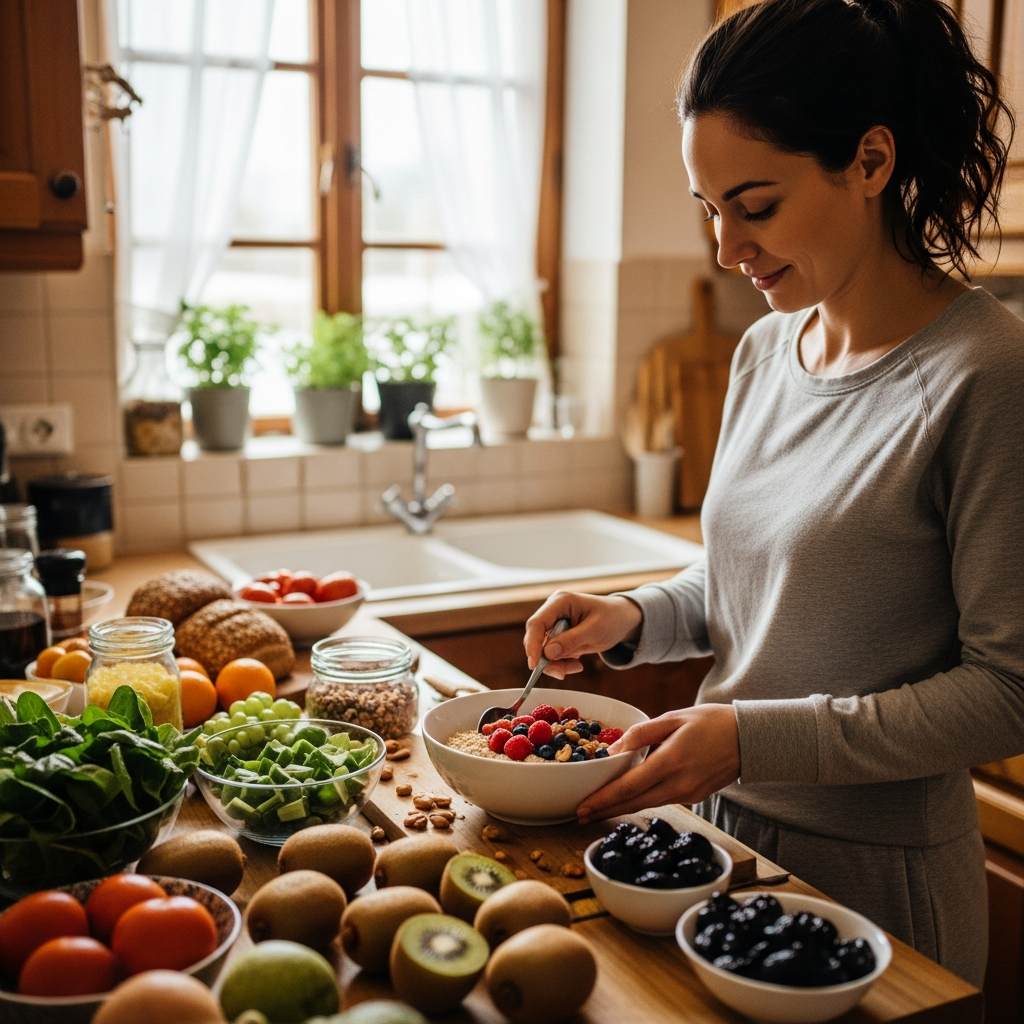
High-Fiber Postpartum Smoothie Recipes for Constipation Relief
Smoothies are the perfect postpartum constipation relief tool. They take under five minutes to prepare, you can drink them one-handed while nursing, and they can pack 9 to 11 grams of fiber per serving. All three recipes below are breastfeeding-safe.
Prune and Chia Seed Constipation Relief Smoothie
- 6 pitted prunes
- 1 tablespoon chia seeds (soaked 10 minutes)
- 1 ripe banana
- 1 cup unsweetened almond milk
- 1 tablespoon almond butter
- ½ teaspoon cinnamon
Fiber per serving: ~10 grams | Prep time: 5 minutes
The prune sorbitol draws water into the colon while chia seeds absorb 10 to 12 times their weight in liquid, forming a hydrating gel that lubricates stool passage. Optional add-in: 1 tablespoon ground flaxseed for extra omega-3s.
Berry Flaxseed Fiber Boost Smoothie
- 1 cup frozen mixed berries (raspberries, blueberries, strawberries)
- 2 tablespoons ground flaxseed
- 1 handful baby spinach
- ¾ cup plain Greek yogurt
- ¾ cup water or coconut water
- 1 tablespoon honey (optional)
Fiber per serving: ~9 grams | Prep time: 3 minutes
Raspberries alone deliver 8 grams of fiber per cup—one of the highest-fiber fruits available. Flaxseed adds gentle bulk, while spinach provides magnesium, which relaxes intestinal smooth muscle. This smoothie also supports postpartum mood through omega-3 fatty acids.
Green Pear and Ginger Digestive Smoothie
- 1 ripe pear (skin on, cored)
- ½ ripe avocado
- ½ inch fresh ginger root (peeled)
- 1 cup fresh spinach
- 1 cup coconut water
- 1 tablespoon hemp seeds
Fiber per serving: ~11 grams | Prep time: 4 minutes
Pear skin contains concentrated insoluble fiber, and ginger root has been shown in studies to accelerate gastric emptying. This is the highest-fiber smoothie in the collection. Bonus: ginger also helps with nausea from pain medication.
Smoothie Comparison at a Glance
| Smoothie | Fiber | Prep Time | Key Ingredient | Best For |
|---|---|---|---|---|
| Prune and Chia Seed | 10g | 5 min | Prunes (sorbitol) | Acute relief |
| Berry Flaxseed Boost | 9g | 3 min | Raspberries + flaxseed | Daily maintenance |
| Green Pear and Ginger | 11g | 4 min | Pear + ginger | Maximum fiber + nausea relief |
Freezer tip: Pre-portion smoothie ingredients into freezer bags for grab-and-blend convenience. Label each bag with the recipe name and add liquid when blending.
Easy High-Fiber Breakfast Recipes That Prevent Postpartum Constipation
Breakfast matters most for postpartum bowel regularity because the gastrocolic reflex—that natural urge to go—is strongest after the overnight fast. These high fiber breakfast ideas for new moms can all be prepared the night before, which is essential when you are sleep-deprived.
Overnight Oats with Prunes, Flaxseed, and Warm Spices
- ½ cup rolled oats
- 1 tablespoon ground flaxseed
- 4 chopped prunes
- ½ teaspoon cinnamon, pinch of cardamom
- ¾ cup milk of choice
- 1 tablespoon maple syrup (optional)
Fiber per serving: ~8 grams | Prep time: 3 minutes the night before
Combine in a jar, refrigerate overnight, eat cold or warm in the microwave. Oat beta-glucan creates a viscous gel that softens stool, while flaxseed mucilage adds lubrication. Make five jars on Sunday night for an entire week of zero-effort mornings.
Chia Seed Pudding for Postpartum Digestion
- 3 tablespoons chia seeds
- 1 cup full-fat coconut milk
- ½ teaspoon vanilla extract
- ½ cup mixed berries (topping)
- 1 tablespoon shredded coconut and chopped walnuts (topping)
Fiber per serving: ~12 grams | Prep time: 2 minutes the night before
This is your highest-fiber breakfast option. Chia seeds are a prebiotic that feeds beneficial gut bacteria, supporting postpartum microbiome recovery. The combination of fiber and fluid in one dish addresses the two things constipated bowels need most.
Whole Grain Bran Muffins with Pear and Walnuts
- 1 cup wheat bran, 1 cup whole wheat flour
- 1 teaspoon baking soda, ½ teaspoon cinnamon
- 1 ripe pear (diced), ⅓ cup chopped walnuts
- 1 egg, ½ cup plain yogurt, ¼ cup honey, 2 tablespoons melted coconut oil
Fiber per muffin: ~5 grams | Yield: 12 muffins | Bake: 375°F, 18–20 minutes
Wheat bran is almost pure insoluble fiber, which physically stimulates colon walls to trigger peristaltic contractions—a different mechanism from the soluble fiber in oats and chia. Freeze in bags of three for a grab-and-eat fiber boost any morning.

Nourishing Postpartum Soups and Warm Meals for Digestive Healing
Warm, cooked foods are recommended across multiple cultural postpartum traditions for good reason. Warmth relaxes the digestive tract, cooked vegetables are easier to digest than raw, and soups provide hydration built right into the meal. These easy postpartum meals that help with constipation are designed for batch cooking.
High-Fiber Lentil and Root Vegetable Soup
- 1.5 cups dried mixed lentils
- 1 large sweet potato (diced), 2 carrots, 2 celery stalks, 1 onion, 3 cloves garlic
- 1 teaspoon cumin, ½ teaspoon turmeric
- 6 cups low-sodium vegetable broth, juice of 1 lemon
Fiber per serving (1.5 cups): ~14 grams | Yield: 6 servings | Total time: 30 minutes
Sauté aromatics in olive oil, add lentils and broth, simmer 25–30 minutes. Turmeric adds anti-inflammatory benefits that support perineal and c-section incision healing. This recipe aligns with Ayurvedic postpartum nutrition principles that emphasize warm, spiced, easily digestible foods. Freezer-friendly for up to 3 months.
Chickpea and Sweet Potato Stew with Warming Spices
- 2 cans (15 oz each) chickpeas, drained
- 2 sweet potatoes (cubed), 4 cups fresh spinach
- 1 can (14 oz) coconut milk, 4 cups broth
- 1 onion, 3 cloves garlic, 1 tablespoon fresh ginger, 1 teaspoon garam masala
Fiber per serving (1.5 cups): ~13 grams | Yield: 6 servings
Chickpeas are one of the highest-fiber legumes available. The coconut milk base provides healthy fats that support breastmilk production and caloric needs. Inspired by Indian postpartum nutrition traditions, the ginger and warming spices promote digestive comfort.
Constipation Relief After a C-Section: A Food-Based Recovery Plan
If you delivered by cesarean, constipation is often more severe and longer-lasting. General anesthesia, opioid pain medication, reduced mobility, and abdominal surgery all conspire to slow your gut to a near standstill. Your core muscles cannot assist with bearing down, so stool must be as soft as possible.
Post-C-Section Dietary Progression
| Phase | Timeline | What to Eat | Goal |
|---|---|---|---|
| Phase 1 | Day 0–1 | Clear liquids: warm broth, herbal tea, diluted prune juice | Wake up the gut gently |
| Phase 2 | Day 1–2 | Soft foods: prune smoothie, chia pudding, mashed banana, yogurt | Introduce gentle fiber |
| Phase 3 | Day 2–4 | Regular soft foods: lentil soup, oatmeal, cooked vegetables | Build toward 25g fiber daily |
| Phase 4 | Day 4+ | Full postpartum diet: all recipes in this article | Maintain bowel regularity |
Managing Opioid-Induced Constipation with Food
Counter-strategies through diet include increasing fluid intake to 12+ cups daily, eating sorbitol-rich foods (prunes, pears, kiwi) with each dose of pain medication, and adding ground flaxseed to every meal. Magnesium-rich foods also help: dark leafy greens, pumpkin seeds, avocado, and dark chocolate all act as natural muscle relaxants for the intestinal wall. Transition off opioids to acetaminophen or ibuprofen as soon as your doctor approves, since these alternatives do not cause constipation.
Counterintuitive insight: many c-section moms avoid eating much in those first days because they fear gas pain. However, eating small, frequent, fiber-rich meals actually resolves gas faster than an empty stomach, because food activates the normal muscular contractions that move trapped gas through the intestines.
Breastfeeding-Safe Constipation Relief: What to Eat and What to Watch
If you are nursing, you may be wondering whether foods for constipation while breastfeeding are safe for your baby. The reassuring answer is yes—every recipe in this article is breastfeeding-safe. But here are some important nuances.
Foods That Relieve Constipation and Support Milk Supply Simultaneously
Several fiber-rich foods double as galactagogues—foods traditionally believed to support milk production:
- Oats: The most commonly cited galactagogue is also a top source of soluble fiber
- Ground flaxseed: Phytoestrogens may support lactation while fiber and omega-3s ease constipation
- Fennel tea: Used across cultures to boost milk supply and calm digestive discomfort in both mother and baby
Hydration strategy for nursing moms: Keep a large water bottle at every nursing station and drink a full glass each time your baby latches. Nursing mothers need about 16 cups of water daily to compensate for the extra fluid used to produce breastmilk.
What to Avoid While Breastfeeding
- Senna: A stimulant laxative that can pass into breastmilk, causing diarrhea in infants—avoid
- Cascara sagrada: Another stimulant laxative not recommended while nursing
- High-dose aloe vera juice: Anthraquinones may enter breastmilk
- Safe confirmed options: Psyllium husk, ground flaxseed, chia seeds, prune juice, and docusate sodium (Colace)
When Postpartum Constipation Needs Medical Attention
Most postpartum constipation resolves within one to two weeks with dietary changes. However, you should contact your healthcare provider if you experience any of these warning signs:
- No bowel movement for 4 or more days despite dietary changes and hydration
- Severe abdominal pain, distension, or worsening bloating
- Blood in stool beyond what is expected from hemorrhoids, or black tarry stools
- Vomiting combined with inability to pass stool
- Fever along with constipation
- Constipation persisting beyond 6 weeks despite consistent dietary intervention
Seeking medical help for constipation is normal, and nothing to feel embarrassed about. Your provider may recommend a stool softener like docusate sodium, which is considered safe while breastfeeding.
Foods That Make Postpartum Constipation Worse
| Foods to Limit | Why They Worsen Constipation | Better Swap |
|---|---|---|
| White bread, white pasta, white rice | Refined grains stripped of fiber | Whole grain versions |
| Excessive cheese and ice cream | Casein protein can slow gut motility | Moderate portions; add fruit |
| Chips, crackers, processed snacks | Low fiber, high sodium, dehydrating | Nuts, trail mix, whole grain crackers |
| Unripe (green) bananas | Resistant starch worsens constipation | Ripe bananas with brown spots |
Frequently Asked Questions About Postpartum Constipation Relief
How long does postpartum constipation usually last?
Most cases resolve within 3 to 6 days with a high-fiber diet and adequate hydration. After c-sections or with opioid pain medication, it can persist for several weeks. Constipation lasting beyond 6 weeks warrants a conversation with your healthcare provider.
What is a natural stool softener I can use postpartum?
Prune juice is the most effective natural stool softener. The sorbitol in prunes draws water into the colon and softens stool. Drink 4–6 oz with each meal. Chia seeds soaked in water, ground flaxseed in oatmeal, and two kiwi fruits daily are also clinically supported options for natural constipation relief postpartum.
Can iron supplements cause constipation after pregnancy?
Yes. Ferrous sulfate, the most commonly prescribed form, is particularly constipating. Ask your doctor about ferrous bisglycinate, which causes significantly fewer digestive issues. You can also boost iron intake through lentils, spinach, and fortified cereals that deliver fiber alongside iron.
What should I eat after a c-section to help with constipation?
Start with clear warm liquids on day one, progress to smoothies and chia pudding on day two, then introduce lentil soup and oatmeal by day three. Prioritize prunes and kiwi because opioid pain medication causes more severe constipation than vaginal delivery recovery alone.
Will fiber-rich foods affect my breastfed baby?
High-fiber foods are safe while breastfeeding. In rare cases, beans or large quantities of prunes may cause temporary gassiness in your baby. If you notice fussiness, eliminate one food at a time. Oats, chia seeds, pears, and berries rarely cause issues in breastfed infants.
Your Postpartum Digestion Deserves Attention Too
Postpartum constipation is one of the most universal experiences of new motherhood—and it is temporary. The fiber foods after giving birth and recipes in this guide give you a proven, natural, breastfeeding-safe path to relief without relying solely on medication. Start with one smoothie recipe or a jar of overnight oats tonight, and gradually build your fiber intake to 25–30 grams daily over the next few days. Remember: fiber only works when paired with adequate fluids, so keep that water bottle close.
The freezer-friendly soups and make-ahead breakfasts here are designed for the reality of sleep-deprived new parenthood. You do not need to be a chef—you just need a blender, a few jars, and a willingness to prioritize your own recovery alongside your baby's needs. If constipation persists beyond two weeks despite dietary changes, reach out to your healthcare provider. There is no need to suffer in silence. Taking care of your digestion is taking care of yourself, and PatPat is here to support you through every stage of your parenting journey. You deserve to feel comfortable in your body during this incredible recovery period.
Additional Resources:





