


Did you know that up to 50% of women experience iron deficiency after giving birth? If you are feeling exhausted beyond normal new-mom tiredness, struggling to focus, or noticing your hair falling out in clumps, depleted iron stores might be the culprit.
The good news? You can rebuild iron after giving birth through delicious, satisfying meals that support your recovery while fitting into your busy schedule as a new mother. These iron-rich postpartum recipes combine nutrient-dense ingredients with practical cooking techniques that any sleep-deprived parent can manage.
At PatPat, we understand the challenges of postpartum recovery. This comprehensive guide provides 12 expert-approved recipes specifically designed for postpartum anemia recovery foods, complete with vitamin C pairings to maximize iron absorption. Whether you had a vaginal delivery or cesarean section, these meals will help restore your energy and support your healing journey.
Why Postpartum Iron Deficiency Affects Up to Half of New Mothers
Postpartum iron deficiency occurs so frequently because childbirth involves significant blood loss regardless of delivery method. During a vaginal delivery, women lose approximately 500ml of blood on average, while cesarean sections result in approximately 1000ml of blood loss. This substantial fluid loss depletes your iron reserves that were already stretched thin during pregnancy.
Your body worked hard during those nine months to support your growing baby, often prioritizing fetal development over maintaining your own iron stores. Combined with delivery-related blood loss, many new mothers enter the postpartum period with severely depleted reserves.
Consider Sarah, a first-time mother who assumed her constant exhaustion was simply part of new parenthood. After six weeks of struggling to get through each day, she mentioned her symptoms to her midwife. Blood tests revealed her hemoglobin had dropped significantly. Within three weeks of focusing on iron-rich postpartum recipes and taking a prescribed supplement, she noticed a remarkable improvement in her energy levels. Her story illustrates why addressing iron deficiency early makes such a difference.
Health Consequences of Untreated Iron Deficiency
Iron deficiency after childbirth extends far beyond simple fatigue. Research indicates that mothers with iron deficiency are three times more likely to experience postpartum depression. The connection makes biological sense since iron plays a crucial role in neurotransmitter production and brain function.
Additional symptoms of postpartum iron deficiency include:
- Extreme fatigue that does not improve with rest
- Shortness of breath during light activities
- Difficulty concentrating or "brain fog"
- Pale skin, especially noticeable in nail beds and gums
- Increased susceptibility to infections
- Hair loss beyond normal postpartum shedding
- Cold hands and feet
Postpartum hemorrhage recovery requires even more focused attention to iron intake. Women who experienced excessive bleeding during delivery face higher risks of severe anemia and may need both dietary interventions and supplementation under medical supervision.
Iron Requirements for Breastfeeding Mothers: Meeting the 9mg Daily Goal
Here is something that might surprise you: the recommended dietary allowance for iron during breastfeeding is 9mg per day, which is actually lower than the 18mg recommended for non-pregnant, non-lactating women. This lower recommendation exists because breastfeeding typically delays menstruation, reducing monthly iron losses.
However, this number assumes you are starting from adequate iron stores, which many postpartum women are not. If you enter the postpartum period with depleted reserves, your actual needs may be significantly higher. Many healthcare providers recommend continuing a prenatal supplement containing iron for several weeks after delivery, especially for women who experienced significant blood loss or who had low iron levels during pregnancy.
Interestingly, breastfeeding itself does not significantly drain your iron reserves. Your body transfers only about 0.3mg of iron daily to breast milk, which is far less than what you would lose through menstruation. This is one reason the postpartum iron requirement is lower than for menstruating women.
Understanding Heme vs. Non-Heme Iron
| Iron Type | Sources | Absorption Rate | Best For |
|---|---|---|---|
| Heme Iron | Red meat, poultry, fish | 15-35% | Rapid iron replenishment |
| Non-Heme Iron | Spinach, lentils, fortified cereals | 2-20% | Sustained daily intake |
Understanding this distinction matters because it affects how you plan your postpartum meals. While animal sources provide more readily absorbed iron, plant sources still contribute significantly to your daily intake when consumed with absorption enhancers.
The Vitamin C Absorption Secret: Boosting Iron Uptake
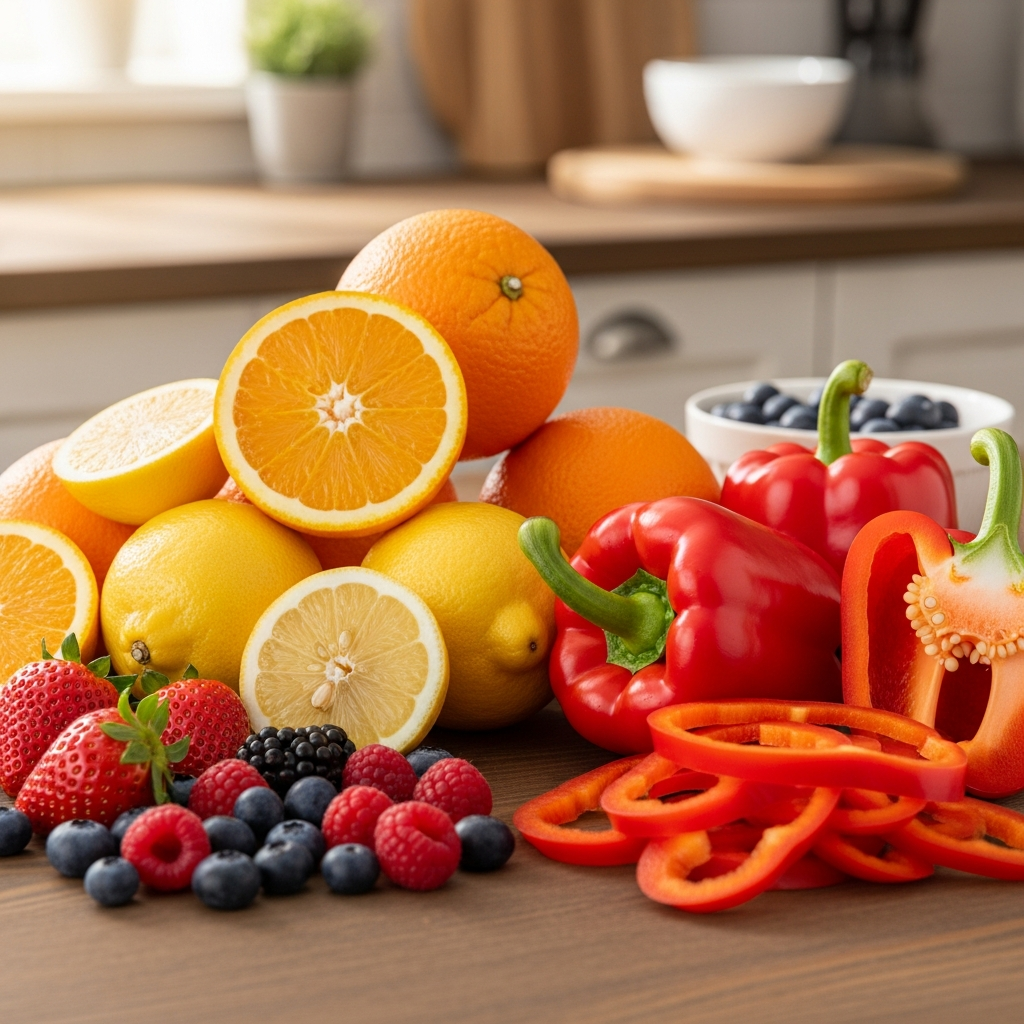
Here is a game-changer for your iron-rich postpartum recipes: vitamin C dramatically increases iron absorption, particularly from plant sources. Research shows that consuming 500mg of vitamin C with your meal can increase iron absorption up to six-fold.
Simple ways to boost absorption include:
- Squeezing lemon juice over spinach dishes
- Adding bell peppers to lentil soups
- Drinking orange juice with fortified cereal
- Including tomatoes in beef-based recipes
- Topping meals with fresh parsley or cilantro
Foods That Inhibit Iron Absorption
Equally important is knowing what to avoid during iron-rich meals. Coffee, tea, and calcium-rich dairy products can significantly reduce iron absorption. The tannins in tea and coffee bind to iron molecules, making them unavailable for absorption. Calcium competes with iron for the same absorption pathways in your intestines.
Try to separate these from your iron-focused meals by at least one to two hours. This does not mean you need to give up your morning coffee entirely. Simply enjoy it between meals rather than with your iron-rich breakfast. Similarly, save your calcium-fortified foods or supplements for different mealtimes than your highest-iron meals.
Red Meat Recipes to Rapidly Replenish Postpartum Iron Stores
Red meat delivers the most bioavailable form of iron, making it an excellent choice for rapidly rebuilding depleted stores. A 5-ounce serving of beef provides approximately 5mg of highly absorbable heme iron. Because heme iron from animal sources is absorbed at rates of 15-35%, your body can use a much larger percentage of the iron compared to plant sources.
For new mothers who have been advised by their healthcare provider to increase iron intake quickly, incorporating red meat two to three times per week can make a significant difference. These recipes are designed to maximize both nutrition and convenience, because the last thing you need during the newborn phase is complicated cooking.

Recipe 1: Slow Cooker Iron-Boost Beef Stew
This hands-off recipe is perfect for busy new mothers who need maximum nutrition with minimal effort.
Ingredients:
- 1.5 pounds beef chuck, cubed
- 3 cups low-sodium beef broth
- 1 can diced tomatoes (vitamin C boost)
- 3 medium potatoes, cubed
- 2 carrots, sliced
- 1 onion, diced
- 3 cloves garlic, minced
- 1 tablespoon Worcestershire sauce
- Fresh thyme and rosemary
Instructions:
- Season beef cubes with salt and pepper.
- Place all ingredients in slow cooker.
- Cook on low for 8 hours or high for 4 hours.
- Serve with crusty bread and a side salad with lemon dressing.
Iron content: Approximately 6mg per serving
Recipe 2: Quick Seared Steak with Citrus Chimichurri
When you have 20 minutes and need serious iron power, this recipe delivers.
Ingredients:
- 12 oz sirloin steak
- 1 cup fresh parsley, chopped
- 2 tablespoons fresh oregano
- 3 cloves garlic, minced
- Juice of 1 orange and 1 lime
- 1/4 cup olive oil
- Red pepper flakes to taste
Instructions:
- Blend chimichurri ingredients and set aside.
- Season steak generously and sear 4 minutes per side for medium-rare.
- Rest 5 minutes, slice against the grain.
- Top with citrus chimichurri and serve with roasted vegetables.
Iron content: Approximately 5mg per serving
Recipe 3: Grass-Fed Beef and Vegetable Skillet
Ingredients:
- 1 pound ground grass-fed beef
- 2 cups broccoli florets
- 1 red bell pepper, sliced (vitamin C)
- 1 cup snap peas
- 3 tablespoons low-sodium soy sauce
- 1 tablespoon sesame oil
- Fresh ginger and garlic
Instructions:
- Brown beef in large skillet, drain excess fat.
- Add vegetables and stir-fry until crisp-tender.
- Add sauce ingredients and toss to coat.
- Serve over brown rice or quinoa.
Iron content: Approximately 4.5mg per serving
Spinach and Leafy Green Dishes for Plant-Based Iron Intake
One cup of cooked spinach delivers an impressive 6.4mg of iron, making it one of the most iron-dense vegetables available. While plant-based iron absorbs less efficiently, strategic pairing with vitamin C dramatically improves uptake. For vegetarian mothers or those who simply want more variety in their diet, leafy greens offer an excellent iron source alongside other valuable nutrients like folate and fiber.
Cooking spinach actually concentrates its iron content because the leaves shrink significantly when heated. You would need to eat several cups of raw spinach to match the iron in one cup of cooked spinach. These recipes make it easy to incorporate substantial amounts of greens into your daily meals.
Recipe 4: Warm Spinach Salad with Lemon-Tahini Dressing
Ingredients:
- 6 cups fresh baby spinach
- 1 cup chickpeas, roasted
- 1/4 cup dried cranberries
- 2 tablespoons pumpkin seeds
- 1/4 cup tahini
- Juice of 2 lemons
- 1 clove garlic, minced
- Warm water to thin
Instructions:
- Lightly wilt spinach in a warm pan.
- Whisk tahini, lemon juice, garlic, and water for dressing.
- Top spinach with chickpeas, cranberries, and seeds.
- Drizzle generously with dressing.
Iron content: Approximately 5mg per serving
Recipe 5: Creamy Spinach and White Bean Soup
This comforting soup combines multiple iron sources for maximum benefit.
Ingredients:
- 2 cans white beans, drained
- 8 cups fresh spinach
- 4 cups vegetable broth
- 1 onion, diced
- 4 cloves garlic
- 1 can diced tomatoes
- Italian seasoning
- Juice of 1 lemon (add before serving)
Instructions:
- Saute onion and garlic until fragrant.
- Add broth, beans, and tomatoes. Simmer 15 minutes.
- Blend half the soup for creaminess, return to pot.
- Stir in spinach until wilted, add lemon juice.
Iron content: Approximately 7mg per serving
Recipe 6: Swiss Chard and Mushroom Saute
Ingredients:
- 2 bunches Swiss chard, stems and leaves separated
- 8 oz cremini mushrooms, sliced
- 3 cloves garlic
- 2 tablespoons olive oil
- 1/4 cup pine nuts
- Balsamic glaze
- Fresh lemon wedges
Instructions:
- Saute mushrooms until golden, set aside.
- Cook chard stems 3 minutes, add leaves until wilted.
- Combine with mushrooms and garlic.
- Top with pine nuts, balsamic, and fresh lemon.
Iron content: Approximately 4mg per serving
Lentil and Legume Meals for Sustained Postpartum Energy
Lentils are postpartum recovery powerhouses, delivering approximately 6.6mg of iron per cooked cup along with protein, fiber, and sustained energy release. Their versatility makes them easy to incorporate into multiple meals. Unlike some other legumes, lentils cook relatively quickly and do not require soaking, making them ideal for time-pressed new parents.
The protein and fiber in legumes provide stable energy without the blood sugar spikes that can leave you feeling even more exhausted. Many new mothers find that legume-based meals keep them feeling satisfied longer, which helps when finding time to eat can be challenging with a newborn.
Recipe 7: Red Lentil Dal with Tomato Base
Ingredients:
- 1.5 cups red lentils
- 1 can crushed tomatoes
- 4 cups water
- 1 onion, diced
- 4 cloves garlic
- 1 inch fresh ginger
- 2 teaspoons garam masala
- 1 teaspoon turmeric
- Fresh cilantro and lime wedges
Instructions:
- Saute onion, garlic, and ginger with spices.
- Add lentils, tomatoes, and water. Bring to boil.
- Simmer 25 minutes until lentils are soft.
- Serve with rice, topped with cilantro and lime.
Iron content: Approximately 6mg per serving
Recipe 8: Black Bean and Sweet Potato Tacos
Ingredients:
- 2 cans black beans
- 2 medium sweet potatoes, cubed
- 1 teaspoon cumin
- 1 teaspoon smoked paprika
- Corn tortillas
- Fresh salsa (vitamin C)
- Lime wedges
- Fresh cilantro
Instructions:
- Roast sweet potatoes at 400F for 25 minutes.
- Heat beans with spices.
- Warm tortillas and assemble with toppings.
- Serve with generous lime and fresh salsa.
Iron content: Approximately 5mg per serving
Recipe 9: Mediterranean Chickpea Bowl
Ingredients:
- 2 cans chickpeas, drained
- 2 cups cooked quinoa
- 1 cucumber, diced
- 1 cup cherry tomatoes, halved
- 1/2 red onion, sliced
- Kalamata olives
- Fresh lemon juice and olive oil dressing
- Fresh parsley and mint
Instructions:
- Arrange quinoa as base in bowls.
- Top with chickpeas and vegetables.
- Drizzle with lemon-olive oil dressing.
- Garnish with fresh herbs.
Iron content: Approximately 5.5mg per serving
Fortified Cereal Breakfast Ideas for Busy New Mothers
Fortified breakfast cereals offer one of the easiest ways to boost daily iron intake. Some fortified cereals contain up to 18mg of iron per serving, meeting 100% of most women's daily needs. This makes fortified cereals particularly valuable for new mothers who may not have time or energy for elaborate meal preparation.
The key is choosing cereals that are genuinely iron-fortified rather than simply assuming all breakfast cereals contain iron. Check the nutrition label and look for cereals providing at least 40% of the daily value for iron. Pairing these with vitamin C-rich fruits maximizes the absorption of the fortified iron.
Recipe 10: Power-Packed Cereal Bowl with Berries
Ingredients:
- 1 cup iron-fortified cereal (Total, bran flakes, or similar)
- 1 cup unsweetened almond milk
- 1/2 cup fresh strawberries, sliced
- 1/4 cup blueberries
- 1 tablespoon chia seeds
Instructions:
- Pour cereal into bowl.
- Add milk and top with berries.
- Sprinkle with chia seeds for added nutrition.
Iron content: Approximately 10-18mg depending on cereal brand
Recipe 11: Overnight Oats with Orange and Pumpkin Seeds
Ingredients:
- 1/2 cup iron-fortified oats
- 1/2 cup orange juice
- 1/2 cup milk of choice
- 1 tablespoon pumpkin seeds
- 1 tablespoon maple syrup
- Orange segments for topping
Instructions:
- Combine oats, orange juice, and milk in jar.
- Refrigerate overnight.
- Top with pumpkin seeds and fresh orange in morning.
Iron content: Approximately 8mg per serving
Recipe 12: Warm Cereal Porridge with Dried Apricots
Ingredients:
- 1 cup cream of wheat or iron-fortified hot cereal
- 1 cup water plus 1/2 cup milk
- 1/4 cup dried apricots, chopped
- 1 tablespoon honey
- Cinnamon to taste
- Fresh orange slices on side
Instructions:
- Cook cereal according to package directions.
- Stir in apricots, honey, and cinnamon.
- Serve warm with orange slices for vitamin C.
Iron content: Approximately 9mg per serving
Your 6-12 Week Postpartum Iron Recovery Meal Plan
Recovery from postpartum iron deficiency typically takes 6 to 12 weeks with proper nutrition and, when necessary, supplementation. This sample weekly plan incorporates recipes from this guide to maximize your iron intake while keeping preparation manageable.
The goal is consistency rather than perfection. Even incorporating iron-rich foods into one or two meals daily can make a meaningful difference over time. This plan provides structure while remaining flexible enough to adapt to the unpredictable rhythms of life with a newborn.
| Day | Breakfast | Lunch | Dinner |
|---|---|---|---|
| Monday | Power-Packed Cereal Bowl | Warm Spinach Salad | Slow Cooker Beef Stew |
| Tuesday | Overnight Oats | White Bean Spinach Soup | Red Lentil Dal |
| Wednesday | Warm Cereal Porridge | Mediterranean Chickpea Bowl | Seared Steak with Chimichurri |
| Thursday | Power-Packed Cereal Bowl | Black Bean Sweet Potato Tacos | Beef Vegetable Skillet |
| Friday | Overnight Oats | Swiss Chard Mushroom Saute | Leftover Beef Stew |
| Weekend | Batch cook favorites | Mix and match leftovers | Family dinner choice |
Practical Tips for Success
- Batch cooking: Prepare large portions of stews and soups on weekends for easy reheating throughout the week.
- Prep ingredients: Wash and chop vegetables when you have help available so cooking becomes faster.
- Accept help: Let family members bring iron-rich meals when they visit. Share specific recipes you would appreciate.
- Stay hydrated: Adequate fluids support nutrient absorption and breastfeeding production.
- Listen to your body: If fatigue persists despite dietary changes, consult your healthcare provider about iron testing.
- Track your progress: Keep a simple food diary for a week to ensure you are actually getting iron at most meals.
When to Seek Medical Guidance
While dietary changes can significantly improve mild iron deficiency, some situations require medical intervention. Contact your healthcare provider if you experience severe fatigue that prevents you from caring for your baby, heart palpitations or chest discomfort, dizziness when standing, or if your symptoms do not improve after four to six weeks of focused dietary changes. Blood tests can determine whether you need iron supplementation in addition to your iron-rich postpartum recipes.
Frequently Asked Questions
How long does it take to rebuild iron stores after giving birth?
Most women can restore iron levels within 6 to 12 weeks with consistent attention to iron-rich postpartum recipes and, when recommended, supplementation. Severe deficiency or postpartum hemorrhage recovery may require longer. Regular blood tests help monitor your progress.
Can I get enough iron from food alone, or do I need supplements?
Many women can meet their needs through diet, especially when consuming a variety of heme and non-heme iron sources with vitamin C. However, if you are starting with significant deficiency, your healthcare provider may recommend supplementation alongside dietary changes.
What are the best iron-rich foods for breastfeeding mothers?
Red meat, spinach, lentils, fortified cereals, and legumes top the list. Focus on combining these with vitamin C sources to maximize absorption. One cup of cooked lentils provides approximately 6.6mg of iron.
How does vitamin C help with iron absorption?
Vitamin C converts non-absorbable ferric iron to its absorbable ferrous form. It also creates a chelate that keeps iron soluble for absorption in the intestines. Consuming vitamin C with plant-based iron sources can increase absorption by up to six times.
What foods should I avoid when eating iron-rich meals?
Coffee, tea, and calcium-rich dairy products can inhibit iron absorption. Try to separate these from your iron-focused meals by one to two hours. Phytates in whole grains can also reduce absorption, though vitamin C helps counteract this effect.
Is it safe to take iron supplements while breastfeeding?
Yes, iron supplements are generally considered safe during breastfeeding. Breast milk draws minimal iron from your body, approximately 0.3mg daily. However, always consult your healthcare provider before starting any supplementation.
How do I know if my iron levels are improving?
Symptoms like extreme fatigue, shortness of breath, and brain fog should gradually improve as iron stores rebuild. Your healthcare provider can order blood tests to check hemoglobin and ferritin levels, typically at the 4-8 week postpartum checkup.
Are there special iron considerations after a cesarean section?
Yes, cesarean deliveries typically involve greater blood loss than vaginal births, often around 1000ml compared to 500ml. Women who have had cesareans may need more aggressive iron recovery strategies and should discuss their specific needs with their healthcare provider.
Rebuilding Your Strength One Meal at a Time
Recovering from postpartum iron deficiency does not have to mean choking down supplements or forcing yourself to eat foods you dislike. These 12 iron-rich postpartum recipes prove that rebuilding iron after giving birth can involve delicious, satisfying meals that nourish both body and soul.
Remember that postpartum anemia recovery foods work best when paired with vitamin C sources and consumed as part of a consistent eating pattern. Whether you prefer hearty beef stews, vibrant lentil dishes, or quick fortified cereal breakfasts, there is an approach that fits your lifestyle and taste preferences.
Your postpartum recovery matters, and giving your body the iron it needs is an investment in your energy, mental health, and ability to care for your new baby. Start with one or two recipes this week and gradually expand your repertoire as you regain your strength.
At PatPat, we are here to support you through every stage of your parenting journey. From comfortable nursing wear to adorable baby outfits, we understand the practical needs of new families. Take care of yourself so you can be your best for your little one.




