


When you are trying to conceive, every meal becomes an opportunity to nourish your body for pregnancy. But here is a surprising fact: some of the most powerful fertility foods are not expensive supplements or exotic superfoods. They are humble beans and lentils sitting in your pantry right now.
If you have been researching bean recipes for preconception nutrition, you have probably discovered that legumes are packed with folate, iron, and plant protein. These nutrients are essential for reproductive health. But you might also be worried about one uncomfortable side effect: digestive distress. Do not let that concern keep you from these nutritional powerhouses.
At PatPat, we understand that preparing for pregnancy involves making smart food choices that support both your health and your baby's development. In this comprehensive guide, you will learn exactly which legumes to eat, how to prepare them for comfortable digestion, and discover twelve delicious lentil recipes for fertility that both you and your partner will love. Whether you are looking for plant protein meals for pregnancy prep or simply want to add more nutrient-dense foods to your diet, these recipes will become staples in your kitchen.
Why Lentils and Beans Are Fertility Superfoods
Legumes have earned their reputation as fertility superfoods for good reason. They deliver an impressive combination of nutrients that directly support reproductive health. Let us explore why adding more of these powerhouses to your plate could be one of the best decisions you make on your conception journey.
Folate-Rich Foods for Conception and Neural Tube Health
Folate is perhaps the most critical nutrient for anyone trying to conceive. This B vitamin plays an essential role in DNA synthesis and cell division, making it vital for healthy egg and sperm development. More importantly, adequate folate intake before and during early pregnancy can prevent 50% or more of neural tube defects such as spina bifida and anencephaly.
Here is what makes legumes exceptional: one cup of cooked lentils provides 358 mcg of folate, which is 90% of your daily value. That is more folate than almost any other whole food source. The neural tube forms within just 28 days of conception, often before many women know they are pregnant. This is why starting your legume-rich diet now, during preconception, matters so much.
Plant Protein and Ovulation Health Research
Groundbreaking research from Harvard has changed how nutrition experts think about protein and fertility. The Nurses' Health Study II, which examined nearly 20,000 female nurses, revealed something remarkable about protein sources and ovulation.
The researchers found that replacing 25 grams of animal protein with 25 grams of plant protein was associated with a 50% lower risk of ovulatory infertility. Women who followed the fertility diet pattern identified in the study had a 66% lower risk of ovulatory infertility compared to those who did not follow the diet. This research strongly supports incorporating plant protein meals into your pregnancy prep routine.
Iron, Zinc, and B Vitamins for Reproductive Health
Legumes provide a complete package of fertility-supporting nutrients beyond just folate and protein:
- Iron: Essential for blood health and oxygen transport. Black beans provide approximately 3.6 mg of iron per cup, about 20% of daily needs.
- Zinc: Supports egg quality and hormonal balance. Chickpeas are particularly rich in this mineral.
- B Vitamins: B6 and other B vitamins in legumes support energy metabolism and hormone regulation.
- Fiber: Helps maintain hormonal balance by binding to excess estrogen in the digestive tract.
Research published in the American Journal of Clinical Nutrition suggests that high fiber intake reduces serum estrogen concentrations, which can help maintain hormonal balance essential for conception.
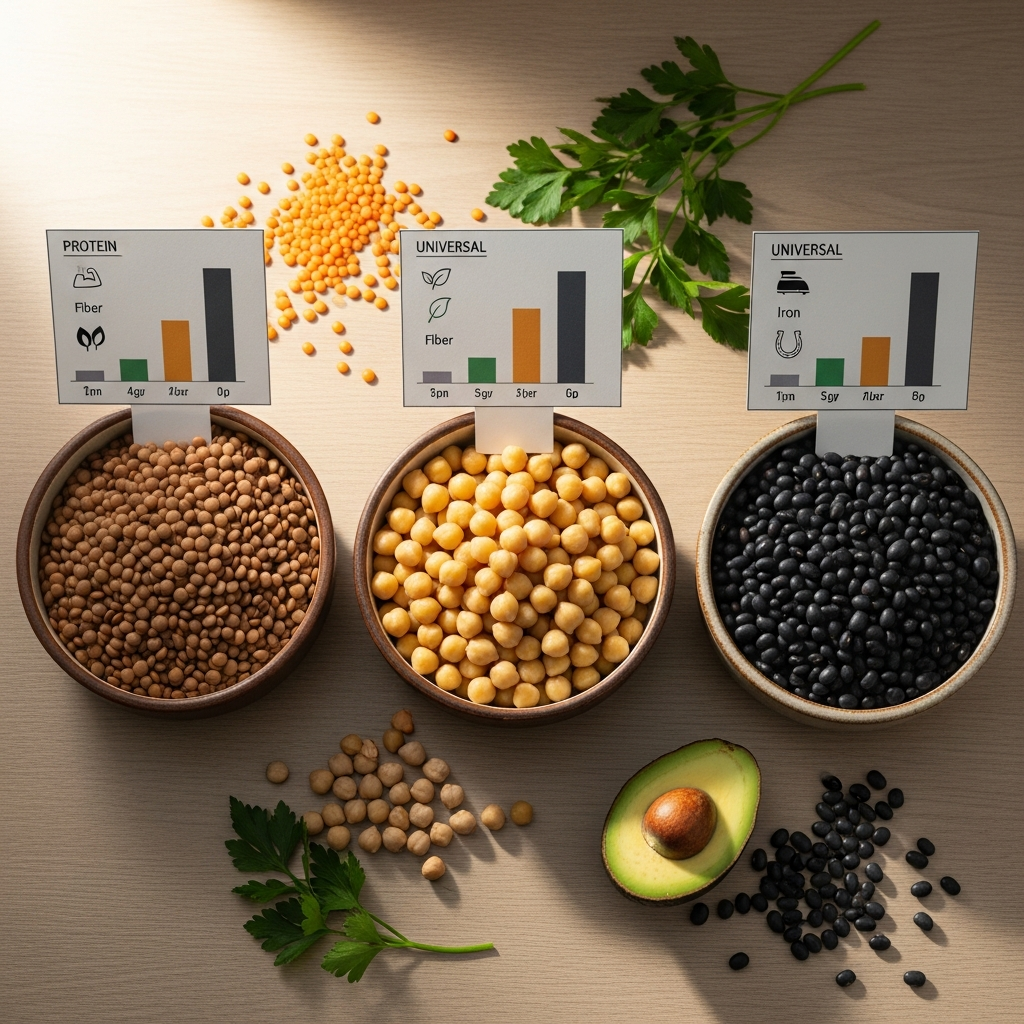
Best Legumes for Your Preconception Diet (Ranked by Fertility Benefits)
Not all legumes are created equal when it comes to fertility nutrition. Here is your guide to the best options, ranked by their preconception benefits.
Lentils: The Folate Powerhouse for Fertility
Lentils top our list for good reason. They offer the highest folate content among common legumes and cook quickly without soaking. One cup provides 358 mcg folate, 18g protein, and 15.6g fiber.
Types of lentils and their best uses:
- Red lentils: Cook quickly into a creamy texture, perfect for soups and dal
- Green lentils: Hold their shape well for salads and side dishes
- Brown lentils: Versatile for stews and bolognese
- Black lentils: Nutrient-dense with a slightly earthy flavor
Chickpeas: Versatile Protein for Couples Trying to Conceive
Chickpeas shine in their zinc content and versatility. They are a cornerstone of the Mediterranean diet, linked to improved fertility. One cup provides 282 mcg folate, 14.5g protein, and 2.5 mg zinc.
The zinc in chickpeas benefits both partners. Zinc is essential for male fertility, supporting testosterone production, sperm formation, and motility.
Black Beans: Iron-Rich Support for Conception
Black beans stand out for their iron content and powerful antioxidants called anthocyanins that protect cells from oxidative damage. One cup provides 256 mcg folate, 15g protein, and 3.6 mg iron.
Pair black beans with vitamin C-rich foods like tomatoes, bell peppers, or lime juice to enhance iron absorption from these plant sources.
Other Fertility-Friendly Legumes to Include
| Legume (1 cup cooked) | Folate (mcg) | Protein (g) | Iron (mg) | Best For |
|---|---|---|---|---|
| Black-eyed peas | 358 | 13 | 4.3 | Folate + iron combo |
| Navy beans | 255 | 15 | 4.3 | Highest fiber |
| Kidney beans | 230 | 15 | 3.9 | Protein content |
| Split peas | 127 | 16 | 2.5 | Easy digestion |
How to Reduce Gas and Bloating from Beans (Preparation Tips That Work)
Let us address the elephant in the room: yes, legumes can cause gas. But this common concern should not prevent you from enjoying these fertility superfoods. Understanding why they cause digestive discomfort and how to prevent it makes all the difference.
Soaking Methods to Improve Digestibility
Legumes contain complex carbohydrates called oligosaccharides that humans cannot digest. These sugars travel to the large intestine where bacteria ferment them, producing gas. The good news? Research shows that soaking can reduce oligosaccharide content by 25-42% while maintaining nutritional value.
Overnight Soak Method (Recommended):
- Place dried beans in a large bowl
- Cover with cold water (3 inches above beans)
- Soak for 8-12 hours or overnight
- Drain and rinse thoroughly, discarding soak water
- Cook with fresh water
Quick Soak Method:
- Place beans in a pot with water
- Bring to a boil for 2-3 minutes
- Remove from heat and cover
- Let stand for 1 hour
- Drain, rinse, and cook with fresh water
Important: Lentils and split peas do not require soaking and are naturally easier to digest, making them excellent starting points.
Cooking Techniques for Comfortable Digestion
Proper cooking breaks down more gas-causing compounds and makes beans safer to eat:
- Cook until completely tender: Undercooked beans cause more digestive issues
- Use a pressure cooker: Reduces cooking time and breaks down oligosaccharides more effectively
- Add kombu seaweed: This traditional Japanese technique adds minerals and may aid digestion
- Add baking soda sparingly: A small pinch (1/8 teaspoon per cup) can help soften beans
Canned versus Dried: Canned options are pre-cooked and convenient. Rinse thoroughly to remove up to 40% of added sodium. While slightly lower in nutrients than home-cooked dried legumes, they remain an excellent option for busy couples.
Gradual Introduction and Digestive-Friendly Herbs
Your digestive system adapts over time. Research suggests that regularly consuming legumes for 8 weeks may significantly reduce uncomfortable symptoms like bloating.
Start small and build up:
- Week 1-2: Start with 2-3 tablespoons per meal
- Week 3-4: Increase to 1/4 cup per meal
- Week 5+: Work toward 1/2 cup servings
Digestive herbs to add while cooking:
- Cumin: Traditional digestive aid with warming properties
- Fennel seeds: Helps reduce gas and bloating
- Fresh ginger: Supports overall digestive function
- Asafoetida (hing): Used in Indian cooking specifically for bean dishes
- Epazote: Traditional Mexican herb for bean preparation
12 Delicious Bean and Lentil Recipes for Your Fertility Journey
These recipes combine fertility-boosting nutrition with delicious flavors and comfortable digestion. Each includes digestive herbs and preparation techniques to minimize bloating.
Quick Lentil Dishes (Under 30 Minutes)

Recipe 1: Mediterranean Red Lentil Soup with Lemon
Key fertility nutrients: Folate, iron, vitamin C
Prep time: 25 minutes | Servings: 6
This silky soup combines red lentils with cumin, turmeric, and fresh lemon. The vitamin C from lemon enhances iron absorption, while turmeric provides anti-inflammatory benefits. Red lentils break down during cooking, creating a creamy texture that is gentle on digestion. Serve with a squeeze of lemon and crusty bread.
Recipe 2: Warm Lentil Salad with Roasted Vegetables
Key fertility nutrients: Folate, fiber, antioxidants | Prep time: 30 minutes | Servings: 4
Green lentils hold their shape beautifully in this hearty salad. Toss with roasted sweet potatoes, beets, and leafy greens dressed with lemon-olive oil vinaigrette.
Recipe 3: One-Pot Lentil Dal with Spinach
Key fertility nutrients: Folate, iron, B vitamins | Prep time: 25 minutes | Servings: 4
Red lentils simmered with ginger, cumin, and coriander, finished with fresh spinach. The digestive spices support comfortable digestion. Serve over rice or with naan.
Satisfying Chickpea Meals for Pregnancy Prep
Recipe 4: Roasted Chickpea Buddha Bowl
Key fertility nutrients: Zinc, protein, fiber | Prep time: 35 minutes | Servings: 4
Crispy roasted chickpeas with cumin and paprika top quinoa, roasted vegetables, and tahini dressing. Customizable with seasonal vegetables; tahini adds hormone-supporting healthy fats.
Recipe 5: Mediterranean Chickpea Salad
Key fertility nutrients: Folate, healthy fats, antioxidants | Prep time: 15 minutes | Servings: 4
No-cook chickpeas with cucumber, tomatoes, olives, and feta dressed with olive oil and lemon. Embodies the Mediterranean diet pattern linked to improved fertility. Keeps well for meal prep.
Recipe 6: Creamy Chickpea Curry
Key fertility nutrients: Protein, iron, B vitamins | Prep time: 30 minutes | Servings: 4
Chickpeas in fragrant coconut-tomato sauce with ginger, garlic, and garam masala. Anti-inflammatory spices support reproductive health. Serve over basmati rice.
Iron-Rich Black Bean Recipes
Recipe 7: Black Bean and Sweet Potato Tacos
Key fertility nutrients: Iron, vitamin A, fiber | Prep time: 30 minutes | Servings: 4
Roasted sweet potato and seasoned black beans in warm tortillas with lime crema and cilantro. Vitamin C from lime enhances iron absorption; sweet potatoes provide beta-carotene.
Recipe 8: Cuban-Style Black Bean Soup
Key fertility nutrients: Iron, folate, protein | Prep time: 40 minutes | Servings: 6
Black beans simmered with sofrito, cumin, oregano, and vinegar. Long cooking and digestive spices make it gentle on digestion. Serve with sour cream and rice.
Recipe 9: Black Bean Quinoa Bowl
Key fertility nutrients: Complete protein, iron, zinc | Prep time: 25 minutes | Servings: 4
Black beans with quinoa create complete protein. Add corn, avocado, tomatoes, and cilantro-lime dressing. Supports both partners' fertility with balanced nutrition.
Batch Cooking Recipes for Busy Couples Trying to Conceive
Recipe 10: Slow Cooker White Bean and Vegetable Stew
Key fertility nutrients: Fiber, protein, folate | Prep time: 15 min active, 6-8 hrs cooking | Servings: 8
Set in the morning, enjoy at dinner. Cannellini beans with carrots, celery, tomatoes, and herbs. Long cooking improves digestibility. Freezes well.
Recipe 11: Meal Prep Lentil Bolognese
Key fertility nutrients: Iron, protein, lycopene | Prep time: 40 minutes | Servings: 6+
Brown lentils create meaty texture in this plant-based pasta sauce with tomatoes, mushrooms, and Italian herbs. Make a double batch and freeze half.
Recipe 12: Three-Bean Chili (Freezer-Friendly)
Key fertility nutrients: Iron, folate, fiber, protein | Prep time: 45 minutes | Servings: 8
Hearty chili combining kidney, black, and pinto beans with tomatoes and warming spices. Three legume types provide diverse nutrients. Freezes well in portions.
Weekly Meal Prep Guide for Plant Protein and Fertility
Batch Cooking Basics for Bean-Based Meals
Spending one to two hours on the weekend preparing beans sets you up for easy, fertility-friendly meals all week. Here is how to maximize your meal prep time:
- Cook large batches: Prepare 2-3 cups of dried beans at once
- Store properly: Refrigerate for 3-5 days or freeze for up to 3 months
- Portion strategically: Freeze in 1-cup portions for recipe-ready convenience
- Use time-saving equipment: An Instant Pot or slow cooker simplifies batch cooking
Sample 7-Day Fertility Meal Plan with Legumes
| Day | Legume Meal | Key Nutrients |
|---|---|---|
| Monday | Mediterranean Red Lentil Soup | Folate, Iron |
| Tuesday | Roasted Chickpea Buddha Bowl | Zinc, Protein |
| Wednesday | Black Bean Quinoa Bowl | Iron, Complete Protein |
| Thursday | One-Pot Lentil Dal | Folate, B Vitamins |
| Friday | Black Bean Sweet Potato Tacos | Iron, Vitamin A |
| Saturday | Mediterranean Chickpea Salad | Healthy Fats, Folate |
| Sunday | Slow Cooker White Bean Stew | Fiber, Protein |
Snack ideas featuring legumes:
- Homemade hummus with vegetable sticks
- Crispy roasted chickpeas
- White bean dip with whole grain crackers
- Edamame with sea salt
Bean Nutrition for Both Partners: Supporting Male Fertility Too
Fertility is not just a women's health issue. Male factor contributes to approximately 40-50% of infertility cases. The good news? The same bean recipes that support your fertility also benefit your partner's reproductive health.
How legumes support male fertility:
- Folate for sperm DNA integrity: Research shows that low folate levels are associated with increased sperm DNA damage. Adequate folate intake supports DNA integrity in sperm.
- Zinc for testosterone and sperm production: A systematic review found that seminal plasma zinc concentrations in infertile males were significantly lower than in fertile men.
- Antioxidants: The anthocyanins in black beans and other antioxidants in legumes protect sperm from oxidative damage.
Make cooking together part of your conception journey. Preparing these bean recipes as a couple not only ensures you both benefit nutritionally but also creates meaningful connection time during what can be a stressful period.
Common Mistakes to Avoid with Legumes During Preconception
Even with the best intentions, it is easy to make mistakes when adding more legumes to your diet. Here are the most common pitfalls and how to avoid them:
-
Mistake 1: Eating too much too quickly
Fix: Start with small portions and increase gradually over 2-3 weeks to let your digestive system adapt. -
Mistake 2: Not soaking or cooking properly
Fix: Always soak dried legumes overnight and cook until completely tender. Use the techniques in our digestion section above. -
Mistake 3: Relying only on canned options
Fix: While convenient, canned varieties can be high in sodium. Choose low-sodium options and rinse thoroughly, or batch cook dried legumes weekly. -
Mistake 4: Forgetting to pair with vitamin C
Fix: Plant-based iron is less easily absorbed. Include vitamin C-rich foods like tomatoes, citrus, or bell peppers in your legume dishes. -
Mistake 5: Eliminating legumes entirely due to gas fears
Fix: Do not give up. Use proper preparation methods and digestive herbs to enjoy them comfortably. -
Mistake 6: Not varying your choices
Fix: Different legumes provide different nutrients. Rotate between lentils, chickpeas, black beans, and others throughout the week.
Frequently Asked Questions About Beans and Fertility
Are beans good for fertility?
Yes, beans are excellent for fertility. They provide folate (essential for preventing neural tube defects), plant protein (linked to improved ovulation in research), iron (supports blood health), and fiber (helps balance hormones). Studies show that replacing some animal protein with plant protein from legumes may improve fertility outcomes. Aim for 1-2 servings of legumes daily when trying to conceive.
How many servings of legumes should I eat when trying to conceive?
Most fertility nutrition experts recommend 1-2 servings of legumes per day during preconception. One serving equals about 1/2 cup of cooked beans or lentils. This provides approximately 180-360 mcg of folate (45-90% of daily needs), along with protein, iron, and fiber. Start with smaller portions if you are new to eating beans regularly and increase gradually.
Which beans have the most folate for fertility?
Lentils contain the most folate among common legumes, with one cup of cooked lentils providing 358 mcg (90% of daily value). Black-eyed peas come second with 358 mcg per cup, followed by chickpeas (282 mcg), black beans (256 mcg), and kidney beans (230 mcg). For maximum folate intake, include a variety of legumes in your preconception diet.
Can beans cause problems during early pregnancy?
Beans are safe and beneficial during early pregnancy when properly cooked. The main concern is digestive discomfort (gas and bloating), which can be minimized by soaking dried beans, cooking them thoroughly, and introducing them gradually into your diet. Raw or undercooked kidney beans should be avoided as they contain lectins that can cause digestive upset. Canned beans are pre-cooked and safe.
How do I reduce gas from eating beans while trying to conceive?
To reduce gas from beans: (1) Soak dried beans for 8-12 hours and discard the soak water, (2) Cook beans until completely tender, (3) Start with easier-to-digest legumes like lentils and split peas, (4) Add digestive herbs like cumin, fennel, or ginger while cooking, (5) Increase portion sizes gradually over 2-3 weeks, and (6) Chew thoroughly and eat slowly. Research shows these methods can reduce gas-causing compounds by 25-42%.
Is plant protein as effective as animal protein for fertility?
Research from the Harvard Nurses' Health Study suggests plant protein may be more beneficial for fertility than animal protein. Women who ate more plant protein (including beans and legumes) had a 50% lower risk of ovulatory infertility compared to those who ate mostly animal protein. Plant proteins also come with fiber and antioxidants that support hormonal balance. However, ensure adequate B12 intake if following a fully plant-based diet.
Should my partner also eat beans for fertility?
Yes, legumes benefit male fertility too. Beans provide folate (important for sperm DNA integrity), zinc (supports testosterone and sperm production), and antioxidants (protect sperm from damage). Studies show that men with higher folate intake have better sperm quality. Couples trying to conceive should both include 1-2 servings of legumes in their daily diet for optimal fertility support.
Are canned beans as nutritious as dried beans for fertility?
Canned beans retain most nutrients and are a convenient option for fertility diets. However, they may contain added sodium (look for low-sodium or no-salt-added varieties) and slightly less folate due to processing. Rinse canned beans before using to remove up to 40% of added sodium. For maximum nutrition and cost savings, cook dried beans in batches and freeze portions for later use.
Start Your Fertility-Boosting Legume Journey Today
Adding beans and lentils to your preconception diet is one of the most effective, affordable, and delicious ways to support your fertility naturally. With their impressive folate content, plant protein benefits, and array of essential minerals, legumes deserve a central place on your plate when trying to conceive.
Remember, the key to comfortable digestion lies in proper preparation. Soak your beans, cook them thoroughly, introduce them gradually, and embrace digestive-friendly herbs and spices. Your body will adapt, and soon you will be enjoying these fertility superfoods without a second thought.
Whether you start with a simple Mediterranean red lentil soup or dive into meal prepping a week's worth of chickpea and black bean dishes, you are taking a meaningful step toward nourishing your body for pregnancy. These bean recipes for preconception are not just nutritionally powerful; they are genuinely delicious meals you will want to make again and again.
At PatPat, we are here to support every step of your parenting journey, from preconception nutrition to dressing your little one in comfortable, adorable clothing. Explore our collection for inspiration and remember: every healthy meal is an investment in your future family.
Ready to get started? Pick one recipe from this guide and try it this week. Your fertility journey begins with the next meal you make.




