


Between meal times, your baby's growing body needs fuel, but finding healthy baby snack recipes without added sugars and salt can feel overwhelming. If you have ever stood in front of the refrigerator wondering what quick, nutritious option you can offer your hungry 8-month-old, you are not alone. According to Mayo Clinic guidance on infant nutrition, by 8 months of age, most babies can eat a variety of foods from different food groups, making this the perfect time to introduce healthy snacks.
The good news? Creating nutritious homemade baby snacks does not require hours in the kitchen. This guide delivers 25 baby snack recipes ranging from grab-and-go options ready in under five minutes to make-ahead freezer snacks that save time throughout the week. Whether you need quick healthy snacks for babies, homemade baby puffs, or travel-friendly options for daycare, these recipes prioritize whole foods with zero added sugar or salt. At PatPat, we understand that busy parents need practical solutions that support their baby's development without complicated prep work. Let us explore snack ideas that your little one will love and you will feel great about serving.
When Do Babies Need Snacks Between Meals?
Before diving into baby snack recipes, understanding when your baby is ready for between-meal snacks helps you time these additions appropriately. Not every baby needs snacks at the same age, and watching for developmental readiness signs ensures a smoother experience.
Developmental Signs Your Baby Is Ready for Snacks
Your baby may be ready for snacks when you observe these milestones:
- Sitting independently for extended periods without support
- Established on 3 solid meals per day with good appetite
- Showing hunger cues between meals such as fussiness, reaching for food, or opening mouth when seeing food
- Active crawling or cruising, which increases caloric needs
- Successfully eating various textures beyond purees
Most babies display these readiness signs around 8-9 months of age, though some active babies may need snacks earlier if they are burning more energy through movement.
How Many Snacks Should an 8+ Month Old Have Daily?
The American Academy of Pediatrics recommends that babies consuming solid foods well by 8 months often benefit from 1-2 small snacks daily alongside their 3 main meals. Timing works best mid-morning and mid-afternoon, spaced appropriately from mealtimes.
Portion guidance for baby snacks remains modest. Typically 1-2 tablespoons is sufficient for an 8-month-old, gradually increasing as your baby approaches 12 months. Always let your baby's hunger cues guide frequency rather than forcing a rigid schedule.

Quick 5-Minute Baby Snacks for Busy Parents
When hunger strikes and you have minimal prep time, these quick healthy snacks for babies come together in five minutes or less. Keeping these easy baby snacks in rotation saves sanity on busy days.
No-Cook Fruit Combinations Ready in 2 Minutes
Fresh fruits require almost no preparation and provide natural sweetness babies love:
- Ripe banana slices - Slice into coins, slightly mash if needed for younger babies
- Soft avocado strips - Cut into baby-fist-sized pieces, roll in infant cereal if too slippery
- Ripe mango spears - A naturally sweet treat packed with vitamin A
- Quartered blueberries - Always quarter lengthwise to prevent choking hazards
- Steamed apple slices from fridge - Prep once on Sunday, use throughout the week
Refrigerator-Ready Protein Snacks
Protein helps babies stay satisfied longer between meals:
- Full-fat plain yogurt - No added sugar varieties, offer by spoon or let baby self-feed
- Cottage cheese - High protein with easy-to-manage texture
- Shredded cheese strips - Calcium-rich finger food that babies can grasp
- Hard-boiled egg wedges - Prep a batch weekly for grab-and-go protein
- Hummus with soft pita - Iron-rich and easy to make ahead in batches
Pantry Staples That Work as Snacks
Stock these shelf-stable options for convenience:
- Unsalted rice cakes - Spread with mashed banana or thin nut butter layer
- Soft whole grain toast strips - Top with avocado or cream cheese
- Plain O-shaped cereal - Excellent for pincer grasp practice at 9+ months
- Unsweetened whole grain puffs - Dissolve easily for safety
Time-Saving Tip: Sunday evening meal prep transforms weekday snacking. Hard-boil eggs, steam apple slices, and portion yogurt into small containers. This makes healthy baby snacks truly grab-and-go.

Homemade Baby Puffs and Teething Snacks Without Added Sugar
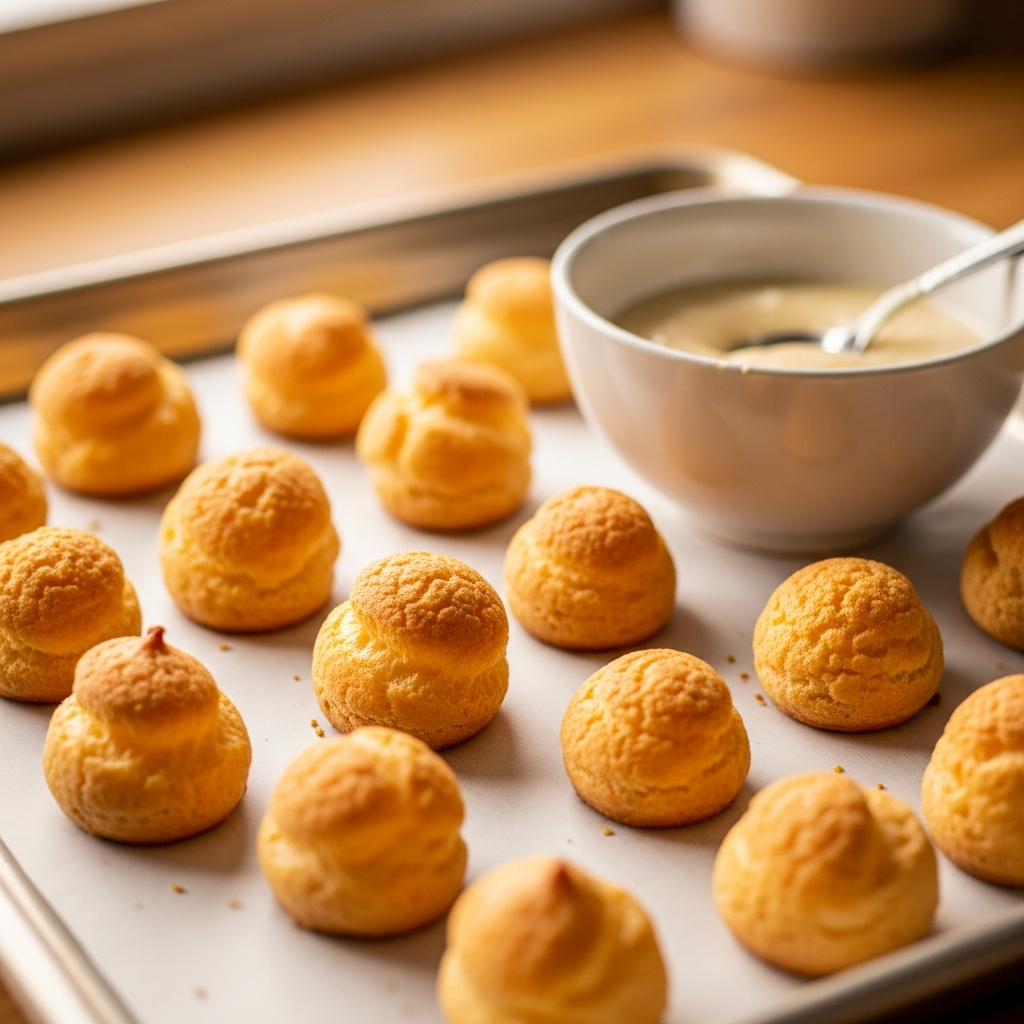
Store-bought puffs often contain added sugars and sodium that developing palates do not need. These homemade baby puffs recipes provide the same melt-in-mouth texture babies love with wholesome ingredients you control.
3-Ingredient Homemade Baby Puffs Recipe
This sugar-free baby snack takes about 20 minutes from start to finish:
Ingredients:
- 1 cup unsweetened baby cereal (rice or oat)
- 1/2 ripe banana, mashed
- 1/4 cup breast milk, formula, or whole milk
Instructions:
- Preheat oven to 375F (190C)
- Mix cereal, mashed banana, and milk until a smooth paste forms
- Transfer to a piping bag or plastic bag with one corner snipped
- Pipe small dots onto a parchment-lined baking sheet, spacing 1 inch apart
- Bake 8-10 minutes until puffed and slightly golden
- Cool completely before serving to avoid burns
Storage: Airtight container at room temperature for 3-4 days, or freeze up to 2 months.
Frozen Yogurt Melts for Teething Relief
These soothing teething snacks provide cold comfort for sore gums while delivering protein and probiotics:
Ingredients:
- 1 cup full-fat plain Greek yogurt
- 1/2 cup pureed fruit (banana, mango, or mixed berries)
Instructions:
- Mix yogurt and fruit puree until well combined
- Drop small dollops onto a parchment-lined baking sheet using a teaspoon
- Freeze for 2+ hours until completely solid
- Transfer to freezer bags for storage up to 3 months
The cold temperature helps numb sore gums naturally while the yogurt provides calcium for developing bones.
Sweet Potato Teething Sticks No Sugar Added
These vegetable-based teething snacks offer natural sweetness from roasting:
Ingredients:
- 2 medium sweet potatoes
- Pinch of cinnamon (optional, for perceived sweetness)
- Coconut oil for greasing
Instructions:
- Preheat oven to 400F (200C)
- Cut sweet potatoes into thick finger-shaped sticks approximately 3 inches long
- Steam until soft but firm enough to hold shape, about 12 minutes
- Lightly brush with coconut oil and sprinkle with cinnamon
- Bake for 20 minutes until slightly crispy outside, soft inside
Nutrient-Dense Finger Food Snacks for 8-12 Month Olds
As babies develop their palmar grasp and eventually pincer grasp, baby finger foods become essential for both nutrition and motor skill development. These options deliver maximum nutrients in baby-friendly forms.
Iron-Rich Finger Food Snacks Critical for Development
Iron remains critical for cognitive development during infancy. The importance of iron for baby brain development makes these snacks particularly valuable:
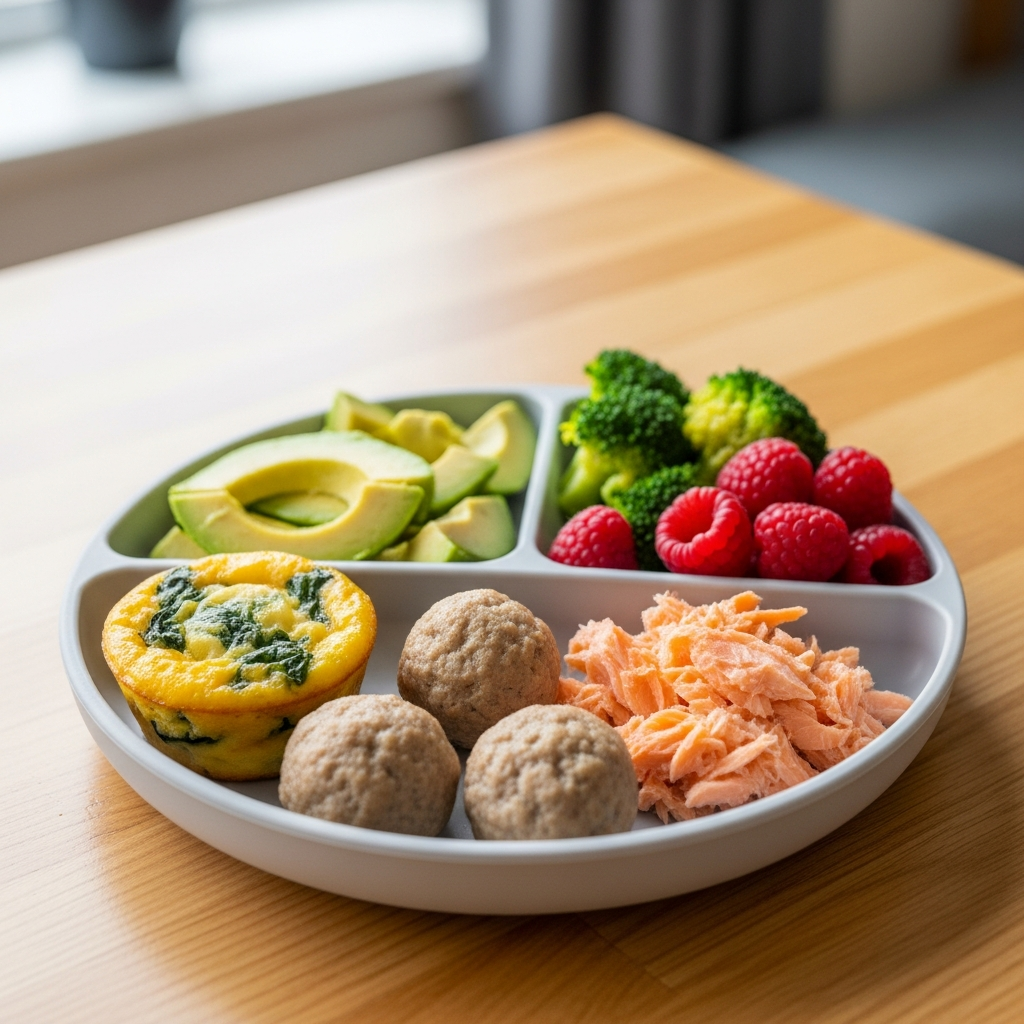
- Mini egg muffins - Whisk eggs with finely diced soft veggies, bake in mini muffin tin at 350F for 15 minutes
- Shredded chicken strips - Slow-cooked for tenderness, easy to gum
- Soft mini meatballs - Make with rolled oats instead of breadcrumbs for added nutrition
- Flaked salmon pieces - Rich in omega-3s for brain development
- Black bean patties - Mashed beans formed into baby-sized discs, pan-fried until golden
Calcium-Building Snack Options
Strong bones require consistent calcium intake:
- Cheese cubes or strips - Cut appropriate size for your baby's developmental stage
- Plain full-fat yogurt - Always unflavored to avoid added sugars
- Soft tofu cubes - Silken or soft varieties are easy to grasp and gum
- Steamed broccoli trees - Natural handle for baby to hold with floret to gnaw
Veggie-Forward Finger Food Snacks
Early vegetable exposure builds healthy preferences:
- Roasted zucchini strips - Soft texture, mild flavor
- Steamed carrot sticks - Must be very soft, passing the squish test
- Avocado wedges - Roll in infant cereal if too slippery to grasp
- Cucumber spears - Steam soft for 8-9 month olds, serve raw for 12+ months
- Soft-cooked green beans - Natural finger shape perfect for little hands
Developmental Tip: At 8-9 months, babies use a palmar (whole hand) grasp. Offer finger-length pieces they can hold in their fist with some sticking out to gnaw. By 10-12 months, smaller pieces support the emerging pincer grasp.
On-the-Go Baby Snacks for Daycare and Travel
Portable baby snacks require thoughtful planning to maintain safety and nutrition outside the home. These travel snacks for babies hold up well whether you are heading to daycare or embarking on a road trip.
Mess-Free Portable Snacks for the Diaper Bag
No refrigeration needed:
- Whole grain teething crackers (unsalted varieties)
- Homemade oat bars (recipe below)
- Soft dried fruit pieces (unsweetened, cut small for 10+ months)
- Unsweetened coconut chips
- Whole grain puffs in snack containers
Pack with ice pack:
- Pre-cut cheese sticks
- Sliced hard-boiled eggs in sealed containers
- Hummus cups with soft crackers
- Yogurt in insulated containers
Daycare-Approved Snack Ideas
Baby snacks for daycare require special consideration:
- Portion individual servings in clearly labeled containers
- Choose foods that hold up at room temperature for short periods
- Select options requiring no heating
- Consider allergen policies for shared spaces
No-Bake Oat Energy Bites Recipe Baby-Safe
Ingredients:
- 1 cup rolled oats (quick oats for softer texture)
- 1/2 cup nut butter or seed butter (if allergens introduced)
- 1/4 cup mashed ripe banana
- 2 tablespoons ground flaxseed
Instructions:
- Mix all ingredients until well combined
- Roll into small, baby-appropriate balls
- Refrigerate at least 1 hour before serving
- Store refrigerated up to 1 week, freeze up to 3 months
Road Trip and Airplane Snack Strategies
Long travel requires extra planning:
- Pack significantly more snacks than you think necessary
- Bring variety to prevent travel boredom
- Consider a suction bowl and clip-on tray for mess containment
- Frozen snacks can thaw during travel, serving as fresh options mid-trip

Why Avoiding Added Sugar and Salt Matters for Baby Snacks
Understanding the reasoning behind sugar and salt restrictions helps parents make informed choices and resist marketing claims on packaged baby foods.
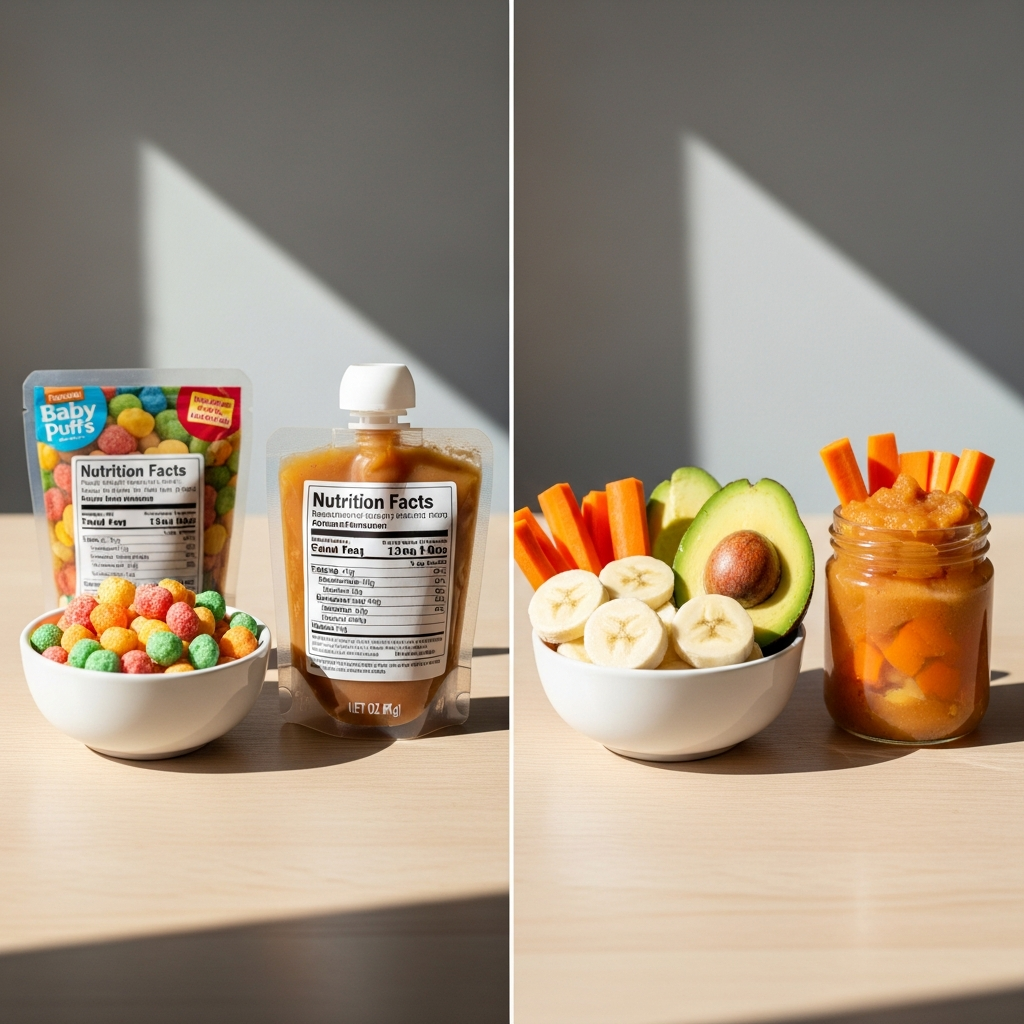
The Problem with Added Sugar in Baby Foods
Babies arrive with an innate preference for sweet tastes, which historically helped identify safe, calorie-dense foods. Adding sugar to baby snacks intensifies this preference, potentially establishing patterns that persist into childhood and beyond.
The American Academy of Pediatrics specifically recommends avoiding added sugars for children under 2 years. This guidance exists because early sugar exposure provides no nutritional benefit, only empty calories that can displace more nutritious foods.
Hidden sugars to watch for on labels:
- Fruit juice concentrate
- Cane sugar or cane syrup
- Honey (also dangerous for botulism risk under 12 months)
- Any ingredient ending in "-ose" (fructose, glucose, sucrose)
- Brown rice syrup
Interestingly, many store-bought baby snacks marketed as healthy contain 3-8 grams of sugar per serving. Homemade alternatives using only natural fruit sweetness contain zero added sugar while satisfying baby's taste preferences.
Why Salt Restriction Is Critical for Baby Kidneys
Babies under 12 months should consume less than 1 gram of sodium total daily, which includes sodium naturally present in whole foods. Their immature kidneys cannot efficiently process excess sodium, potentially straining these developing organs.
Most whole foods naturally contain some sodium, meaning babies typically meet their needs without any added salt. Avoiding added sodium means skipping:
- Salted crackers and chips
- Processed cheese products
- Deli meats and cured products
- Canned vegetables with added sodium
- Packaged snacks with sodium on labels
Natural Sweetness Alternatives That Satisfy Baby
Nature provides plenty of sweetness without processed sugars:
- Ripe bananas - Nature's candy, perfect mashed or sliced
- Unsweetened applesauce - Naturally sweet, versatile base
- Pureed dates - Small amounts for 10+ months add sweetness to baked goods
- Roasted sweet potato - Caramelizes naturally when roasted
- Ripe mango and papaya - Tropical sweetness babies love
- Cinnamon - Creates perceived sweetness without any sugar
Freezer-Friendly Baby Snacks for Meal Prep Success
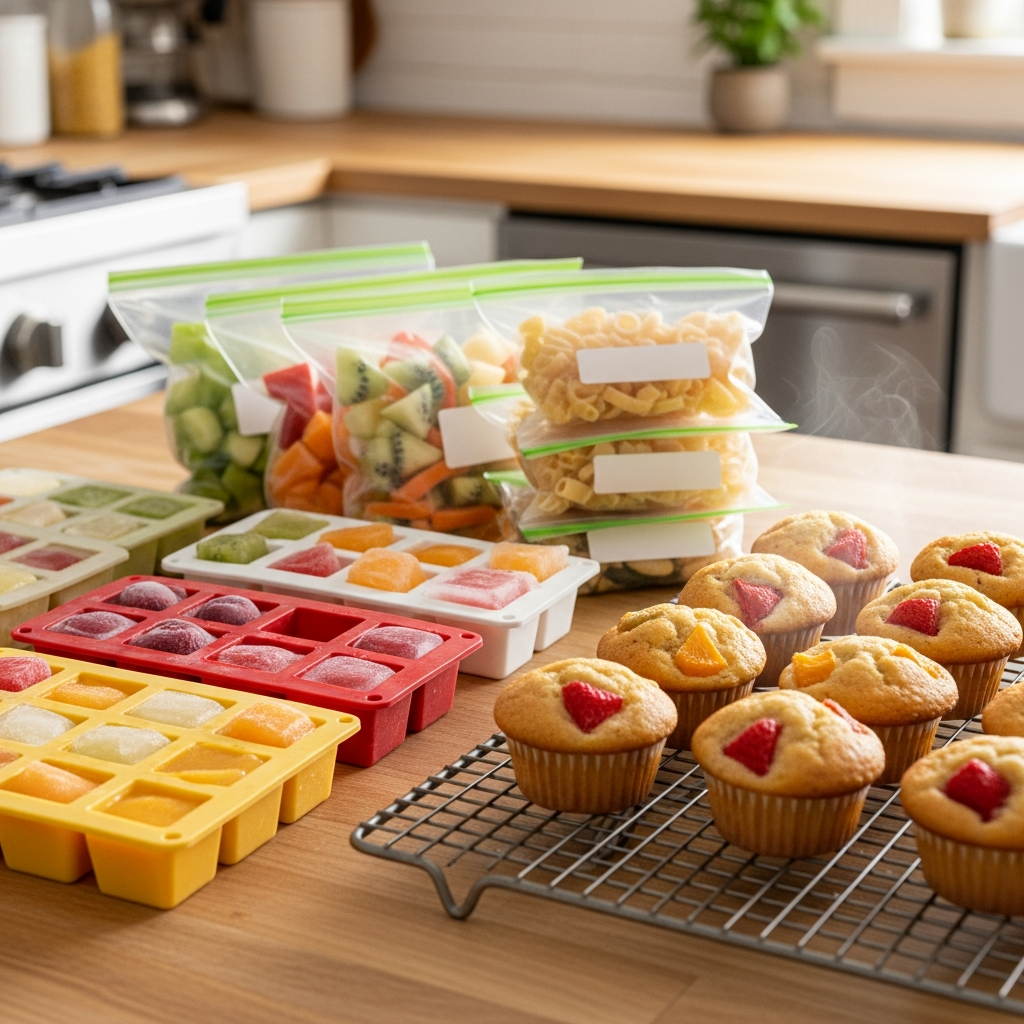
Batch cooking freezer friendly baby snacks transforms hectic weekdays. These make ahead baby snacks stay fresh for months and thaw quickly when needed.
Mini Muffin Recipes Perfect for Freezing
Banana Oat Mini Muffins No Sugar Added:
Ingredients:
- 2 ripe bananas, mashed well
- 1 egg
- 1 cup oat flour (blend rolled oats to make)
- 1/4 teaspoon cinnamon
- 1 tablespoon melted coconut oil
Instructions:
- Preheat oven to 350F (175C)
- Mash bananas and mix with egg
- Add oat flour, cinnamon, and coconut oil, stirring until combined
- Grease mini muffin tin and fill each cup 3/4 full
- Bake 12-15 minutes until toothpick comes out clean
To freeze: Cool completely, freeze individually on a tray, then transfer to freezer bags. Store up to 3 months.
Veggie-Loaded Mini Muffins:
- 1 cup grated zucchini (squeeze out excess moisture)
- 1 grated carrot
- 1 egg
- 1/2 cup whole wheat flour
- 1/4 cup ricotta cheese
Follow same baking instructions. These sneak vegetables into delicious, baby-friendly packages.
Frozen Fruit and Veggie Snack Cubes
These cubes provide single-serving convenience:
- Puree fruits or vegetables with a splash of breast milk, formula, or water
- Pour into silicone ice cube trays
- Freeze until solid, approximately 4 hours
- Pop out cubes and store in labeled freezer bags
- Thaw one cube at a time for quick snacks
Combination ideas:
- Sweet potato + apple
- Spinach + banana + avocado
- Mango + peach
- Butternut squash + pear
How to Store and Defrost Baby Snacks Safely
| Storage Method | Duration | Best For |
|---|---|---|
| Refrigerator | 3-4 days maximum | Quick weekly rotation |
| Freezer | 2-3 months optimal quality | Batch cooking, longer storage |
Safe defrosting options:
- Refrigerator overnight (safest method)
- Countertop 1-2 hours before serving
- Never refreeze previously thawed baby food
Portion Tip: Freeze snacks in individual portions using silicone muffin cups, ice cube trays, or mini muffin tins. This prevents waste and ensures appropriate serving sizes.
Age-by-Age Baby Snack Guide 8-12+ Months
Baby snacks should evolve as your little one develops new skills. This progression guide helps match textures and sizes to your baby's current abilities.
Snacks for 8-9 Month Olds Early Self-Feeders
Texture: Very soft, dissolves or mashes easily with gums
Shape: Finger-length strips for palmar grasp
Portions: 1-2 tablespoons per snack
Best options for 8 month old baby snacks:
- Soft steamed veggie sticks
- Very ripe banana strips
- Dissolvable puffs
- Avocado wedges
- Plain yogurt (spoon-fed or thick enough for dipping)
- Soft pasta shapes
Snacks for 10-11 Month Olds Developing Pincer Grasp
Texture: Still soft but can have more variety
Shape: Smaller pieces as pincer grasp emerges
Portions: 2-3 tablespoons
Best options for 10 month old snack ideas:
- Quartered blueberries
- Small soft cheese cubes
- Mini muffin pieces
- Soft cooked pasta shapes
- Scrambled egg pieces
- Shredded tender chicken
Snacks for 12+ Months Transitioning Toddler
Texture: More variety while maintaining safety
Shape: Mix of finger foods and bite-sized pieces
Portions: Increasing based on activity level
New options to introduce:
- Raw soft fruits (ripe pear, banana)
- Whole grain crackers
- Nut butter on toast (if allergens cleared)
- Small cheese cubes
- More complex textures and flavor combinations
Baby Snack Progression Reference Table
| Age | Texture | Shape | Example Snacks |
|---|---|---|---|
| 8-9 months | Very soft, dissolving | Finger strips | Banana strips, puffs, avocado |
| 10-11 months | Soft with variety | Smaller pieces | Blueberry quarters, cheese cubes |
| 12+ months | More textures | Bite-sized + finger | Crackers, raw soft fruit |

Frequently Asked Questions About Baby Snack Recipes
Here are answers to the most common questions parents ask about healthy baby snacks.
What snacks can I give my 8 month old baby?
At 8 months, offer soft, easy-to-gum snacks in finger-length strips. Excellent options include ripe banana slices, soft avocado wedges, steamed sweet potato sticks, plain full-fat yogurt, dissolvable puffs, and well-cooked soft pasta. All snacks should pass the squish test, meaning you can mash them easily between your fingers. Avoid hard, round, or sticky foods that pose choking risks.
How do I make homemade baby puffs without sugar?
Mix 1 cup unsweetened baby cereal with half a mashed ripe banana and 1/4 cup breast milk or formula until a thick paste forms. Pipe small dots onto a parchment-lined baking sheet and bake at 375F for 8-10 minutes until puffed and slightly golden. The ripe banana provides natural sweetness without any added sugar. Store in an airtight container for 3-4 days or freeze for up to 2 months.
Why should I avoid added sugar in baby snacks?
Babies are born with a natural preference for sweet tastes, and adding sugar intensifies this preference, potentially leading to unhealthy eating habits later in life. The American Academy of Pediatrics recommends avoiding added sugars for children under 2 years. Additionally, added sugars provide empty calories without nutritional benefit. Natural fruit sweetness from bananas, mangoes, and unsweetened applesauce satisfies sweet cravings in a healthier way.
How many snacks should a baby have per day?
Most babies 8 months and older benefit from 1-2 snacks daily between their 3 main meals. Typical snack times are mid-morning and mid-afternoon, spaced appropriately from mealtimes. Portions should be small, about 1-2 tablespoons initially, increasing gradually. Let your baby's hunger cues guide frequency rather than rigid schedules. Some days babies eat more while others eat less. Both patterns are normal.
What are good travel snacks for babies?
For travel, pack mess-free options that transport well: dissolvable puffs, whole grain teething crackers, homemade oat bars, and soft dried fruit pieces for 10+ months. With a cooler, add cheese sticks, hard-boiled egg wedges, and yogurt. Frozen snacks like yogurt melts can thaw during travel, providing fresh options mid-journey. Always pack more snacks than you think necessary, especially for longer trips.
Can I freeze homemade baby snacks?
Yes, most homemade baby snacks freeze beautifully for 2-3 months. Mini muffins, pancakes, egg cups, and frozen fruit puree cubes are all excellent freezer candidates. Freeze items individually on a tray first, then transfer to freezer bags for easy single-serving portions. Thaw in the refrigerator overnight or at room temperature for 1-2 hours before serving. Never refreeze previously thawed baby food.
What finger foods are safe for babies with no teeth?
Babies can safely eat many finger foods without teeth using their strong gums. Safe options include very ripe bananas, soft avocado, steamed vegetables that pass the squish test, dissolvable puffs, soft pasta, scrambled eggs, and flaked fish. The key is softness, meaning food should mash easily between your thumb and finger. Babies develop molars for grinding around 12-18 months, but they can gum soft foods effectively well before then.
How much salt is safe in baby snacks?
Babies under 12 months should consume less than 1 gram of sodium total daily, including all food sources rather than just added salt. Their immature kidneys cannot process excess sodium efficiently. Since most whole foods naturally contain some sodium, avoid adding any salt to baby snacks. Skip salted crackers, processed foods, and deli meats. Read nutrition labels carefully because many store-bought snacks contain hidden sodium.
Your Journey to Healthier Baby Snacking Starts Today
Creating healthy baby snack recipes does not require culinary expertise or hours of kitchen time. With these 25 nutritious options, you now have a complete toolkit spanning quick 5-minute solutions, homemade baby puffs without added sugar, nutrient-dense finger foods, and freezer-friendly make-ahead snacks that simplify busy weeks.
The key takeaways for success with baby snacks include starting with simple options like sliced banana and avocado while building toward more complex homemade snacks as your confidence grows. Prioritizing whole foods naturally eliminates added sugars and salt while supporting your baby's developing taste preferences. Batch cooking and freezer prep transform snack time from stressful to seamless.
Whether your little one is an 8-month-old just discovering finger foods or approaching their first birthday with an adventurous palate, these healthy snacks for babies grow alongside them. Start with 2-3 options from the quick snacks section this week, then gradually expand your repertoire. Your baby's nutrition journey is a marathon, not a sprint.
At PatPat, we celebrate parents who prioritize their children's wellbeing, from the foods they eat to the clothes they wear. Exploring our collection of comfortable, functional baby clothing makes mealtimes and snack times easier with thoughtfully designed pieces that protect against spills while keeping little ones comfortable during their feeding adventures.
Share your favorite homemade baby snack recipe in the comments below, and save this guide for quick reference whenever snack inspiration strikes.





