


You just found out another little one is on the way, and while your heart swells with excitement, there is that nagging question keeping you up at night: How will your older child handle this? Will they feel replaced? Will sibling jealousy tear your peaceful household apart?
Take a deep breath. You are not alone in these worries. About 80% of people grow up with at least one sibling, and countless parents before you have successfully navigated this very transition. The secret? Thoughtful preparation and understanding that your older child is about to experience one of life's biggest changes.
Here is the good news: preparing siblings for a new baby does not require perfection. It requires patience, intentional communication, and a willingness to see things from your child's perspective. In this guide, we will walk through everything from when to share the news, how to handle that all-important first meeting, managing gestational jealousy, and building bonds that last a lifetime. At PatPat, we believe that growing families deserve support through every milestone, and helping your children become loving siblings is one of the most rewarding parts of parenthood.
When and How to Tell Your Child About the New Baby
One of the first decisions you will face is timing. When should you tell your child about the pregnancy? The answer depends largely on your child's age and your family's circumstances.
Choosing the Right Moment to Share the News
Most experts recommend waiting until after the first trimester, when miscarriage risk decreases significantly. However, there are practical considerations too:
- Wait until 12-16 weeks when physical changes become noticeable
- Consider your morning sickness: If symptoms are severe, earlier disclosure helps your child understand what is happening
- Tell them before they hear it elsewhere: Nothing is worse than your child learning this news from a well-meaning relative
- Choose a calm, private moment without distractions
Age-Appropriate Ways to Break the News
How you share the news matters as much as when. Children of different ages need different approaches:
Toddlers (1-2 years): Keep it simple. "There is a baby growing in Mommy's tummy" is often enough. Toddlers are just beginning to understand themselves as individuals, so abstract concepts like "seven months from now" mean nothing to them. Consider waiting until closer to your due date.
Preschoolers (3-4 years): Use picture books and let them feel baby kicks. They can grasp the concept but may have magical thinking about where babies come from.
School-age (5+ years): These children can handle more detail. Include them in family discussions about names, the nursery, and what life will look like with a baby.
No matter their age, be prepared for varied reactions. Some children explode with excitement; others shrug and return to their toys. Both responses are completely normal.
How to Prepare Your Older Child Before Baby Arrives
Once the news is out, the real preparation begins. The months before birth offer golden opportunities to help your child feel included and ready.
Involving Your Child in Pregnancy and Baby Preparations
Children who feel involved are less likely to feel replaced. Here are ways to include them:
- Let them feel baby kicks and movements as pregnancy progresses
- Include them in naming discussions: Give them a few options to vote on
- Take them to appropriate prenatal appointments: Hearing the heartbeat can make the baby feel real
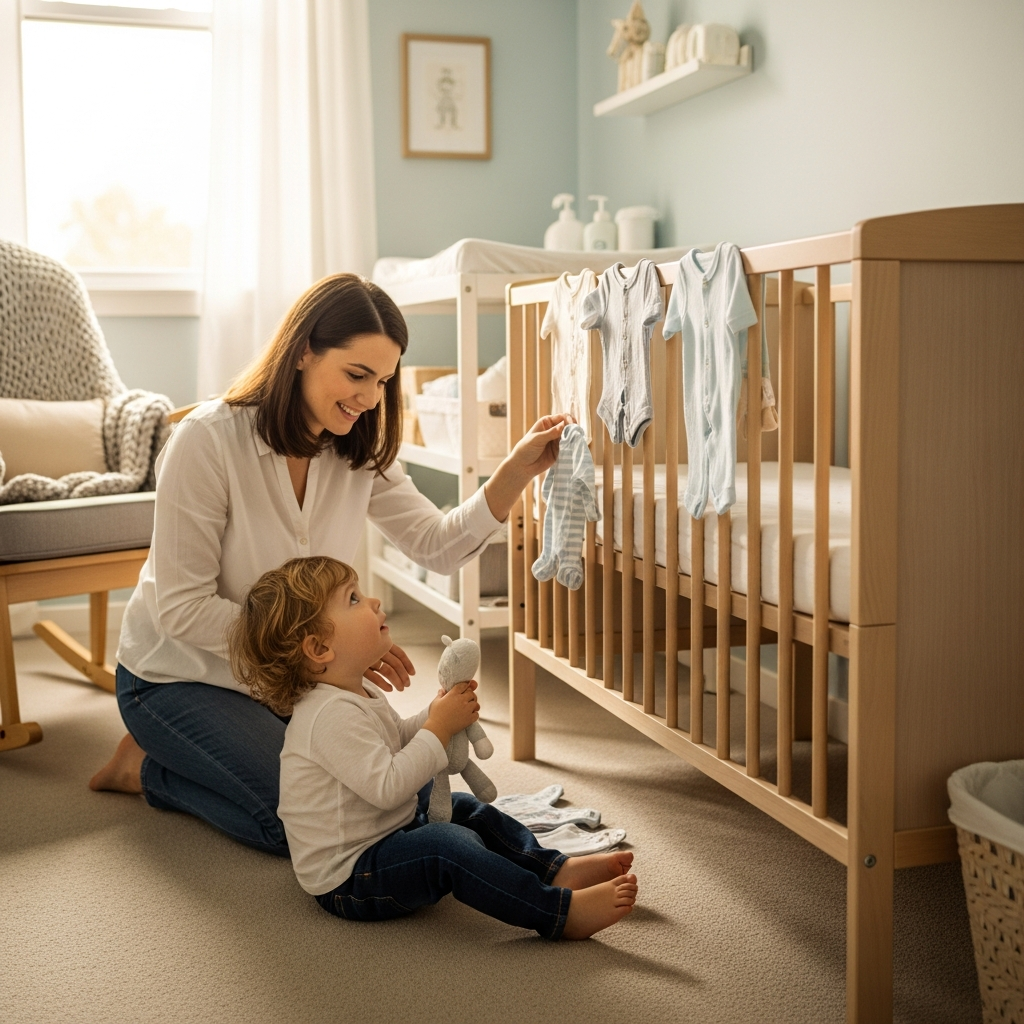
- Give them age-appropriate nursery tasks: Putting away diapers, organizing blankets, or decorating
Involving older children in picking out special items for the baby creates excitement rather than jealousy. Letting them help choose soft newborn clothes or cozy bamboo baby clothes makes them feel included in welcoming their new sibling. Many siblings take pride in saying, "I picked that out for the baby!"
Setting Realistic Expectations About Newborns
Many children imagine a ready-made playmate. The reality of a crying, sleeping, helpless newborn can be disappointing. Prepare them by:
- Explaining that babies cry, sleep a lot, and cannot play right away
- Showing videos or photos of when they were babies
- Visiting friends or family with newborns when possible
- Emphasizing that loving a new baby does not mean loving them any less
Books and Resources That Help Prepare Siblings
Books are powerful tools for preparing young minds. Consider titles like "I'm a Big Brother/Sister" by Joanna Cole, "The New Baby" by Mercer Mayer, or "Babies Don't Eat Pizza" by Dianne Danzig. Practice caring for baby dolls together and create a "big sibling" countdown calendar to build anticipation.
The First Meeting: Introducing Your Newborn to Their Sibling
The moment your older child meets their new sibling is one you will remember forever. With a little planning, you can make it magical for everyone.
Planning Where and When to Introduce Them
You have two main options for the first introduction:
Hospital introduction: This neutral ground can work well, but Mom may be exhausted and the environment unfamiliar. Keep visits brief.
Home introduction: The baby arrives in your older child's "territory." This can feel less threatening. A helpful tip: have someone else carry the baby inside so Mom can greet the older child with open arms first.
Whatever you choose, time the meeting when your older child is well-rested and fed. Hungry, tired children do not make good first impressions on anyone.
Making the Moment Special with a Gift Exchange
A "big brother" or "big sister" gift from the baby creates positive associations and frames the first meeting as a celebration. Consider:
- A special toy or book "from the baby"
- A gift the older child selected beforehand to give to the baby
- A simple "big sibling" certificate or badge
A meaningful gift from the new baby to their older sibling creates a wonderful memory. Consider pairing a small toy with easy-to-use baby bodysuit or cozy pajamas that the big brother or sister helped select beforehand.
What to Avoid During the First Introduction
Even with the best intentions, some approaches backfire:
- Do not force interaction if your older child seems hesitant
- Avoid phrases like "You have to love the baby" or constant reminders to "be gentle"
- Do not immediately hand the baby to your older child
- Skip the meeting if your older child is mid-meltdown
- Do not take offense if they show little interest initially
Helping Your Older Child Adjust When Baby Comes Home
The first weeks at home set the tone for sibling relationships. Your older child is watching closely to see where they fit in this new family dynamic.
Maintaining Routines and Stability
Research shows that adding the stress of a newborn sibling can be disruptive to young children's mastery of self-care and self-regulation. Combat this by:
- Keeping bedtime, mealtime, and activity schedules consistent
- Avoiding major changes (potty training, new room, new school) during the transition
- Maintaining familiar comfort items and rituals
- Explaining any necessary changes in advance
Creating Special One-on-One Time
Even 15-20 minutes of dedicated daily time with your older child makes a tremendous difference. Let them choose activities during this time. Use phrases like "While baby is sleeping, this is OUR special time." Have each parent take turns providing individual attention, and create new rituals specific to the older child.
Safe Ways to Involve Siblings in Baby Care
Involving older children in daily baby care routines strengthens their bond. Let them help pick out the day's outfit from the baby's clothing collection, fetch diapers, or gently rock the baby's bouncer. Other safe involvement opportunities include:
- Supervising "helping" with diaper changes (handing items)
- Letting them sing to or "read" to the baby
- Assigning age-appropriate jobs like announcing diaper changes or picking blankets
- Teaching gentle touch with supervision

Understanding and Managing Sibling Jealousy
Let us address the elephant in the room: sibling jealousy is not just common, it is practically universal. Understanding its roots helps you respond with compassion rather than frustration.
Recognizing Signs of Jealousy in Your Child
Research shows that even infants as young as one year can exhibit sibling jealousy. Watch for these signs in your older child:
- Increased clinginess to parents
- Demanding attention when you are feeding or holding the baby
- Negative comments about the baby ("I do not like the baby")
- Changes in eating or sleeping habits
- Withdrawal or unusual quietness
- Regression to baby-like behaviors
Healthy Ways to Acknowledge and Validate Feelings
The instinct to correct jealous feelings is strong, but validation works better than dismissal:
- Name their emotions: "It seems like you feel frustrated when I hold the baby"
- Avoid dismissing: Instead of "Do not be jealous," say "It is okay to have mixed feelings"
- Share stories: Tell them about when they were babies and needed the same care
- Reassure: Explain that love multiplies, it does not divide
Practical Strategies to Reduce Jealousy
Beyond validation, these practical approaches help minimize jealous feelings:
- Ask visitors to greet the older child first, then the baby
- Create special privileges that come with being "the big kid"
- Narrate positive sibling moments: "Look how the baby smiles when they see you!"
- Photograph siblings together and display pictures proudly
- Avoid comparing children or favoring the baby with attention
Handling Toddler Regression and Acting Out Behaviors
Your potty-trained three-year-old suddenly wants diapers again. Your articulate preschooler reverts to baby talk. Welcome to regression, and yes, it is completely normal.
Why Regression Happens and What to Expect
Most toddlers show regressive behavior for 2 to 6 weeks after a new baby arrives, though it can last longer depending on temperament and how the transition is handled. Common regressions include:
- Wanting bottles, pacifiers, or diapers again
- Using baby talk
- Crawling instead of walking
- Sleep disruptions
View regression as communication of emotional needs rather than misbehavior. The American Academy of Pediatrics suggests responding with understanding rather than discouragement when children exhibit these behaviors.
Responding to Challenging Behaviors with Patience
When behaviors become aggressive or dangerous:
- Address aggressive behavior calmly but firmly
- Never leave baby unsupervised with a toddler or young child
- Redirect negative behavior: "Hands are for gentle touches"
- Provide outlets for big feelings through playdough, drawing, or physical activity
- Create a "calm down corner" for overwhelming moments
When Behaviors Persist: Getting Additional Support
Most regression resolves within 3-6 months. However, seek professional help if:
- Aggressive behavior escalates or persists beyond several months
- Sleep or eating issues significantly worsen
- Your child seems persistently sad or withdrawn
- Behaviors like biting or head banging increase in frequency
Do not hesitate to consult your pediatrician or consider family counseling if needed.
Age-Specific Tips for Preparing Siblings
What works for a two-year-old differs dramatically from what works for a seven-year-old. Here is tailored advice for each age group.
Toddlers (Ages 1-2 Years)
- Keep explanations simple and concrete
- Use dolls to practice gentle behavior
- Expect limited understanding of time
- Maintain their routines rigorously
- Provide extra physical affection
- Do not expect sharing or turn-taking with baby immediately
Preschoolers (Ages 3-4 Years)
Preschoolers love feeling grown-up and helpful. Use books and storytelling to explain the arrival. Answer questions honestly but simply. Give small responsibilities to build pride, and address fears directly since magical thinking is common at this age.
Let them choose between options for the baby's wardrobe, such as picking their favorite pattern from a selection of baby outfits. This simple choice empowers them while keeping the selection manageable. Create "big kid" privileges like a special cup or slightly later weekend bedtime.
School-Age Children (Ages 5-8 Years)
- Can understand pregnancy and birth at a basic level
- May worry about practical matters like sharing space or getting less attention
- Involve them deeply in planning and preparation
- Can be genuine helpers with baby care
- May feel embarrassed about parents having another baby
- Encourage sharing feelings with peers who have siblings
Tweens and Teens (Ages 9+)
- May feel disconnected due to age gap
- Can become excellent caregivers and role models
- Address concerns about changing family dynamics
- Respect their need for personal space and independence
- Do not assume they want to be babysitters
- Include them in family discussions about the transition
Building Lifelong Sibling Bonds: Long-Term Strategies
The early weeks and months set the foundation, but building strong sibling relationships is a marathon, not a sprint. Research confirms that sibling relationships are often the longest-lasting relationships in individuals' lives.
Sibling Bonding Activities That Grow with Your Children
- Start with supervised tummy time together
- Read books to baby with older sibling as the "reader"
- Create sibling artwork with handprints or footprints together
- Document "siblings" photos at regular intervals
- Celebrate their unique relationship with half-birthday celebrations or Sibling Day
Matching outfits or coordinated clothing creates adorable bonding moments and photo opportunities. Many families find that dressing siblings in complementary outfits helps older children feel connected to their younger sibling while building family identity.
Nurturing Positive Sibling Dynamics for Years to Come
Close and supportive sibling relationships have lifelong benefits, while aggressive and conflictual dynamics can cause lasting harm. Foster positive relationships by:
- Avoiding labeling children ("the smart one," "the athletic one")
- Not forcing them to always share or include each other
- Teaching conflict resolution skills early
- Celebrating each child's individual achievements
- Creating family traditions that highlight sibling connection
- Modeling healthy relationships in your own life
The sibling relationship is often the longest relationship of a person's life. The investment you make now in preparing your older child and fostering their bond will pay dividends for decades.
Frequently Asked Questions About Preparing Siblings for a New Baby
How do I prepare my toddler for a new baby?
Start by reading age-appropriate sibling books together and involving your toddler in simple preparations like decorating the nursery or choosing baby items. Keep explanations simple and concrete since toddlers struggle with abstract concepts. Practice gentle behavior using dolls, maintain their regular routines, and give extra physical affection. The key is making them feel included rather than replaced.
When should I tell my child I am pregnant?
For most children, wait until after the first trimester (around 12 weeks) when miscarriage risk decreases. However, timing depends on your child's age. Toddlers can be told closer to the due date since time feels abstract to them. School-age children often appreciate earlier involvement. Always share the news before your child hears it from someone else.
Is it normal for my toddler to regress after the new baby arrives?
Yes, toddler regression after a new baby is completely normal and expected. Children may want bottles, pacifiers, or help with tasks they previously mastered. This regression is how they communicate emotional needs and typically lasts a few weeks to several months. Respond with patience rather than punishment, and behaviors usually resolve as they adjust.
How long does sibling jealousy typically last?
Sibling jealousy typically peaks during the first few months and gradually decreases over 6-12 months as everyone adjusts. Some jealousy may resurface during developmental milestones. With consistent attention and validation of feelings, most jealousy becomes manageable. If jealousy severely disrupts daily life beyond 6 months, consider consulting a family therapist.
Should I get my older child a gift from the new baby?
Yes, a "big brother" or "big sister" gift from the baby is a wonderful tradition that creates positive associations. Keep it simple and meaningful rather than extravagant. Pair it with the older child giving something special to the baby that they helped choose. This exchange frames the first meeting as a celebration.
What should I do if my toddler tries to hit or hurt the new baby?
Stay calm but act immediately by removing the toddler from the situation. Say firmly, "I will not let you hurt the baby. Hands are for gentle touches." Never leave them unsupervised together. Provide appropriate outlets for big emotions through physical play or art. Most importantly, increase one-on-one positive attention to address the underlying need for connection.
How can I give both children enough attention with a newborn?
Schedule dedicated one-on-one time with your older child daily, even just 15-20 minutes. Use baby's nap times or feeding times for special activities. Alternate which parent handles which child. Involve your older child in baby care as a "helper" to transform potential jealousy into bonding opportunities. Quality matters more than quantity in these early months.
My older child says they hate the new baby. What do I say?
Resist the urge to correct or lecture. Instead, validate their feelings: "It sounds like you are feeling really frustrated right now." Let them express their emotions safely. After acknowledging feelings, gently redirect: "It is okay to feel upset. The baby is not going anywhere, and your feelings might change over time." Increased one-on-one time usually helps these strong feelings subside.
Final Thoughts on Preparing Your Family for a New Sibling
Bringing a new baby into your family is both thrilling and challenging. Remember that there is no such thing as a perfect transition. There will be tears (from everyone), moments of jealousy, and days when you wonder if you made a mistake expanding your family. Those feelings are normal.
What matters most is your intention: preparing your older child with honesty and love, validating their big feelings, and consistently showing them that your family has room for everyone. With time, patience, and the strategies in this guide, your children will not just survive becoming siblings, they will gain a lifelong companion.
At PatPat, we are here to support your growing family through every milestone. Whether you are preparing for the first meeting, managing sibling jealousy, or simply looking for ways to include your older child, remember that you are doing better than you think. Your love is already enough.
What tips have worked for your family when preparing siblings for a new baby? Share your experiences and bookmark this guide for future reference as future grows.





