


Everyone tells you to "sleep now before the baby comes," but here is the frustrating truth: getting quality sleep during pregnancy can feel nearly impossible. If you have been lying awake at 3 AM wondering why you are so exhausted yet cannot drift off, you are far from alone. According to the American Pregnancy Association, approximately 78% of pregnant women experience sleep disturbances during their pregnancy journey.
So how much sleep do pregnant women need, and what can you do when rest feels impossible? Whether you are navigating first trimester fatigue, enjoying the second trimester golden period, or dealing with third trimester insomnia, this guide covers everything you need to know. At PatPat, we understand that well-rested parents make for happier families, and your sleep journey starts right now, during pregnancy.
In this comprehensive guide, you will discover the exact sleep recommendations for each trimester, understand why your body craves more rest, learn about common pregnancy sleep problems and their solutions, and find practical tips to help you get the restorative sleep you deserve.
How Many Hours of Sleep Should a Pregnant Woman Get?

The Expert Recommendation: 8 to 10 Hours Per Night
While the National Sleep Foundation recommends 7-9 hours for adults, pregnancy increases your body's need for rest. Most healthcare providers suggest pregnant women aim for 8-10 hours per night when possible. This extra time allows your body to recover from the significant physical changes happening inside you.
Quality matters just as much as quantity. Even if you spend 10 hours in bed, fragmented sleep filled with bathroom trips and position changes may leave you feeling unrested. If nighttime sleep is disrupted, daytime naps can help you reach your total sleep goal. Short naps of 20-30 minutes are often more refreshing than longer ones that can leave you groggy.
The stakes are real when it comes to sleep deprivation during pregnancy. Research shows that sleeping less than 6 hours during the last month of pregnancy is associated with longer labor and greater risk for cesarean delivery.
Why Pregnant Women Need More Sleep Than Usual
Your body is accomplishing something remarkable right now. You are building an entirely new organ (the placenta), increasing your blood volume by nearly 50%, and growing a human being. This demanding work requires energy, and sleep is when your body does its most intensive repair and regeneration work.
Progesterone, the hormone that surges during pregnancy, acts as a natural sedative. This explains why you might feel like you could sleep anywhere during those early weeks. Your metabolism is also working harder, burning more calories even while at rest. All these factors combine to create a genuine biological need for extended sleep during pregnancy.
Sleep Needs by Trimester During Pregnancy
Your sleep needs and challenges shift dramatically as your pregnancy progresses. Understanding what to expect in each trimester helps you prepare and adapt your sleep strategies accordingly.

First Trimester: Why You Are So Exhausted
If you are in your first trimester wondering "why am I so tired in early pregnancy," rest assured that this extreme fatigue is completely normal. The progesterone flooding your system creates an overwhelming desire to sleep. Many women find themselves needing 10 or more hours of sleep during these early weeks.
First trimester fatigue often catches women off guard. You might fall asleep during your lunch break or struggle to stay awake past 8 PM. This exhaustion typically peaks around weeks 8-10 before gradually improving. Morning sickness can compound the problem, as nausea disrupts both sleep quality and your ability to rest comfortably.
Is it normal to sleep a lot when pregnant in the first trimester? Absolutely. Your body is working around the clock to establish the pregnancy, and this requires tremendous energy. Honor your fatigue whenever possible. If you can squeeze in a short afternoon nap, take it. Eat small, frequent meals to help manage nausea that might otherwise keep you awake.
Some women experience first trimester insomnia despite their exhaustion. Anxiety about the pregnancy, hormonal shifts, and frequent urination can all interfere with sleep even when you feel desperately tired.
Second Trimester: The Golden Sleep Period
Good news: many women experience a welcome relief from first trimester fatigue around week 14. The second trimester is often called the "honeymoon trimester" for good reason. Energy typically returns, morning sickness usually subsides, and your belly is not yet large enough to cause significant discomfort.
This is your golden opportunity to establish healthy sleep habits. Your body has adjusted to the hormonal changes, and you may finally feel more like yourself. Use this time to create a consistent bedtime routine that you can maintain throughout your pregnancy and into early parenthood.
Consider investing in a good pregnancy pillow during this trimester, even if you do not feel you need it yet. Starting to sleep on your side now helps build the habit before it becomes medically recommended. Many women find that second trimester sleep problems are minimal compared to the first and third trimesters.
Third Trimester: When Sleep Gets Really Hard
If you are dealing with third trimester insomnia, you understand why so many expectant mothers feel frustrated. According to the Cleveland Clinic, up to 80% of women report insomnia symptoms by the end of the third trimester.
Physical discomfort reaches its peak as your baby grows. Finding a comfortable position becomes increasingly difficult. Bathroom trips increase dramatically as your baby presses on your bladder. Heartburn, back pain, and leg cramps all conspire against restful sleep. Baby movements, while reassuring, can also wake you multiple times per night.
If you are experiencing "third trimester can't sleep at night" frustration, know that you are in excellent company. Most women wake 3-5 times per night during these final weeks. Pre-birth anxiety and vivid dreams are also common contributors to disrupted sleep.
While perfect sleep may be unrealistic at this stage, you can still take steps to maximize rest. Focus on relaxation even when sleep does not come. Lying quietly in a dark room still provides some benefit.
Why Quality Sleep Is Critical for You and Your Baby
Sleep is not a luxury during pregnancy. It is a biological necessity that affects both your health and your baby's development. Understanding these connections can help motivate you to prioritize rest.
Maternal Health Benefits of Adequate Sleep
Your immune system relies heavily on sleep to function properly. During pregnancy, when your body is already working hard, adequate rest helps keep you healthy and better able to fight off infections.
Sleep also plays a crucial role in mood regulation. Pregnancy hormones can already make emotions feel like a rollercoaster. Sleep deprivation intensifies mood swings, anxiety, and depressive symptoms. Getting enough rest helps stabilize your emotional state during this transformative time.
Research has shown that sleep deprivation is associated with intravascular inflammation, which is also an important feature of preeclampsia. Women who consistently get less than 6 hours of sleep may face higher risks of pregnancy complications including gestational diabetes and hypertension.
How Your Sleep Impacts Baby Development
Your baby's brain development occurs around the clock, but some of the most important growth happens while you rest. Growth hormone, essential for your baby's development, is released primarily during deep sleep stages.
Before you panic about every restless night, remember that occasional poor sleep is normal and not harmful. The research focuses on chronic, severe sleep deprivation over extended periods. One bad night, or even a rough week, is not cause for alarm. Focus on your overall sleep patterns rather than achieving perfection every night.
Common Pregnancy Sleep Problems and Solutions
Understanding why you cannot sleep is the first step toward finding solutions. Let us explore the most common sleep disruptors during pregnancy and practical strategies to address each one.
- Hormonal changes (progesterone, estrogen)
- Physical discomfort and growing belly
- Frequent urination
- Heartburn and acid reflux
- Restless leg syndrome
- Anxiety about labor and parenthood
- Vivid dreams
Pregnancy Insomnia and How to Overcome It
When you cannot get comfortable sleeping while pregnant, frustration mounts quickly. Pregnancy insomnia differs from regular insomnia because its causes are so specific to this life stage. Hormones, anxiety, and physical changes all play roles.
Cognitive Behavioral Therapy for Insomnia (CBT-I) has emerged as a safe and effective treatment during pregnancy. This approach helps you identify and change thoughts and behaviors that interfere with sleep.
Practical strategies include limiting screen time for at least an hour before bed, avoiding clock-watching when you cannot sleep, and getting out of bed if you have been awake for more than 20 minutes. Keeping a worry journal can help clear anxious thoughts before attempting to sleep.
Restless Leg Syndrome During Pregnancy
That uncomfortable urge to move your legs, especially in the evening, has a name: restless leg syndrome (RLS). Studies have found that the prevalence of RLS among pregnant women ranges from 10 to 34%, making it significantly more common during pregnancy than in the general population.
RLS is often linked to iron or folate deficiency, both of which are more common during pregnancy. Ask your healthcare provider to check your iron levels if you are experiencing symptoms. Gentle stretching before bed, warm baths, and avoiding caffeine can all provide relief.
The good news is that pregnancy-related RLS usually resolves after delivery. In the meantime, knowing that this discomfort is temporary and treatable can help you cope.
Frequent Nighttime Waking and Bathroom Trips
If you are wondering "why do I wake up at 3am every night pregnant," bathroom trips are likely part of the answer. Increased blood volume means your kidneys are filtering more fluid. Add a baby pressing on your bladder, and frequent urination becomes inevitable.
While you cannot eliminate bathroom trips entirely, you can minimize disruption. Limit fluids in the two hours before bed while staying well-hydrated during the day. Practice double-voiding before bed. Use a dim nightlight to avoid fully waking during trips.
Best Sleeping Positions for Pregnant Women

Why Left Side Sleeping Is Recommended
Left side sleeping during pregnancy optimizes circulation. This position allows blood to flow freely to your heart, uterus, and baby. Your kidneys can more efficiently filter waste and reduce swelling in your legs and feet.
Research from Tommy's charity confirms that in the third trimester, going to sleep on your back increases your risk of stillbirth, which is why side sleeping becomes increasingly important as pregnancy progresses.
Do not stress if left side sleeping is uncomfortable. Right side sleeping is also safe and provides similar benefits. The key is avoiding prolonged time on your back after 28 weeks.
Is It Safe to Sleep on Your Back While Pregnant?
During early pregnancy, sleeping on your back is perfectly fine. However, after 28 weeks, back sleeping is not recommended for extended periods. The weight of your uterus can compress the vena cava, a major blood vessel that returns blood to your heart, potentially reducing blood flow to your baby.
If you wake up on your back during the night, do not panic. Simply roll to your side and go back to sleep. Brief periods on your back are not dangerous, and your body typically signals discomfort before any real problem develops.
Using Pillows for Better Sleep Support
A pregnancy pillow can transform your sleep experience. These specialized pillows provide full-body support. Place a pillow between your knees to align your hips and reduce lower back strain. Support your belly from underneath to prevent it from pulling forward. A pillow behind your back helps maintain your side-sleeping position throughout the night.
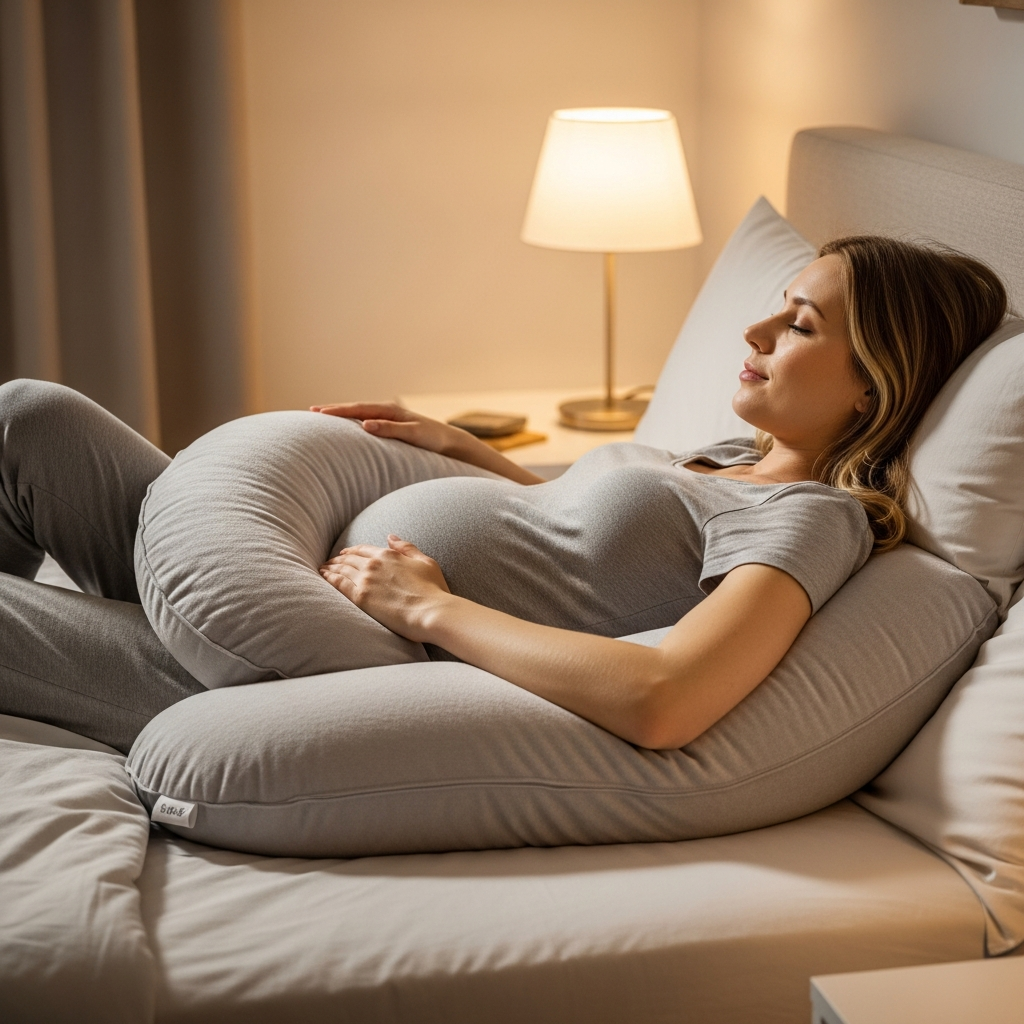
If you do not have a pregnancy pillow, regular pillows work too. Experiment with different arrangements until you find what feels most comfortable. Some women prefer C-shaped pillows that curve around the entire body, while others like separate wedge pillows for targeted support.
Natural Remedies and Tips for Better Pregnancy Sleep
- Create a cool, dark bedroom (65-68 degrees Fahrenheit)
- Practice prenatal yoga or gentle stretching
- Take warm (not hot) baths before bed
- Use relaxation techniques like deep breathing
- Limit screen time in the evening
- Establish a consistent sleep schedule
Creating a Sleep-Friendly Bedroom Environment
Your sleep environment significantly impacts sleep quality. Keep your bedroom cool, ideally between 65-68 degrees Fahrenheit. Pregnancy often makes you run warmer than usual, so do not hesitate to turn down the thermostat.
Darkness signals your brain that it is time to sleep. Consider blackout curtains if streetlights or early morning sun disrupt your rest. White noise machines or apps can mask disruptive sounds and create a consistent audio environment for sleep.
Just as creating a comfortable sleep environment matters for you now, you will want to think ahead to creating a cozy space for your little one. Soft, breathable fabrics like bamboo baby clothes can help regulate your newborn's temperature for better sleep too.
Relaxation Techniques for Expecting Mothers
Prenatal yoga offers gentle stretching that can ease the physical tension contributing to poor sleep. Many women find that a short yoga routine before bed helps them unwind and prepare for rest.
Progressive muscle relaxation involves systematically tensing and releasing muscle groups throughout your body. Deep breathing exercises, such as the 4-7-8 method (inhale for 4 counts, hold for 7, exhale for 8), activate your body's relaxation response.
Meditation for pregnant women can address both physical discomfort and racing thoughts. Guided meditation apps offer pregnancy-specific sessions that address common concerns and help quiet an anxious mind.
Safe Supplements and What to Avoid
Always consult your healthcare provider before taking any supplements during pregnancy. Magnesium for pregnancy sleep has shown promise in reducing leg cramps and promoting relaxation. Vitamin B6 can reduce nausea, which indirectly helps sleep.
Melatonin remains controversial during pregnancy. Some providers approve it in small doses while others advise against it. Never take melatonin without specific guidance from your healthcare team.
Avoid over-the-counter sleep aids unless explicitly approved by your provider. Limit caffeine to 200mg or less per day and avoid it entirely after noon.
When to Talk to Your Doctor About Sleep Problems
While sleep challenges are normal during pregnancy, some symptoms warrant medical attention. Knowing when to seek help ensures that treatable conditions do not go unaddressed.
Warning Signs That Need Medical Attention
- Loud snoring that develops during pregnancy (may indicate sleep apnea)
- Gasping or choking during sleep
- Severe leg cramps that do not respond to remedies
- Extreme daytime sleepiness affecting function
- Depression or anxiety related to sleep
- Headaches combined with sleep issues (possible preeclampsia sign)
Sleep Disorders That Require Professional Help
According to UT Southwestern Medical Center, about 20 percent of pregnant women struggle with obstructive sleep apnea, often without knowing it. Sleep apnea during pregnancy increases risks for preeclampsia, gestational diabetes, and other complications. CPAP therapy is safe during pregnancy and can significantly improve outcomes.
For persistent insomnia, Cognitive Behavioral Therapy for Insomnia (CBT-I) is considered the gold standard treatment and is safe during pregnancy. A referral to a sleep specialist may be needed for complex cases.
Preparing for Postpartum Sleep Changes
The sleep habits you build now will serve you well after your baby arrives. Preparing mentally and practically for postpartum sleep disruption can help ease the transition to parenthood.
Building Good Sleep Habits Before Baby Arrives
The sleep routines you establish during pregnancy become your foundation for postpartum rest. Practice going to sleep when you feel tired rather than forcing yourself to stay awake until a specific time. This flexibility will serve you well when catching sleep between feedings.
Lower your expectations around sleep perfection now. Learning to rest even when you cannot fully sleep is a valuable skill. Consider how you and your partner might share nighttime responsibilities.
Research shows that sleep deficits can persist for months after delivery. Building a strong sleep foundation now helps you approach postpartum challenges with realistic expectations.
What to Have Ready in Your Nursery
Having baby essentials organized and accessible reduces stress during those bleary-eyed middle-of-the-night moments. A comfortable changing setup with everything within arm's reach means quicker diaper changes and faster return to sleep.
As you nest and prepare for your little one's arrival, consider stocking up on soft, comfortable essentials. Having a variety of newborn clothes ready means less stress when you are sleep-deprived and need quick outfit changes at 3 AM.
Building a versatile baby wardrobe now, while you have the energy, is a gift to your future self. Browse baby clothes that are easy to put on, take off, and wash. You will thank yourself during those exhausted diaper changes.
Frequently Asked Questions About Pregnancy Sleep
How many hours of sleep does a pregnant woman need?
Pregnant women should aim for 8-10 hours of sleep per night. This is 1-2 hours more than the 7-9 hours recommended for non-pregnant adults. Your body needs extra rest to support the significant physical and hormonal changes of pregnancy.
Is it bad to sleep too much during pregnancy?
Some extra sleep is normal and healthy during pregnancy, especially in the first trimester. However, consistently sleeping more than 10-11 hours or feeling excessively tired despite adequate sleep may warrant a conversation with your healthcare provider to rule out anemia or depression.
What is the best sleeping position for pregnant women?
The best sleeping position during pregnancy is on your side (SOS), particularly the left side. This optimizes blood flow to your uterus, kidneys, and baby. After 28 weeks, avoid sleeping flat on your back for extended periods.
Is 6 hours of sleep enough when pregnant?
Six hours is not enough sleep during pregnancy. Research links sleeping less than 6 hours to longer labor, higher cesarean rates, and increased risk of complications. Aim for 8-10 hours, and if sleep is difficult, talk to your provider about solutions.
Why can't I sleep even though I'm exhausted during pregnancy?
Pregnancy insomnia is extremely common, affecting up to 78% of pregnant women. Hormonal changes, physical discomfort, frequent urination, anxiety about childbirth, and restless leg syndrome can all make it hard to sleep despite exhaustion.
Does lack of sleep during pregnancy affect the baby?
Chronic sleep deprivation during pregnancy can impact both mother and baby. Research links severe sleep deficiency to preterm birth risk, lower birth weight, and longer labor. However, occasional sleepless nights are normal and not cause for alarm.
When should I stop sleeping on my back during pregnancy?
Most experts recommend avoiding back sleeping after 28 weeks. At this stage, the weight of your uterus can compress major blood vessels. If you wake up on your back, simply roll to your side. Your body naturally signals discomfort before any serious problem develops.
What helps pregnancy insomnia naturally?
Natural remedies for pregnancy insomnia include creating a cool, dark sleep environment, practicing relaxation techniques like gentle yoga or meditation, taking warm baths, limiting screens before bed, and establishing a consistent bedtime routine. Always check with your provider before taking any supplements.
Final Thoughts on Pregnancy Sleep
Understanding how much sleep pregnant women need is just the first step. The real work comes in finding strategies that help you actually get that rest. Remember, 8-10 hours is the goal, but be kind to yourself when sleep proves elusive.
Pregnancy sleep challenges are real, frustrating, and incredibly common. You are not failing if you cannot achieve perfect sleep every night. Focus on your overall patterns, use the tips that work for you, and do not hesitate to seek help when needed.
At PatPat, we believe that well-rested parents build stronger families. Whether you are navigating pregnancy fatigue, preparing your nursery, or dreaming about your little one's arrival, we are here to support your journey. Remember, you are growing a human being. That is exhausting work. Be patient with yourself, prioritize rest whenever possible, and trust that this challenging sleep phase is temporary. Sweet dreams, mama.




