


Those two pink lines just changed everything. Whether you have been trying for months or the news came as a complete surprise, the first trimester brings a whirlwind of emotions and physical changes that can feel both thrilling and overwhelming.
During weeks 1 through 12, your body undergoes remarkable transformations to nurture new life. For many expecting parents, this period is also the most symptom-heavy phase of pregnancy. You might wake up exhausted after ten hours of sleep, feel nauseated by the smell of your favorite coffee, or wonder if those mild cramps mean something is wrong.
Understanding which early pregnancy symptoms are completely normal and which ones warrant a call to your healthcare provider can bring tremendous peace of mind. At PatPat, we know that becoming a parent is one of life's most profound journeys, and we are here to support you every step of the way.
In this guide, you will discover a week-by-week breakdown of first trimester pregnancy symptoms, learn what normal discomfort looks like versus warning signs that need attention, and find practical tips for managing common challenges. Let us help you navigate these transformative early weeks with confidence.
What are common first trimester pregnancy symptoms? First trimester symptoms typically include morning sickness (nausea with or without vomiting), extreme fatigue, breast tenderness, frequent urination, food aversions, mood swings, and mild cramping. Most symptoms begin around weeks 4-6 and peak between weeks 8-11 before gradually improving.
When Do Early Pregnancy Symptoms Begin and Peak
Wondering when you will start feeling different? Most women notice their first pregnancy symptoms around weeks 4 to 6, right around the time of a missed period. However, your body has already been busy behind the scenes.
The moment a fertilized egg implants in your uterine lining, your body begins producing human chorionic gonadotropin (hCG), the hormone that makes pregnancy tests turn positive. As medical research shows, hCG levels double approximately every 24 hours during the first eight weeks, triggering many of those classic early signs of pregnancy.
Here is what the typical timeline looks like:
- Weeks 4-6: Symptoms often begin appearing as hCG production ramps up
- Weeks 8-11: Symptoms typically reach their peak intensity as hCG levels are at their highest
- Weeks 12-14: The placenta takes over hormone production, and symptoms often ease
Research indicates that approximately 70 to 80 percent of pregnant women experience morning sickness. By week 8, roughly 89 percent of women report at least one noticeable symptom. However, individual experiences vary tremendously. Some women feel symptoms within days of conception, while others notice very little change at all.
Pregnancy Symptoms Week by Week in the First Trimester
Understanding what to expect each week helps you recognize normal changes and feel more prepared for what lies ahead.
Weeks 4-6: The Earliest Signs
For most women, a missed period serves as the first unmistakable sign that something has changed. However, other subtle symptoms may appear even earlier:
- Implantation bleeding: About 1 in 4 pregnant women experience light spotting when the embryo attaches to the uterine wall, typically around 10 to 14 days after conception
- Breast changes: Tenderness, swelling, and sensitivity begin as hormone levels rise
- Fatigue: Progesterone starts working its sedating magic
- Mild cramping: Your uterus begins expanding to accommodate growth
- Heightened sense of smell: Suddenly noticing scents you never paid attention to before
Weeks 7-9: Symptoms Intensify
This is when pregnancy symptoms often hit their stride. With hCG levels climbing rapidly, you may experience:
- Morning sickness: Despite the name, nausea can strike any time of day. According to research, only about 2 percent of women experience nausea exclusively in the morning
- Peak fatigue: Exhaustion often reaches its most intense during these weeks
- Food aversions and cravings: Your relationship with food may become complicated
- Frequent urination: Your growing uterus begins pressing on your bladder
- Mood changes: Hormonal fluctuations can intensify emotions
- Visible breast changes: Darker areolas and more prominent veins
Weeks 10-12: Approaching the Second Trimester
Good news often arrives during this phase. Many women notice:
- Nausea beginning to decrease in frequency or intensity
- Energy levels slowly starting to improve
- Slight belly bloating or weight fluctuation becoming visible
- Emotional adjustment as pregnancy feels more real
Is Cramping Normal in Early Pregnancy or a Warning Sign
Few things cause more anxiety than feeling cramping during early pregnancy. The good news? Mild cramping is completely normal and extremely common.
Is cramping normal in early pregnancy? Mild cramping during the first trimester is usually normal and results from your uterus expanding and ligaments stretching. However, severe cramping, one-sided pain, or cramping accompanied by heavy bleeding requires immediate medical attention as it could indicate ectopic pregnancy or other concerns.
Normal Cramping During Early Pregnancy
Your body does remarkable work during these early weeks. Normal cramping typically:
- Feels similar to mild period cramps: a dull ache or pulling sensation
- Occurs intermittently rather than constantly
- Affects both sides of your lower abdomen equally
- Does not worsen progressively
- Is not accompanied by heavy bleeding
Implantation cramping happens around weeks 3 to 4 when the embryo attaches to your uterine wall. Round ligament pain causes sharp but brief sensations on the sides of your abdomen as ligaments stretch. Cramping after physical activity or orgasm is also typically temporary and harmless.
When Cramping Requires Attention
Contact your healthcare provider immediately if you experience:
- Severe or worsening pain
- Pain concentrated on one side, which could indicate ectopic pregnancy
- Cramping accompanied by heavy bleeding or fever
- Pain that does not improve with rest or position changes
Practical tips for managing normal cramping include resting and changing positions, staying well hydrated, using a warm (not hot) compress, and tracking patterns to discuss with your provider.
Why Pregnancy Symptoms Come and Go and When to Worry
You wake up one morning feeling almost normal after days of constant nausea, and panic sets in. Is something wrong? In most cases, fluctuating symptoms are completely normal.
Is it normal for pregnancy symptoms to come and go? Yes, fluctuating symptoms are a normal part of early pregnancy. Hormone levels do not rise at a constant rate, causing symptoms like nausea and fatigue to vary from day to day. This variation typically is not cause for concern unless accompanied by severe cramping and heavy bleeding.
Why Symptoms Fluctuate
Hormonal changes during pregnancy are not linear. Your body experiences natural ebbs and flows in hormone production daily. Some days, hCG rises more gradually, leading to symptom variation. Around weeks 10 to 12, the placenta begins taking over hormone production from your ovaries, which can cause noticeable shifts in how you feel.
Symptoms that commonly come and go include:
- Nausea and food aversions
- Fatigue levels
- Breast tenderness
- Mood changes
Many women report having "good days" and "bad days" throughout the first trimester. Studies confirm that healthy pregnancies can have minimal or fluctuating symptoms.
When to Be Concerned
While symptom fluctuation alone rarely indicates a problem, contact your healthcare provider if symptoms disappear suddenly AND you experience severe cramping combined with heavy bleeding. Trust your instincts: if something feels wrong, reaching out to your provider brings peace of mind.
First Trimester Warning Signs That Need Medical Attention
Most pregnancies progress smoothly, but knowing which symptoms require immediate attention empowers you to act quickly when needed. The American College of Obstetricians and Gynecologists identifies several warning signs to watch for.
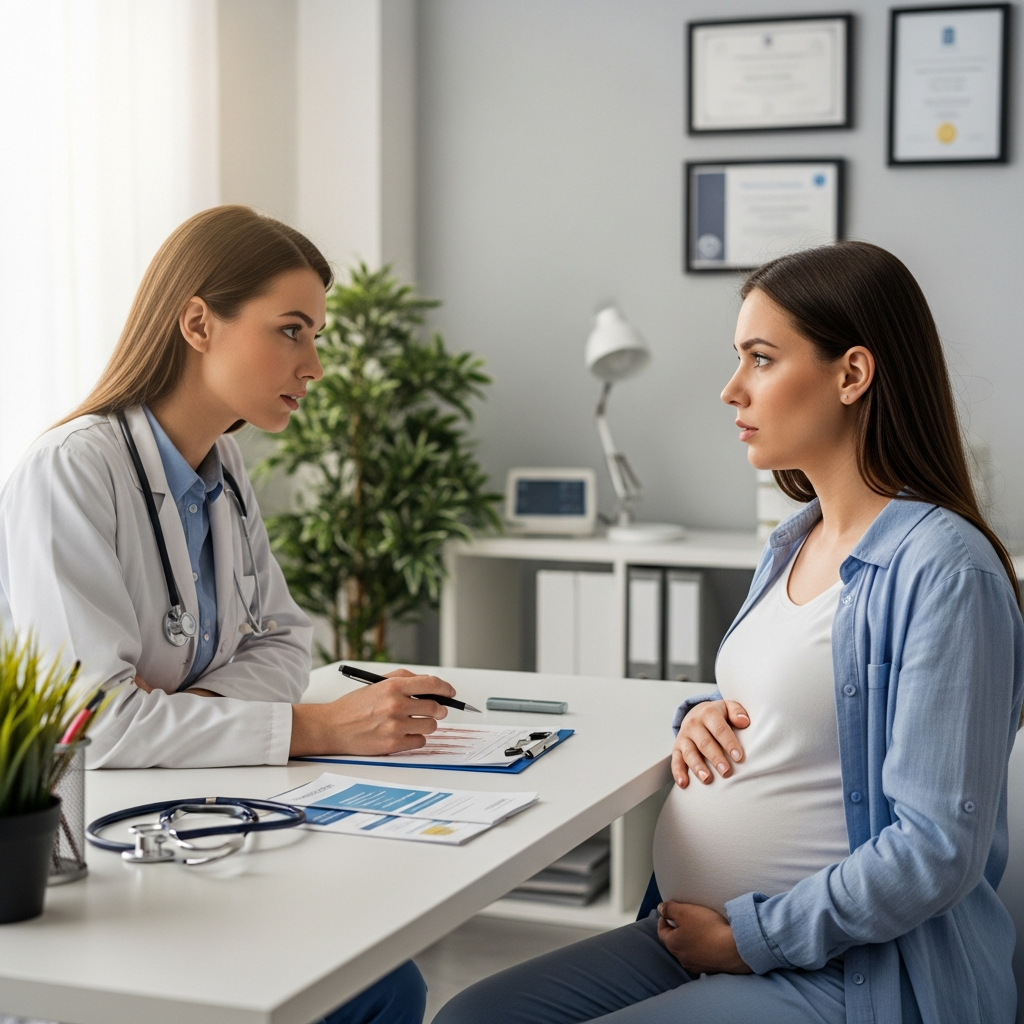
Seek Immediate Medical Care For:
| Warning Sign | What It May Indicate |
|---|---|
| Heavy vaginal bleeding (soaking a pad in an hour) | Possible miscarriage or other complications |
| Severe one-sided abdominal pain | Potential ectopic pregnancy |
| Fever above 100.4F (38C) | Possible infection requiring treatment |
| Unable to keep fluids down for 24+ hours | Severe dehydration risk |
| Painful urination with fever or back pain | Urinary tract or kidney infection |
| Dizziness or fainting | Low blood pressure or other concerns |
About Hyperemesis Gravidarum: While morning sickness affects most pregnant women, approximately 0.3 to 3 percent develop hyperemesis gravidarum, a severe form requiring medical treatment. Signs include inability to keep any food or liquids down, losing more than 5 percent of pre-pregnancy weight, and severe dehydration symptoms.
Remember: while this section addresses serious topics, most pregnancies progress beautifully. Knowing warning signs simply ensures you can seek timely care if needed.
Managing Common First Trimester Symptoms Naturally
While you cannot eliminate first trimester symptoms entirely, many strategies help ease discomfort and improve your daily quality of life.
Easing Morning Sickness and Nausea
- Eat small, frequent meals: An empty stomach often worsens nausea
- Keep snacks bedside: Crackers or dry toast before rising can prevent morning nausea
- Stay hydrated: Sip water, ginger tea, or clear broths throughout the day
- Identify triggers: Strong smells, certain foods, and stuffy rooms commonly worsen symptoms
- Try ginger: Ginger tea, candies, or supplements may provide relief (consult your provider first)
- Get fresh air: Gentle walks and open windows can help
Fighting First Trimester Fatigue
According to Cleveland Clinic, rising progesterone levels play a significant role in pregnancy exhaustion. Here is how to cope:
- Prioritize sleep: Go to bed earlier than usual; your body needs extra rest
- Take short naps: 20 to 30 minute power naps can restore energy
- Move gently: Light exercise like walking actually boosts energy
- Maintain blood sugar: Regular healthy snacks prevent energy crashes
- Accept help: Let family and friends assist with tasks
Many expecting parents find that channeling their anticipation into preparing baby essentials helps pass the time during challenging first trimester days. Browsing soft, comfortable options like newborn clothing can make the wait feel more tangible and exciting while giving you something positive to focus on.
Supporting Your Partner Through First Trimester Symptoms
Partners and support persons play a crucial role during these early weeks. Understanding what the pregnant person experiences helps you provide meaningful support.
Practical Ways to Help
- Understand that symptoms are real: Even invisible symptoms like fatigue and nausea can be debilitating
- Take over household tasks: Cooking, cleaning, and errands become harder when exhausted or nauseated
- Reduce strong odors: Cook outside, avoid perfumes, and keep spaces ventilated
- Be patient with mood changes: Hormone fluctuations affect emotions significantly
- Attend prenatal appointments: Your presence provides emotional support and shared experience
- Listen without fixing: Sometimes your partner needs empathy, not solutions
Bonding During Early Pregnancy
Partners often find that participating in baby preparation activities together strengthens their connection during these early weeks. Exploring baby clothing options as a team can be a meaningful way to bond and envision your growing family together.
Preparing for the Months Ahead
The first trimester marks just the beginning of an incredible journey. As symptoms ease in the coming weeks, many parents find renewed energy to prepare for their new arrival.
Consider exploring bamboo baby clothing, which offers gentle, breathable fabric perfect for newborn skin. Many parents appreciate starting their baby wardrobe early, spreading purchases over several months rather than rushing at the end.
Understanding first trimester pregnancy symptoms gives you the knowledge to distinguish between normal discomfort and concerns requiring attention. Most importantly, remember that every pregnancy is unique. What one person experiences may differ entirely from another, and both can be perfectly healthy.
Trust your body, stay connected with your healthcare provider, and give yourself grace during this transformative time. At PatPat, we celebrate this beautiful chapter with you and look forward to supporting your family as you prepare to welcome your little one.
Frequently Asked Questions About First Trimester Symptoms
When do first trimester pregnancy symptoms usually start?
First trimester symptoms typically begin around weeks 4 to 6 of pregnancy, often coinciding with a missed period. Some women notice subtle signs like breast tenderness or fatigue as early as 1 to 2 weeks after conception. By week 8, approximately 89 percent of pregnant women experience at least one symptom. The exact timing varies based on individual hormone levels and body responses.
Is it normal to have severe morning sickness in the first trimester?
While some morning sickness is normal, severe nausea and vomiting that prevents keeping any food or fluids down may indicate hyperemesis gravidarum, a condition requiring medical treatment. Contact your healthcare provider if you cannot keep liquids down for 24 hours, experience significant weight loss, or feel dizzy and dehydrated. Most morning sickness improves by weeks 12 to 14.
What does normal cramping feel like in early pregnancy?
Normal first trimester cramping typically feels similar to mild menstrual cramps: a dull ache or pulling sensation in the lower abdomen. These cramps are usually brief, intermittent, and not severe. They result from your uterus expanding and ligaments stretching. Normal cramping should not be constant, one-sided, or accompanied by heavy bleeding.
Should I worry if my pregnancy symptoms suddenly disappear?
Symptoms can naturally fluctuate or decrease, especially around weeks 10 to 12 when hormones stabilize. This alone is not typically cause for alarm. However, if symptom disappearance is accompanied by severe cramping and heavy bleeding, contact your healthcare provider immediately. Many women have days with fewer symptoms during healthy pregnancies.
Why am I so exhausted during the first trimester?
First trimester fatigue results from surging progesterone levels, which have a natural sedating effect. Your body is also working intensely to develop the placenta and support your growing baby, increasing blood volume and metabolic demands. This exhaustion is one of the most common early pregnancy symptoms and typically improves during the second trimester.
What are the warning signs to watch for in the first trimester?
Seek immediate medical attention for heavy bleeding (soaking a pad hourly), severe one-sided abdominal pain, fever above 100.4F, inability to keep any fluids down, painful urination with fever, or sudden severe headaches with vision changes. While most pregnancies progress normally, recognizing these warning signs enables timely intervention when needed.
Is spotting normal during the first trimester?
Light spotting can be normal, especially during implantation around weeks 3 to 4 or after intercourse due to increased cervical sensitivity. However, contact your healthcare provider if spotting becomes heavy bleeding, is accompanied by severe cramping, or continues for several days. Your provider can evaluate whether additional monitoring is needed.
How long do first trimester symptoms last?
First trimester symptoms typically peak between weeks 8 to 11 and begin improving around weeks 12 to 14 as you transition to the second trimester. Morning sickness and fatigue often decrease significantly by week 14. However, some symptoms like frequent urination may continue or return later in pregnancy. Every pregnancy follows its own unique pattern.
Additional Resources
For more information about pregnancy symptoms and prenatal care, explore these trusted resources:




