


What if your baby could taste the world before their first birthday? From the aromatic lentils of India to the silky rice porridges of Japan, international baby food offers flavors that can shape your child's palate for life. Research indicates that introducing complementary foods around 6 months with diverse flavors can significantly reduce picky eating in toddlers.
As parents, you want to give your little one the best nutritional start while honoring cultural food traditions that have nourished babies for generations. This guide to cultural baby food recipes will take you through authentic dishes from India, Japan, Mexico, Italy, and beyond, all safely adapted for your baby's developing digestive system. At PatPat, we believe that feeding time is an opportunity to introduce your baby to the beautiful diversity of world cuisines for baby nutrition.
Whether you are looking to connect with your heritage or simply expand your baby's palate, these international baby food recipes will transform mealtime into a global adventure, one delicious spoonful at a time.
Why Introduce International Foods to Your Baby Early
Developmental Benefits of Cultural Food Diversity
The science behind introducing diverse flavors is compelling. According to Mayo Clinic guidance on infant nutrition, the period between 6 and 12 months represents a critical window for introducing new tastes and textures. Babies who experience varied flavors during this window are more likely to accept diverse foods as toddlers and children.
Cultural baby food recipes offer nutritional diversity that single-cuisine diets simply cannot match. Different cultures emphasize different micronutrients: Indian cuisine provides iron-rich lentils, Japanese foods offer iodine from seaweed, and Mediterranean dishes deliver heart-healthy olive oil. By embracing international baby food, you are building a foundation of nutritional variety that supports optimal development.
Perhaps most surprisingly, babies actually accept bold flavors more readily than toddlers do. That window of openness closes gradually, making early introduction key to raising adventurous eaters.
When to Start International Baby Foods Safely
Most babies can begin exploring world cuisines for baby nutrition at 6 months, when they show signs of readiness for solid foods. The American Academy of Pediatrics recommends starting solids around 6 months when babies can sit with support and show interest in food.
Key guidelines for safe introduction:
- Introduce one new ingredient at a time, waiting 2-3 days between new foods
- Start spices in tiny amounts (a pinch) mixed with familiar purees
- Adapt textures based on your baby's development stage
- Consult your pediatrician about specific cultural ingredients, especially allergens like sesame or coconut
Indian Baby Food Recipes: Dal, Khichdi, and Aromatic Spices
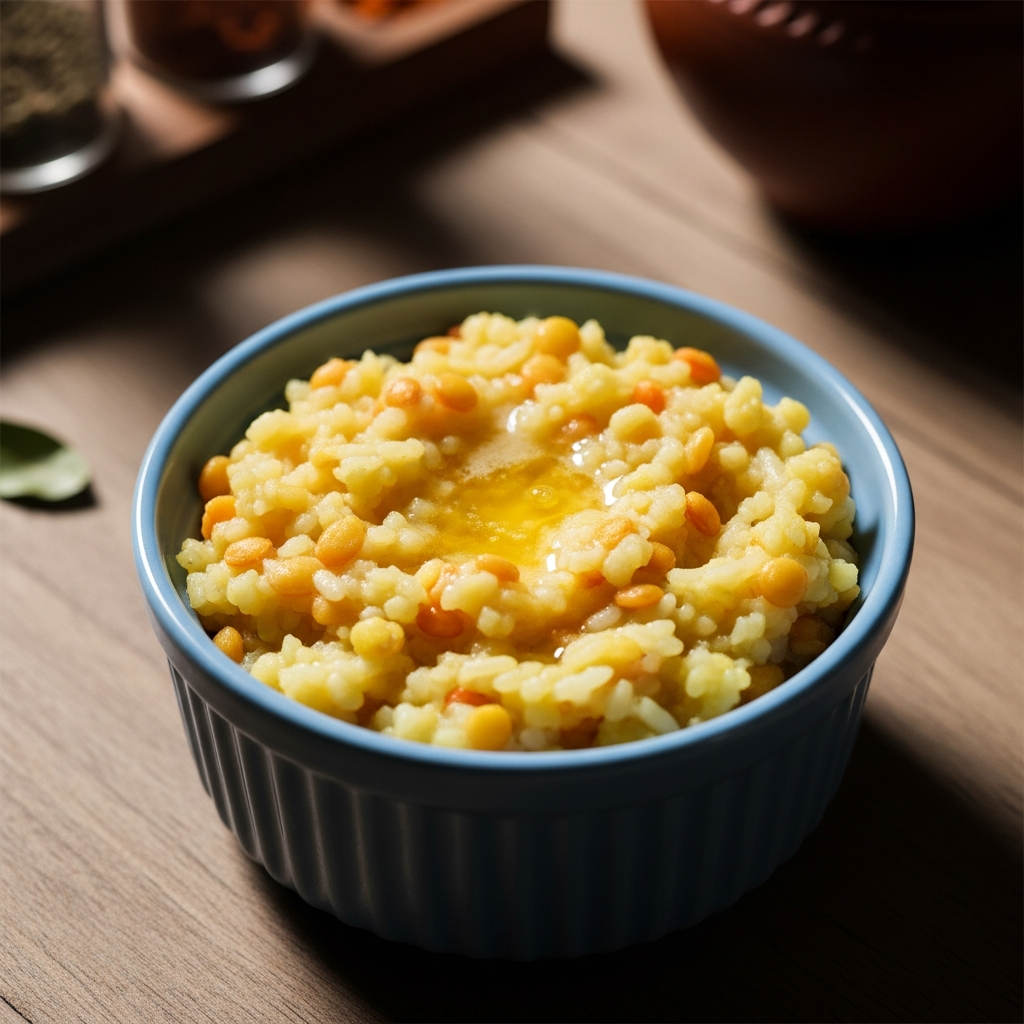
Indian cuisine offers some of the world's most baby-friendly first foods. Dal for babies has been the traditional Indian weaning food for centuries, providing complete protein, iron, and gentle spices that support digestion.
Dal Khichdi for Babies: The Traditional Indian First Food
Khichdi is India's answer to comfort food for babies, combining lentils and rice into a nutritionally complete meal. This baby dal khichdi recipe is perfect for introducing cultural baby food recipes.
Baby Dal Khichdi Recipe (6+ months)
Ingredients:
- 2 tablespoons moong dal (yellow lentils), washed
- 2 tablespoons white rice, washed
- 1 cup water
- Pinch of turmeric (optional, for babies 6+ months)
- 1/2 teaspoon ghee
Instructions:
- Combine washed dal and rice in a pot with 1 cup of water
- Add a tiny pinch of turmeric if desired
- Bring to a boil, then reduce heat and simmer covered for 20-25 minutes until very soft
- Mash or blend to your baby's preferred consistency
- Stir in ghee before serving
- For younger babies (6-8 months), blend smooth; for older babies (9+ months), leave some texture
Nutritional benefits: Iron, complete protein, fiber, B vitamins, and anti-inflammatory turmeric compounds.
Safe Indian Spices for Baby Food Introduction
Indian spices for baby food can be introduced gradually starting at 6 months:
| Spice | Age to Introduce | Benefits | Amount |
|---|---|---|---|
| Turmeric | 6+ months | Anti-inflammatory | Tiny pinch |
| Cumin | 6+ months | Digestive aid | Tiny pinch |
| Coriander | 6+ months | Mild flavor introduction | Small pinch |
| Ginger | 7+ months | Soothes digestion | Small grated amount |
Spices to avoid before 12 months: Chili, excessive salt, and raw honey.
Japanese Baby Food Recipes: Okayu and Traditional First Foods
Japanese rice porridge, known as okayu, represents the gold standard for gentle first foods. This silky okayu recipe has been nourishing Japanese babies for generations with its easy digestibility and versatile nature.
Okayu Recipe: Authentic Japanese Rice Porridge for Infants
The key to perfect okayu for baby lies in the water-to-rice ratio, which changes as your baby grows.
Basic Okayu Recipe
Ingredients:
- 2 tablespoons Japanese short-grain rice
- 1 cup water (for 10-bai gayu, the thinnest version)
Instructions:
- Rinse rice until water runs clear
- Combine rice and water in a small pot
- Bring to a boil, then reduce heat to lowest setting
- Cover and simmer for 30-40 minutes, stirring occasionally
- Blend or strain for youngest babies; leave some texture for older babies
Age-Appropriate Okayu Textures and Additions
| Age | Ratio (Water:Rice) | Texture | Additions |
|---|---|---|---|
| 5-6 months | 10:1 | Very thin, strained | Plain only |
| 7-8 months | 7:1 | Smooth puree | Pureed vegetables |
| 9-10 months | 5:1 | Some texture | Soft tofu, flaked fish |
| 11-12 months | 3:1 | Soft rice consistency | Nori flakes, mild dashi |
Beyond Okayu: Japanese Baby Food Traditions
Japanese baby food extends beyond rice porridge to include:
- Silken tofu: Excellent protein source, serve mashed from 6 months
- Sweet potato (satsumaimo): Naturally sweet, nutrient-dense puree
- Kabocha (Japanese pumpkin): Rich in vitamins A and C
- Edamame mash: Iron-rich but introduce carefully as soy is an allergen
Mexican Baby Food Recipes: Beans, Avocado, and Mild Flavors
Mexican baby food offers incredible nutrition through beans and avocados, two of the most nutrient-dense first foods available. Black beans for babies provide iron, protein, and fiber in a delicious, mild package.
Black Beans and Pinto Beans Preparation for Babies
Baby-Safe Refried Beans Recipe
Ingredients:
- 1/2 cup dried black or pinto beans (or 1 can low-sodium beans, drained and rinsed)
- 2 cups water (if using dried beans)
- Pinch of cumin
- 1 teaspoon olive oil
Instructions:
- If using dried beans, soak overnight, then cook until very soft (about 90 minutes)
- Drain beans, reserving some cooking liquid
- Heat olive oil in a pan, add beans and cumin
- Mash with a fork or potato masher, adding cooking liquid for desired consistency
- Blend smoother for younger babies
Tip: Soaking beans reduces compounds that cause gas, making them gentler on baby's digestion.
Baby-Friendly Avocado Mexican-Style Recipes
Avocado is often called nature's perfect baby food due to its healthy fats and creamy texture.
Simple Mexican Avocado Mash:
- Mash ripe avocado until smooth
- Add a tiny squeeze of lime juice (vitamin C boost)
- For older babies: mix with mashed black beans for a complete protein
Baby Guacamole (9+ months): Mashed avocado with a pinch of cumin, tiny bit of lime, and finely minced cilantro (skip onion and garlic for babies).
Introducing Mild Mexican Flavors Safely
Traditional Mexican first foods include:
- Calabacitas (squash): Mild, easy to digest from 6 months
- Chayote: Pear-shaped squash, perfect first vegetable
- Cilantro: Fresh herb, some babies love it, others reject it
Avoid before 12 months: Raw onion, large amounts of garlic, hot peppers, and high-sodium salsas.
Italian Baby Food Recipes: Risotto, Pasta, and Mediterranean Nutrition

Italian baby food brings the warmth of Mediterranean cooking to your little one's plate. Risotto for babies offers creamy comfort while pasta provides an excellent finger food for baby-led weaning.
Baby-Friendly Risotto: Creamy and Nutritious
Butternut Squash Risotto for Babies (8+ months)
Ingredients:
- 2 tablespoons Arborio rice
- 1/4 cup butternut squash, diced small
- 3/4 cup homemade low-sodium vegetable stock
- 1 teaspoon olive oil
- Pinch of dried basil
Instructions:
- Steam butternut squash until very soft; mash or puree
- Heat olive oil in a small pan, add rice and stir for 1 minute
- Add stock gradually, stirring frequently, allowing rice to absorb liquid
- Cook 20-25 minutes until rice is very soft
- Stir in squash puree and basil
- Add breast milk or formula for extra creaminess if desired
First Pasta for Babies: Shapes, Sizes, and Sauces
Best pasta shapes for babies include:
- Orzo: Rice-shaped, easy to manage
- Stelline: Tiny stars, perfect for spoon-feeding
- Small shells: Good for self-feeding around 9+ months
- Fusilli: Spiral shape is easy to grip for older babies
Important: Cook pasta softer than al dente for baby safety. Serve with simple tomato sauce (no added salt, cooked down for natural sweetness) or tossed in olive oil with mild Italian herbs.
Mediterranean and Middle Eastern Baby Food Traditions
The Mediterranean diet has been recognized as one of the healthiest eating patterns worldwide. For babies, hummus for babies offers both excellent nutrition and an opportunity for early allergen introduction through tahini.
Homemade Hummus for Babies: Safe Introduction and Recipes
Tahini for babies provides early sesame exposure, which research on early allergen introduction suggests may help reduce allergy risk when introduced early.
Baby-Safe Hummus Recipe (6+ months)
Ingredients:
- 1/2 cup cooked chickpeas (canned okay, rinse well)
- 1 tablespoon tahini (for first introduction, use only 1/4 teaspoon)
- 2 tablespoons olive oil
- 2 tablespoons water or breast milk
- Squeeze of lemon juice (optional)
Instructions:
- Blend all ingredients until completely smooth
- Add more liquid as needed for baby-appropriate consistency
- For first tahini introduction, offer just 1/4 teaspoon mixed into familiar food
- Wait 2-3 days before offering regular hummus if no reaction occurs
Greek and Lebanese Baby Food Favorites
- Greek yogurt: Excellent protein and probiotics (use full-fat, plain varieties)
- Olive oil: Drizzle on vegetables for healthy fats supporting brain development
- Lentil soup: Middle Eastern style with cumin, gentle and iron-rich
- Cucumber and mint: Refreshing combination for older babies
Asian Baby Food Recipes: Congee, Korean Juk, and Thai Flavors
Asian baby food recipes extend beyond Japanese okayu to include Chinese congee and Korean juk, each with unique characteristics perfect for growing babies.
Chinese Congee for Babies: Comforting Rice Porridge
Congee for babies differs from okayu in being thicker and more savory. The traditional 1:10 rice-to-water ratio creates a comforting meal.
Basic Baby Congee:
- Cook 2 tablespoons rice in 1.5 cups water for 45-60 minutes
- Stir frequently until creamy and thick
- Add cooked egg yolk, flaked fish, or soft vegetables for older babies
- A small piece of ginger during cooking aids digestion (remove before serving)
Important: Avoid century egg and high-sodium preserved foods for babies.
Korean Juk: Nutrient-Dense Porridge Variations
Korean baby food features juk in various flavors:
- Pumpkin juk (hobakjuk): Naturally sweet, rich in vitamin A
- Black sesame juk: Iron-rich, creamy texture
- Beef juk: Iron-boosting protein for older babies
Korean pear puree is a traditional remedy for constipation in babies and makes a delicious, mild introduction to Korean baby food.
Thai-Inspired Baby Food with Gentle Spices
Coconut milk for babies can be introduced around 6 months in cooking. Note that while coconut is not technically a tree nut, some babies with tree nut allergies may react.
- Thai pumpkin soup: Pumpkin cooked in diluted coconut milk
- Mango with sticky rice: Modified with less sugar for babies 9+ months
- Lemongrass-infused rice: Remove lemongrass before serving for subtle flavor
Avoid for babies: Fish sauce (high sodium), Thai chilies, and full-strength coconut cream.
African Baby Food Recipes: Nutritious Traditional First Foods
African baby food recipes represent some of the most nutritious traditional weaning foods worldwide, yet remain underrepresented in mainstream baby food discussions.
Nigerian Pap (Ogi) for Babies: Fermented Corn Porridge
Pap for babies is a traditional Nigerian weaning food made from fermented corn, offering natural probiotics and easier digestion.
Benefits of traditional pap:
- Fermentation increases nutrient bioavailability
- Natural probiotics support gut health
- Smooth texture ideal for beginning eaters
- Can be enriched with groundnut (peanut) for protein (allergen awareness required)
Ethiopian and East African Baby Food Traditions
- Ethiopian lentil stew (misr wot adaptation): Red lentils cooked without berbere spice, naturally mild and iron-rich
- Kenyan sweet potato puree: Orange-fleshed sweet potatoes provide vitamin A and natural sweetness
- Banana and millet: Traditional combination offering complete nutrition
Note: Traditional injera may be too acidic for young babies; wait until 10+ months.
West African Nutrient-Dense Baby Foods
- Plantain: Ripe plantain mashes beautifully for babies 6+ months
- Groundnut soup adaptation: Diluted peanut butter mixed with vegetables (introduce peanuts carefully as a top allergen)
Frequently Asked Questions About International Baby Food
Parents frequently ask about introducing cultural baby food recipes safely. Here are expert answers to the most common questions about international baby food.
What age can babies start eating international foods with spices?
Most babies can begin trying mild spices like turmeric, cumin, and cinnamon at 6 months when starting solids. Start with tiny amounts (a pinch) mixed into familiar purees. Avoid hot spices like chili until after 12 months, and always introduce one new spice at a time to monitor for any reactions.
Can babies eat Indian food like dal and curry?
Yes, babies can safely eat Indian foods starting at 6 months. Dal (lentils) and khichdi are traditional Indian first foods rich in protein and iron. For curries, omit chili and reduce spice intensity. Many Indian spices like turmeric and cumin offer digestive benefits when introduced gradually.
Is Japanese rice porridge (okayu) safe for 6-month-old babies?
Yes, okayu is an excellent first food for 6-month-old babies. Start with thin 10-bai gayu (10 parts water to 1 part rice) and gradually thicken as baby develops. Use Japanese short-grain rice for the traditional smooth texture that is gentle on developing digestive systems.
How do I introduce tahini and hummus to my baby for allergen exposure?
Introduce tahini around 6 months by mixing 1/4 teaspoon into purees or breast milk. For hummus, start with a small amount of smooth, baby-safe hummus without raw garlic. Early introduction of sesame (a top allergen) may help reduce allergy risk according to current pediatric guidelines.
Are beans and legumes safe first foods for babies?
Yes, well-cooked, pureed beans are excellent first foods offering iron, protein, and fiber. Black beans, pinto beans, lentils, and chickpeas are all appropriate from 6 months. Cook until very soft, puree smoothly, and introduce one variety at a time to monitor tolerance.
What international baby foods help with iron intake?
Iron-rich international baby foods include Indian dal and khichdi (lentils), hummus and falafel (chickpeas), Mexican black beans, Japanese edamame (soybeans), and African groundnut-based foods. Pair these with vitamin C-rich foods like tomatoes or citrus to enhance iron absorption.
Can I give my baby coconut milk in Asian recipes?
Coconut milk can be introduced around 6 months in small amounts as a cooking ingredient. While not a tree nut, some babies with tree nut allergies may react to coconut. Start with a small amount in recipes and watch for any allergic reactions. It should not replace breast milk or formula as a drink.
What cultural baby foods should I avoid before 12 months?
Avoid honey (botulism risk), whole nuts (choking hazard), high-sodium foods like fish sauce or soy sauce in large amounts, raw or undercooked eggs, unpasteurized cheeses, and spicy chili peppers. Also avoid excessive salt, sugar, and any cultural foods containing alcohol-based marinades.
Bringing the World to Your Baby's High Chair
Introducing international baby food opens a world of flavors, nutrients, and cultural connections for your little one. From the protein-rich dal of India to the silky okayu of Japan, from Mexican beans to Italian risotto, every spoonful offers an opportunity for your baby to develop a diverse palate that will serve them throughout life.
Remember, the key to success with cultural baby food recipes lies in gradual introduction, age-appropriate textures, and patience. Every baby is different, and what matters most is that you are providing nutritious, lovingly prepared foods that honor both your family's heritage and global culinary traditions.
At PatPat, we celebrate families who embrace world cuisines for baby nutrition. As you embark on this delicious journey of introducing international baby food, know that you are giving your child one of the greatest gifts: an appreciation for the beautiful diversity of foods our world has to offer. Start with one recipe, let your baby guide you, and enjoy watching their taste preferences expand with each new cultural discovery.





