


You have just seen those two pink lines, and suddenly your mind races through a million questions. Among the most pressing: what clothes will your baby actually need? Planning a newborn wardrobe can feel overwhelming when you are staring at racks of adorable outfits without knowing where to begin. Here is the secret most first-time parents miss: your due date holds the key to smart baby clothes shopping.
When you understand which season your baby will arrive in, you transform guesswork into strategic planning. A December baby needs completely different essentials than a July baby. That cozy fleece sleep sack sitting in your cart? Perfect for a winter newborn, but unnecessary for a summer arrival who needs breathable fabrics instead.
Not sure of your exact due date? Use the PatPat due date calculator to determine your baby's expected arrival month and start planning the perfect seasonal baby outfits. In this guide, you will discover exactly what clothes to buy for baby born in any month, from essential quantities to fabric choices that keep your little one comfortable year-round. PatPat has curated collections designed specifically for each season, making your shopping experience simpler and more enjoyable.
How Your Due Date Shapes Your Baby's First Wardrobe
Your baby's birth month determines which sizes they will wear in each season. This matters more than most parents realize because babies grow remarkably fast. According to Gerber Childrenswear, most babies fit into newborn clothes for only 2-6 weeks, and some outgrow them even faster depending on their birth weight.
Understanding Baby Clothing Sizes by Age
Before you start shopping, understand what each size range actually means:
| Size | Weight Range | Typical Duration |
|---|---|---|
| Newborn (NB) | 5-8 lbs | 2-6 weeks |
| 0-3 months | 8-12 lbs | 6-12 weeks |
| 3-6 months | 12-16 lbs | 8-12 weeks |
| 6-9 months | 16-20 lbs | 8-12 weeks |
During the first three months, infants gain around five to seven ounces per week based on WHO growth standards. This rapid growth means the seasonal wardrobe you buy today might be too small by the time that season actually arrives.
Planning Ahead: What Size for What Season
Here is where many parents make costly mistakes. A baby born in December will be wearing 3-6 month clothes by March or April when spring arrives. If you stock up on newborn-sized winter clothes, your baby will outgrow them before winter ends. Conversely, buying too many warm-weather pieces in small sizes for a summer baby means those adorable sundresses might never get worn.
Consider this real-world scenario: Sarah expected her baby in November and received mostly newborn-sized winter clothes at her shower. By January, her baby had graduated to 0-3 month sizes, and by February, those cozy winter outfits sat unused while she scrambled to find appropriate cold-weather clothing in larger sizes.
Smart planning means buying:
- Newborn and 0-3 month sizes in your baby's birth season
- 3-6 month sizes in the following season
- 6-9 month sizes for two seasons after birth
For parents who want versatile pieces that work year-round, an all-season baby wardrobe collection includes transitional items suitable for layering in any weather.
Winter Baby Wardrobe Essentials for December, January, and February Arrivals
If you are expecting a winter baby, warmth and layering become your top priorities. However, dressing a winter newborn involves more nuance than simply piling on clothes. You need to balance indoor heating with outdoor cold, all while keeping your baby safe. Many new parents worry about their December or January baby feeling chilly, but the bigger concern during winter months is actually overheating when indoors.
Cozy Winter Sets for December Babies
What clothes to buy for baby born in December starts with understanding temperature regulation. The Sleep Foundation recommends keeping baby's room between 68-72 degrees Fahrenheit to reduce overheating risks. This means your home will likely be comfortably warm, so you do not need extremely heavy clothing indoors.
Focus on these winter newborn essentials:
- Fleece-lined outfits for outdoor trips
- Footie pajamas with fold-over mittens
- Warm sleep sacks rated 1.0-2.5 TOG
For overnight comfort, bamboo baby pajamas offer natural temperature regulation, keeping winter babies warm without overheating. Research shows bamboo fabric is around 20% more breathable than cotton, so babies stay comfortable whether sleeping in a heated room or cooler environment.
Layering Strategies for Cold Weather Newborns
Effective winter dressing follows a three-layer approach:
- Base layer: Layer soft cotton bodysuits as the foundation of every winter outfit
- Middle layer: Add rompers or lightweight jumpsuits for warmth
- Outer layer: Fleece or knit cardigans for adjustable comfort
A critical safety note: NHTSA warns that a bulky coat and a child car seat can be a dangerous combination. Puffy jackets create dangerous slack in harness straps. Instead, dress your baby in thin layers and place a blanket over the secured harness.
Winter Wardrobe Checklist
- 6-8 long-sleeve bodysuits
- 4-6 footed sleepers
- 2-3 fleece sleep sacks
- 3-4 cotton or bamboo pajama sets
- 2-3 warm cardigans
- 2-4 pairs of soft booties
- 3-4 cotton hats

Spring Baby Clothing Guide for March, April, and May Birthdays
Spring babies present a unique challenge: unpredictable weather. One day might bring morning frost and afternoon sunshine, requiring you to dress baby in layers you can easily add or remove. Parents of March and April newborns often find themselves checking weather apps multiple times daily, planning outfits that adapt to temperature swings of twenty degrees or more.
Transitional Layering for Unpredictable Weather
What clothes for baby born in March requires flexibility. Focus on versatile pieces that work across temperature swings:
- Light cardigans and zip-up hoodies
- Both short and long-sleeve options
- Breathable fabrics that layer well
Lightweight baby rompers are perfect spring staples, offering easy dressing with enough coverage for cooler mornings. Pair them with a cardigan when heading outside and remove the layer as temperatures rise.
Spring Wardrobe Quantities and Must-Haves
April baby clothing essentials should include a thoughtful mix of weights. Unlike winter or summer babies who need season-specific items, spring newborns benefit from the most variety:
- 6-8 short-sleeve bodysuits
- 4-5 long-sleeve bodysuits
- 4-6 lightweight rompers
- 2-3 light cardigans
- 2-3 pairs of soft pants
- 1-2 lightweight sleep sacks (0.5-1.0 TOG)
The beauty of spring newborn outfits lies in their adaptability. Many pieces transition seamlessly into summer wear as your baby grows into larger sizes. Consider Easter outfit planning too if your due date falls in March or early April.
Summer Newborn Essentials for June, July, and August Babies
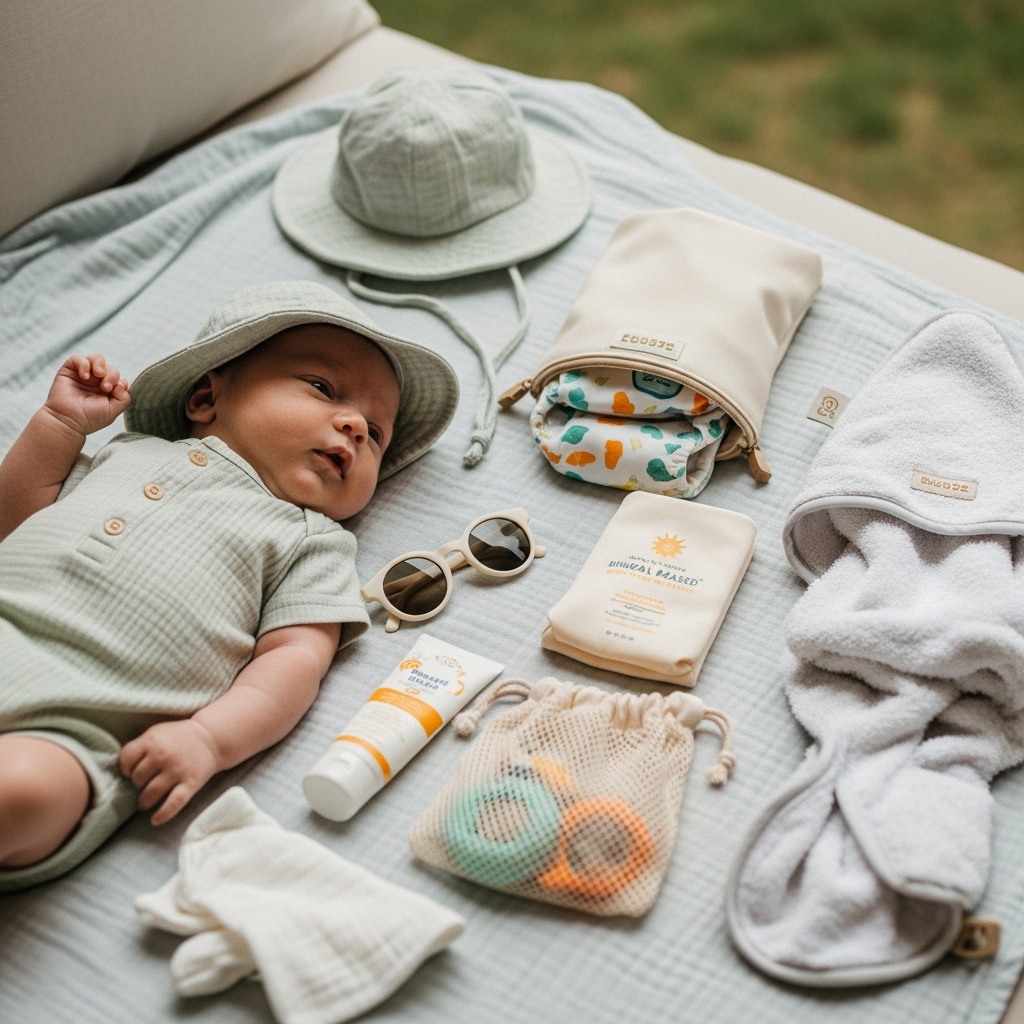
Summer babies need breathability above all else. Overheating poses serious risks: the National Institutes of Health notes that thermal stress can increase demand on the thermoregulatory mechanism during sleep, potentially impairing arousal mechanisms. This makes fabric choice critical for June, July, and August arrivals.
Parents of summer babies often discover that less is more. A simple bodysuit might be all your newborn needs during peak heat, and you may find yourself rotating through the same few lightweight pieces rather than the elaborate outfits you imagined.
Best Fabrics for Hot Weather: Bamboo vs Cotton
Both cotton and bamboo work well for summer, but bamboo offers distinct advantages. Pediatric dermatologists confirm that bamboo fabric is naturally hypoallergenic, making it ideal for sensitive newborn skin. The fabric also excels at moisture-wicking, keeping sweaty babies dry and comfortable.
When comparing these fabrics for July born baby wardrobe items:
- Bamboo: Superior temperature regulation, softer texture, eco-friendly
- Cotton: Affordable, widely available, easy to wash
- Best choice: Organic versions of either for sensitive skin
Keeping Summer Babies Cool Day and Night
How to dress newborn in summer depends on your environment. Air-conditioned homes create different needs than naturally ventilated spaces.
For daytime, dress your summer baby in airy summer rompers that allow maximum airflow. For overnight, breathable bamboo sleepwear keeps babies cool while wicking away moisture.
Watch for these overheating signs:
- Flushed cheeks or red skin
- Sweaty hair or dampness
- Rapid breathing
- Fussiness or difficulty settling
Summer Wardrobe Checklist
- 8-10 short-sleeve bodysuits
- 4-6 lightweight rompers
- 3-4 cotton or bamboo sleep gowns
- 2-3 muslin sleep sacks (0.2-0.5 TOG)
- 2-3 sun hats with brim
- 1-2 lightweight cover-ups for shade
Fall Baby Wardrobe Checklist for September, October, and November Arrivals
Fall newborn outfits blend the coziness of winter wear with transitional versatility. Your October baby wardrobe essentials should prepare for declining temperatures while considering that baby will wear larger sizes by the time winter fully arrives. Many parents find autumn the most enjoyable season for baby's first wardrobe since the weather is comfortable for outdoor strolls and photo opportunities abound with colorful foliage.
Cozy Essentials for Autumn Newborns
Autumn baby clothes prioritize warmth without bulk. Focus on:
- Soft fleece and cotton blends
- Earth-tone color palettes that hide stains
- Textured knits that add visual warmth
Stock up on long-sleeve bodysuits as the foundation of every fall outfit, perfect for layering under rompers and cardigans.
Preparing for Baby's First Winter in Larger Sizes
What clothes for September baby planning should include looking ahead. Your newborn will be 3-4 months old by December, wearing 3-6 month sizes during peak winter. Plan accordingly:
- Purchase newborn and 0-3 month sizes in fall styles
- Buy 3-6 month sizes in winter-weight fabrics
- Consider holiday outfit needs for Thanksgiving and Christmas
Fall Wardrobe Checklist
- 6-8 long-sleeve bodysuits
- 4-6 footed rompers or jumpsuits
- 3-4 cozy pajama sets
- 2-3 medium-weight cardigans
- 2-3 cotton or knit hats
- 1-2 sleep sacks (1.0 TOG)
Coordinating Family Outfits with Your Newborn by Season
Matching family outfits have become a beloved tradition, especially for holiday photos and special occasions. Social media has amplified this trend, with parents eager to capture coordinated family moments from baby's earliest days. Whether you prefer exact matches or subtle coordination, planning around your baby's birth season creates memorable moments that you will treasure for years.
Holiday Matching Pajamas for the Whole Family
Nothing captures holiday magic quite like coordinated family sleepwear. For winter babies, your newborn can join the tradition right away. Summer babies might wait until December when they are 4-6 months old and can wear the same prints in larger sizes.
When shopping for matching sets, look for:
- Collections offering sizes from newborn through adult
- Comfortable fabrics everyone will actually wear
- Timeless patterns you will cherish in photos for years
Everyday Coordinated Looks Without Being Too Matchy
Complete your coordinated family look with matching rompers for baby that complement adult styles. You do not need identical outfits to look cohesive. Consider these approaches:
- Color palette coordination: Everyone wears shades of blue and cream
- Complementary patterns: Adults in solids, baby in matching stripes
- Mommy-and-me or daddy-and-me: One parent coordinates directly with baby
Seasonal color palettes that photograph beautifully include warm neutrals for fall, rich jewel tones for winter, soft pastels for spring, and bright whites for summer.
Building a Minimalist Baby Capsule Wardrobe for Any Season
Not every parent wants overflowing drawers of baby clothes. A baby capsule wardrobe focuses on quality basics that mix, match, and reduce decision fatigue during those sleep-deprived early weeks. This approach has gained popularity among parents who value sustainability, prefer fewer but higher-quality items, or simply want to avoid the overwhelm of too many clothing choices at three in the morning.
Essential Quantities for a Functional Minimalist Wardrobe
The minimalist baby wardrobe strips away excess while ensuring you never run out of clean clothes. Here is what you actually need:
- 7 bodysuits (mix of short and long sleeve based on season)
- 5 sleepers or pajamas
- 4 rompers or one-piece outfits
- 3 pants or leggings
- 2 sweaters or cardigans
- 2 sleep sacks (different TOG ratings)
- 4 pairs of socks
- 2 hats
This capsule covers approximately one week with regular laundry, plus backup for inevitable blowouts and spit-up incidents.
Investing in Quality Basics That Last
Build your capsule around versatile all-season pieces that transition smoothly between temperatures. When investing in newborn essentials:
- Choose bamboo or organic cotton for durability and softness
- Look for reinforced snaps and quality stitching
- Select neutral colors that work for future siblings or resale
Invest in quality bodysuits as your capsule wardrobe foundation since baby will wear them daily. Higher-quality basics withstand countless washes and maintain softness against delicate skin.
One practical tip: keep a small basket of extra bodysuits and sleepers in your diaper changing station. When blowouts happen (and they will), you want clean clothes within arm's reach rather than across the room.
Start Planning Your Baby's Seasonal Wardrobe Today
Planning a newborn wardrobe based on your due date transforms an overwhelming task into manageable, strategic shopping. You now understand how baby clothes by season should align with growth patterns, why certain fabrics matter for temperature regulation, and exactly how many pieces create a functional wardrobe.
Remember the key principles: buy the current season in smaller sizes, plan one season ahead in larger sizes, and invest in quality basics that serve as versatile foundations. Whether you are expecting a cozy winter baby or a breezy summer newborn, the right seasonal baby outfits keep your little one comfortable from day one.
Ready to start building your baby's perfect wardrobe? Calculate your due date to determine exactly which seasonal essentials your baby needs. Then explore the PatPat all-season collection to find versatile pieces perfect for any birth month. With thoughtful planning and the right pieces, you will be fully prepared to welcome your baby in style.
Frequently Asked Questions About Seasonal Baby Wardrobes
How many clothes does a newborn actually need?
A newborn needs approximately 6-8 bodysuits, 4-6 sleepers, 4-5 rompers, and 2-3 sleep sacks for a functional wardrobe. This provides enough for daily changes and laundry cycles. Adjust quantities based on your laundry frequency and whether you prefer outfit variety or minimalist essentials.
What size baby clothes should I buy before the baby arrives?
Buy mostly 0-3 month sizes rather than newborn, as babies outgrow newborn sizes within 2-4 weeks. Purchase 2-3 newborn outfits for the first weeks, then stock up on 0-3 month clothes. Consider your due date season when selecting between short-sleeve and long-sleeve options.
Why are bamboo pajamas recommended for babies?
Bamboo pajamas naturally regulate temperature, keeping babies comfortable in warm and cool conditions. The fabric is hypoallergenic, softer than cotton, and has moisture-wicking properties that reduce night sweats. Bamboo is also environmentally sustainable and becomes softer with each wash.
How should I dress my newborn for sleep in winter?
Dress your winter newborn in a fitted sleeper or footie pajamas with a sleep sack rated 1.0-2.5 TOG depending on room temperature. Avoid loose blankets for safety. According to the HALO TOG chart, rooms between 61-68 degrees Fahrenheit need 2.5-3.5 TOG sleep sacks.
What is the difference between a romper and a onesie?
A onesie (bodysuit) covers the torso with snaps at the crotch, leaving legs bare. A romper is a complete outfit combining top and shorts or pants in one piece. Bodysuits work as base layers under other clothes, while rompers function as standalone outfits perfect for warmer weather.
When should I start buying baby clothes during pregnancy?
Start buying baby clothes during the second trimester (around 20 weeks) once you have confirmed your due date and know the birth season. This timing allows you to shop sales, receive gifts at your baby shower, and avoid accumulating too much in the wrong sizes or seasons.
Can newborns wear short sleeves in winter indoors?
Yes, newborns can wear short-sleeve bodysuits in winter if your home is consistently warm (68-72 degrees Fahrenheit). Layer a long-sleeve cardigan or footed romper over the bodysuit for adjustable warmth. The key is maintaining appropriate body temperature rather than following strict sleeve-length rules.
How do I know if my baby is too hot or too cold?
Check your baby's chest, back, or tummy rather than hands and feet, which are often naturally cooler. A comfortable baby feels warm but not sweaty. Signs of overheating include flushed cheeks, sweating, and rapid breathing. Signs of being cold include cool torso, fussiness, and pale skin.




