


You expected the morning sickness and the cravings. But did anyone prepare you for the anxiety that keeps you awake at 3 AM, or the unexpected sadness that sometimes overshadows the excitement of pregnancy? If you are struggling with your mental health during pregnancy, you are far from alone.
According to the Maternal Mental Health Leadership Alliance, 1 in 5 pregnant women experience mental health conditions during or after pregnancy. Yet despite how common these experiences are, many expecting mothers feel isolated in their struggles, uncertain whether what they are feeling is normal or something more serious.
Pregnancy is often portrayed as a time of glowing happiness, but the reality is far more complex. Your body is undergoing massive changes, your hormones are fluctuating wildly, and you are facing one of life's biggest transitions. It makes perfect sense that your emotional wellbeing during pregnancy might feel shaky at times.
At PatPat, we believe that caring for expecting parents means addressing all aspects of parenthood, including the mental and emotional challenges that often go unspoken. This guide will help you understand pregnancy mental health, recognize warning signs, and discover practical strategies to protect your wellbeing. Because taking care of yourself is the first step in taking care of your baby.
Understanding Mental Health Changes During Pregnancy
Why Pregnancy Affects Your Emotional Wellbeing
Your body becomes a completely different environment during pregnancy, and your brain feels the effects. Hormonal changes are the primary driver of mood shifts. Estrogen and progesterone levels increase dramatically, affecting neurotransmitters like serotonin and dopamine that regulate your emotions. Meanwhile, cortisol (the stress hormone) also rises, which can heighten feelings of anxiety.
But hormones are only part of the story. Physical discomfort from nausea, back pain, and fatigue can wear down your emotional reserves. Sleep disruption, which affects nearly every pregnant woman to some degree, compounds the problem. When you are exhausted, everything feels harder to manage.
Life transition stress plays a significant role too. You may be worried about finances, your relationship, your career, or simply whether you will be a good parent. These concerns are completely valid and incredibly common.
The Difference Between Normal Mood Swings and Mental Health Concerns
Emotional fluctuations during pregnancy are normal. You might cry at commercials one moment and feel elated the next. However, there is a difference between typical pregnancy emotions and something more serious.
Normal mood swings tend to come and go. They do not dominate your life or prevent you from functioning. Mental health concerns, on the other hand, are more persistent and intense. According to research cited by the Policy Center for Maternal Mental Health, 20% of women experience maternal anxiety disorders, with the highest rates occurring during early pregnancy.
Self-awareness is your most powerful tool. Pay attention to patterns in your emotions. Are difficult feelings lasting for weeks rather than days? Are they interfering with your work, relationships, or ability to care for yourself? These are important questions to consider.
Recognizing Signs of Prenatal Depression and Anxiety
One of the most important things you can do for your mental health during pregnancy is learn to recognize when normal discomfort crosses into territory that requires support. Many women dismiss their symptoms, assuming they are just "pregnancy hormones," but early recognition leads to better outcomes.
Common Symptoms of Prenatal Depression
Prenatal depression often looks different from how depression is typically portrayed. Watch for these signs:
- Persistent sadness or emptiness lasting more than two weeks
- Loss of interest in activities you once enjoyed
- Changes in appetite (eating significantly more or less than usual)
- Sleep disturbances beyond normal pregnancy discomfort
- Difficulty bonding with or feeling connected to your pregnancy
- Feelings of worthlessness, guilt, or being a burden
- Trouble concentrating or making decisions
- Thoughts of self-harm or not wanting to be alive
Signs of Anxiety During Pregnancy
Prenatal anxiety can be equally debilitating. Common symptoms include:
- Excessive, uncontrollable worry about your baby's health
- Racing thoughts and inability to relax
- Physical symptoms like heart palpitations, shortness of breath, or dizziness
- Panic attacks during pregnancy
- Intrusive, unwanted thoughts that disturb you
- Avoiding situations, people, or activities due to fear
When Normal Worry Becomes a Problem
The statistics are sobering. According to the Maternal Mental Health Leadership Alliance, 75% of affected women remain untreated, often because they do not recognize their symptoms or feel too ashamed to ask for help.
Even more concerning, as noted by the American Psychiatric Association, approximately 50% of postpartum depression cases actually begin during pregnancy. This is why the medical community now uses the term "perinatal depression" to acknowledge that these conditions span both pregnancy and the postpartum period.
Self-Care Strategies for Emotional Wellbeing During Pregnancy
Taking care of your mental health during pregnancy requires intentional effort. The good news is that many effective strategies are simple, accessible, and can be woven into your daily routine.
Mindfulness and Relaxation Techniques for Pregnant Women
Mindfulness practices have been shown to reduce anxiety and improve emotional wellbeing during pregnancy. Consider these approaches:
- Deep breathing exercises: Try the 4-7-8 technique (inhale for 4 counts, hold for 7, exhale for 8). This activates your parasympathetic nervous system and calms your body.
- Prenatal meditation: Apps like Calm, Headspace, and Expectful offer pregnancy-specific guided meditations.
- Progressive muscle relaxation: Systematically tensing and releasing muscle groups can release physical tension that contributes to anxiety.
- Visualization: Imagining peaceful scenes or positive outcomes for your birth can shift your mindset.
Physical Activities That Support Pregnancy Mental Health
Movement is medicine for your mood. When you exercise, your body releases endorphins that naturally lift your spirits.
- Prenatal yoga: Combines physical movement with breathwork and mindfulness, specifically designed for pregnant bodies.
- Walking: A simple 20-minute walk can significantly improve mood and reduce anxiety.
- Swimming: The buoyancy of water relieves physical pressure while providing gentle exercise.
- Prenatal fitness classes: Offer the added benefit of community with other expecting mothers.
Building a Daily Wellness Routine
Consistency matters more than perfection. Consider incorporating these elements into your daily life:
- Morning rituals: Start your day with something calming rather than immediately checking your phone.
- Sleep hygiene: Establish a consistent bedtime routine, limit screens before bed, and create a comfortable sleep environment.
- Nutrition: What you eat affects your mood. Focus on balanced meals with protein, complex carbohydrates, and omega-3 fatty acids.
- Journaling: Writing about your feelings can help process emotions and identify patterns.
Many expecting mothers find that preparing for their baby's arrival can be a therapeutic activity. Choosing soft, comfortable items like organic bamboo baby clothes or organizing newborn essentials can provide a sense of control and positive anticipation during an uncertain time.
The Importance of Your Support System
No one should navigate pregnancy mental health challenges alone. Building and leaning on your support system is not a sign of weakness. It is essential self-care during pregnancy.
Communicating Your Needs to Your Partner
Your partner cannot read your mind, even if they wish they could. Clear communication about what you need emotionally can prevent misunderstandings and ensure you get the support you require.
- Be specific about what helps (and what does not)
- Choose calm moments for difficult conversations
- Use "I" statements to express feelings without blame
- Acknowledge that your partner may also be struggling with the transition
Building Your Village: Friends, Family, and Community
Take inventory of your relationships. Who makes you feel supported and understood? Who drains your energy? During pregnancy, you have permission to prioritize relationships that nurture you.
Online communities can be valuable resources. Forums like Reddit's r/pregnant and r/BabyBumps connect you with others who understand exactly what you are experiencing. Local pregnancy support groups offer face-to-face connection with other expecting parents.
What Partners Can Do to Help
Note for Partners: If you are reading this to support your pregnant loved one, thank you. Here is how you can help:
- Practice active listening without trying to "fix" everything
- Take on additional household responsibilities
- Attend prenatal appointments when possible
- Educate yourself about maternal mental health
- Encourage professional help without pressure
- Be patient. Mood changes are not personal attacks.

Professional Help and Treatment Options for Prenatal Mental Health
Self-care strategies are valuable, but sometimes professional support is necessary. Seeking help is a sign of strength and good parenting, as taking care of your mental health directly benefits your baby.
When to Seek Professional Help
Consider reaching out to a healthcare provider if you experience:
- Symptoms lasting more than two weeks
- Difficulty functioning at work or in daily activities
- Panic attacks or severe anxiety
- Thoughts of harming yourself or not wanting to be alive
- Inability to eat or sleep despite best efforts
- Feeling disconnected from your pregnancy
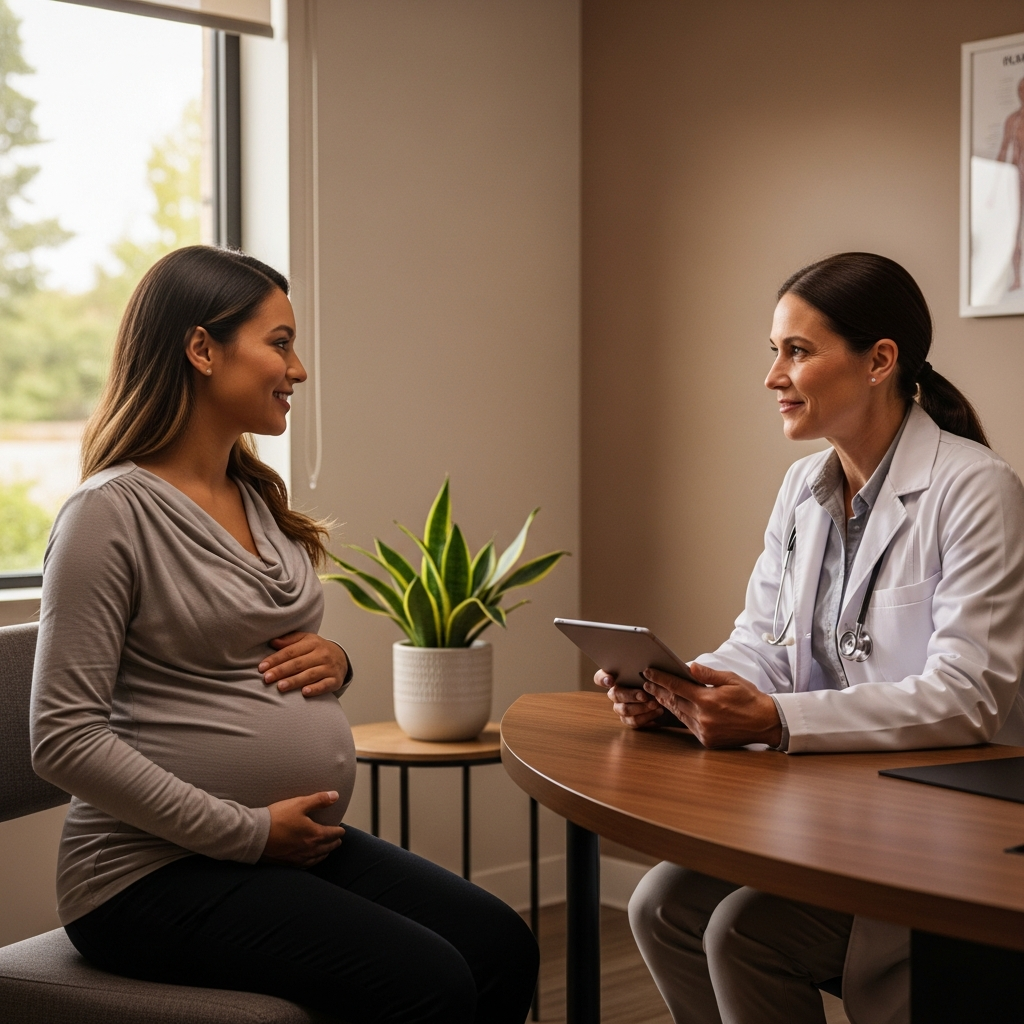
The American College of Obstetricians and Gynecologists recommends mental health screening during prenatal visits. Do not wait for your provider to bring it up. You can initiate the conversation.
Safe Therapy Options During Pregnancy
Several evidence-based therapy approaches are safe and effective during pregnancy:
- Cognitive Behavioral Therapy (CBT): Helps identify and change negative thought patterns that contribute to anxiety and depression.
- Interpersonal Therapy (IPT): Focuses on relationships and life transitions, making it particularly relevant for pregnancy.
- Perinatal mental health specialists: Therapists with specific training in pregnancy and postpartum mental health understand the unique challenges you face.
- Telehealth options: Virtual therapy makes accessing care more convenient, especially when pregnancy symptoms make travel difficult.
Understanding Medication Safety During Pregnancy
Important Disclaimer: This section provides general information only and is not medical advice. All decisions about medication during pregnancy should be made in consultation with your healthcare provider.
The decision to take or continue medication during pregnancy is highly individual. For many women, the benefits of treating mental health conditions outweigh potential risks, as untreated depression and anxiety also carry risks for mother and baby.
Key points to discuss with your provider:
- Never stop taking prescribed medication without medical guidance
- Ask about the specific risks and benefits of your current medications
- Discuss alternatives if needed
- Create a plan for managing medications during pregnancy and breastfeeding
Preparing Mentally for Your Baby's Arrival
Prevention is powerful. Taking steps during pregnancy to prepare for the postpartum period can significantly reduce your risk of mental health challenges after birth.
Creating a Mental Health Plan for the Postpartum Period
Just as you create a birth plan, consider creating a mental health plan. This might include:
- Warning signs to watch for (yours and your partner's)
- A list of people you can call for support
- Your healthcare provider's contact information for non-emergencies
- Crisis hotline numbers saved in your phone
- Plans for the first few weeks, including who will help with meals, household tasks, and childcare for older children
Nesting Activities That Reduce Anxiety
The nesting instinct serves a psychological purpose. Preparing your home and your baby's space gives you a sense of control during an uncertain time.
Nesting is more than just preparing a space. It is a way many expecting mothers channel their anticipation into positive action. Selecting your baby's first wardrobe, from cozy newborn clothes to everyday baby outfits, can create moments of joy and connection with your baby before they arrive.
Set realistic expectations. You do not need everything perfect before baby arrives. Focus on essentials and give yourself permission to figure out the rest later.
Managing Fear of Childbirth (Tokophobia)
Fear of giving birth is incredibly common. For some women, this fear is mild. For others, it can be severe enough to warrant professional support.
Strategies that help include:
- Childbirth education classes that demystify the process
- Touring the birth facility in advance
- Discussing pain management options with your provider
- Working with a therapist who specializes in birth anxiety
- Creating a flexible birth plan that gives you some sense of control
Coping with Specific Pregnancy Mental Health Challenges
Every pregnancy journey is unique. Some situations carry additional mental health considerations that deserve special attention.
Mental Health After Previous Pregnancy Loss
Pregnancy after miscarriage, stillbirth, or infant loss is emotionally complex. You may feel joy and terror simultaneously. Grief for your previous pregnancy can coexist with hope for this one.
Be gentle with yourself. Your feelings are valid. Consider seeking support from a therapist who specializes in pregnancy loss, and communicate with your healthcare provider about your history so they can offer appropriate monitoring and reassurance.
Pregnancy Anxiety When You Have Older Children
If this is not your first child, you face the challenge of managing pregnancy emotions while parenting. Guilt about divided attention is common. So is exhaustion.
Practical strategies include:
- Accepting help with childcare when offered
- Involving older children in age-appropriate preparations
- Lowering expectations for yourself temporarily
- Carving out small moments of self-care when possible
Working While Pregnant: Managing Workplace Stress
Career pressures do not pause for pregnancy. Know your rights regarding accommodations and family leave. In the United States, the Family and Medical Leave Act (FMLA) provides job-protected leave, though specific benefits vary by employer and state.
Set boundaries at work when possible. You do not have to prove you can "do it all." Communicate with your supervisor about your needs, and remember that your health and your baby's health take priority.
Resources and Support for Pregnancy Mental Health
Help is available. If you are struggling, please reach out. These resources can connect you with immediate support and long-term care.
Crisis Resources and Hotlines
If you are in crisis, please reach out now:
- National Maternal Mental Health Hotline: 1-833-943-5746 (24/7, free, confidential)
- Postpartum Support International HelpLine: 1-800-944-4773
- National Crisis Text Line: Text HOME to 741741
- 988 Suicide and Crisis Lifeline: Call or text 988
Trusted Organizations and Websites
- Postpartum Support International - Peer support, online groups, and provider directories
- National Alliance on Mental Illness (NAMI) - Education and advocacy
- Policy Center for Maternal Mental Health - Research and resources
- National Institute of Mental Health - Evidence-based information
Finding a Perinatal Mental Health Provider
When searching for a therapist, ask about their experience with prenatal and postpartum mental health. Many insurance plans cover mental health services, and telehealth options have made therapy more accessible than ever.
Frequently Asked Questions About Pregnancy Mental Health
Is it normal to feel depressed during pregnancy?
Yes, feeling depressed during pregnancy is more common than many people realize. Research shows that 1 in 5 pregnant women experience mental health conditions, including prenatal depression. Hormonal changes, physical discomfort, and life stressors all contribute. However, while common, depression during pregnancy is not something you should manage alone. If feelings of sadness persist for more than two weeks, speak with your healthcare provider.
Can pregnancy hormones cause anxiety and depression?
Pregnancy hormones significantly impact your brain chemistry and can contribute to anxiety and depression. Fluctuations in estrogen, progesterone, and cortisol affect neurotransmitters like serotonin that regulate mood. While hormones play a role, prenatal mental health conditions result from a combination of biological, psychological, and social factors.
How common is anxiety during pregnancy?
Anxiety during pregnancy is very common, affecting approximately 20% of expecting mothers. Studies show that anxiety rates are highest during the first trimester. Despite being common, 75% of women with maternal mental health conditions remain untreated, highlighting the importance of recognizing symptoms and seeking help.
Can stress during pregnancy harm my baby?
While everyday stress is unlikely to harm your baby, chronic, severe stress may affect pregnancy outcomes. Research suggests prolonged high stress levels can impact fetal development. This is why managing stress is important for both your wellbeing and your baby's health.
What are natural ways to manage anxiety during pregnancy?
Natural anxiety management includes prenatal yoga, meditation, deep breathing exercises, regular gentle exercise like walking, good sleep hygiene, and journaling. Building a strong support system and practicing mindfulness also help. These strategies should complement, not replace, professional help if you experience significant symptoms.
Is it safe to take antidepressants during pregnancy?
The safety of antidepressants depends on your individual situation and should be discussed with your healthcare provider. For many women, the benefits of treating depression outweigh potential risks. Never stop or start medication without consulting your doctor, who can help you weigh specific risks and benefits.
When should I talk to my doctor about pregnancy anxiety?
Talk to your doctor if symptoms persist for more than two weeks, interfere with daily activities, disrupt sleep significantly, cause panic attacks, or include intrusive thoughts. Early intervention leads to better outcomes for both you and your baby.
How can my partner support my mental health during pregnancy?
Partners can help by actively listening without judgment, helping with household tasks, attending prenatal appointments, learning about pregnancy mental health, encouraging self-care, and being patient with mood changes. Most importantly, partners should take concerns seriously and encourage professional help when needed.
Taking the First Step Toward Better Mental Health During Pregnancy
Your mental health during pregnancy matters. It matters for you, and it matters for your baby. The challenges you face are real, common, and treatable. You do not have to suffer in silence or push through alone.
Whether you are experiencing mild mood swings or more serious symptoms of prenatal depression or anxiety, reaching out for support is always the right choice. Talk to your partner, confide in a friend, call a hotline, or schedule an appointment with your healthcare provider. Every step you take toward protecting your emotional wellbeing is a step toward becoming the parent you want to be.
At PatPat, we are here to support your journey into parenthood, from preparing your baby's wardrobe to celebrating every milestone along the way. Remember that taking care of yourself is not selfish. It is one of the most important things you can do for your growing family.
You are stronger than you know. And you are not alone.




