


You have made the decision to start a family, and suddenly the internet is flooding you with endless checklists, supplement recommendations, and conflicting advice. If you are wondering how to prepare for pregnancy without feeling completely overwhelmed, you are not alone. The abundance of information available today can transform what should be an exciting time into a source of anxiety.
Here is the truth: pregnancy preparation does not require perfection. According to CDC data, approximately 41.6% of pregnancies are unintended, meaning most successful pregnancies happen without elaborate planning. This guide takes a different approach: focusing on what truly matters for preconception health while giving you permission to let go of everything else.
At PatPat, we understand the excitement and uncertainty that comes with planning for a little one. Whether you are months away from trying or just beginning to think about the future, this evidence-based guide will help you feel confident and calm. Let us simplify the journey together.
Why Preparing for Pregnancy Does Not Have to Be Overwhelming
Before diving into practical steps, let us address the elephant in the room: stress. Many people worry that they need to optimize every aspect of their lives before trying to conceive. This perfectionist mindset often backfires.
Research published in the journal Human Reproduction found that women with high stress levels exhibited a 29% reduction in fecundity and were twice as likely to experience infertility compared to women with lower stress levels. The irony? Worrying too much about getting everything right can work against you.
The Paradox of Over-Preparation
Spending hours researching every possible supplement or obsessing over diet details can increase anxiety rather than improve outcomes. The concept of "good enough" preparation acknowledges that your body is remarkably capable. Your goal is to support it, not micromanage it.
Consider this: our grandparents did not have preconception apps or fertility tracking devices, yet families thrived. While modern knowledge offers genuine advantages, it works best when applied with balance. Focus on the fundamentals that research consistently supports, and trust your body to handle the rest.

The Simple Preconception Health Checklist You Actually Need
Instead of a twenty-page document, here is a streamlined preconception health checklist focusing on actions that genuinely impact your journey. The American College of Obstetricians and Gynecologists (ACOG) emphasizes prepregnancy counseling as a foundation for healthy conception.
Essential Actions (Start These First)
- Schedule a preconception visit with your healthcare provider to review medical history and current medications
- Begin taking prenatal vitamins with 400-800 mcg of folic acid daily
- Update vaccinations if needed, particularly rubella and varicella
- Review chronic health conditions like diabetes, thyroid disorders, or high blood pressure with your doctor
Helpful Actions (Add When Ready)
- Start tracking your menstrual cycle casually to understand your patterns
- Assess your current lifestyle habits and identify one or two areas for improvement
- Have open conversations with your partner about expectations and timeline
- Consider genetic carrier screening if you have family history concerns
What to Discuss at Your Preconception Appointment
Your preconception visit is an opportunity to get personalized guidance. Bring questions about:
- Any medications you currently take and their pregnancy safety
- Family medical history on both sides
- Previous pregnancy experiences, if applicable
- Mental health concerns or history
- Occupational or environmental exposures that might need attention
Understanding Your 90-Day Preconception Timeline
Why do experts often recommend starting preparation three months before trying? It comes down to biology. According to research on spermatogenesis, sperm takes 74 to 90 days to fully develop. Similarly, egg quality can be influenced by the nutritional environment during the months before ovulation.
However, flexibility matters. If you discover you are pregnant before completing three months of preparation, do not panic. Many healthy pregnancies begin without any formal preparation at all.
Essential Prenatal Vitamins and Supplements Before Pregnancy
The supplement aisle can feel overwhelming, but your preconception vitamins and supplements strategy can be surprisingly simple.
Folic Acid: The Non-Negotiable
If you take away one thing from this article, let it be this: start folic acid before pregnancy. The March of Dimes reports that taking 400 mcg of folic acid daily can help prevent up to 70% of neural tube defects.
The neural tube, which becomes your baby's brain and spinal cord, develops in the first weeks of pregnancy, often before you know you are pregnant. This is why starting folic acid before conception matters so much.
What to Look for in a Prenatal Vitamin
| Nutrient | Recommended Amount | Why It Matters |
|---|---|---|
| Folic Acid/Folate | 400-800 mcg | Prevents neural tube defects |
| Iron | 27 mg | Supports increased blood volume |
| Vitamin D | 600 IU | Supports bone development |
| DHA/Omega-3 | 200-300 mg | Supports brain development |
| Calcium | 1000 mg (diet + supplement) | Maintains maternal bone health |
Generic prenatal vitamins are often just as effective as expensive brands. The key is consistency. Choose a vitamin you will actually take every day.
Fertility-Friendly Foods to Add to Your Diet
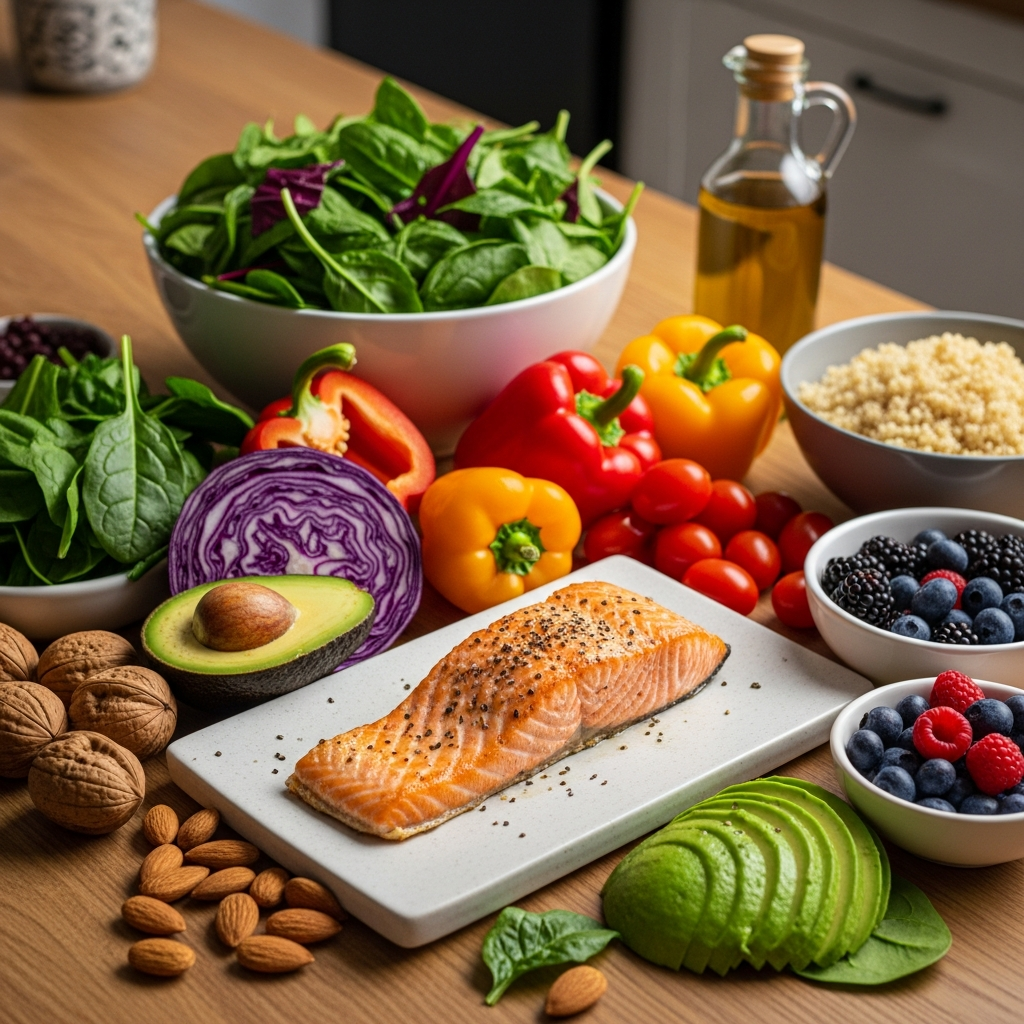
Rather than overhauling your entire diet, focus on additions. Research supports the Mediterranean diet for fertility benefits. A systematic review found that greater adherence to the Mediterranean diet was associated with improved sperm concentration and promising pregnancy outcomes.
Simple additions include:
- Leafy greens like spinach and kale for natural folate
- Legumes and beans for plant-based protein and fiber
- Fatty fish like salmon for omega-3 fatty acids
- Whole grains for sustained energy and B vitamins
- Colorful vegetables for antioxidants
Lifestyle Changes That Actually Matter for Conception
Not all healthy lifestyle changes before pregnancy carry equal weight. Here is where to focus your energy for maximum impact.
The Exercise Sweet Spot for Fertility
Movement supports fertility, but more is not always better. ACOG recommends 150 minutes of moderate-intensity exercise per week for those planning pregnancy.
Moderate intensity means you can carry on a conversation but cannot sing. Activities like brisk walking, swimming, cycling, and prenatal yoga all qualify. Extreme exercise that disrupts menstrual cycles may actually reduce fertility.
Substances to Limit or Eliminate
Caffeine: Good news for coffee lovers. ACOG states that moderate caffeine consumption under 200 mg per day does not appear to cause miscarriage or preterm birth. That is roughly one 12-ounce cup of coffee.
Alcohol: Current guidance recommends avoiding alcohol when actively trying to conceive. Since you may not know you are pregnant immediately, eliminating alcohol removes any risk during those crucial early weeks.
Tobacco: Quitting smoking is one of the most impactful changes you can make for fertility and pregnancy health. Ask your healthcare provider about cessation support resources.
Sleep and Stress
Quality sleep supports hormonal balance essential for fertility. Aim for seven to nine hours nightly. Creating consistent sleep and wake times helps regulate your body's rhythms.
As you make these healthy changes for yourself, you might also find yourself daydreaming about the little one you are preparing for. While there is no rush to buy everything at once, browsing baby clothes can be a joyful part of the journey that keeps you connected to your goal without adding pressure.
How to Manage Stress While Trying to Conceive
We have established that chronic stress can impact fertility. But telling yourself "just relax" rarely works. Instead, let us focus on practical stress management techniques that support a calm conception journey.
Daily Practices for a Calmer Conception Journey
Building stress reduction into your routine does not require hours of meditation. Small, consistent practices make a difference:
- Five-minute breathing exercises when you wake or before bed
- Brief walks in nature to reset your nervous system
- Journaling to process emotions around trying to conceive
- Setting boundaries around fertility-related conversations and research
- Engaging in hobbies that bring joy unrelated to baby planning
One particularly helpful strategy: designate specific times for fertility research rather than constantly searching. This prevents the rabbit hole of conflicting information that fuels anxiety.
Signs You Might Need Additional Support
Preconception anxiety is common. According to research published in the journal Human Reproduction, 40% of women reported anxiety or depression symptoms symptoms before their first fertility clinic visit. You are not alone in these feelings.
Consider seeking professional support if:
- Anxiety interferes with work, relationships, or daily activities
- You experience persistent sadness or hopelessness
- Sleep or appetite are significantly disrupted
- You find yourself avoiding social situations involving children or pregnant people
Therapists who specialize in fertility and reproductive health understand these unique challenges. Seeking help is a strength, not a weakness.
How Couples Can Prepare for Pregnancy Together
Pregnancy preparation is a team effort. Partner involvement in preconception health improves outcomes and strengthens relationships.
Preconception Health Tips for Partners
Male fertility matters just as much. Since sperm development takes approximately 74 to 90 days, lifestyle changes made three months before trying can significantly impact sperm quality. Partners should consider:
- Taking a daily multivitamin with zinc and folate
- Limiting alcohol to moderate consumption
- Avoiding tobacco and recreational drugs
- Maintaining healthy weight through diet and exercise
- Avoiding excessive heat exposure to testicles (hot tubs, laptops directly on lap)
Strengthening Your Relationship Before Baby Arrives
The preconception period offers valuable time for meaningful conversations. Topics to discuss include:
- Parenting values and approaches each partner experienced growing up
- Financial planning and budgeting for a child
- Division of childcare and household responsibilities
- Career considerations and leave policies
- How you will support each other if conception takes longer than expected
Many couples find that preparing together extends beyond health decisions. Exploring options for your future nursery, from gentle bamboo baby clothes to room decor, can become a bonding activity that builds excitement while keeping the journey feeling positive and forward-focused.

When to Seek Professional Guidance for Fertility
Sometimes, seeking fertility help becomes the right next step. Understanding when this applies can save time and provide peace of mind.
General Timeline Guidelines
Medical professionals typically recommend evaluation if pregnancy has not occurred after:
- 12 months of regular, unprotected intercourse for women under 35
- 6 months for women 35 and older
These timelines acknowledge that fertility naturally decreases with age, making earlier intervention appropriate for those over 35.
Red Flags That Warrant Earlier Consultation
Do not wait the full timeline if you experience:
- Irregular or absent menstrual periods
- Known conditions like PCOS or endometriosis
- History of pelvic inflammatory disease or sexually transmitted infections
- Previous pregnancy losses
- Partner with known fertility concerns
- History of cancer treatment
Seeking evaluation is proactive, not a sign of failure. Many couples discover easily treatable conditions that, once addressed, lead to successful pregnancies. A reproductive endocrinologist offers specialized expertise beyond general OB-GYN care when needed.
Frequently Asked Questions
How far in advance should I prepare for pregnancy?
Most healthcare providers recommend starting preparation 3 months before actively trying to conceive. This timeline allows prenatal vitamins to reach optimal levels in your body and gives you time to make gradual lifestyle adjustments. However, any preparation time is beneficial, even if you start closer to when you begin trying.
What vitamins should I take before getting pregnant?
The most essential vitamin is folic acid (400-800 mcg daily), which helps prevent neural tube defects. A comprehensive prenatal vitamin that includes iron, vitamin D, calcium, and DHA is recommended. Start taking prenatal vitamins at least one month before trying to conceive, though three months is ideal.
Can stress affect getting pregnant?
Chronic stress may affect ovulation and fertility, though occasional stress is unlikely to prevent pregnancy. Focus on manageable stress reduction techniques rather than worrying about stress itself. Mindfulness, moderate exercise, and adequate sleep are evidence-based ways to support both mental health and fertility.
How do I stop overthinking about getting pregnant?
Limit fertility-related research to scheduled times rather than constant searching. Focus on the aspects you can control, like nutrition and self-care, while accepting uncertainty about timing. Consider working with a therapist who specializes in fertility if anxiety becomes overwhelming.
What should men do before trying to conceive?
Partners should take a daily multivitamin, limit alcohol consumption, avoid tobacco, and maintain a healthy weight. Sperm takes about 74-90 days to develop, so lifestyle changes made three months before trying can improve sperm quality. A preconception checkup for partners is also beneficial.
Is it normal to feel anxious about trying to conceive?
Yes, preconception anxiety is very common and completely valid. The desire for a healthy pregnancy combined with uncertainty about timing creates natural worry. However, if anxiety significantly impacts your daily life or relationship, speaking with a mental health professional can provide valuable support and coping strategies.
What foods help with fertility?
A Mediterranean-style diet rich in fruits, vegetables, whole grains, lean proteins, and healthy fats supports fertility. Focus on foods high in folate (leafy greens, legumes), iron (lean meats, beans), and omega-3 fatty acids (fatty fish, walnuts). Limit processed foods, excessive sugar, and trans fats.
Should I see a doctor before trying to conceive?
A preconception visit is highly recommended. Your healthcare provider can review your medical history, update vaccinations, check for conditions that might affect pregnancy, and provide personalized guidance. This visit also allows you to ask questions and address any concerns before beginning your conception journey.

Your Journey Begins With a Single Step
Learning how to prepare for pregnancy does not mean achieving perfection. It means taking thoughtful, evidence-based steps while maintaining perspective. You now have a clear understanding of preconception health essentials: schedule that checkup, start your prenatal vitamins, make sustainable lifestyle adjustments, and care for your emotional wellbeing.
The most important thing to remember? Your body knows how to do this. You are simply creating supportive conditions, not controlling an outcome. Trust the process, be kind to yourself, and embrace the excitement of this chapter.
As you take these steps toward welcoming a new life, remember that every small action counts. Whether you are scheduling your first preconception visit or already dreaming about tiny newborn clothes, trust that you are doing enough. The best preparation is one that leaves you feeling confident, not overwhelmed. PatPat is here to support you throughout this beautiful journey, from the first flutter of excitement to the moment you hold your little one.
Take one small small step today. Schedule that appointment, pick up those vitamins, or simply take a deep breath and remind yourself that you are ready for this. Your calm, practical approach to pregnancy preparation is already setting the stage for the wonderful adventure ahead.




