


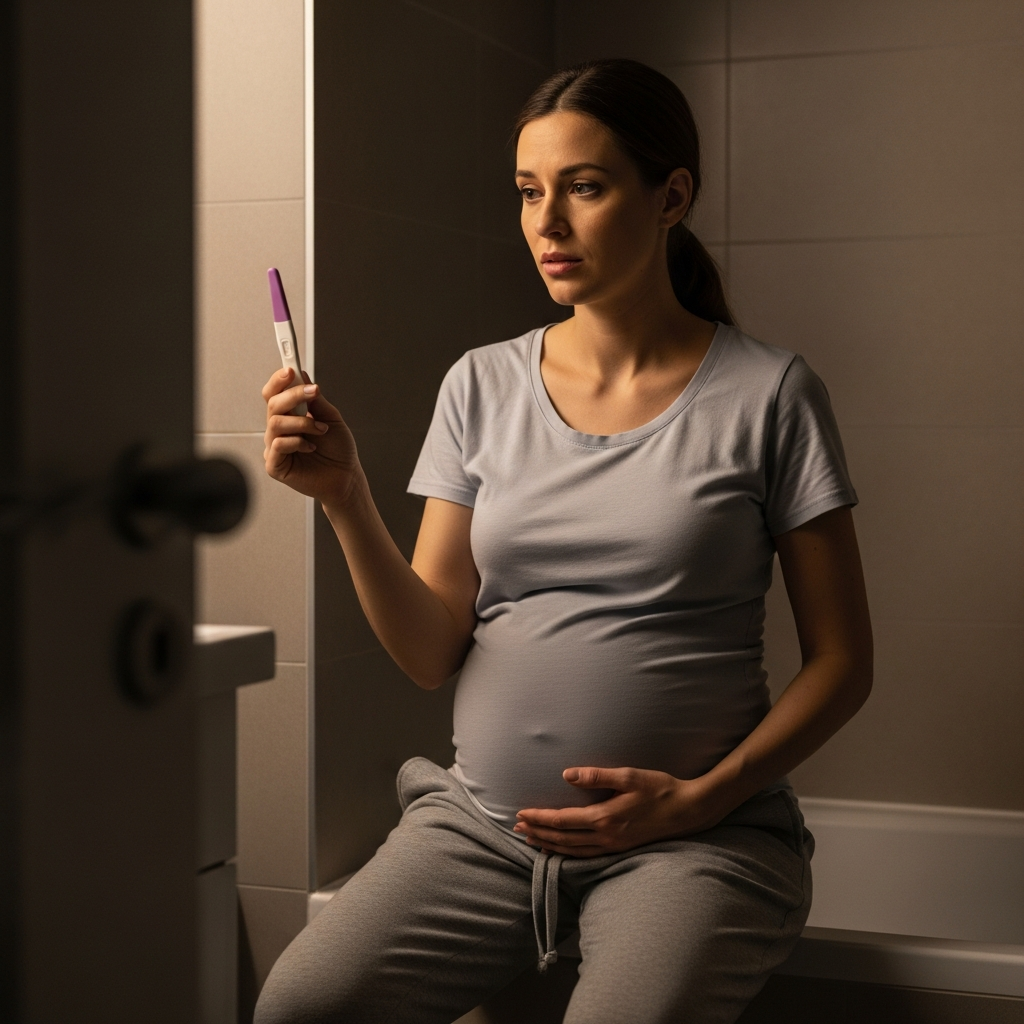
Those moments before taking a pregnancy test can feel like time stands still. Whether you have been trying to conceive for months or are wondering if your life is about to change, timing your test correctly can make all the difference in getting an accurate result. The question of when to take a pregnancy test is one of the most searched topics among women on their conception journey, and for good reason.
Here is the straightforward answer: first morning urine provides the most accurate pregnancy test results because it contains the highest concentration of hCG (human chorionic gonadotropin), the hormone that pregnancy tests detect. However, life does not always allow for ideal timing. Sometimes you need to test in the afternoon or evening, and that can work too under the right conditions.
In this comprehensive guide, you will learn exactly why morning testing works best, how to get accurate results if you must test later in the day, what factors can affect your results, and the important next steps after seeing that positive result. At PatPat, we understand this moment marks the potential beginning of an incredible journey, and we are here to support you every step of the way.
Why First Morning Urine Gives the Most Accurate Pregnancy Test Results
Understanding why first morning urine (FMU) produces the most reliable results comes down to basic biology and concentration. When you sleep through the night, you are not drinking fluids, and your body is not diluting the hormones present in your urine. This creates the optimal conditions for detecting pregnancy, especially in those early days when every bit of hCG matters.
Home pregnancy tests work by detecting hCG, a hormone your body produces only during pregnancy. According to the National Library of Medicine, hCG increases quickly, almost doubling every two to three days during the first eight to ten weeks of pregnancy. However, in those critical first days after implantation, levels start quite low, making concentrated urine essential for detection.
Understanding hCG Hormone Levels and Urine Concentration
After a fertilized egg implants in your uterine lining, your body begins producing hCG. Research published in the New England Journal of Medicine shows that implantation typically occurs 6 to 12 days after ovulation, with most cases happening around days 8 to 10. Once implantation occurs, hCG production begins, but initial levels are very low.
According to the American Pregnancy Association, an hCG level above 25 mIU/mL usually indicates pregnancy, while levels between 6 and 24 mIU/mL fall into a gray area requiring retesting. Most home pregnancy tests detect hCG starting at 20 to 50 mIU/mL, though some sensitive tests can detect levels as low as 6.5 mIU/mL.
After six to eight hours of sleep without fluid intake, your urine becomes concentrated. This means more hCG molecules per milliliter of urine, making it much easier for a test to detect the hormone even when overall levels are still low.
How Diluted Urine Affects Pregnancy Test Accuracy
Throughout your day, every glass of water, cup of coffee, or other beverage you consume dilutes the hCG concentration in your urine. This dilution effect is why testing later in the day can sometimes produce false negative results, particularly in early pregnancy.
As noted by the FDA, the accuracy of your pregnancy test depends significantly on how well you follow instructions and interpret results. Using diluted urine introduces an unnecessary variable that first morning urine eliminates entirely.
Think of it this way: if your hCG level is 30 mIU/mL in concentrated morning urine, that same sample diluted by afternoon fluids might test at effectively 15 mIU/mL, potentially falling below your test's detection threshold.

Can You Take a Pregnancy Test at Night? Evening Testing Explained
Yes, you can absolutely take a pregnancy test at night, but your results may be less reliable if you are testing very early in pregnancy. The reality is that many women cannot wait until morning when anxiety and anticipation are running high. Understanding how to optimize evening testing can help you get the most accurate results possible.
The key difference between morning and evening testing comes down to what has happened throughout your day. If you have been drinking fluids normally, your urine is more diluted than it would be first thing in the morning. However, this matters most in the earliest days of pregnancy when hCG levels are still climbing.
Tips for Accurate Evening or Afternoon Testing
If you need to test later in the day, follow these guidelines to improve your chances of an accurate result:
- Hold your urine for at least 4 hours before testing to allow hCG to concentrate
- Limit fluid intake during that hold period while staying reasonably hydrated
- Use a more sensitive test with a lower mIU/mL detection threshold
- Test earlier in the day when possible, as morning-to-afternoon is better than late evening
- Understand that a negative result at night warrants retesting with first morning urine
If you get a negative result in the evening but still suspect pregnancy, do not consider it definitive. Plan to retest with first morning urine in a day or two for more reliable results.
When Time of Day Matters Less
The good news is that timing becomes less critical as pregnancy progresses. After your missed period, hCG levels are typically high enough that most tests will detect pregnancy regardless of when you test. According to Mayo Clinic, for the most accurate results, take a home pregnancy test after the first day of a missed period.
By week five or six of pregnancy, hCG levels are typically well above any test's detection threshold. At this point, whether you test at 7 AM or 7 PM, a positive result is equally reliable. If you receive a positive pregnancy test at any time of day, you can trust that result with confidence.
How Soon Can You Take a Pregnancy Test After Ovulation?
While knowing the best time of day matters, understanding when in your cycle to test is equally important. Testing too early is one of the most common causes of false negative results, regardless of whether you use first morning urine.
The timeline from ovulation to a detectable pregnancy involves several biological steps: ovulation, fertilization, travel through the fallopian tube, and finally implantation. Only after implantation does your body begin producing detectable levels of hCG.
Days Past Ovulation (DPO) Testing Timeline
For those tracking their cycles, here is a realistic timeline for pregnancy testing:
| Days Past Ovulation | What is Happening | Testing Recommendation |
|---|---|---|
| 6-8 DPO | Implantation may be occurring | Too early for most tests |
| 9-10 DPO | Early hCG production begins | Earliest detection possible with sensitive tests and FMU |
| 11-12 DPO | hCG rising but still relatively low | Better chance of accurate result with FMU |
| 13-14+ DPO | hCG levels sufficient for detection | Most reliable results; time of day less critical |
Remember that a negative result at 10 DPO does not mean you are not pregnant. It simply means hCG levels may not yet be high enough for detection. Patience, though difficult, improves accuracy.
Testing Before Your Missed Period: What to Know
Many early detection tests claim results up to six days before your missed period. While this is technically possible, accuracy varies significantly based on timing. According to data from First Response, their early detection test identified pregnancy hormone levels in 60% of pregnant women 5 days before their expected period. That number increased to 96% at 3 days before and over 99% at 2 days before the expected period.
If you choose to test before your missed period, using first morning urine becomes absolutely essential. The combination of already-low hCG levels and diluted urine creates too many variables for reliable detection.

Factors That Can Cause False Negative Pregnancy Test Results
False negatives are far more common than false positives when it comes to home pregnancy tests. Understanding what can cause an inaccurate negative result helps you troubleshoot if your test does not match your expectations.
Common Reasons for Inaccurate Test Results
Several factors can lead to a false negative result:
- Testing too early: Before sufficient hCG has accumulated in your system
- Diluted urine: From excessive fluid intake or not using first morning urine
- Incorrect test usage: Not following timing instructions or using insufficient urine
- Expired or improperly stored tests: Heat and humidity can damage test sensitivity
- Low test sensitivity: Some tests require higher hCG levels than others
- Reading results outside the window: Results should be read within the specified time frame, typically 3-5 minutes
As the U.S. National Library of Medicine notes, urine pregnancy tests are 97-99% accurate when done a week or two after a missed period. The key word there is "after" your missed period.
Medications and Conditions That May Affect Results
Most common medications do not affect pregnancy test results. However, there are exceptions:
- Fertility medications containing hCG (trigger shots) can cause false positives and should clear your system within 10-14 days
- PCOS and irregular cycles make timing difficult but do not directly affect test accuracy
- Ectopic pregnancy may produce lower-than-expected hCG levels
- Recent pregnancy loss or birth can leave residual hCG in your system
When in doubt about your results or if you have concerning symptoms, consult your healthcare provider for a blood test, which can detect much lower levels of hCG and track whether levels are rising appropriately.
How to Read Your Pregnancy Test Results Correctly
One of the most stressful aspects of home pregnancy testing is interpreting the results, especially when lines appear faint or unclear. Understanding what different results mean can save you significant anxiety.
Understanding Faint Lines vs Evaporation Lines
A faint line with color, whether pink or blue depending on your test type, is typically a positive result. Faint lines are common in early pregnancy when hCG levels are still relatively low. As hCG increases, lines typically become darker over subsequent days.
Evaporation lines, however, can cause confusion. These occur when urine evaporates from the test window after the reading period has passed. Key differences include:
- True positive lines appear within the test's reading window (usually 3-5 minutes) and have color
- Evaporation lines typically appear after the reading window and are gray or colorless
- Indent lines are colorless shadows where the antibody strip sits and are not positive results
Always read your results within the time frame specified on your test instructions. Results that appear after this window are not reliable.
When to Retest After a Negative or Unclear Result
If you receive a negative result but your period has not arrived, do not lose hope. Retest in two to three days using first morning urine. If you see a faint positive line, testing again in 48 hours should reveal a darker line if hCG is rising normally, since levels typically double every 48 to 72 hours in early pregnancy.
Consider consulting your healthcare provider if:
- You have missed your period by more than a week with continued negative tests
- You experience unusual symptoms like severe pain or heavy bleeding
- Your positive test is followed by negative tests
- You need confirmation for medical reasons

Special Considerations for Testing with Irregular Cycles or PCOS
Standard pregnancy test timing advice assumes a regular 28-day cycle, which many women do not have. If you have irregular periods or PCOS (polycystic ovary syndrome), determining when to test requires a modified approach.
When to Test If You Have Irregular Periods
According to fertility specialists, women with PCOS or irregular cycles should wait until at least 35 to 40 days after their last known period before testing. This conservative window allows time for hCG to build up even with delayed ovulation.
Better strategies for irregular cycles include:
- Track ovulation using ovulation predictor kits (OPKs), basal body temperature, or cervical mucus changes
- Test 14-16 days after confirmed ovulation rather than by cycle date
- If not tracking ovulation, test after your longest typical cycle length plus one week
- Use first morning urine which becomes even more important when you cannot pinpoint timing
- Consider blood testing through your healthcare provider for definitive answers
An irregular cycle itself does not cause false negatives, but delayed ovulation common with PCOS means you may test before implantation has even occurred. Patience and tracking are your best tools.
What to Do After a Positive Pregnancy Test
Seeing that positive result can bring a rush of emotions, from overwhelming joy to nervous anticipation. Taking the right first steps helps ensure a healthy start to your pregnancy journey.
First Steps After Confirming Your Pregnancy
Once you have confirmed your pregnancy, consider these important next steps:
- Schedule a prenatal appointment with your healthcare provider, typically scheduled for 6-8 weeks of pregnancy
- Begin or continue taking prenatal vitamins containing folic acid
- Review any current medications with your doctor for pregnancy safety
- Evaluate lifestyle factors including alcohol, tobacco, and caffeine intake
- Share the news with your partner or support system when you feel ready
- Start a pregnancy journal to track symptoms and milestones
Your first prenatal visit will likely include confirmation through blood testing and potentially an early ultrasound, giving you that reassurance many new parents need.
Beginning Your Preparation for Baby
The months between that positive test and your due date pass more quickly than you might expect. While there is no rush to buy everything immediately, many parents find comfort in beginning to dream about their baby's arrival.
Once you have confirmed your pregnancy, browsing soft, comfortable options like bamboo baby clothes can be a delightful way to connect with your growing baby. Bamboo fabric is naturally hypoallergenic and gentle on sensitive newborn skin, making it an excellent choice for those first precious outfits.
For practical first purchases, baby bodysuits in breathable fabrics are newborn essentials you will use daily, while baby rompers and jumpsuits offer adorable options for those first photo moments and special occasions.

Frequently Asked Questions About Pregnancy Test Timing
What time of day is best to take a pregnancy test?
First thing in the morning is best because your urine is most concentrated after sleeping without fluid intake. This higher concentration of hCG hormone makes pregnancy easier to detect, especially in early pregnancy when hormone levels are still low.
Can I take a pregnancy test in the evening?
Yes, you can take a pregnancy test in the evening, but results may be less accurate in early pregnancy. Daytime fluid intake dilutes urine and hCG concentration. If testing at night, hold your urine for at least 4 hours and limit fluids beforehand.
How many hours should urine sit for a pregnancy test?
Ideally, hold your urine for at least 4 hours before testing if not using first morning urine. Overnight, which provides 6-8 hours, offers the best concentration. Longer hold times allow hCG to accumulate for more accurate detection.
Is 4am considered first morning urine?
Yes, 4am urine can be considered first morning urine if you have been sleeping and have not consumed fluids for several hours. What matters most is the concentration from an extended period without drinking, not the specific clock time.
Can too much water cause a false negative pregnancy test?
Yes, drinking excessive water can dilute your urine and lower hCG concentration, potentially causing a false negative in early pregnancy. This is why first morning urine, before drinking anything, provides the most reliable results.
Why do pregnancy tests say to use first morning urine?
Pregnancy tests recommend first morning urine because it contains the highest concentration of hCG after hours of sleep without fluid intake. Higher concentration means the test can detect smaller amounts of the pregnancy hormone, improving early testing accuracy.
How accurate is a pregnancy test in the afternoon?
Afternoon testing accuracy depends on pregnancy stage. After a missed period when hCG levels are high, afternoon tests are usually accurate. In very early pregnancy before a missed period, afternoon tests have higher false negative rates due to diluted urine.
What can cause a false negative pregnancy test?
Common causes include testing too early before implantation, using diluted urine, not following test instructions, or using expired tests. If you get a negative result but your period does not arrive, retest with first morning urine in 2-3 days.
Your Pregnancy Journey Starts Here
Whether you are taking your first pregnancy test this morning or retesting after an unclear result, remember that getting accurate information is just the first step on what could be an incredible journey. The best time of day to take a pregnancy test is first thing in the morning when your urine is most concentrated, giving those early hCG levels the best chance of detection.
If circumstances require testing later in the day, follow the guidelines in this article to optimize your chances of accurate results. Hold your urine, limit fluids, and use a sensitive test. And remember, a negative result in the afternoon or evening always warrants retesting with first morning urine before drawing conclusions.
Whatever your result, know that you are not alone on this journey. The anticipation, the hope, and yes, sometimes the uncertainty are all part of the experience that millions of women share. Take the test when the time feels right for you, follow these evidence-based guidelines for the best results, and trust your body's wisdom.
Ready to begin preparing for your little one? Explore the complete collection of baby clothes at PatPat, designed for comfort and style from day one. From the softest bamboo fabrics to adorable everyday essentials, you will find everything you need to welcome your new arrival in comfort and style.





