


If this scene sounds familiar, you are not alone. The experience of hearing your baby crying in sleep can be confusing and worrying for any parent. Is something wrong? Should you wake them? Why do babies cry while sleeping in the first place?
Here is the reassuring truth: baby crying in sleep is incredibly common and, in most cases, completely normal. We understand that every whimper and cry can feel like an emergency when you are a new parent. That is why we have put together this comprehensive guide based on pediatric research to help you understand what is happening when your newborn cries in sleep, when it is simply part of normal development, and when you might want to consult your pediatrician.
By the end of this article, you will feel more confident about navigating those nighttime sounds and know exactly how to soothe a baby crying in sleep without disrupting their rest.
Is It Normal for Babies to Cry in Their Sleep?
Let us start with what you probably need to hear most: yes, it is completely normal for babies to make sounds, whimper, moan, or even cry while sleeping. In fact, babies have fundamentally different sleep patterns than adults, and those differences explain a lot of what you are experiencing.
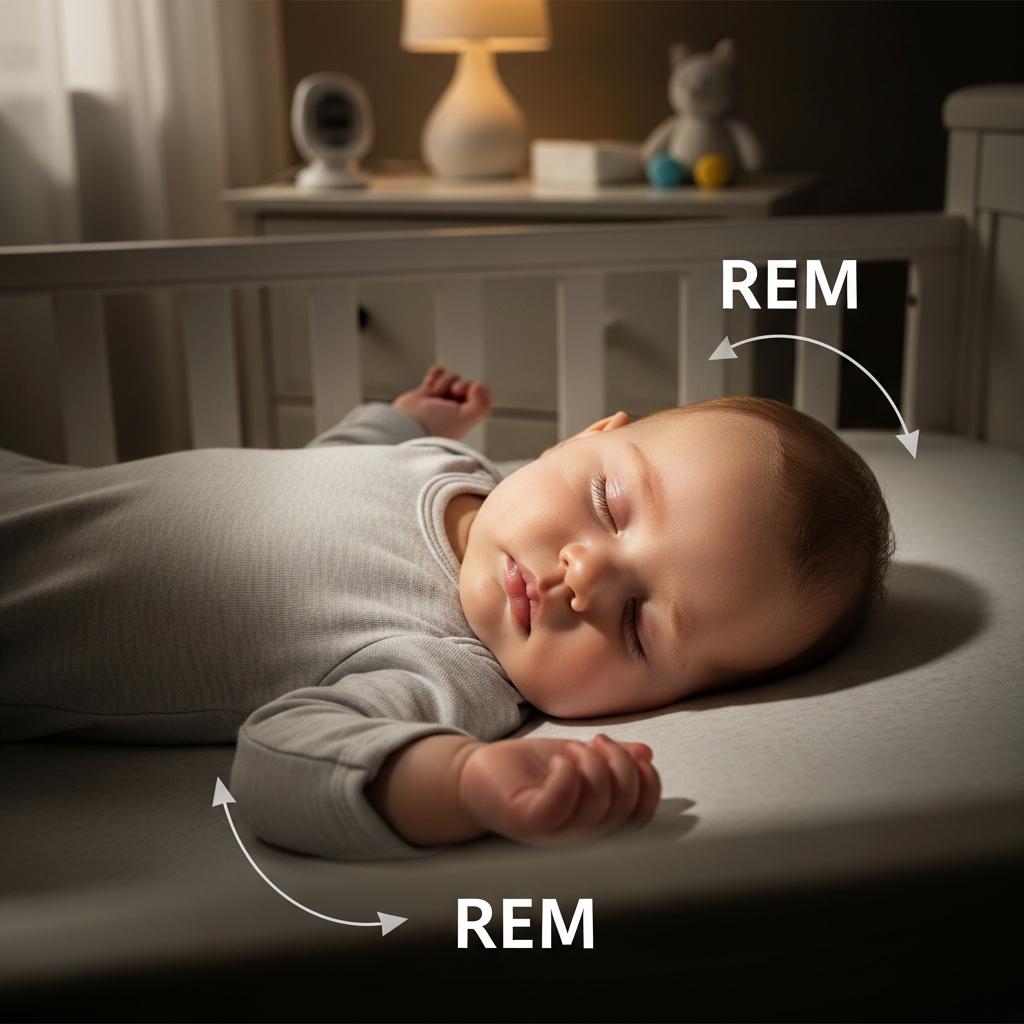
Here is what the research tells us: newborns spend roughly 50% of their sleep time in REM (active) sleep, compared to just 20% for adults. During this active sleep phase, it is completely normal for babies to:
- Whimper, grunt, or cry out
- Move their arms and legs
- Make sucking motions
- Show rapid eye movements under closed lids
- Breathe irregularly
These behaviors are not signs of distress. They are signs of a healthy, developing brain. When you hear your baby crying with eyes closed, they are likely in this active sleep state, processing all the new information they absorbed during the day.
Brief crying episodes lasting just seconds to a minute are typically nothing to worry about. Many parents find that if they wait a moment before rushing in, their baby settles back into quiet sleep on their own.
Understanding Why Babies Cry During Active Sleep Cycles
To understand why your baby cries during sleep, it helps to know how infant sleep actually works. Baby sleep architecture is remarkably different from adult sleep, and these differences explain many of those mysterious nighttime sounds.
What Happens During Baby REM Sleep
During REM (rapid eye movement) sleep, your baby's brain is incredibly active. This is when crucial brain development and memory consolidation occurs. You might notice:
- Eyes fluttering beneath closed lids
- Facial expressions changing (smiles, frowns)
- Twitching movements in arms and legs
- Irregular breathing patterns
- Vocalizations including whimpers and cries
All of these are completely normal during active sleep. Your baby's immature nervous system is still developing the ability to regulate these movements and sounds.
How Sleep Cycle Transitions Trigger Crying
Another key factor is sleep cycle length. Infant sleep cycles are only 50-60 minutes long, compared to the 90-minute cycles adults experience. This means babies cycle through light and deep sleep much more frequently.
During transitions between sleep cycles, babies often experience brief partial awakenings. Some babies cry out during these transitions, then settle themselves back to sleep within seconds. This is actually a healthy sign that your baby is learning to self-soothe between cycles.
Understanding this can be a game-changer for exhausted parents. When you hear that brief cry, waiting 30-60 seconds before intervening gives your baby the chance to resettle independently. Rushing in too quickly can actually wake a baby who was simply moving between sleep stages.
7 Common Reasons Your Baby Wakes Up Crying at Night
While sleep-related crying is often a normal part of baby sleep cycles, several factors can increase how often or intensely your baby cries during sleep. Understanding these causes helps you address any underlying issues.
1. Overtiredness and Overstimulation
Counterintuitively, an overtired baby often sleeps worse, not better. When babies miss their sleep window, their bodies produce cortisol (the stress hormone), which actually makes it harder to fall and stay asleep.
Signs your baby might be overtired include:
- Excessive fussiness before bed
- Rubbing eyes or pulling ears
- Yawning frequently
- Becoming hyperactive or "wired"
Solution: Watch for early sleep cues and establish a consistent, calming bedtime routine.
2. The Moro (Startle) Reflex in Newborns
The Moro reflex is an involuntary protective response that all healthy newborns have. When babies feel a sudden change in position or loud noise, they throw their arms out and may cry. This reflex begins to disappear around 12 weeks and is typically gone by 6 months.
Solution: Swaddling can help reduce startle-induced crying by providing that secure, contained feeling. Soft, breathable fabrics like bamboo help regulate your baby's temperature throughout the night. The bamboo baby clothes collection at PatPat is gentle on sensitive skin and perfect for restful sleep.
3. Teething Pain Disrupting Sleep
Children typically begin to erupt a tooth between the 6th and 8th month of life, though discomfort can start earlier. Teething pain often feels worse at night when there are fewer distractions.
Signs of teething include:
- Increased drooling
- Swollen, tender gums
- Wanting to chew on everything
- Irritability during the day
Solution: A chilled (not frozen) teething toy before bed may help. Consult your pediatrician about appropriate pain relief options.
4. Gas, Reflux, and Digestive Discomfort
Babies have immature digestive systems, which can lead to gas buildup and discomfort during sleep. If your baby seems to cry while pulling their legs up or arching their back, gas might be the culprit.
Solution: Ensure thorough burping after feeds, try bicycle leg movements before bed, and consider feeding positions that minimize air intake.
5. Hunger Signals and Growth Spurts
Growth spurts temporarily increase your baby's caloric needs. Common growth spurt periods occur around 2-3 weeks, 6 weeks, 3 months, and 6 months. During these times, your baby may wake more frequently feeling hungry.
Solution: Offer an extra feed during growth spurts and trust that this increased need is temporary.
6. Room Temperature and Environmental Factors
Temperature plays a significant role in sleep quality. The AAP and CDC suggest keeping the room between 68-72 degrees Fahrenheit for safe infant sleep. Overheating is a risk factor for SIDS and can also cause restless sleep.
Signs your baby might be too hot:
- Sweating, especially on the head
- Flushed cheeks
- Rapid breathing
- Damp hair
Solution: Dress your baby appropriately for the room temperature. A good rule is one more layer than what you would wear. Explore our comfortable baby clothes collection at PatPat for cozy sleepwear options.
7. Separation Anxiety Beginning Around 6-8 Months
Babies begin understanding object permanence somewhere between 4 and 7 months, meaning they realize things (and people) exist even when out of sight. This developmental milestone can trigger separation anxiety, causing babies to cry out when they sense their parent is not nearby.
Solution: Playing peek-a-boo during the day helps reinforce that you come back. Establishing consistent bedtime rituals also provides reassurance.
Baby Crying in Sleep by Age: What to Expect
Sleep behaviors change significantly as your baby grows. Understanding what is typical at each stage can help you know what to expect.
Newborns (0-3 Months): Active Sleep and the Fourth Trimester
During the first three months, often called the "fourth trimester," your baby is adjusting to life outside the womb. During this period:
- 50% of sleep time is spent in active REM sleep
- Sleep cycles are short (45-60 minutes)
- Grunting, whimpering, and brief cries are very common
- The Moro reflex is still active
- Sleep is not yet consolidated into longer stretches
Patience is key during this stage. Your 2-week-old crying in sleep is experiencing completely normal newborn sleep patterns.
4-6 Month Olds: Sleep Regression and New Milestones
The 4-month mark brings significant changes. Babies are in the midst of a major transition away from a newborn sleep pattern, which can temporarily disrupt sleep.
What happens during the 4-month sleep regression:
- Sleep architecture matures to become more adult-like
- More time is spent in lighter sleep stages
- Babies may wake more frequently between cycles
- Teething often begins during this period
- New skills like rolling can disrupt sleep
This regression typically improves within 2-6 weeks. It is actually a progression in brain development, even though it may not feel that way at 3 AM.
7-12 Month Olds: Separation Anxiety and Mobility
During this period, separation anxiety typically peaks, and new motor skills add another layer of sleep disruption:
- Separation anxiety is strongest between 8-10 months
- Babies may practice crawling or standing in their sleep
- The 8-month sleep regression can occur
- Nightmares may begin to develop
Your 8-month-old waking up crying is likely experiencing a combination of separation awareness and physical development changes.
Night Terrors vs Nightmares: When Baby Wakes Up Screaming
When your baby wakes up screaming inconsolably, it is natural to wonder if they are having a nightmare or night terror. Understanding the difference helps you respond appropriately.
| Factor | Night Terrors | Nightmares |
|---|---|---|
| Age of Onset | Typically 18 months+ | Can begin around 6 months |
| Timing | First third of night (non-REM) | Second half of night (REM) |
| Awareness | Eyes open but unresponsive | Fully awake, seeks comfort |
| Memory | No memory afterward | May remember the dream |
| Duration | 5-15 minutes | Brief, then seeks comfort |
| Response | Wait it out safely | Comfort and reassure |
Night terrors usually happen about 2-3 hours after a child falls asleep, during non-REM sleep. True night terrors are rare in babies under 18 months.
If your baby has a night terror: Stay calm, ensure they are safe, and avoid trying to wake them. They will not remember the episode.
If your baby has a nightmare: Offer comfort, physical closeness, and gentle reassurance until they feel safe enough to return to sleep.
How to Soothe a Baby Crying in Sleep Without Waking Them
When you hear your baby crying in sleep, your instinct is to rush in and comfort them. But sometimes, the best approach requires a bit of patience.
The Pause Method: Why Waiting Matters
Before you intervene, try the "pause method": wait 30-60 seconds to see what happens. This brief pause serves several purposes:
- Allows you to determine if the cry is part of active sleep or genuine distress
- Gives your baby the opportunity to self-soothe
- Prevents accidentally waking a sleeping baby
- Helps you differentiate settling sounds from true cries
Many babies will resettle within this time without any intervention. Rushing in can actually disrupt their sleep cycle.
Gentle Techniques When Comfort Is Needed
If the crying continues or intensifies, try these gentle approaches before picking your baby up:
- Soft touch: Place your hand gently on their chest or tummy
- Quiet shushing: Make soft, rhythmic "shh" sounds
- Gentle patting: A light, steady pat on the back or bottom
- Calm voice: Speak softly and reassuringly
Keep the room dark and interactions minimal to avoid fully waking your baby.
Creating an Optimal Sleep Environment
Prevention is often the best approach. Setting up the right sleep environment can reduce nighttime crying:
- White noise: Mimics the sounds of the womb and masks household noises
- Darkness: Use blackout curtains to promote melatonin production
- Temperature: Keep the room between 68-72 degrees Fahrenheit
- Comfortable sleepwear: Choose breathable, soft fabrics appropriate for the temperature
- Consistent space: A familiar sleep environment promotes better rest
Comfortable sleepwear is key to quality rest. The bamboo baby clothes at PatPat are naturally temperature-regulating and incredibly soft against baby's skin, perfect for peaceful nights.
When to Be Concerned: Signs Your Baby Needs Medical Attention
While most sleep crying is normal, certain signs warrant a call to your pediatrician. Trust your parental instincts. You know your baby best.
Warning Signs to Watch For
- Fever accompanying the crying
- Crying that sounds painful or different from usual
- Refusing to eat or significant changes in feeding
- Unusual lethargy or difficulty waking
- Signs of illness (vomiting, diarrhea, rash)
- Crying for extended periods (3+ hours) without settling
- Significant, persistent changes in sleep patterns
- Any signs of breathing difficulty
When to Call the Pediatrician
Contact your pediatrician if you notice:
- Persistent inconsolable crying lasting more than 3 hours
- Suspected ear infection symptoms (tugging at ears, fever)
- Concerns about reflux or food allergies
- Any time you feel something is "off"
Remember: there is no such thing as bothering your pediatrician with a "silly" question. If you are worried, reaching out is always the right call.
Frequently Asked Questions About Baby Crying in Sleep
Why does my baby cry in sleep with eyes closed?
When babies cry with their eyes closed, they are typically in active REM sleep and not fully awake. During this stage, babies may whimper, cry out, or make sounds while their eyes remain closed. This is completely normal. Wait 30-60 seconds before intervening, as many babies will settle on their own without fully waking.
Should I pick up my baby if they cry in their sleep?
Not immediately. Pause for 30-60 seconds first to see if your baby settles on their own. If the crying intensifies or continues, try gentle soothing techniques like a soft touch or quiet shushing before picking them up. Many sleep cries are brief and part of normal sleep cycles. Rushing to pick up your baby may actually wake them.
Is it normal for my newborn to cry every time they sleep?
Yes, newborns commonly make sounds, whimper, or briefly cry during sleep. They spend about 50% of their sleep time in active REM sleep, where vocalizations are normal. As long as your baby is feeding well, gaining weight, and has periods of calm wakefulness, these sleep sounds are typically nothing to worry about.
Can babies have nightmares?
Babies can begin having nightmares around 6-12 months of age when their imagination develops. Unlike night terrors, a baby with a nightmare will wake up frightened and seek comfort. They may take some time to settle back to sleep. Comfort your baby with gentle reassurance and physical closeness until they feel safe again.
Why does my 4-month-old suddenly cry more in sleep?
Around 4 months, babies experience a significant sleep development called the 4-month sleep regression. Their sleep cycles mature to become more adult-like, which can temporarily disrupt sleep patterns. Additionally, teething may begin around this age. This phase typically improves within 2-6 weeks as your baby adjusts.
How can I tell if my baby is crying from teething pain?
Signs that sleep crying may be teething-related include increased drooling, swollen or tender gums, wanting to chew on objects, mild fussiness during the day, and possibly a low-grade fever. Teething pain often feels worse at night when there are fewer distractions. A chilled teething toy before bed may help provide relief.
What is the difference between night terrors and nightmares in babies?
Night terrors involve a baby appearing awake (eyes open) but being unresponsive and inconsolable, with no memory afterward. They typically occur in the first third of night. Nightmares cause the baby to wake up scared but responsive, seeking comfort, and may remember the fear. Nightmares usually occur in the second half of the night.
When should I worry about my baby crying in sleep?
Consult your pediatrician if crying is accompanied by fever, the cry sounds painful or unusual, your baby refuses to eat, shows signs of illness, or experiences extended crying episodes that last hours without settling. Trust your instincts. If something feels wrong, it is always okay to seek medical advice.
Final Thoughts: You Are Doing Great
Understanding why your baby cries in sleep is the first step toward more peaceful nights for everyone. Remember these key takeaways:
- Baby crying in sleep is usually normal and related to their unique sleep cycles
- Pausing before intervening can prevent accidentally waking your baby
- Different ages bring different sleep challenges, but they are all temporary
- A comfortable sleep environment makes a real difference
- Trust your instincts and contact your pediatrician when something feels wrong
Every baby is different, and what works for one family may not work for another. This phase of frequent night waking is temporary. Trust your instincts, be patient with yourself and your baby, and do not hesitate to reach out to your pediatrician if you have concerns.
At PatPat, we are here to support you through every stage of parenthood. From comfortable baby clothes that help your little one sleep soundly to soft bamboo fabrics perfect for sensitive skin, we understand that the little things matter when it comes to your baby's comfort.
You are doing an amazing job navigating these sleepless nights. This too shall pass, and before you know it, those midnight check-ins will be a distant memory.


