


There's a look every parent recognizes - that moment when your child's eyes find yours across a crowded room, and their whole body relaxes. That visible exhale is security in action. As parents, we instinctively want to protect our children, but creating a safe and nurturing home environment goes far beyond childproofing and locked doors.
Understanding how to make your child feel secure involves both physical safety and something equally vital: emotional security. Research from Harvard's Center on the Developing Child shows that more than 1 million new neural connections form every second in a young child's brain - and the quality of those connections depends largely on feeling safe.
At PatPat, we understand that raising secure children starts with knowledge and intention. In this guide, you'll discover science-backed strategies for building secure attachment, creating calm home environments, and practicing emotionally safe parenting that sets your child up for lifelong confidence and resilience.
Understanding What Security Means for Your Child
When we think about child emotional security, it's tempting to focus on physical safety - covered outlets and baby gates. But what makes children feel safe at home runs much deeper. Emotional security is your child's inner sense that they can count on you, that their feelings matter, and that home is a place where they're accepted completely.
Children experience security differently than adults. While you might feel safe knowing the doors are locked, your toddler feels safe when they can predict what happens next, when their cries are answered, and when they see calm faces around them. This psychological safety creates what researchers call "felt safety" - an internal sense of being protected that allows children to relax, explore, and grow.
Why Emotional Safety Is the Foundation of Child Development
The concept of a "secure base" helps explain why emotional safety matters so much. When children feel safe, they use their parents as a launching pad for exploration. They toddle away to investigate a new toy, glance back to see your reassuring face, and continue exploring. Without that secure base, children remain anxious and clingy, unable to focus their energy on learning.
According to research from Princeton University, about 60 percent of children develop strong attachments to their parents, formed through simple actions like holding a baby lovingly and responding to their needs. The remaining 40 percent who lack secure attachments are more likely to experience poorer language development, behavioral challenges, and difficulties throughout life.
This isn't about perfection - it's about consistency. Children who experience emotional safety develop stronger confidence, healthier relationships, and greater resilience when facing life's inevitable challenges.
Building Secure Attachment from Birth
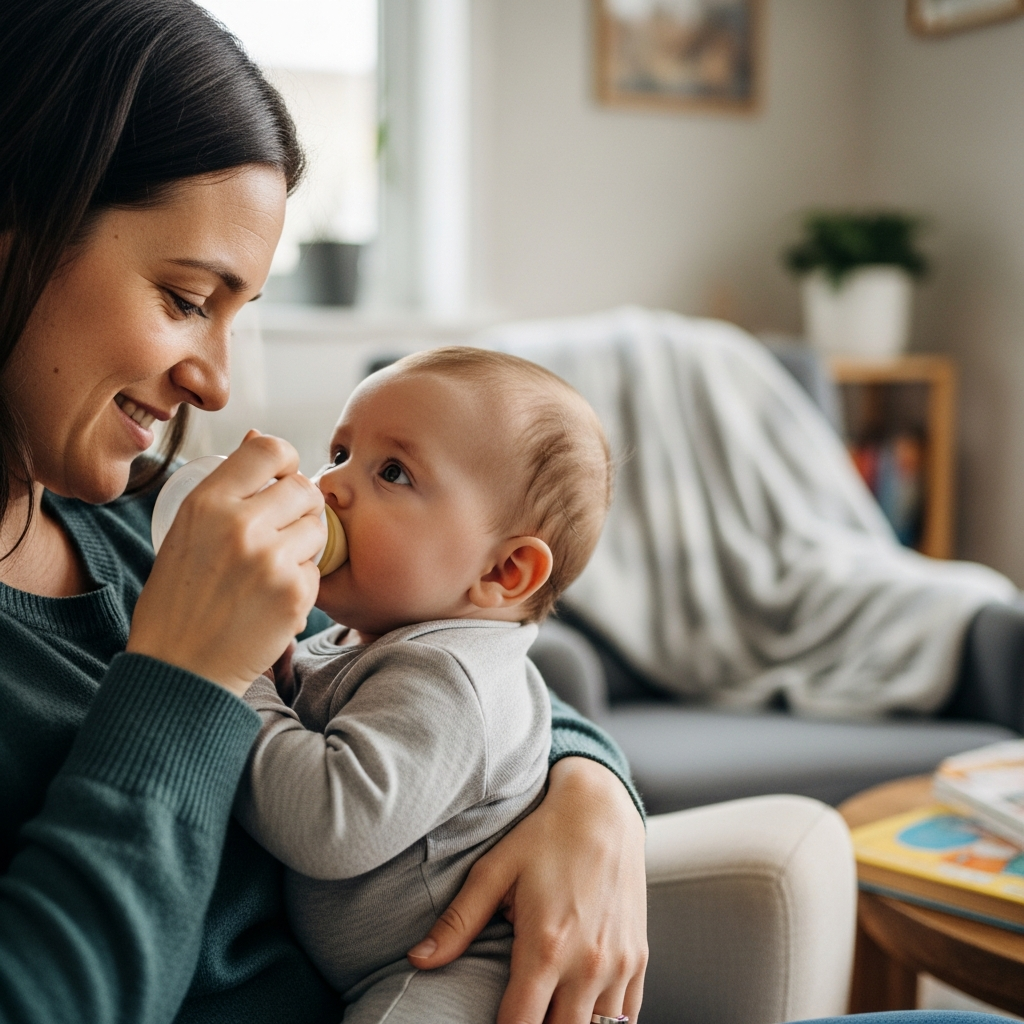
Secure attachment parenting isn't a technique you master overnight - it's a relationship you build through thousands of small interactions. The good news? Building secure attachment with baby doesn't require being a perfect parent. It requires being a present, responsive one.
Responsive Parenting: Reading and Answering Your Baby's Cues
Responsive parenting means tuning into your baby's signals and answering them consistently. When your infant cries, fusses, or reaches for you, they're communicating. Your response - picking them up, feeding them, simply making eye contact and cooing - tells their developing brain that they matter and that help comes when needed.
Harvard researchers describe this as "serve and return" - when a child babbles, gestures, or cries, and an adult responds with eye contact, words, or a hug, it builds and strengthens neural connections in the child's brain.
Key responsive parenting practices include:
- Responding to crying promptly (you cannot spoil a baby with attention)
- Making eye contact during feeding and diaper changes
- Narrating your actions: "I hear you crying. Let me pick you up."
- Following your baby's lead during play
You won't catch every cue perfectly - and that's okay. What matters is the overall pattern. When you miss a signal and then repair, you're teaching them that relationships can weather small ruptures.
Signs of Secure Attachment in Infants and Toddlers
Many parents wonder, "Does my baby feel secure with me?" Here are signs that suggest your child has developed secure attachment:
In infants:
- They calm relatively quickly when you pick them up
- They make eye contact and smile at you
- They show distress when separated but recover when reunited
- They turn to you for comfort when upset
In toddlers:
- They explore new environments while checking back with you
- They seek comfort from you (not strangers) when hurt or scared
- They express emotions openly
- They recover from distress with your support
Signs of secure attachment in toddlers can vary - some children are naturally more cautious or bold. What matters most is that they view you as their safe haven.
Creating a Calm and Nurturing Home Environment
Creating a safe home environment for children involves both the physical space and the emotional atmosphere. Your home's energy - the noise levels, the visual clutter, and most importantly, the emotional temperature - all shape your child's sense of security.
Designing Peaceful Spaces That Help Children Feel Safe
You don't need a Pinterest-perfect home to create calm home environment spaces. Consider these practical approaches:
- Designate a comfort corner: A small area with soft pillows, a favorite blanket, and quiet toys where your child can retreat when overwhelmed
- Manage sensory input: Reduce harsh lighting, lower TV volume, and minimize visual clutter in main living areas
- Provide familiar comfort objects: A special stuffed animal or blanket that travels with your child creates portable security
- Create predictable spaces: Keep toys, books, and snacks in consistent locations so children know where to find what they need
Physical comfort also contributes to emotional security. Soft, breathable fabrics like bamboo pajamas can make bedtime feel more comforting and help sensitive children settle into sleep more easily.
How Your Emotional State Shapes the Home Atmosphere
Here's a truth many parenting guides skip: how parental anxiety affects child security is profound. Children are emotional sponges. They pick up on tension in your voice, worry in your expression, and stress in your movements - even before they can understand words.
This isn't meant to add guilt. Instead, it's a reminder that taking care of your own emotional wellbeing is parenting. When you're regulated, you help your child regulate through co-regulation - your calm nervous system helps settle their overwhelmed one.
Strategies for managing your emotional state include taking brief breaks when overwhelmed, building small self-care moments into your day, and asking for help before you're depleted. Creating calm home environment for toddlers starts with creating calm within yourself.
Daily Routines That Build Trust and Security
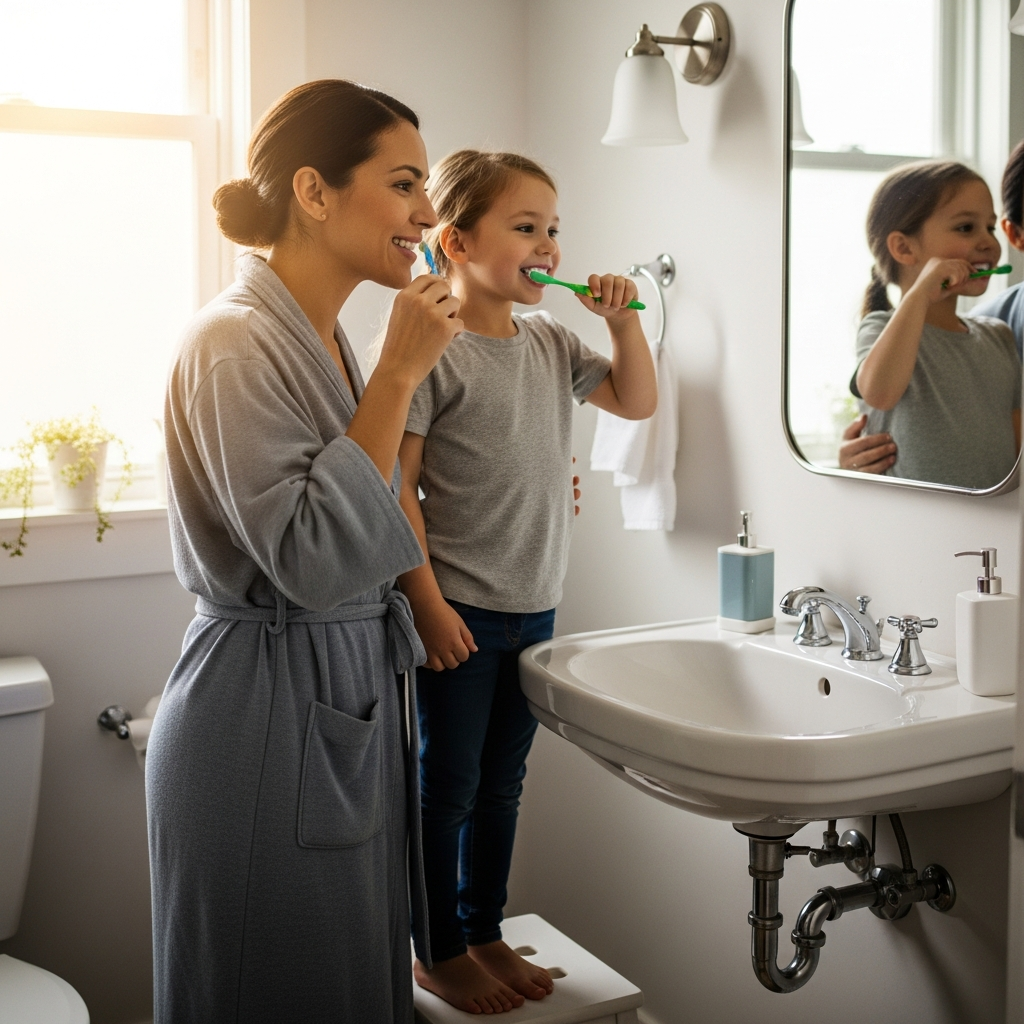
Consistent parenting routines are one of the most powerful tools for helping children feel secure. When life feels predictable, children can relax their vigilance and invest their energy in learning and playing instead of worrying about what comes next.
Why Predictable Schedules Help Anxious Children Feel Safe
There's real science behind why predictable routines help children feel safe. Research published in Frontiers in Child and Adolescent Psychiatry found that routine helps children plan, predict what to expect, and protects them from anxiety during stressful times.
Structure lowers stress hormones - predictable patterns decrease cortisol and support emotional regulation. For helping anxious child feel safe at home, routines act like a safety net, giving children confidence to face daily challenges.
This doesn't mean rigid schedules. Flexible routines that maintain the same general sequence (wake up, eat breakfast, get dressed, play) provide security while allowing for real-life variations. When disruptions happen - travel, illness, holidays - keeping even small parts of the routine intact helps children feel anchored.
Bedtime Routines That Create Connection and Comfort
Bedtime routines that help children feel safe deserve special attention because sleep separations can trigger insecurity in young children. A consistent wind-down ritual signals to your child that nighttime is safe and that you'll be there in the morning.
An effective bedtime routine might include:
| Step | Activity | Purpose |
|---|---|---|
| 1 | Bath time | Signals transition from active play to rest |
| 2 | Pajamas and comfort items | Creates physical comfort and routine |
| 3 | Quiet story or songs | Builds connection and calms the mind |
| 4 | Goodnight ritual | Provides predictable closure |
Part of a soothing bedtime routine can include comfortable sleepwear that signals to your child it's time to wind down. Choosing soft, quality bamboo pajamas as part of your nightly ritual adds a sensory comfort element that helps toddlers feel confident and secure.
Emotionally Safe Parenting Practices
Emotionally safe parenting means creating an environment where your child feels accepted regardless of their emotions - where big feelings are welcomed, not punished. This doesn't mean no boundaries. It means boundaries delivered with empathy.
Validating Feelings While Setting Healthy Boundaries
When we dismiss children's emotions ("You're fine!" "There's nothing to cry about!"), we inadvertently teach them that their feelings are wrong or unimportant. This undermines their sense of security in expressing themselves.
Validating child emotions sounds like:
- "You're really disappointed we can't go to the park. That's hard."
- "I can see you're angry. It's okay to feel angry."
- "That was scary for you. I understand."
Creating safe space for child emotions doesn't mean allowing all behaviors. You can validate the emotion while holding the boundary:
"You're frustrated because you want another cookie. I get it. The answer is still no, and I'm here if you need a hug."
The importance of boundaries for child security is often overlooked. Children actually feel safer when they know limits exist. Clear, consistent boundaries - delivered with warmth - tell children that someone is in charge and keeping them safe.
The Power of Repair After Conflict
You will lose your temper. You will respond imperfectly. Every parent does. What separates secure attachment from insecure isn't perfection - it's repair.
When you've had a difficult moment with your child, coming back to reconnect teaches them something powerful: relationships can survive conflict. This is actually a crucial skill for teaching children emotional regulation at home.
Age-appropriate repair looks like:
- For toddlers: Physical reconnection - a hug, gentle touch, warm eye contact
- For preschoolers: Simple acknowledgment: "Mommy got too loud. I'm sorry. I love you."
- For older children: Conversation about what happened and how you'll try to do better
Accepting big feelings and modeling recovery shows children that emotions - even intense ones - are manageable and that love persists through difficult moments.
Physical Affection and Quality Time That Matters
How physical affection helps children feel secure is backed by compelling science. Research shows that hugs trigger the release of oxytocin, lowering levels of stress hormones and helping children develop resilience.
Touch is the first sense to develop, and physical contact provides stimulation a child's brain needs for healthy growth. When you hug your child, you're helping their brain develop healthy stress responses.
Daily Micro-Moments of Connection
You don't need hours of one-on-one time to make your child feel loved and secure. Small moments of connection throughout the day fill what experts call your child's "emotional cup." Ways to make your child feel loved and secure include:
- A warm greeting when they wake up
- Eye contact and full attention for just 5 minutes of play
- Physical affection during transitions (a hug before daycare drop-off)
- Narrating their play: "You're building such a tall tower!"
- Snuggling together during a book
- A special handshake or saying that belongs just to you two
Simple moments like snuggling in comfortable kids' clothes while reading together create lasting feelings of warmth and security that your child will carry with them.
For working parents, quality time with child doesn't require quantity. Brief, fully-present interactions matter more than distracted hours. For families with multiple children, even brief one-on-one time reassures each child that their unique relationship with you matters.
Recognizing When Your Child Needs Extra Support
Even in loving homes, some children struggle more with feeling secure. Understanding why does my child feel insecure at home sometimes helps you respond appropriately and know when professional guidance might help.
Signs Your Child May Be Feeling Insecure
Every child has difficult days, but persistent patterns may indicate your child needs extra support. Watch for:
- Regression: Returning to earlier behaviors (thumb-sucking, bedwetting, baby talk) after a period of development
- Excessive clinginess: Difficulty separating that intensifies rather than improves with age
- Sleep disturbances: New or worsening nightmares, resistance to bedtime, or difficulty sleeping alone
- Withdrawal: Loss of interest in activities they previously enjoyed
- Physical symptoms: Frequent stomach aches or headaches without medical cause
- Increased aggression or defiance: Acting out can be a sign of underlying anxiety
What makes a child feel insecure varies - sometimes it's a life change (new sibling, move, parental stress), and sometimes it's temperament. Knowing how to respond when child feels unsafe means increasing predictability and your own regulated presence. If concerns persist, consulting with a pediatrician or child therapist is a sign of strength. Early intervention for child anxiety symptoms makes a significant difference.
Building Long-Term Emotional Resilience
The daily work of building emotional resilience in children might feel small - another bedtime routine, another validated feeling, another hug. But these actions accumulate into something profound: a child who handles life's challenges because they know they are loved and capable.
Raising secure children doesn't mean protecting them from difficulty. Paradoxically, children who feel most secure become most resilient because they've learned that hard things happen and they can get through them with support.
For parents who didn't experience security in their own childhoods, cycle-breaking parenting is possible. Each secure interaction writes a new story for them and future generations. An emotionally healthy child isn't one who never struggles - it's one with internal resources to navigate struggle and emerge stronger.
Creating Security One Moment at a Time
Learning how to make child feel secure isn't about grand gestures or perfect parenting. It's about showing up, day after day, with responsive care, predictable routines, and emotional safety. It's about creating a safe and nurturing home environment where your child can relax into being a child.
The research is clear: raising secure children sets them up for better relationships, stronger mental health, and greater success throughout life. And the tools are simple - not always easy, but simple. Respond to their cues. Maintain routines. Validate their feelings. Repair after ruptures. Offer physical affection freely.
At PatPat, we believe every child deserves to feel safe, loved, and comfortable. Start today with one small change - whether that's adding five minutes of focused connection time or creating a consistent bedtime routine. Your child's sense of security builds one moment at a time, and those moments matter more than you know.
Frequently Asked Questions
How do I make my child feel safe and secure?
Focus on consistent routines, responsive caregiving, and physical affection. Respond promptly to your child's needs, validate their emotions, and create predictable daily patterns. Children feel most secure when they can trust that their caregivers will be there for them emotionally and physically.
What are signs of secure attachment in children?
Securely attached children use their parent as a "home base" to explore from, show distress when separated but calm quickly upon reunion, seek comfort from parents when upset, and display confidence in new situations. They can express emotions openly and recover from distress with parental support.
Why is it important for children to feel safe at home?
Emotional security at home supports healthy brain development, builds confidence for learning and exploration, and creates the foundation for healthy relationships throughout life. Children who feel safe are better able to regulate emotions, cope with stress, and develop resilience.
How do routines help children feel secure?
Predictable routines reduce anxiety by helping children know what to expect. When daily patterns are consistent, children develop a sense of control over their environment. This predictability allows them to relax and focus their energy on learning and growing rather than worrying about what comes next.
What is emotionally safe parenting?
Emotionally safe parenting means creating an environment where children feel accepted regardless of their emotions. It involves validating feelings without judgment, viewing challenging behavior as communication, maintaining boundaries with empathy, and repairing the relationship after conflicts.
How can I help my anxious child feel safe at home?
Create calm spaces for decompression, maintain consistent routines, validate their fears without dismissing them, and model calm behavior. Teach simple relaxation techniques appropriate for their age. Most importantly, stay regulated yourself, as children co-regulate with their caregivers.
Does my parenting style affect my child's sense of security?
Yes, responsive and consistent parenting builds security, while unpredictable responses can create anxiety. However, perfection isn't required. What matters most is being "good enough" - generally responsive, willing to repair after mistakes, and emotionally available. Small daily actions accumulate into lasting security.
How do I build secure attachment with my baby?
Respond consistently to your baby's cues for hunger, comfort, and connection. Make eye contact, talk and sing to them, and provide plenty of physical touch. Follow their lead during play and comfort them when distressed. Consistency in caregiving is more important than perfection.




