


When your baby has diarrhea, every diaper change brings a fresh wave of worry. You are not just dealing with the mess — you are watching your little one lose fluids, refuse food, and feel miserable. Choosing the right baby food for diarrhea recovery can feel overwhelming, especially with conflicting advice coming from every direction.
So what should you actually feed a baby with diarrhea? If someone told you to stick strictly to the BRAT diet — bananas, rice, applesauce, and toast — that advice is now outdated. Modern guidelines focus on maintaining hydration, offering gentle foods that support gut healing, and continuing age-appropriate nutrition rather than restricting your baby to four bland items.
This guide covers everything about baby diarrhea recovery food, from spotting dehydration signs to choosing the best foods for each age group. Whether your baby has a stomach bug, teething-related loose stools, or diarrhea after starting solids, you will find practical strategies here.
When your baby is under the weather, comfortable clothing matters too. PatPat offers soft, breathable baby outfits that are gentle on sensitive skin and easy to change during frequent diaper situations. Explore PatPat's baby clothing collection for sick-day comfort essentials.
How to Keep Your Baby Hydrated During Diarrhea and Spot Dehydration Signs
Before you even think about which foods to offer, hydration is the single most important priority when your baby has diarrhea. Loose, watery stools pull fluid and electrolytes from your baby's body at an alarming rate, and small infants can become dangerously dehydrated within hours.
Warning Signs of Dehydration Every Parent Must Recognize
Knowing the baby diarrhea dehydration signs can literally save your child's life. The American Academy of Pediatrics identifies decreased urination as a key dehydration indicator in infants with diarrhea. Watch for these symptoms:
- Mild dehydration: Slightly fewer wet diapers, slightly dry mouth, increased thirst
- Moderate dehydration: Fewer than 3 wet diapers in 24 hours, sunken fontanelle (soft spot), dry lips and mouth, no tears when crying, unusual fussiness
- Severe dehydration (medical emergency): No wet diapers for 6+ hours, sunken eyes, skin that stays pinched when gently pulled, extreme lethargy, cool or mottled skin
Seek immediate emergency care if your baby shows signs of severe dehydration. Do not wait for a scheduled appointment — go directly to the emergency room.
Breastfeeding, Formula, and Pedialyte: Which Fluids to Offer and When
Breastfed babies: Continue nursing on demand. Breast milk provides the ideal electrolyte balance plus antibodies that actively fight infection. The World Health Organization confirms that breastfeeding reduces the duration and severity of diarrheal episodes. Increase feeding frequency rather than volume per session.
Formula-fed babies: Continue full-strength formula. The old advice to dilute formula is a myth that can actually deprive your baby of needed calories and nutrients. Only switch to a lactose-free formula if your pediatrician specifically recommends it.
Pedialyte and oral rehydration solutions (ORS): For babies showing signs of moderate dehydration, Pedialyte can be a lifesaver. For infants under 12 months, offer 1-2 teaspoons every 5 minutes. Toddlers can take small, frequent sips. Pedialyte freezer pops work well for babies who refuse the liquid version.
Fluids to avoid: Plain water in large amounts for babies under 6 months (risk of hyponatremia), fruit juice of any kind, soda, and sports drinks. These can all worsen diarrhea or create dangerous electrolyte imbalances.
[IMAGE: Infographic showing dehydration warning signs in babies -- mild, moderate, and severe levels]
Recommended size: 800x600px | Alt text: "Baby dehydration signs checklist for diarrhea"
Is the BRAT Diet Still Recommended for Babies With Diarrhea?
If you grew up hearing about the BRAT diet, you are not alone. For decades, parents were told to feed sick children nothing but Bananas, Rice, Applesauce, and Toast until diarrhea resolved. But pediatric nutrition has moved on.
What Pediatricians Now Say About the BRAT Diet
The BRAT diet baby recommendation has been downgraded significantly. The AAP now considers restrictive diets like BRAT nutritionally inadequate for recovering children because they lack sufficient protein, fat, and micronutrients that a healing gut needs. The WHO echoes this stance, recommending that children continue eating a normal diet during and after diarrheal illness.
This does not mean BRAT foods are harmful. Bananas, rice, applesauce, and toast are all perfectly fine foods to include. The problem is relying on them exclusively. A baby recovering from diarrhea needs calories, protein for tissue repair, healthy fats for energy, and probiotics for gut restoration — none of which the original BRAT diet provides in adequate amounts.
Beyond BRAT: A Balanced Approach to Diarrhea Recovery Nutrition
Modern pediatric guidelines recommend a simple framework for what to feed baby with diarrhea:
The Recovery Nutrition Formula: Binding starches + gentle protein + healthy fat + probiotic foods = complete diarrhea recovery nutrition
Instead of restricting to four bland items, continue offering your baby a normal age-appropriate diet with emphasis on easily digestible options. Research from the WHO shows that continued feeding during diarrheal episodes speeds recovery and reduces the overall duration of illness. Think of BRAT foods as a starting point, not the entire plan.
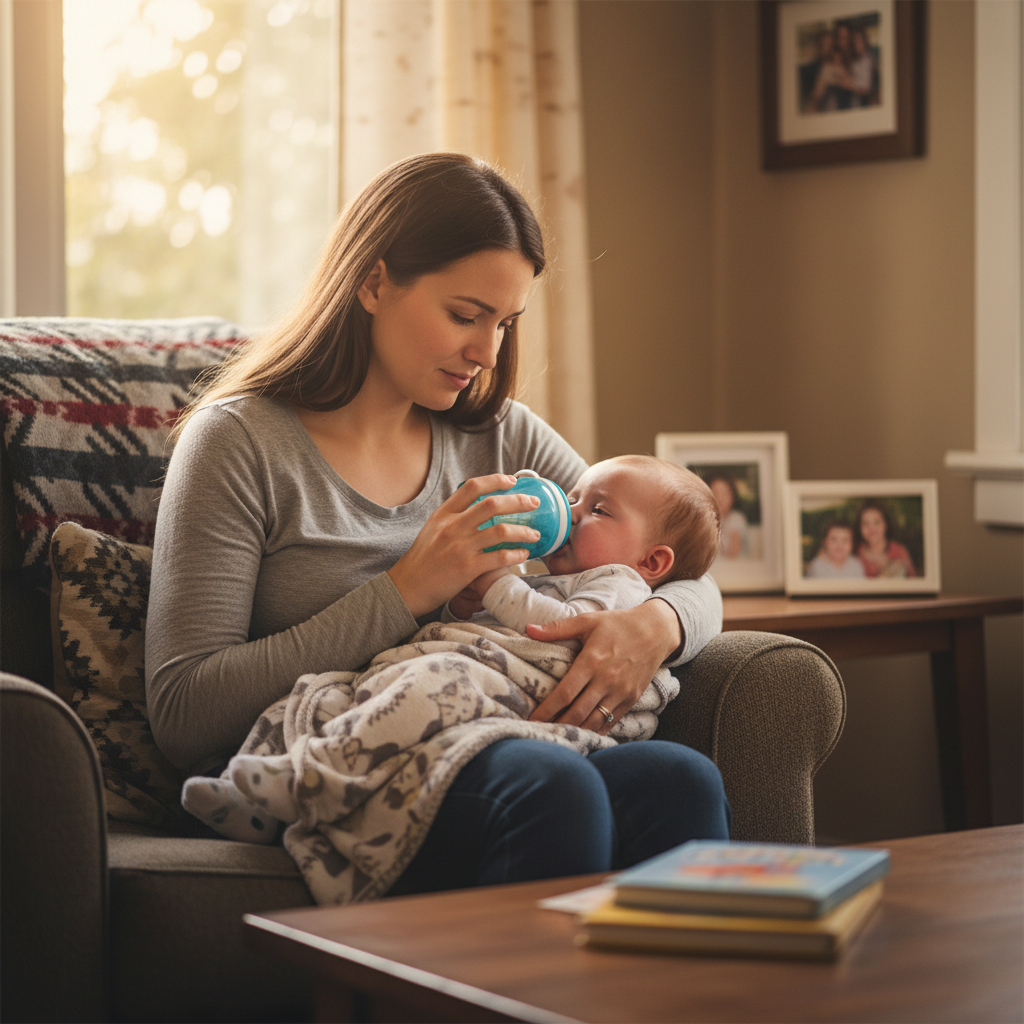
Best Gentle Foods to Feed Your Baby With Diarrhea for Faster Recovery
Now for the part you have been waiting for: a complete list of foods for baby with diarrhea, organized by category so you can mix and match based on what your baby tolerates and enjoys.
Binding Starches: Rice, Potato, Oatmeal, and Toast Options
- White rice or rice cereal: The starch absorbs excess water in the intestine, helping firm stools. Serve plain white rice porridge or infant rice cereal mixed with breast milk or formula. You can also try rice water — boil 1 cup rice in 2 cups water, strain the cloudy liquid, cool, and offer small sips.
- Potato and sweet potato: Peeled, boiled, and mashed plain potatoes provide a starchy binding effect plus potassium to replace electrolyte losses. Sweet potato adds vitamin A, which supports mucosal healing in the gut lining.
- Oatmeal: The soluble fiber (beta-glucan) in oatmeal absorbs excess water in the gut. Serve it plain and well-cooked. Skip the sugar and fruit toppings for now.
- Plain toast or crackers: Appropriate for babies 8+ months who have developed a pincer grasp. Offer plain white bread toast or unsalted crackers in small, manageable pieces.
Banana and Applesauce: Pectin-Rich Fruits That Firm Stools Naturally
Banana for baby diarrhea is one of the most reliable recovery foods in any parent's toolkit. Ripe bananas are loaded with pectin, a soluble fiber that absorbs intestinal fluid and helps firm loose stools. They also supply potassium to replace what is lost through diarrhea, plus natural sugars for gentle energy.
Unsweetened applesauce works through the same pectin mechanism. Cooked apples release pectin more effectively than raw ones. Use store-bought unsweetened varieties or make your own by peeling, coring, boiling, and mashing. Avoid apple juice — its sorbitol and fructose pull water into the intestines and worsen diarrhea.
| Age Group | Banana Serving | Applesauce Serving |
|---|---|---|
| 6-8 months | 1-2 tablespoons mashed | 1-2 tablespoons |
| 9-12 months | 2-4 tablespoons or soft pieces | 2-4 tablespoons |
| 12+ months (toddler) | Up to half a banana | Up to 1/4 cup |
Lean Protein Sources: Chicken, Eggs, and Broth for Recovery Strength
- Shredded or pureed chicken: Lean protein supports tissue repair without straining digestion. Boil or steam plain chicken with no seasoning, then shred finely or puree depending on your baby's age.
- Scrambled eggs: An easy-to-digest protein and fat source. Cook soft with minimal butter and serve in small, soft pieces for babies 6+ months who have been introduced to eggs.
- Chicken bone broth: Provides fluids, electrolytes (sodium and potassium), gelatin for gut lining repair, and amino acids. Serve warm (not hot) in a sippy cup or mixed into rice porridge for a nutrient-dense recovery meal.
Probiotic Foods and Gut Healing Strategies After Baby Diarrhea
Your baby's gut microbiome takes a real hit during diarrheal illness. Restoring the balance of good bacteria is not just helpful — it can measurably shorten recovery time.
Why Probiotic-Rich Foods Speed Up Diarrhea Recovery
Diarrhea disrupts the delicate ecosystem of beneficial bacteria in your baby's intestines. Research reviewed by the NIH's National Center for Complementary and Integrative Health confirms that probiotics reduced the duration of diarrhea by approximately one day in children, with Lactobacillus rhamnosus GG and Saccharomyces boulardii showing the strongest evidence.
The best probiotic foods for baby diarrhea recovery include:
- Full-fat plain yogurt: The top probiotic food for babies 6+ months. Look for "live and active cultures" on the label. Serve plain with no added sugar or honey. Start with 1-2 tablespoons.
- Kefir: A drinkable fermented milk with diverse probiotic strains, appropriate for babies 9+ months. Mix into cereal or offer in a straw cup.
- Probiotic drops or supplements: Lactobacillus rhamnosus GG is the most studied strain for infant diarrhea. Always consult your pediatrician before using supplements, especially for babies under 6 months.
Zinc Supplementation and Its Role in Reducing Diarrhea Duration
The WHO recommends zinc supplementation to reduce the duration of diarrhea episodes in children: 10mg per day for infants under 6 months and 20mg per day for older babies, given for 10-14 days. This practice is standard in many countries but underutilized in Western pediatrics.
Always discuss zinc supplementation with your pediatrician before starting. In the meantime, you can offer zinc-rich recovery foods naturally: egg yolks, chicken, oatmeal, and yogurt all contain meaningful amounts of zinc.
Foods to Avoid When Your Baby Has Diarrhea: What Makes It Worse
Knowing what NOT to feed your baby is just as important as knowing what to offer. Some common foods and drinks can dramatically worsen loose stools and delay recovery.
Fruit Juice, Excess Sugar, and High-Fiber Foods That Worsen Loose Stools
- Fruit juice (especially apple, pear, cherry): High fructose and sorbitol content draws water into the intestines via osmosis, worsening diarrhea significantly. Eliminate all juice during illness.
- High-sugar foods: Cookies, sweetened cereals, candy, and flavored yogurt. Sugar acts as an osmotic agent, pulling fluid into the gut.
- High-fiber raw fruits and vegetables: Raw broccoli, beans, peas, berries, and whole grains with bran contain insoluble fiber that speeds transit time. Temporarily reduce these until recovery is complete.
- "P" fruits that worsen diarrhea: Prunes, plums, and raw pears are natural laxatives. Avoid these during active diarrhea episodes.
Dairy, Fatty Foods, and Spicy Meals: Temporary Dietary Restrictions
Diarrhea can temporarily damage the enzyme lactase in the gut lining, causing secondary lactose intolerance. The NIH reports that secondary lactose intolerance is common after acute gastroenteritis in young children. Consider switching toddlers to lactose-free milk for 1-2 weeks post-illness. Yogurt is usually tolerated because fermentation pre-digests the lactose.
| Safe Foods (YES) | Avoid These Foods (NO) |
|---|---|
| Ripe banana | Apple juice / any fruit juice |
| Plain rice / rice cereal | Fried or greasy foods |
| Unsweetened applesauce | Prunes, plums, raw pears |
| Plain yogurt (live cultures) | Sweetened cereal or cookies |
| Boiled potato / sweet potato | Raw high-fiber vegetables |
| Plain chicken / scrambled eggs | Spicy or heavily seasoned food |
| Chicken bone broth | Cow milk (if lactose intolerant) |
| Plain oatmeal | Artificial sweeteners (sorbitol) |
[IMAGE: YES/NO food chart for baby diarrhea recovery -- visual two-column reference]
Recommended size: 800x600px | Alt text: "Foods to feed and avoid during baby diarrhea recovery chart"
Age-by-Age Diarrhea Recovery Feeding Guide From Newborn to Toddler
What you feed your baby during diarrhea depends heavily on their age and developmental stage. Here is a breakdown of the best recovery approach for each age group.
Newborn to 5 Months: Breast Milk and Formula Are the Complete Recovery Diet
For babies under 6 months, do NOT introduce solids or any new foods to treat diarrhea. Breast milk or formula is the only food they need.
- Breastfed newborns: Nurse more frequently in shorter sessions. Breast milk contains IgA antibodies and prebiotics that actively fight infection and support gut healing.
- Formula-fed newborns: Continue the same formula at full strength. Discuss with your pediatrician only if a temporary switch to lactose-free formula seems warranted.
- Distinguishing normal stool from diarrhea: Normal breastfed stool is yellow, seedy, and loose. Actual diarrhea involves a sudden increase in frequency, truly watery consistency, and often a foul smell.
6 to 8 Months: Early Solids Stage Recovery Meals
Continue breast milk or formula as the primary nutrition source and offer well-tolerated purees alongside.
Sample recovery day for a 6-month-old:
- Morning: Breast milk or formula + 2 tablespoons plain rice cereal
- Midday: Breast milk or formula + 2 tablespoons mashed banana
- Afternoon: Breast milk or formula + 1-2 tablespoons plain yogurt
- Evening: Breast milk or formula + 2 tablespoons unsweetened applesauce
Important: avoid introducing any brand-new foods during active diarrhea. Stick with foods your baby has already tolerated successfully.
9 to 12 Months: Finger Food Stage Recovery Options
At this stage, your baby can handle soft finger foods, which opens up more recovery options:
- Soft banana pieces, well-cooked plain pasta, peeled boiled potato cubes
- Scrambled egg pieces, soft shredded chicken
- Rice porridge or congee with chicken broth — a nutrient-dense recovery meal
- Plain oat cereal rings or unsalted crackers as low-risk snacks
12 Months to 3 Years: Toddler Diarrhea Diet and Chronic Loose Stool Management
Toddlers have more food options but also face a unique challenge: chronic toddler diarrhea. This functional condition often results from excess juice intake, too much fruit, or not enough fat in the diet.
For acute diarrhea recovery, offer homemade chicken noodle soup (low-sodium), plain pasta, toast, baked potato, and scrambled eggs. For chronic loose stools, cut juice entirely, increase healthy fats (avocado, nut butter), and serve small, frequent meals. Switch from whole cow milk to lactose-free milk for about 2 weeks if lactose intolerance signs appeared during illness.

Common Causes of Baby Diarrhea and How Diet Plays a Role
Understanding what triggered the diarrhea helps you tailor your feeding approach. Different causes require slightly different dietary responses.
Viral Stomach Bugs, Teething, and Starting Solids: Identifying the Trigger
- Viral gastroenteritis (stomach bug): The most common cause, often from rotavirus or norovirus. Characterized by sudden onset, frequently accompanied by vomiting and fever. Focus on hydration first, then gradual refeeding with binding foods over 2-5 days.
- Teething: The teething-diarrhea link is debated. Excess swallowed drool may slightly loosen stools, but true diarrhea during teething usually has another underlying cause. No special diet change is needed for mild looseness during teething.
- Starting solids: New foods can temporarily disrupt gut bacteria. Pause new food introductions, return to well-tolerated purees, and reintroduce one food at a time once stools normalize. This is a common trigger for baby diarrhea after starting solids.
Antibiotic-Related Diarrhea and Food Sensitivity Triggers
- Antibiotics: These medications disrupt the gut microbiome. Probiotic supplementation during and after an antibiotic course can reduce severity. Increase yogurt and fermented food intake during treatment.
- Food allergy or intolerance: Cow milk protein allergy is the most common in infants. Signs include diarrhea with blood or mucus, skin rashes, and excessive fussiness. This requires an elimination diet under pediatrician guidance.
- Excess fruit and juice: Fructose malabsorption and sorbitol in pear, apple, and cherry juice cause osmotic diarrhea. The solution is straightforward: cut juice entirely and limit high-fructose fruits.
- Secondary lactose intolerance: After a stomach bug, the gut lining may temporarily lose the ability to produce lactase. Symptoms typically resolve within 2-4 weeks with temporary use of lactose-free alternatives.
When to Call the Pediatrician and How to Rebuild Your Baby's Diet After Recovery
Most baby diarrhea resolves on its own within a week. But some situations demand professional medical attention — and knowing the difference could be critical.
Red Flag Symptoms: When Baby Diarrhea Requires Emergency Medical Attention
Call your pediatrician immediately if you observe any of the following:
- Blood or mucus in the stool
- Fever above 102 degrees F (38.9 degrees C) in infants under 3 months, or persistent high fever in older babies
- No wet diapers for 6+ hours (severe dehydration)
- Vomiting everything for more than 12 hours
- Extreme lethargy, difficulty waking, or limp posture
- Sunken fontanelle, sunken eyes, no tears when crying
- Diarrhea lasting more than 7 days without improvement
- Recent travel to a developing country (parasitic infection risk)
When you call, be ready to tell the pediatrician about stool frequency, color, last wet diaper time, fluid intake, and your baby's temperature.
Gradual Refeeding: How to Rebuild Your Baby's Diet After Diarrhea
Once the worst is over, resist the urge to jump straight back to normal eating. A gradual approach protects the recovering gut lining.
- Day 1-2 post-recovery: Stick with well-tolerated recovery foods — banana, rice, yogurt, chicken broth. Keep meals small and frequent.
- Day 3-4: Reintroduce previously tolerated vegetables like cooked carrots, sweet potato, and squash, plus additional proteins.
- Day 5-7: Gradually return to normal diet variety. Reintroduce one previously tolerated food per day to monitor tolerance.
Dairy reintroduction: Wait 1-2 weeks for cow milk and cheese if there were signs of temporary lactose intolerance. Yogurt can typically resume sooner because fermentation pre-digests the lactose.
Appetite recovery: Reduced appetite for 1-2 weeks after illness is completely normal. Do not force-feed. Offer small portions frequently and prioritize calorie-dense foods like avocado, nut butter, and full-fat yogurt. Wait until stools have been normal for at least 3-5 days before introducing any brand-new foods.
[IMAGE: Day-by-day post-recovery refeeding timeline showing gradual food reintroduction]
Recommended size: 800x500px | Alt text: "Post-diarrhea baby diet recovery timeline"
Frequently Asked Questions About Baby Food and Diarrhea Recovery
What should I feed my baby when they have diarrhea?
Continue breast milk or formula as the primary food source, and offer easily digestible solids such as ripe banana, plain rice cereal, unsweetened applesauce, mashed potato, plain yogurt, and shredded chicken. Focus on small, frequent meals rather than large portions. Avoid fruit juice, high-sugar foods, and high-fiber raw fruits until stools return to normal.
Is the BRAT diet still recommended by pediatricians for babies?
The BRAT diet (Bananas, Rice, Applesauce, Toast) is no longer the primary recommendation from the AAP or WHO because it lacks sufficient protein, fat, and nutrients for a recovering baby. However, these four foods remain safe and helpful as part of a broader recovery diet that includes lean proteins, healthy fats, and probiotic-rich foods.
How do I know if my baby is dehydrated from diarrhea?
Watch for fewer than 3 wet diapers in 24 hours, a sunken soft spot (fontanelle), dry lips and mouth, no tears when crying, and unusual lethargy or fussiness. If your baby has no wet diapers for 6+ hours, has sunken eyes, or skin that stays pinched when gently pulled, seek emergency medical care immediately.
Can I give Pedialyte to my baby with diarrhea, and how much?
Pedialyte is safe for babies over 1 year old without a prescription and can be used for younger infants under pediatrician guidance. For infants, offer 1-2 teaspoons every 5 minutes. For toddlers, offer small frequent sips. If your baby refuses the taste, try Pedialyte freezer pops.
Should I stop feeding solids when my baby has diarrhea?
No. Current pediatric guidelines recommend continuing age-appropriate solid foods during diarrhea because maintaining caloric intake helps speed recovery. Temporarily shift to bland, easily digestible options, but do not restrict all solids. The only exception is to pause the introduction of brand-new foods until the diarrhea resolves.
How long does baby diarrhea usually last?
Most viral diarrhea in babies lasts 3 to 7 days and resolves on its own with proper hydration and gentle feeding. Antibiotic-related diarrhea may persist for the duration of the medication course and a few days beyond. Contact your pediatrician if diarrhea lasts longer than 7 days, contains blood, or is accompanied by high fever and dehydration signs.
Is yogurt good for a baby with diarrhea?
Yes. Plain full-fat yogurt with live active cultures is one of the best foods during diarrhea recovery for babies 6 months and older. The probiotics (lactobacillus and bifidobacterium) help restore healthy gut bacteria and can shorten illness duration by approximately one day. Choose unsweetened varieties only, as added sugar can worsen loose stools.
Does rice water help baby diarrhea, and how do I make it?
Rice water is a traditional remedy supported by some clinical evidence for reducing stool frequency in mild diarrhea. To prepare: boil 1 cup of white rice in 2 cups of water until the rice is fully cooked, strain the cloudy liquid, and let it cool to room temperature. Offer small sips between meals for babies 6 months and older. Rice water should supplement — not replace — breast milk, formula, or Pedialyte.
Helping Your Baby Bounce Back: The Key Takeaways
Dealing with baby diarrhea is stressful, but with the right knowledge you can support your little one's recovery confidently. Remember: hydration comes first, the BRAT diet is a starting point but not the whole solution, and continuing age-appropriate nutrition with gentle foods speeds recovery faster than restriction.
Offer breast milk or formula on demand, introduce binding starches and pectin-rich fruits, add lean proteins and probiotic-rich yogurt, and avoid juice and high-sugar foods until stools normalize. Trust your instincts — if something feels wrong, call your pediatrician. There is never a downside to asking for professional guidance.
While your baby recovers, comfort is everything. PatPat's collection of soft, breathable baby clothing makes diaper changes easier and keeps sensitive skin happy during those tough sick days. Browse PatPat's gentle baby essentials and find outfits designed for your baby's comfort at every stage.
Medical Disclaimer: This article is for informational purposes only and does not replace professional medical advice, diagnosis, or treatment. Always consult your pediatrician or healthcare provider before making dietary changes during illness, starting supplements, or if you have concerns about your baby's health. If your baby shows signs of severe dehydration or you are unsure about the severity of their condition, seek immediate medical attention.





