


Are you feeling overwhelmed by the endless advice, the physical changes, and the emotional rollercoaster that pregnancy brings? You are not alone. Between prenatal appointments, nursery planning, work responsibilities, and well-meaning suggestions from everyone around you, self-care during pregnancy often drops to the bottom of your priority list.
Here is the truth that might surprise you: taking care of yourself is not selfish. It is one of the most important things you can do for both yourself and your growing baby. Research consistently shows that maternal wellness practices directly improve pregnancy outcomes, yet many expecting mothers struggle to carve out time for their own well-being.
At PatPat, we understand that your journey into parenthood begins long before your baby arrives. That is why we have compiled these six evidence-based self-care habits that expecting mothers can realistically incorporate into their daily lives. Whether you are in your first trimester dealing with morning sickness or in your third trimester preparing for delivery, these habits will support you every step of the way.
In this guide, you will discover practical strategies for gentle exercise, balanced nutrition, quality sleep, stress relief, building support systems, and finding moments of joy. Each habit is backed by expert recommendations and tailored for real life, not a perfect one.
Why Self-Care Matters for You and Your Baby
Understanding why pregnancy self-care matters can help motivate you to prioritize your well-being even on the busiest days. The benefits extend far beyond feeling good in the moment.
Physical Benefits
Consistent self-care practices support healthy weight gain and optimal fetal development. According to ACOG, regular exercise may decrease your risk of gestational diabetes, preeclampsia, and cesarean birth. These habits also help manage common discomforts like back pain, swelling, and fatigue that often accompany pregnancy.
Mental Health Benefits
The emotional aspects of pregnancy are just as important as the physical ones. Between 14-23% of women will struggle with some symptoms of depression during pregnancy, according to ACOG data cited by the American Pregnancy Association. Self-care practices help reduce cortisol levels that can affect your baby and create emotional resilience for the transition to parenthood.
Long-Term Impact
The healthy habits you establish now do not disappear after delivery. They become the foundation for your postpartum recovery and model self-care for your entire family. Mothers who practice consistent self-care often report more positive birth experiences and smoother transitions into parenthood.
Habit 1: Gentle Movement and Safe Prenatal Exercise

Movement during pregnancy is not about maintaining your pre-pregnancy fitness level. It is about supporting your changing body and preparing for the physical demands of labor and delivery.
Benefits of Staying Active
According to ACOG, regular exercise reduces back pain and eases constipation. Beyond these immediate benefits, staying active improves circulation, reduces swelling, boosts energy levels, strengthens muscles for labor, and supports healthy sleep patterns.
Safe Exercises by Trimester
| Trimester | Recommended Activities |
|---|---|
| First | Walking 20-30 minutes daily, prenatal yoga, swimming |
| Second | Continue walking and swimming, modified strength training, prenatal Pilates |
| Third | Gentle stretching, prenatal yoga, pelvic floor exercises (Kegels), shorter walks |
Safety Guidelines
ACOG recommends that pregnant women should get at least 150 minutes of moderate-intensity aerobic activity every week. The NHS recommends using the conversation test: you should be able to hold a conversation as you exercise.
Key safety tips include:
- Stay hydrated and avoid overheating
- Listen to your body and modify as needed
- Avoid lying flat on your back after the first trimester
- Skip contact sports and activities with fall risks
- Consult your healthcare provider before starting new activities
Habit 2: Nourishing Your Body with Balanced Pregnancy Nutrition
What you eat during pregnancy directly impacts your energy levels, your baby's development, and how you feel each day. The goal is not perfection but consistent nourishment.
Essential Nutrients for Pregnancy Wellness
| Nutrient | Why It Matters | Food Sources |
|---|---|---|
| Folate/Folic Acid | Neural tube development | Leafy greens, fortified grains, legumes |
| Iron | Blood volume support, prevents anemia | Lean meats, beans, spinach |
| Calcium | Bone development | Dairy, fortified alternatives, leafy greens |
| Omega-3s | Brain development | Fatty fish, walnuts, chia seeds |
| Protein | Growth and tissue repair | Lean meats, eggs, legumes, dairy |
Practical Eating Tips
- Focus on nutrient-dense whole foods over processed options
- Eat smaller, more frequent meals to manage nausea and heartburn
- Keep healthy snacks accessible: nuts, fruit, cheese, whole grain crackers
- Remember that prenatal vitamins supplement but do not replace a balanced diet
- Stay flexible with food aversions and find alternative nutrient sources
Food Safety Reminders
Avoid raw fish, unpasteurized dairy, and deli meats. Limit caffeine to 200mg daily (about one 12-ounce cup of coffee). Always wash produce thoroughly.
Habit 3: Prioritizing Quality Sleep and Managing Pregnancy Fatigue

Sleep challenges are among the most common complaints during pregnancy. Understanding why sleep changes can help you find effective solutions.
Why Sleep Changes During Pregnancy
According to the Sleep Foundation, at least 50 percent of pregnant women suffer from insomnia during pregnancy. Hormonal shifts, physical discomfort, frequent bathroom trips, and anxiety about the future all contribute to disrupted sleep patterns.
Expert-Backed Tips for Better Sleep
Sleep Position Guidance:
- Left side sleeping improves blood flow to your baby after the first trimester
- Use pillows between knees, behind back, and under belly for support
- Elevate your head slightly to reduce heartburn
Sleep Hygiene Practices:
- Maintain consistent sleep and wake times
- Create a cool, dark, comfortable sleep environment
- Limit screen time one hour before bed
- Avoid large meals and excess fluids close to bedtime
Managing Pregnancy Insomnia
If you find yourself wide awake at 3 AM, try gentle stretching, a warm (not hot) bath, relaxation techniques like deep breathing, or get up and do a quiet activity until you feel sleepy again. Fighting insomnia often makes it worse.
Embracing Rest Beyond Sleep
Honor your body's need for daytime rest. Short naps of 20-30 minutes can boost energy without disrupting nighttime sleep. Remember that rest does not always mean sleep. Sitting with your feet up, reading, or enjoying gentle activities all count.
Habit 4: Practicing Mindfulness and Stress Relief Techniques
Pregnancy brings emotional intensity along with physical changes. Learning to manage stress is not a luxury but a necessity for your health and your baby's development.
Understanding Pregnancy Stress
Pregnancy hormones can intensify emotional responses to everyday situations. Chronic stress elevates cortisol, which research suggests can affect fetal development. The mind-body connection becomes especially important during this time.
Simple Mindfulness Practices
Breathing Exercises:
- 4-7-8 breathing: Inhale for 4 counts, hold for 7, exhale for 8
- Box breathing: 4 counts inhale, hold, exhale, hold
- Practice during moments of anxiety or before sleep
Pregnancy Meditation:
- Start with just 5-10 minutes daily
- Use guided pregnancy meditation apps like Expectful, Calm, or Headspace
- Focus on connecting with your baby through visualization
- Try body scan meditation for physical relaxation
Journaling for Emotional Processing:
- Write about hopes, fears, and daily experiences
- Gratitude journaling shifts focus to positives
- Track moods and patterns to share with your healthcare provider if needed
Daily Stress Management Strategies
Take breaks throughout the day for deep breathing. Spend time outdoors when possible. Engage in creative activities or hobbies. Limit news and social media if they cause anxiety. Practice saying "no" to non-essential commitments. Your energy is a precious resource right now.
Habit 5: Maintaining Connection and Building Your Support System
Pregnancy can feel isolating, even when you are surrounded by people. Building and nurturing your support network is a crucial form of self-care that pays dividends throughout your pregnancy and beyond.
Why Social Support Matters
Strong support systems are linked to better pregnancy outcomes. Having people you can rely on reduces feelings of isolation and overwhelm, provides practical help during and after pregnancy, and creates a foundation for your parenting journey.
Nurturing Key Relationships
Partner Connection:
- Schedule regular check-ins about feelings and needs
- Attend prenatal appointments together when possible
- Share pregnancy education resources and classes
- Discuss expectations for postpartum support
Family and Friends:
- Communicate openly about what support you need
- Accept offers of help without guilt
- Set boundaries when needed. It is okay to limit visitors or advice.
- Identify who can provide different types of support: emotional, practical, informational
Expanding Your Support Network
Consider building relationships with your healthcare provider, exploring whether a doula might support you during labor, or connecting with a mental health professional if experiencing anxiety or depression. Community connections through prenatal classes, local parent groups, or online communities can introduce you to other expecting parents who understand exactly what you are experiencing.
Part of reducing pregnancy stress is feeling prepared for your baby's arrival. Taking time to thoughtfully select comfortable baby clothes can be a calming activity that helps you connect with your upcoming journey into parenthood.
Habit 6: Creating Moments of Joy and Personal Time
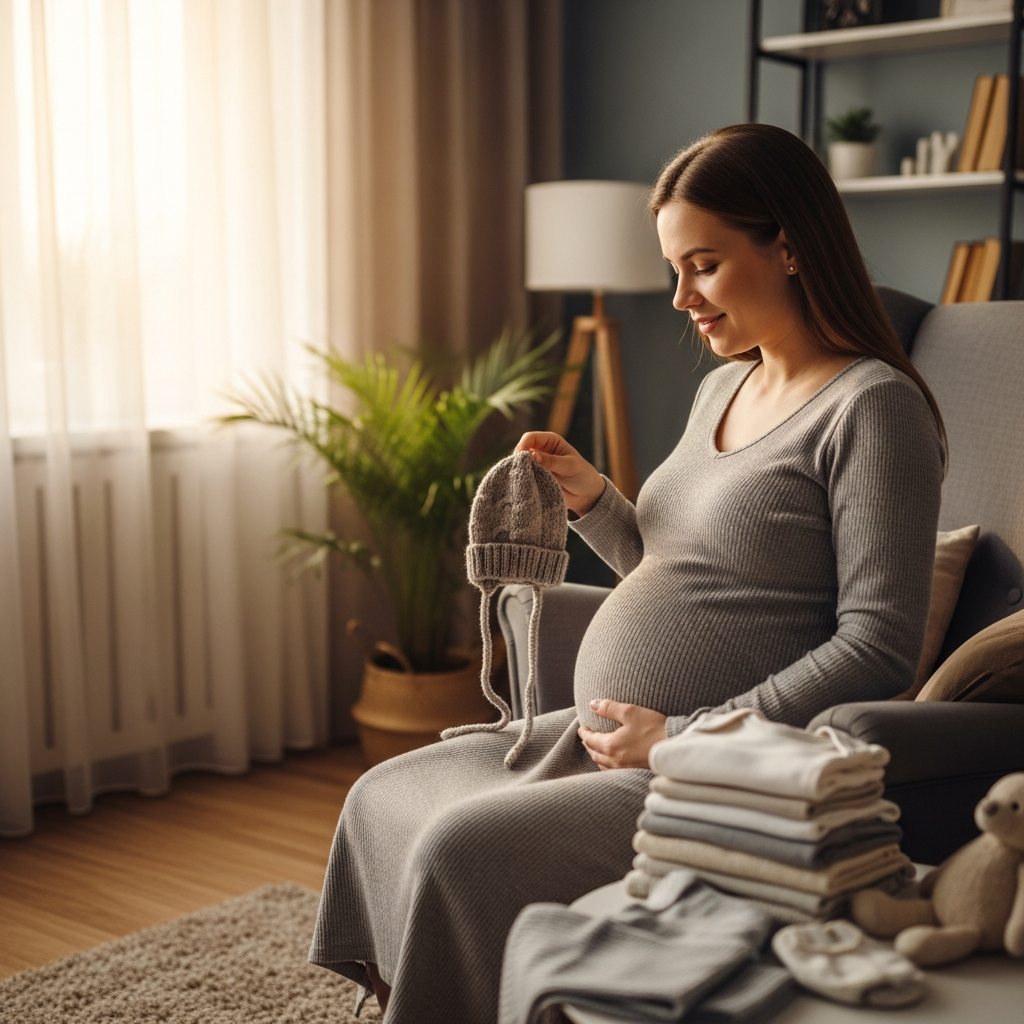
Self-care extends beyond physical health to include emotional nourishment and joy. Pregnancy is a time of significant change, and maintaining activities that bring you happiness helps preserve your sense of identity.
Rediscovering What Brings You Joy
Enjoyable activities naturally reduce stress hormones. The anticipation of positive experiences improves mood. What made you happy before pregnancy still matters now, even if you need to modify some activities.
Ideas for Pregnancy-Safe Pampering
Physical Pampering:
- Prenatal massage with a trained therapist
- Warm baths with pregnancy-safe products (avoid very hot water)
- Gentle skincare routine adapted for pregnancy
- Comfortable, soft clothing that makes you feel good
Mental and Creative Outlets:
- Reading books, whether pregnancy-related or purely for pleasure
- Creative hobbies: crafting, painting, knitting baby items
- Music: creating playlists, attending concerts, singing to your baby
- Photography: documenting your pregnancy journey
Social Enjoyment:
- Date nights with your partner before baby arrives
- Coffee or tea dates with friends
- Planning small celebrations
- Cooking or baking favorite comfort foods
Preparing for Baby as a Joyful Activity
Many expecting mothers find that preparing their baby's wardrobe becomes a peaceful, joyful ritual. Selecting soft, gentle fabrics like bamboo baby clothes for your little one's sensitive skin can be both practical and emotionally fulfilling, a way to bond with your baby before they arrive.
Consider setting aside a quiet afternoon to organize baby essentials. Choosing versatile basics like baby bodysuits in various sizes helps you feel prepared while creating a moment of peaceful anticipation.
Creating Your Personal Pregnancy Self-Care Routine
Now that you understand the six habits, let us put them together into a sustainable daily routine that works for real life.
Sample Daily Routine
| Time of Day | Self-Care Activities |
|---|---|
| Morning | Gentle stretching (10-15 minutes), nutritious breakfast with prenatal vitamin, positive intention for the day |
| Midday | Hydration check, healthy snack, brief movement if sedentary, 5-minute breathing exercise if stressed |
| Evening | Light dinner 2+ hours before bed, screen-free relaxation, warm bath or gentle yoga, gratitude journaling, comfortable sleep setup |
Weekly Additions
- One longer exercise session (prenatal yoga class, swimming)
- Social connection with a supportive friend or family member
- One "joy" activity purely for pleasure
- Review and adjust your routine as needed
Adjusting by Trimester
First trimester: Focus on managing nausea, fatigue, and emotional adjustment. Be gentle with yourself.
Second trimester: Often your highest energy period. Great time to establish stronger routines.
Third trimester: Prioritize rest, gentle movement, and preparation activities.
Remember that self-care is personal. What works for one expecting mother may not work for another. Give yourself permission to adjust, experiment, and prioritize based on your unique needs.
Frequently Asked Questions About Pregnancy Self-Care
What is self-care during pregnancy?
Self-care during pregnancy includes any activity that supports your physical, mental, and emotional well-being while expecting. This encompasses gentle exercise, balanced nutrition, adequate sleep, stress management, social connection, and moments of personal joy. These practices benefit both you and your developing baby.
Why is self-care important when pregnant?
Self-care during pregnancy reduces stress hormones that can affect fetal development, supports healthy weight gain, improves sleep quality, and builds emotional resilience for the transition to parenthood. Research shows that mothers who practice regular self-care report more positive pregnancy and birth experiences.
What exercises are safe during pregnancy?
Safe exercises include walking, swimming, prenatal yoga, stationary cycling, and modified strength training. ACOG recommends 150 minutes of moderate aerobic activity weekly for most pregnant women. Always consult your healthcare provider before starting any exercise program and listen to your body throughout.
How can I reduce stress while pregnant naturally?
Natural stress relief techniques include deep breathing exercises, meditation, prenatal yoga, journaling, spending time outdoors, limiting news consumption, and maintaining social connections. Regular physical activity also reduces stress hormones and improves mood throughout pregnancy.
How much water should I drink during pregnancy?
Most healthcare providers recommend 8-12 cups (64-96 ounces) of water daily during pregnancy. Your needs may increase with physical activity, hot weather, or certain health conditions. Adequate hydration supports amniotic fluid levels, nutrient transport, and helps prevent common pregnancy discomforts.
How many hours of sleep does a pregnant woman need?
Most pregnant women need 7-9 hours of sleep per night, though fatigue may increase the need for rest. Quality matters as much as quantity. Creating good sleep hygiene habits and finding comfortable sleeping positions can significantly improve your overall rest during pregnancy.
Is it normal to feel anxious during pregnancy?
Yes, experiencing some anxiety during pregnancy is very common. Between 14-23% of pregnant women experience depression symptoms, and anxiety frequently co-occurs. However, if anxiety is persistent, interferes with daily life, or feels overwhelming, speak with your healthcare provider about additional support options.
When should I start a pregnancy self-care routine?
You can begin a self-care routine as soon as you learn you are pregnant, or even while trying to conceive. Early pregnancy is an ideal time to establish healthy habits that will support you throughout all three trimesters and into the postpartum period.
Embracing Your Pregnancy Self-Care Journey

You have now discovered six essential self-care habits that can transform your pregnancy experience: gentle movement, balanced nutrition, quality sleep, mindfulness practices, building your support system, and creating moments of joy. Each of these habits works together to support both your well-being and your baby's development.
Remember that self-care during pregnancy is not about perfection. Some days you will nail your routine, and other days you will barely manage to take your prenatal vitamin and get to bed early. Both of those days count. What matters is the overall pattern of caring for yourself.
The fact that you are reading this article shows you are already a thoughtful, caring parent-to-be. You are doing better than you might think. Start with one or two habits that feel most achievable, and build from there. Small, consistent efforts make a meaningful difference.
At PatPat, we are honored to be part of your journey into parenthood. From pregnancy through those precious early years, we are here to support you with resources, guidance, and everything you need to welcome your little one with confidence and joy.
Start Your Pregnancy Self-Care Journey Today
Choose one habit from this guide to focus on this week. Whether it is a daily 10-minute walk, a new sleep routine, or simply reaching out to a friend, every small step supports your healthy pregnancy. You deserve this care, and so does your baby.
Medical Disclaimer: This article is for informational purposes only and does not constitute medical advice. Always consult with your healthcare provider before starting any new exercise program, making significant dietary changes, or if you have concerns about your physical or mental health during pregnancy. Every pregnancy is unique, and your healthcare team can provide personalized guidance for your specific situation.


