


Did you know that your baby's brain grows at a rate of approximately 250,000 neurons per minute during pregnancy, ultimately reaching over 100 billion neurons by birth? What you eat directly influences how these neurons form, connect, and function throughout your child's life.
Understanding foods for fetal brain development is one of the most empowering steps you can take during pregnancy. Your dietary choices provide the essential building blocks for your baby's developing nervous system, from neural tube formation in those early weeks through the explosive cerebral cortex growth in your third trimester.
In this comprehensive guide, we explore 10 science-backed superfoods during pregnancy that support neurodevelopment, synaptogenesis, and myelination. You will discover practical serving sizes, delicious meal ideas, and trimester-specific nutrition strategies that give your baby's brain the best possible foundation. At PatPat, we understand that preparing for your little one involves both nourishing their development now and getting ready to welcome them into the world.
How Prenatal Nutrition Shapes Your Baby's Developing Brain
The relationship between maternal nutrition and fetal brain development is profound. Every nutrient you consume has the potential to cross the placenta and fuel the incredible process of brain building happening inside you. Understanding this connection helps you make informed choices about your pregnancy diet.
The Science Behind Neurodevelopment and Diet
Your baby's brain requires specific nutrients to build healthy neurons and neural connections. DHA omega-3 fatty acids are essential for constructing neuronal cell membranes, where DHA comprises over 40% of polyunsaturated fatty acids in brain tissue. Choline supports the development of the hippocampus, your baby's future memory center. Meanwhile, folate enables proper neural tube closure and DNA synthesis during those critical early weeks.
Critical Windows of Brain Growth During Pregnancy
Brain development follows a remarkable timeline:
- First Trimester (Weeks 5-7): Neural tube formation occurs, requiring adequate folate to prevent defects
- Second Trimester (Weeks 15-20): Rapid neuron multiplication happens at the rate of 250,000 neurons per minute
- Third Trimester: The brain triples in weight, with cerebral cortex development, synaptogenesis, and myelination occurring at peak intensity
10 Superfoods That Support Fetal Brain Development
These brain-boosting foods for pregnant women provide concentrated amounts of the nutrients your baby's developing brain needs most. Each superfood offers unique benefits backed by scientific research.
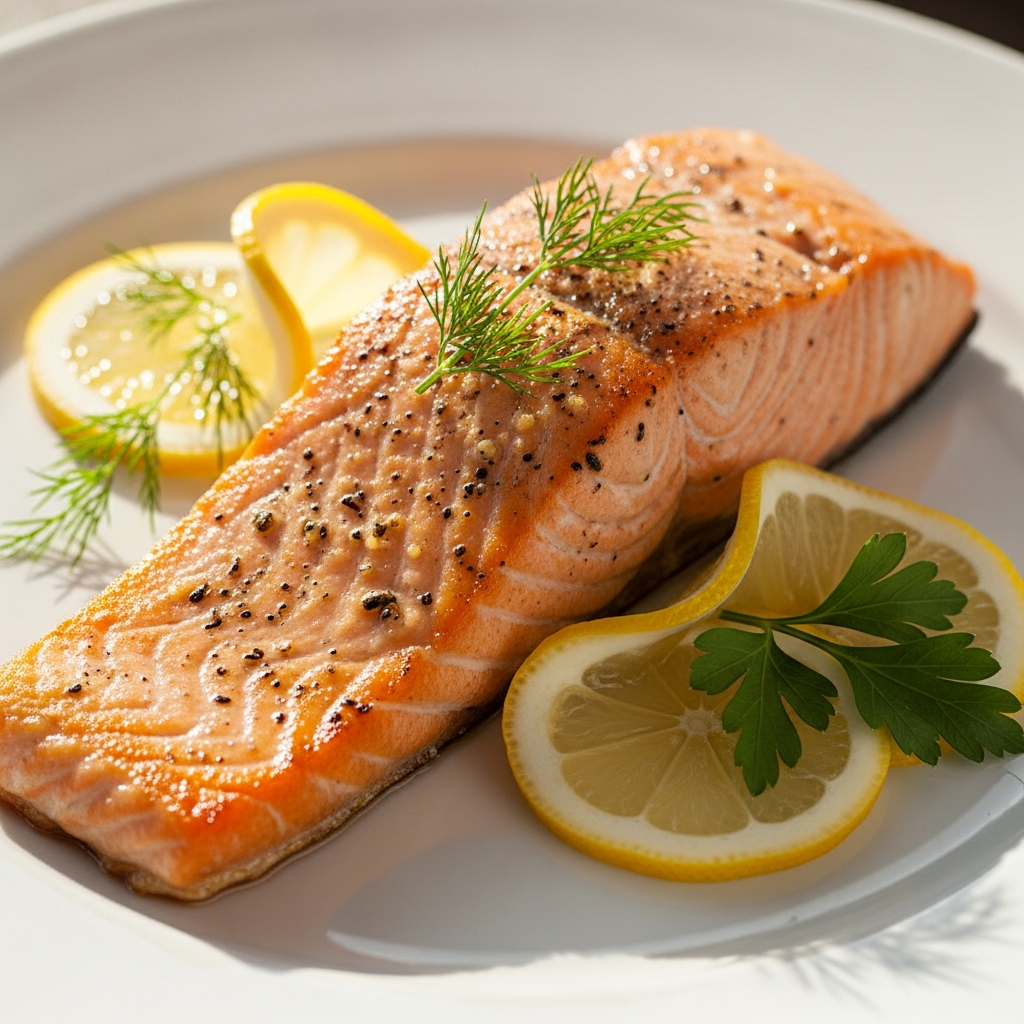
1. Wild-Caught Salmon: The Ultimate Source of DHA Omega-3
Fatty fish like salmon, sardines, and anchovies deliver the most bioavailable form of DHA omega-3, essential for building your baby's brain cell membranes and supporting visual cortex development.
| Nutrient | Amount | Pregnancy Daily Value |
|---|---|---|
| DHA Omega-3 | 1,000-1,500 mg | 200-500% of minimum |
| Protein | 22g | 44% |
| Vitamin D | 570 IU | 71% |
Serving Recommendation: 8-12 oz of low-mercury fish per week according to FDA guidelines. Try baked salmon with lemon herbs, salmon salad on whole grain bread, or sardines with avocado on crackers.
Safety Note: Choose low-mercury options like salmon, sardines, and anchovies. Avoid shark, swordfish, and king mackerel.
2. Whole Eggs: Nature's Choline Powerhouse
Eggs provide one of the richest dietary sources of choline, which is critical for hippocampus development and neural tube closure. The choline requirement increases during pregnancy to 450 mg per day, yet most pregnant women fall short of this target.
| Nutrient | Amount | Pregnancy Daily Value |
|---|---|---|
| Choline | 147 mg | 33% |
| Protein | 6g | 12% |
| Vitamin B12 | 0.6 mcg | 25% |
Serving Recommendation: 2-3 eggs daily helps meet the 450mg choline requirement. Enjoy scrambled eggs with spinach, hard-boiled eggs as snacks, or vegetable omelets.
3. Leafy Greens: Folate-Rich Brain Builders
Spinach, kale, and Swiss chard deliver essential folate for neural tube development. The CDC recommends 600 mcg of folate daily during pregnancy, and research indicates that approximately 70% of neural tube defects could be prevented with adequate folate supplementation.
| Nutrient | Amount | Pregnancy Daily Value |
|---|---|---|
| Folate | 260 mcg | 43% |
| Iron | 6.4 mg | 24% |
| Vitamin K | 888 mcg | 740% |
Serving Recommendation: 2-3 cups of leafy greens daily through green smoothies, sauteed greens, or fresh salads.
4. Avocados: Healthy Fats for Neural Membrane Formation
Avocados offer monounsaturated fats that support cell membrane flexibility and folate for neural tube development. These healthy fats for fetal brain development also enhance absorption of fat-soluble vitamins A, D, E, and K.
Key Benefits:
- 82 mcg folate per half avocado
- 10g of monounsaturated fat for brain cell membranes
- 487 mg potassium for fluid balance
Serving Recommendation: Half to one avocado daily. Enjoy on whole grain toast, in guacamole with vegetables, or sliced in grain bowls.
5. Walnuts and Almonds: Brain-Shaped Nutrition
Walnuts provide plant-based ALA omega-3 that converts to DHA, while almonds deliver vitamin E for antioxidant protection of developing neurons. Both nuts supply protein and magnesium for nervous system development.
Key Nutrients per 1 oz:
- Walnuts: 2.5g ALA omega-3, 45 mg magnesium
- Almonds: 7.3 mg vitamin E (49% DV), 76 mg calcium
Serving Recommendation: 1 oz daily (about 14 walnut halves or 23 almonds). Add to trail mix, top yogurt or oatmeal, or enjoy with apple slices.
6. Blueberries: Antioxidant Protection for Developing Neurons
Blueberries and other berries contain powerful anthocyanins that protect developing brain cells from oxidative stress. These antioxidants support healthy blood flow to the placenta and may enhance neural signaling pathways.
Key Benefits (1 cup blueberries):
- 150+ mg anthocyanins for neural protection
- 14 mg vitamin C to aid iron absorption
- 29 mcg vitamin K for healthy development
Serving Recommendation: 1-2 cups of mixed berries daily as snacks, in smoothie bowls, or topped on yogurt.
7. Legumes: Plant-Based Protein and Iron
Lentils, chickpeas, and black beans provide excellent folate along with plant-based iron for oxygen delivery to your baby's developing brain. The protein content supplies amino acids for neurotransmitter production.
| Nutrient | Amount | Pregnancy Daily Value |
|---|---|---|
| Folate | 358 mcg | 60% |
| Iron | 6.6 mg | 24% |
| Protein | 18g | 36% |
Serving Recommendation: 1-2 cups cooked legumes daily in lentil soup, hummus with whole grain pita, or black bean tacos.
8. Greek Yogurt: Iodine and Protein for Brain-Thyroid Connection
Greek yogurt delivers iodine essential for thyroid hormones that regulate brain development, along with high-quality protein and probiotics for gut-brain axis health.
Key Nutrients (1 cup):
- 75 mcg iodine (28% pregnancy DV)
- 20g protein for brain tissue building
- 200 mg calcium for nervous system signaling
Serving Recommendation: 2-3 servings of dairy daily as parfaits, smoothie bases, or paired with fruit.
9. Lean Beef and Poultry: Bioavailable Iron and Zinc
Lean red meat and poultry provide heme iron, the most absorbable form, preventing anemia and ensuring optimal oxygen delivery to your baby's rapidly growing brain. Zinc from these sources is critical for neurodevelopment and cell division.
Key Nutrients (3 oz lean beef):
- 2.6 mg heme iron for oxygen transport
- 4.8 mg zinc (44% DV) for neural development
- 1.4 mcg vitamin B12 for myelin sheath formation
Serving Recommendation: 3-4 servings (3 oz each) of lean meat per week. Enjoy in stir-fries, grilled chicken salads, or slow-cooked stews with legumes.
10. Whole Grains: Steady Energy and B Vitamins
Oats, quinoa, and brown rice provide B vitamins that support nervous system development while complex carbohydrates ensure steady glucose supply for your baby's brain energy needs.
Key Nutrients (1 cup cooked oatmeal):
- 0.2 mg thiamin (B1) for neural function
- 2.1 mg iron for oxygen transport
- 4g fiber for gut-brain health
Serving Recommendation: 6-8 servings of whole grains daily through steel-cut oatmeal, quinoa salads, or brown rice with vegetables.
Trimester-by-Trimester Nutrition Guide for Brain Development

First Trimester Brain Building Priorities (Weeks 1-12)
Focus Nutrients: Folate, Choline, Iron
During these critical early weeks, neural tube formation occurs between weeks 5-7. Many women do not know they are pregnant until week 4-6, which is why adequate folate intake before and during early pregnancy is essential.
Daily Targets:
- Folate: 600 mcg
- Choline: 450 mg
- Iron: 27 mg
Priority Foods: Leafy greens, eggs, fortified cereals, legumes
Second Trimester Brain Development Focus (Weeks 13-27)
Focus Nutrients: DHA Omega-3, Protein, Iodine
Rapid neuron multiplication occurs during weeks 15-20, with your baby's brain growing from the size of a lentil to a lemon. DHA demand increases significantly for cell membrane formation during this period.
Daily Targets:
- DHA: At least 200-500 mg
- Protein: 71g
- Iodine: 220 mcg
Priority Foods: Fatty fish, Greek yogurt, lean meats, legumes
Third Trimester Brain Growth Surge (Weeks 28-40)
Focus Nutrients: DHA, Iron, Healthy Fats
During these final weeks, your baby's brain experiences its most dramatic growth phase. Cerebral cortex development accelerates while synaptogenesis and myelination reach their peak.
Daily Targets:
- DHA: 300-500 mg
- Iron: 27 mg (absorption challenged by increased baby demands)
Priority Foods: Increase fatty fish to 2-3 servings weekly, avocados, nuts, iron-rich foods
Daily Serving Sizes and Practical Meal Planning
Quick Reference: How Much of Each Superfood Daily
| Superfood | Recommended Amount | Key Nutrients |
|---|---|---|
| Fatty Fish | 8-12 oz per week | DHA, Protein |
| Eggs | 2-3 daily | Choline, B12 |
| Leafy Greens | 2-3 cups daily | Folate, Iron |
| Avocado | 1/2 to 1 daily | Healthy fats, Folate |
| Nuts | 1 oz daily | ALA Omega-3, Vitamin E |
| Berries | 1-2 cups daily | Antioxidants |
| Legumes | 1-2 cups daily | Folate, Iron, Protein |
| Greek Yogurt | 1-2 cups daily | Iodine, Protein |
| Lean Meat | 3-4 servings weekly | Heme Iron, Zinc |
| Whole Grains | 6-8 servings daily | B Vitamins, Fiber |
Sample Brain-Boosting Pregnancy Day Menu
Breakfast: Steel-cut oatmeal with walnuts and blueberries, plus 2 scrambled eggs with spinach
Mid-Morning Snack: Greek yogurt parfait with mixed berries
Lunch: Lentil soup with whole grain bread, side salad with avocado
Afternoon Snack: Apple slices with almond butter, handful of trail mix
Dinner: Baked salmon with roasted vegetables, quinoa pilaf with herbs
Evening Snack: Cottage cheese with sliced strawberries
Foods to Approach with Caution During Pregnancy
High-Mercury Fish to Avoid
While fish provides essential DHA, certain varieties contain mercury levels that could harm your baby's developing brain and nervous system.
Fish to Avoid Completely:
- Shark
- Swordfish
- King mackerel
- Tilefish
- Bigeye tuna
Safe Low-Mercury Alternatives:
- Salmon
- Sardines
- Anchovies
- Herring
- Pollock
Other Considerations for Optimal Brain Development
Limit or Avoid:
- Caffeine: Limit to 200mg daily (about one 12 oz coffee)
- Alcohol: No safe amount during pregnancy
- Processed foods: High in sodium, low in brain-building nutrients
- Raw or undercooked fish and meat: Risk of foodborne illness
Focus On:
- Variety of whole foods from all superfood categories
- Adequate hydration with 10+ cups of water daily
- Regular meal timing to maintain stable blood sugar
Preparing for Your Baby's Arrival: Nutrition and Beyond
As you focus on nourishing your baby's developing brain through these superfoods, many expectant parents also begin thinking about other ways to prepare for their little one's arrival. The nesting instinct during pregnancy is powerful, and channeling that energy into meaningful preparation can be deeply satisfying.
Creating a Nurturing Environment From the Start
Just as you carefully select brain-building foods, choosing gentle, comfortable clothing for your newborn is another way to support their wellbeing. Newborns sleep approximately 16-17 hours per day in their first months, so breathable, soft fabrics become essential for their comfort and temperature regulation.
Many parents find that preparing the nursery and selecting quality baby clothes helps them feel connected to their growing baby. For newborns with sensitive skin, bamboo baby clothes offer hypoallergenic, temperature-regulating properties that keep babies comfortable during those crucial early months.
When building your newborn wardrobe, practical pieces like baby bodysuits and baby rompers and jumpsuits make diaper changes easier while keeping your little one cozy. These versatile essentials pair well with the care you are already putting into your pregnancy nutrition.
Frequently Asked Questions About Foods for Fetal Brain Development
What foods help baby brain development during pregnancy?
The top foods for fetal brain development include fatty fish (salmon, sardines) for DHA omega-3, eggs for choline, leafy greens for folate, and avocados for healthy fats. These superfoods provide essential nutrients like DHA, choline, folate, iron, and iodine that directly support neuron formation, neural tube development, and synapse creation. Eating a variety of these foods throughout pregnancy ensures your baby receives comprehensive brain-building nutrients.
When does baby brain develop during pregnancy?
Fetal brain development begins as early as week 3-4 with neural tube formation, which closes by week 6-7. The most rapid brain growth occurs during weeks 15-20 when neurons multiply at an extraordinary rate. The third trimester sees significant cerebral cortex development, with the brain tripling in weight. Each stage requires specific nutrients: folate early on, DHA throughout, and increased iron in the third trimester.
How much DHA should I take during pregnancy for brain development?
Consensus guidelines recommend that pregnant women consume at least 200 mg of DHA daily, with many experts suggesting 300-500 mg for optimal brain development. You can meet this by eating 8-12 oz of low-mercury fatty fish weekly, such as salmon, sardines, or anchovies. If you do not eat fish regularly, a quality prenatal DHA supplement can help bridge the gap. Consult your healthcare provider for personalized recommendations.
Is choline important during pregnancy?
Yes, choline is critically important during pregnancy. The recommended intake is 450 mg daily, yet research shows more than 90% of pregnant women do not meet this requirement. Choline supports hippocampus development (the brain's memory center), aids neural tube closure, and contributes to myelin sheath formation. Eggs are the best dietary source, with one large egg providing about 147 mg of choline.
Can what I eat during pregnancy affect my baby's intelligence?
Research indicates that maternal nutrition significantly influences fetal brain development and later cognitive outcomes. Studies link adequate DHA intake to improved cognitive test scores, choline to better memory function and faster information processing, and iron to healthy neural development. While genetics play a role, providing optimal nutrition through a diet rich in brain-building superfoods gives your baby's developing brain the best foundation.
What trimester is most important for baby brain development?
All three trimesters matter, but in different ways. The first trimester is critical for neural tube formation, making folate essential. The second trimester sees rapid neuron multiplication requiring DHA and protein. The third trimester involves cerebral cortex growth and synapse formation, with the brain tripling in weight. Consistent nutrition throughout pregnancy ensures each developmental stage receives proper support.
How much fish is safe during pregnancy?
According to FDA guidelines, pregnant women should eat 8-12 ounces (2-3 servings) of low-mercury fish per week. Safe choices include salmon, sardines, anchovies, herring, and pollock. Avoid high-mercury fish like shark, swordfish, king mackerel, and bigeye tuna. The benefits of omega-3 fatty acids from fish outweigh mercury risks when you choose low-mercury varieties and stay within recommended amounts.
Are prenatal vitamins enough for baby brain development?
Prenatal vitamins provide important baseline nutrients, especially folate and iron, but they cannot fully replace a nutritious diet. Most prenatal vitamins contain limited DHA (if any) and may not provide adequate choline. A diet rich in brain-building superfoods delivers nutrients in their most bioavailable form, along with fiber, antioxidants, and phytonutrients that supplements cannot replicate. Think of prenatals as nutritional insurance, not a substitute for whole foods.
Nourishing Your Baby's Brain: Every Bite Matters
The journey of pregnancy is remarkable. In just 40 weeks, your baby develops a brain with over 100 billion neurons, each one influenced by the nutrients you provide. By incorporating these 10 superfoods for fetal brain development into your daily diet, you are actively participating in building your baby's cognitive foundation.
Key Takeaways
- DHA omega-3 from fatty fish builds neural cell membranes
- Choline from eggs supports memory center development
- Folate from leafy greens protects against neural tube defects
- Healthy fats from avocados and nuts fuel brain growth
- Iron from lean meats and legumes ensures oxygen delivery to your baby's brain
Your Action Plan
Start by adding one new superfood to your weekly rotation. Track your intake of key nutrients like DHA, choline, and folate. Create a meal plan that incorporates variety across all 10 superfoods. And remember: consistency matters more than perfection.
Every salmon dinner, every spinach smoothie, every handful of walnuts contributes to your baby's developing brain. You are doing incredible work growing a new life, and your nutritional choices are laying the groundwork for a lifetime of learning and growth.
At PatPat, we celebrate this beautiful journey with you. Whether you are nourishing your baby through brain-building foods or preparing their wardrobe with soft, comfortable essentials, every choice you make reflects your love and dedication as a parent.




