


Germany has some of the most distinctive baby naming traditions in Europe, blending centuries-old heritage with modern international influences. According to researcher Knud Bielefeld, who analyzes approximately 240,000 German birth notifications annually, German parents continue to favor names that are both meaningful and melodic. Classic choices like Emilia and Noah maintain their top positions while vintage names like Gerda and Moritz make surprising comebacks.
Whether you have German heritage you want to honor, appreciate the strong yet elegant sound of German names, or are simply looking for a name that stands out, this comprehensive guide covers everything you need to know about German baby names. At PatPat, we understand that choosing the perfect name for your little one is one of the most exciting decisions you will make as a parent.
From the official Standesamt (civil registry) statistics to regional preferences in Bavaria versus Berlin, we have compiled the most complete resource on German baby names available. You will discover:
- The top 10 most popular names for boys and girls with their rich meanings
- Traditional German names experiencing a revival
- How German naming laws shape name choices and which names are banned
- Names that work beautifully in both German and English
- Rising names predicted to dominate in the coming years
Unlike other countries, Germany has specific regulations about what you can name your child, making the naming process both fascinating and unique. Let us explore the beautiful world of German baby names together.
Top 10 Most Popular Baby Girl Names in Germany with Meanings
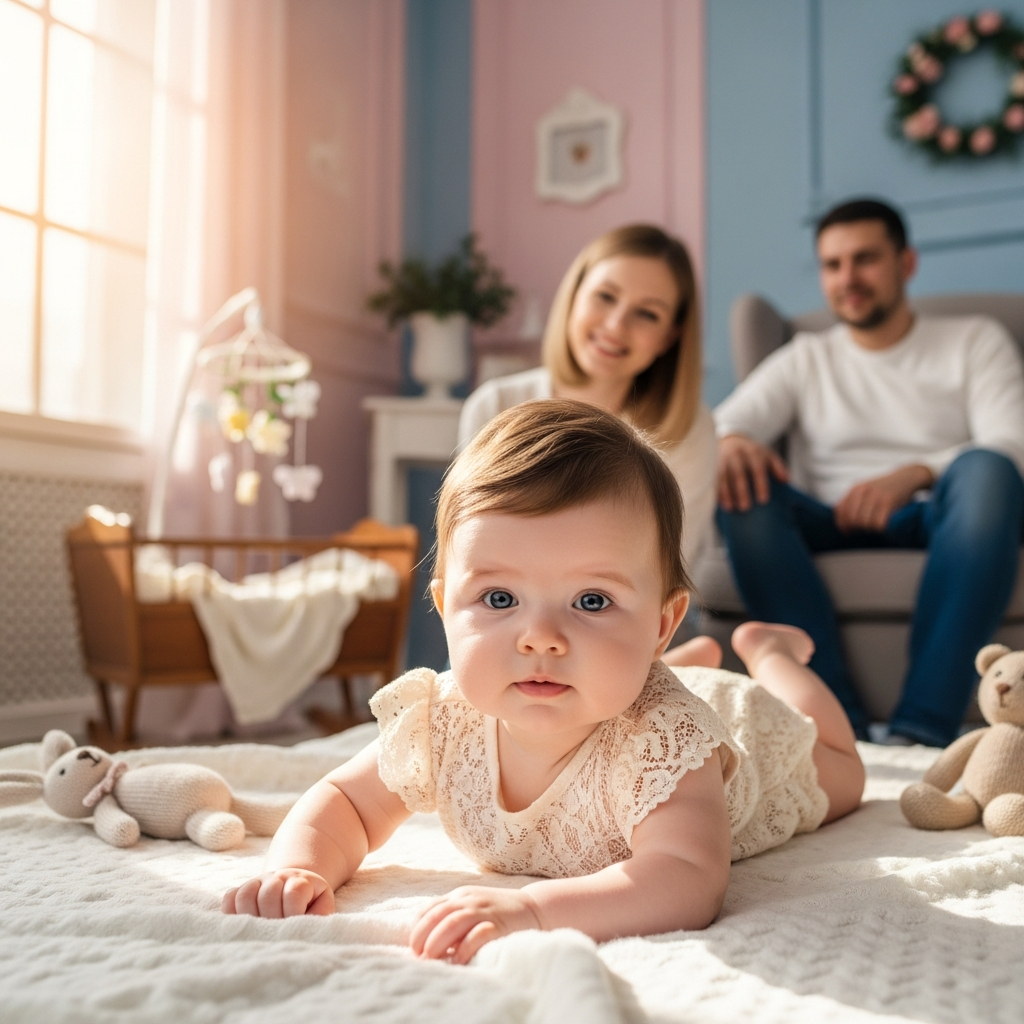
The most beloved German baby girl names combine timeless elegance with beautiful meanings. These names have earned their places through years of consistent popularity, representing what German parents value most: grace, wisdom, and strength.
Classic German Girl Names Dominating the Charts
According to recent statistics, Emilia holds the number one position for baby girls in Germany, followed by a collection of names that have remained favorites for years.
1. Emilia - This elegant name means "rival" or "eager" in Latin, derived from the Roman family name Aemilius. Emilia is spelled and pronounced the same in many languages, making it perfect for international families. Pronunciation: eh-MEE-lee-ah.
2. Sophia - Of Greek origin meaning "wisdom," Sophia has been popular across Europe for centuries. The German House of Hanover brought this name to Britain in the eighteenth century. Germans often use the spelling Sofie or Sophie.
3. Emma - A classic with Germanic roots meaning "whole" or "universal." Emma has royal connections through Emma of Normandy, wife of King Ethelred II. This name works identically in both German and English.
4. Hannah - With Hebrew origins meaning "grace" or "favor," Hannah (also spelled Hanna in Germany) bridges biblical heritage with modern appeal. Its lovely meaning makes it a timeless choice.
5. Mia - A short, sweet name that has captured hearts worldwide. Originally a Scandinavian pet form of Maria, Mia means "beloved" or "mine." Its simplicity ensures easy pronunciation across cultures.
Rising German Girl Names with Beautiful Meanings
The following names complete the top ten, showcasing the German preference for short, melodic names with strong meanings.
6. Lina - A diminutive of names ending in "-lina" (like Karolina), Lina means "tender" or "delicate." It has been steadily climbing the charts in recent years.
7. Ella - Meaning "fairy maiden" or "all," Ella has Old German roots and offers a gentle, feminine sound that appeals to modern parents.
8. Lia - This compact name, meaning "bearer of good news" or a variant of Leah ("weary"), has seen significant growth. Its brevity aligns with German naming trends.
9. Leni - A German diminutive of Helena or Magdalena, Leni means "light" or "torch." Despite historical associations, it has experienced a major resurgence among young families.
10. Mila - Of Slavic origin meaning "gracious" or "dear," Mila has become increasingly popular as international variants like Mila, Matteo, and Luca have become particularly popular in Germany.
Top 10 Most Popular Baby Boy Names in Germany with Meanings

German baby boy names blend strong meanings with international appeal. The current favorites reflect a fascinating mix of biblical names, Italian influences, and classic German heritage.
Leading German Boy Names for the Current Year
The top five boy names demonstrate how German parents embrace names from various cultures while maintaining preferences for strong, meaningful choices.
1. Noah - Of Hebrew origin meaning "rest" or "comfort," Noah has held the top position for several years. This biblical name resonates with parents seeking both tradition and contemporary appeal.
2. Matteo - The Italian version of Matthias, Matteo means "God's gift" or "gift of Yahweh." This name reflects Germany's appreciation for Mediterranean-inspired names.
3. Elias - Related to the prophet Elijah, Elias is Hebrew for "My God is Yahweh." It has been popular since 1999 and has not left the Top Ten since 2006.
4. Luca - Meaning "the luminous one" or "the shining one," Luca is borrowed from Italian neighbors. Because it stems from the biblical Lucas, this name has cousins in almost every European language.
5. Leon - From Latin meaning "lion," Leon represents strength and courage. It remains a perennial favorite among German parents seeking powerful yet accessible names.
Strong German Boy Names Gaining Momentum
The second half of the top ten features a mix of short, punchy names and classic revivals that parents are increasingly choosing.
6. Theo - A short form of Theodore meaning "divine gift," Theo has surged in popularity. Its brevity and warm sound make it especially beloved in North Rhine-Westphalia, where it performs above the national average.
7. Finn - Of Irish origin meaning "fair" or "white," Finn has been embraced by German families. It offers a fresh, energetic feel while remaining easy to pronounce.
8. Paul - This Latin name meaning "small" or "humble" has enduring appeal. Paul represents the German preference for classic names that never go out of style.
9. Emil - A Germanic name meaning "rival" or "eager," Emil has experienced a renaissance. It shares roots with the girl's name Emilia, creating a nice sibling name option.
10. Henry - The English form of Heinrich, meaning "ruler of the home." Henry has gained traction as German parents embrace internationally recognized versions of traditional names.
Traditional German Names Making a Comeback
A fascinating trend in German naming is the revival of traditional names that skipped a generation or two. These vintage German names carry historical weight and cultural significance that appeals to parents seeking distinctive yet rooted choices.
Vintage German Girl Names Returning to Popularity
Names once found in grandmothers' photo albums are now appearing on nursery doors. This nostalgia trend reflects a desire for names with depth and heritage.
Frieda - Meaning "peaceful ruler," Frieda combines vintage charm with a powerful meaning. According to regional statistics, Frieda is particularly popular in East Germany alongside Mathilda and Greta.
Greta - This German diminutive of Margaret means "pearl." Greta has gained international recognition thanks to actress and director Greta Gerwig, proving old German names can feel thoroughly modern.
Liesel - A diminutive of Elisabeth meaning "God's promise," Liesel has literary ties to the beloved character in "The Book Thief." It offers a softer alternative to the classic Elizabeth.
Erika - Newly entered into the top 500 names in Germany, Erika combines the heather flower meaning with strong Germanic roots. It represents the broader vintage revival.
Mathilda - Meaning "mighty in battle," Mathilda has been climbing the popularity list after decades of dormancy. Its strong meaning paired with feminine endings creates perfect balance.
Classic German Boy Names Parents Are Rediscovering
Traditional German boy names often carry royal and historical connections that resonate with modern parents seeking gravitas.
Friedrich - Combining the words "Friede" (peace) and "reich" (ruler), Friedrich symbolizes a peaceful ruler. This name has been popular since the Middle Ages and graced many German kings.
Wilhelm - Composed of the elements "wil" (will or desire) and "helm" (helmet or protection), Wilhelm means "resolute protector." It was especially common during the 18th and 19th centuries.
Moritz - The German form of Maurice, meaning "dark-skinned" or "Moorish," Moritz offers a distinctive alternative to more common names. It has literary connections to German children's stories.
Otto - An old German name meaning "wealth" or "prosperity." This name was especially popular among kings and emperors, including four German kings and the first Holy Roman Emperor, making it a strong, timeless choice.
Karl - An Old German name meaning "the free" or "the man," Karl has deep roots in German history. Charles is its French cognate, showing the name's pan-European appeal.
German Naming Laws: What Parents Need to Know
Germany stands out internationally for its structured approach to baby naming. Understanding these regulations helps parents navigate the process smoothly and avoid potential complications.
How the Standesamt Approves Baby Names
Unlike countries with complete naming freedom, Germany requires approval from the local Standesamt (civil registry office). According to German law, all names must be approved by the local registration office.
The Standesamt consults a database of first names and may contact foreign embassies for international names. The Gesellschaft fur deutsche Sprache (Society for the German Language) provides guidance on borderline cases.
Key approval criteria include:
- The name cannot negatively affect the child's well-being
- It cannot be a product name or brand
- It cannot be a surname used as a first name (with exceptions)
- A 2008 court ruling relaxed the previous requirement that names clearly indicate gender
If your chosen name is rejected, you can appeal the decision. Parents can engage in dialogue with the Standesamt, seek an official opinion from the Name Commission, or challenge the decision in court. A fee is charged for each submission.
Names That Have Been Rejected in Germany
The examples of rejected names reveal the boundaries of German naming law. These rejections protect children from potentially harmful or embarrassing names.
Brand and Product Names: Names like "Borussia" (a soccer club), "Lamborghini," "Corvette," "Microsoft," "Google" have been routinely rejected. "McDonald" was similarly declined.
Offensive or Harmful Names: "Lucifer," "Satan," "Adolf Hitler," and "Osama Bin Laden" are prohibited. These names could subject children to ridicule or negative associations.
Surnames as First Names: Names like "Schmitz" or "Schroder" are typically rejected as first names. However, titles such as "King," "Count," or "Prince" are also generally prohibited.
Gender-Ambiguous Names (historical): "Matti" was once rejected for not indicating gender clearly. However, some gender-neutral names like "Sascha" and "Kim" have exceptions.
Excessively Long Names: In 1998, a Dusseldorf court rejected a 12-word name, ruling that honoring multiculturalism should not result in awkwardly long names for children.
Interestingly, some creative names have been approved. "Legolas" and "Nemo" were permitted for baby boys, showing that the system allows uniqueness within reasonable bounds.
Regional Differences in German Baby Names
Germany's federal structure extends to naming preferences, with distinct patterns emerging across regions. These variations reflect cultural, religious, and demographic differences that make German naming fascinatingly diverse.
Popular Baby Names in Bavaria and Southern Germany
Southern Germany, particularly Bavaria, tends toward traditional and religiously influenced names. Traditional and religiously influenced names are particularly popular in Bavaria.
Maximilian remains a perennial favorite in Bavaria, where it has topped regional charts for years. Names like Sophia and traditional Catholic saints' names appear more frequently than the national average.
Notably, names like "Mohammed" rank much lower in Bavaria (around 34th) compared to northern cities, reflecting the region's more traditional naming culture.
Trending Names in Berlin and Northern Germany
Berlin presents a stark contrast with its cosmopolitan naming trends. The city boasts a colorful mix of international and traditional names, reflecting its diverse population.
According to recent data, Mohammed has been the most popular boys' name in Berlin for five of the past six years, though it does not appear in the national top 10.
For girls in Berlin, Sophia tops the list, followed by Emilia, with Charlotte and Mila sharing third place. Names like Mathilde and Klara also show strong performance in the capital.
In North Rhine-Westphalia, short classic names dominate, with Theo performing significantly above the national average. The western regions favor names like Lotta, Jule, and Mara.
German Names That Work Internationally
For parents seeking names that honor German heritage while remaining accessible globally, certain choices bridge cultures beautifully. These names require minimal pronunciation adjustment and carry recognition across borders.
German Baby Names Easy to Pronounce in English
Many popular German names translate seamlessly into English-speaking environments. These choices allow children to move between cultures without constant name explanations.
Perfect crossover names include:
- Emma - Identical pronunciation in German and English
- Leon - Universally recognized and easy to say
- Anna - Classic in both languages
- Max - Short, strong, and internationally beloved
- Paul - Works perfectly across cultures
- Maria - Universal recognition worldwide
- Nina - Simple and elegant in any language
- Felix - Cheerful meaning ("happy" or "lucky") travels well
Names to consider carefully:
Some German names pose pronunciation challenges for English speakers. Names with umlauts (a, o, u), the "ch" sound, or "tz" combinations may require repeated explanations. Examples include Jorg, Friedrich, and Katchen.
Perfect Names for German-American Families
For families with German-American heritage, selecting a name that honors both cultures creates meaningful connections across generations.
Girls' names that bridge both cultures:
- Clara/Klara - Elegant in both spellings
- Greta - Vintage charm with modern appeal
- Louisa/Luisa - Classic and timeless
- Mia - Top performer in both countries
- Hannah - Equally popular across the Atlantic
Boys' names that honor German heritage internationally:
- Henry/Heinrich - Use either version depending on context
- Carl/Karl - Historic and distinguished
- Alexander - Works in every European language
- Sebastian - Sophisticated in both cultures
- Maximilian/Max - Formal option with friendly nickname
Consider nickname potential when choosing names for bilingual families. A formal German name can have an English-friendly nickname for everyday use.
Rising German Baby Names to Watch
Beyond the established favorites, several names show momentum that could reshape German naming charts. These rising stars offer parents the chance to choose distinctive names before they become mainstream.
Trending German Girl Names Predicted to Rise
According to current trend analysis, rising girl names include Alea, Amelie, Ayla, Aurelia, Dua, Elli, Hailey, Inaya, Luna, and Malia.
Luna - This moon-inspired name continues to shine as part of the broader nature-naming trend. It has gained significant traction and may crack the top 10 soon.
Aurelia - Meaning "golden," this elegant name offers sophistication with ancient Roman roots. It provides an alternative to the popular Emilia.
Amalia - A variant of Amelia with a distinctly European feel, Amalia is gaining ground among parents seeking something slightly different from top performers.
Newly entered top 500: Elodie, Liora, Rania, Gerda, Estelle, and Nami represent fresh additions that could climb higher.
German Boy Names Gaining Popularity
The boys' rising names show similar patterns of international influence combined with traditional revivals.
Emilio - The Italian variant of Emil, Emilio is gaining fans and might crack the Top 10 soon according to trend watchers.
Valentin - Listed among rising names, Valentin offers romance and strength. It provides a distinctive alternative to more common choices.
Levin - A unique name gaining attention, Levin combines the popular "Le-" beginning with fresh appeal.
Milan - This name with Slavic origins meaning "gracious" has international cachet while remaining underused.
Linus - Named after the mythological figure and famous "Peanuts" character, Linus offers quirky charm with classical roots.
New to top 500: Marek, Quinn, and Tamino represent emerging choices that parents seeking unique options should consider.
Frequently Asked Questions About German Baby Names
Parents researching German baby names often have specific questions. Here are expert answers to the most common queries.
What is the number 1 baby name in Germany?
What are common German baby names?
What German names are illegal?
Germany prohibits names that could negatively affect the child, including product names (like Lamborghini or Google), surnames used as first names, offensive names (Satan, Lucifer), and historically harmful names (Adolf Hitler). Names must be approved by the local Standesamt.
Do Germans have middle names?
Yes, Germans can have multiple first names (Vornamen). Many Germans have two or three given names, with one designated as the "Rufname" (calling name) used in daily life. This tradition allows parents to honor multiple family members or combine traditional and modern names.
What is a strong German boy name?
What German girl name means beautiful?
Are German names hard to pronounce?
Some German names can be challenging for English speakers due to sounds like "ch" and "tz" or umlauts. However, many popular German names like Emma, Leon, Anna, and Max are easy to pronounce internationally. Parents concerned about pronunciation can choose crossover names that work in both languages.
Choosing the Perfect German Name for Your Baby
Selecting a name for your child is one of the most meaningful decisions you will make as a parent. German names offer a wonderful blend of historical depth, beautiful meanings, and modern appeal that can serve your child well throughout life.
When making your final choice, consider how the name sounds with your surname, potential nicknames, and how easily it will be understood in the communities where your child will grow up. Whether you choose a classic like Emma or Noah, a vintage revival like Friedrich or Frieda, or a rising star like Luna or Emilio, German names provide options for every preference.
At PatPat, we celebrate every family's unique journey, including the exciting process of naming your little one. We hope this guide has helped you discover the perfect German baby name that will bring joy to your family for generations to come.
Found the perfect German name for your little one? Save this guide for later or share it with other expecting parents. For more baby name inspiration and adorable baby clothing to match your little one's personality, explore our collection at PatPat.




