


What if the name you choose for your daughter could carry centuries of meaning, faith, and divine promise? Hebrew girl names meaning blessing have captivated parents across cultures for thousands of years, offering more than just beautiful sounds—they connect your child to a rich spiritual heritage that transcends time and tradition.
Whether you are drawn to the timeless elegance of matriarch names like Sarah, Hannah, Rachel, and Leah, or you seek a name that directly conveys grace and divine favor, Hebrew biblical names offer profound significance that few other naming traditions can match. These names carry stories of courage, devotion, answered prayers, and unwavering faith—qualities many parents hope to inspire in their daughters.
In this comprehensive guide, we explore over 100 Hebrew blessing names for girls, from the beloved matriarchs of the Torah to rare gems waiting to be rediscovered. At PatPat, we understand that choosing a name is one of the most meaningful decisions you will make as a parent. Still exploring options? Try our Baby Name Generator to discover more meaningful names that match your preferences.
The Biblical Matriarchs: Sarah, Rebecca, Rachel, and Leah
The four matriarchs, known in Hebrew as the Imahot, represent the foundation of Hebrew naming traditions. These remarkable women—wives of Abraham, Isaac, and Jacob—are considered the spiritual mothers of the Jewish people, and their names have endured as beloved choices for thousands of years. Biblical names carry deep etymological roots and cultural significance, making them timeless choices for modern families.
Sarah - The Original Princess Name
Sarah stands as perhaps the most enduring biblical name in history. The Hebrew name Sarah (שָׂרָה) means "lady, princess, noblewoman," deriving from the masculine word "sar" meaning chief or ruler.
Originally named Sarai, her name was changed by God as recorded in Genesis 17:15—a transformation from "my princess" to simply "princess," signifying her role as mother of many nations. This divine name change adds profound spiritual weight to the name. Pronounced SAH-rah, popular variations include Sara, Sarai, and Sarita. Between 1987 and 2002, Sarah ranked as a top 10 choice for baby girls in the United States, demonstrating its enduring cross-cultural appeal among Jewish, Christian, and secular families alike.
Rebecca (Rivka) - Captivating Beauty
Rebecca, or Rivka in Hebrew, carries the meaning "to bind" or "captivating." The biblical Rebecca was chosen as Isaac's wife after demonstrating extraordinary kindness at a well, offering water not only to Abraham's servant but also to his camels—an act that revealed her generous character.
Pronounced reh-BEK-ah in English or RIV-kah in Hebrew, this name offers wonderful variations including Rebekah, Rivka, Becca, and Becky. The name beautifully combines elegance with approachability.
Rachel - Symbol of Purity and Devotion
The Hebrew noun rachel (רָחֵל) means "ewe" or female sheep, symbolizing gentleness, purity, and nurturing qualities highly valued in ancient Near Eastern cultures.
Rachel was Jacob's beloved wife, the woman for whom he worked fourteen years. Her story represents devoted love and patience. The image of Rachel weeping for her children, as described by the prophet Jeremiah, has made her name synonymous with maternal love and protection. Variations include Rachael, Raquel, and Rahel.
Leah - Strength Through Perseverance
Leah's name carries multiple interpretations. The name has roots in Hebrew, derived from "la'ah," meaning "weary" or "tender." Alternative etymologies suggest connections to "lioness" or "ruler."
Though often overshadowed by her sister Rachel in the biblical narrative, Leah became the mother of six of Israel's twelve tribes, including the priestly tribe of Levi and the royal tribe of Judah. Her story represents resilience, faith, and maternal strength. Modern variations include Lea, Lia, and Leia.
| Name | Hebrew Meaning | Biblical Role | Modern Variations |
|---|---|---|---|
| Sarah | Princess, noblewoman | Wife of Abraham, mother of Isaac | Sara, Sarai, Sarita |
| Rebecca | To bind, captivating | Wife of Isaac, known for kindness | Rebekah, Rivka, Becca |
| Rachel | Ewe (purity, gentleness) | Jacob's beloved wife | Rachael, Raquel, Rahel |
| Leah | Weary or tender | Mother of six tribes of Israel | Lea, Lia, Leia |
Hebrew Names That Mean Blessing and Blessed
For parents seeking a name that directly embodies blessing and divine favor, Hebrew offers several beautiful options that carry this powerful meaning at their core.
Bracha - The Direct Translation of Blessing
Bracha (בְּרָכָה) is the Hebrew word that directly translates to "blessing." It comes from the Hebrew root B-R-K, the same root used in the word "baruch" (blessed) found throughout Jewish prayers and liturgy. Pronounced BRAH-khah, this name carries profound spiritual significance.
In Jewish communities, naming a child Bracha expresses gratitude for the blessing of new life while also bestowing a wish that the child will be a blessing to others. The name works beautifully in both traditional and modern contexts.
Additional Names Meaning Blessed
| Name | Hebrew Origin | Meaning | Popularity Level |
|---|---|---|---|
| Beracha | Hebrew | Benediction, blessing | Traditional |
| Ashira | Hebrew | Wealthy, blessed, fortunate | Rising |
| Zelda | Yiddish | Blessed, happy | Vintage revival |
| Baruka | Hebrew root | Blessed one | Rare |
| Oshra | Hebrew | Happiness, blessing | Modern Israeli |
Each of these blessing names carries its own unique appeal. Zelda, for instance, has experienced a remarkable vintage revival, appealing to parents who appreciate its old-world charm combined with modern sensibilities. Oshra represents a contemporary Israeli option that feels fresh while maintaining deep Hebrew roots.
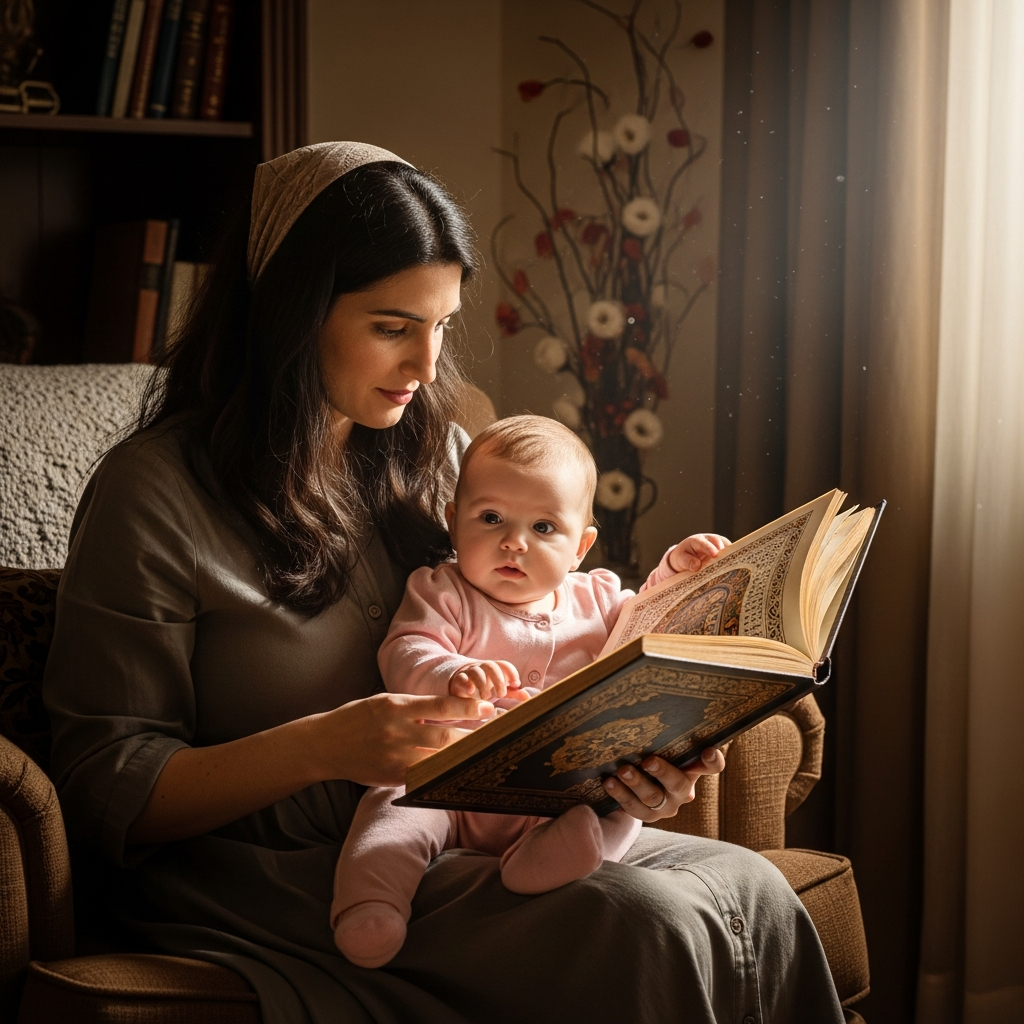
Hebrew Names Meaning Grace and Divine Favor
Grace-related names represent one of the most beloved categories in Hebrew naming traditions, with Hannah standing as the cornerstone of this meaningful group.
Hannah (Chana) - The Timeless Grace Name
Hannah comes from the Hebrew name Chana (חַנָּה) meaning "favour, grace," derived from the root chanan meaning "to be gracious."
The biblical Hannah was the devoted mother of the prophet Samuel. Her story of fervent prayer while childless, followed by her grateful dedication of her son to God's service, makes her name synonymous with faith, persistence, and answered prayers. The Hebrew pronunciation is KHAH-nah, while the English version is HAN-ah.
Hannah's enduring popularity stems from its beautiful sound, manageable length, and profound meaning. It works equally well for Jewish, Christian, and secular families, making it a truly universal choice among Hebrew names meaning grace.
Grace Name Variations and Derivatives
| Name | Origin | Meaning | Notes |
|---|---|---|---|
| Chana | Hebrew | Grace, favor | Traditional Hebrew spelling |
| Anna | Hebrew derivative | Grace | Simplified, international form |
| Anya | Hebrew/Russian | Grace | Popular international variant |
| Joanna | Hebrew origin | God is gracious | Combines grace with divine element |
| Nina | Hebrew related | Grace | Short and modern |
Choosing Between Grace Name Variations
When selecting among grace name variations, consider your family's cultural background, pronunciation preferences, and how the name will sound with your surname. Chana honors the original Hebrew form and works well in Jewish communities. Anna offers international recognition and simplicity. If you wish to honor a relative named Hannah or Anna, you might choose one of the more distinctive variations like Anya or Joanna to create connection while maintaining uniqueness.
Biblical Names with "El" Meaning God
Theophoric names—those containing divine elements—hold special significance in Hebrew tradition. Names incorporating "El," the Hebrew word for God, express spiritual connection and divine qualities.
Understanding the "El" Element in Hebrew Names
The element "El" (אֵל) appears in both prefixes and suffixes of Hebrew names. When placed at the beginning of a name, it typically emphasizes God's action or attribute. When appearing at the end, it often indicates belonging to or protected by God. Choosing a name with "El" connects your daughter to the divine in a meaningful, lasting way.
Popular "El" Names for Girls
| Name | Meaning | Spiritual Significance |
|---|---|---|
| Eliana | My God has answered | Prayer and gratitude |
| Eliora | God is my light | Divine guidance |
| Gabriella | God is my strength | Courage and faith |
| Ariel | Lion of God | Strength and Jerusalem |
| Elisheva (Elizabeth) | God is my oath | Covenant and promise |
| Avigail (Abigail) | Father's joy | Divine celebration |
| Daniela | God is my judge | Justice and wisdom |
Eliana is derived from Hebrew, literally translated as "My God has answered". This name has become especially popular among families celebrating fertility journeys or long-awaited children, as it beautifully expresses gratitude for answered prayers.
Popular Hebrew Girl Names for 2026
Understanding current naming trends helps parents find that perfect balance between timeless meaning and contemporary appeal.
Rising Hebrew Names in 2026
Data from Israel's Population and Immigration Authority shows Avigail was the most popular Jewish girls' name with 1,137 babies given this name in 2024. Other trending names include:
- Tamar - "Date palm," connecting to nature and resilience
- Maya - "Water" in Hebrew, also meaning "illusion" in Sanskrit
- Shira - "Song" or "poetry," perfect for musical families
- Talia - "Dew from God," a beautiful nature-divine combination
- Noa - "Motion," historically one of Israel's most popular names
Classic Biblical Names Experiencing Revival
- Miriam - "Wished-for child" or "rebellion," Moses' sister
- Ruth - "Friend" or "companion," symbol of loyalty
- Esther - "Star," heroine of the Purim story
- Naomi - "Pleasantness," Ruth's mother-in-law
- Deborah - "Bee," symbolizing industriousness and leadership
These names offer the advantage of deep biblical roots while still feeling fresh and relevant for modern children.

Unique and Rare Hebrew Girl Names
For parents seeking distinctive options beyond common choices, Hebrew tradition offers many beautiful names waiting to be rediscovered.
Lesser-Known Biblical Names Worth Considering
- Keturah (keh-TOO-rah) - "Incense," Abraham's second wife
- Jemima (jeh-MY-mah) - "Dove," Job's daughter
- Tirzah (TEER-zah) - "Delight" or "pleasing"
- Zipporah (tsee-POH-rah) - "Bird," Moses' wife
- Dinah (DEE-nah) - "Judged" or "vindicated"
Modern Israeli Names with Ancient Roots
- Liora - "Light for me," feminine and luminous
- Ayelet - "Deer" or "morning star"
- Shoshana - "Rose" or "lily"
- Ilana - "Oak tree," symbolizing strength
- Hadassah - "Myrtle tree," Esther's Hebrew name
Rare Virtue and Blessing Names
- Simcha (SIM-khah) - "Joy" or "happiness"
- Emunah (eh-moo-NAH) - "Faith"
- Tikvah (tik-VAH) - "Hope"
- Ahava (ah-hah-VAH) - "Love"
- Chaya (KHAH-yah) - "Life"
These rare Hebrew names carry beautiful meanings while offering the uniqueness many parents desire. Once you have chosen the perfect meaningful name, celebrate your little one with adorable baby clothes for their arrival.
Jewish Baby Naming Traditions and Ceremonies
Understanding the cultural context of Hebrew naming adds depth to your name choice and may inspire how you celebrate your daughter's arrival.
Simchat Bat and Brit Bat Ceremonies
Zeved habat ("Gift of the Daughter") or Simchat Bat ("Celebration of the Daughter") is the Jewish naming ceremony for newborn girls. These ceremonies typically occur within the first month of life and feature the recitation of biblical verses, blessings, and the formal announcement of the baby's Hebrew name.
Modern ceremonies often include wrapping the baby in a tallit (prayer shawl), lighting candles, drinking wine, and personalizing the celebration with readings that reflect the name's meaning. A festive meal typically follows, celebrating the mitzvah (commandment) of naming one's daughter.
Ashkenazi vs. Sephardic Naming Traditions
Jewish naming customs vary significantly between communities:
- Ashkenazi tradition: Names children after deceased relatives, keeping the memory alive and creating a spiritual bond between the baby and the honored ancestor.
- Sephardic tradition: Names children after living relatives, honoring grandparents and elders while they can witness the continuation of their names.
Modern families often adapt these traditions, perhaps using a deceased relative's Hebrew name while choosing an English name that honors a living family member, or vice versa.
Hebrew Names in Interfaith and Non-Jewish Families
Hebrew names have transcended religious boundaries for centuries. Many biblical names like Sarah, Rachel, Hannah, and Rebecca have been used by Christian families since the Protestant Reformation. These names carry universal meanings of grace, blessing, and virtue that resonate across faith traditions.
If you are a non-Jewish family drawn to Hebrew names, approach your choice with respect for the cultural significance while celebrating the beautiful meaning. Many Hebrew names work seamlessly in multicultural contexts, honoring tradition while fitting comfortably in diverse communities.
How to Choose the Perfect Hebrew Blessing Name
Selecting your daughter's name is both exciting and meaningful. Here are practical considerations to guide your decision.
Factors to Consider When Selecting a Hebrew Name
- Meaning alignment: Does the name's significance reflect your hopes for your child?
- Sound and flow: How does it pair with your surname?
- Pronunciation: Will people in your community pronounce it easily?
- Nickname potential: Are you comfortable with natural shortenings?
- Family honor: Does it connect to relatives you wish to remember?
Combining Hebrew Names with Middle Names
Creating meaningful name combinations allows you to honor multiple traditions or family members. Consider these beautiful pairings:
- Sarah Elizabeth - Two princess names from Hebrew and Greek
- Hannah Grace - Doubling down on the grace meaning
- Rachel Marie - Classic biblical meets timeless elegance
- Leah Rose - Nature imagery with biblical strength
- Eliana Joy - Answered prayer followed by celebration
Testing Your Name Choice
- Say the full name aloud, including middle and last names
- Write out the initials to check for unintended acronyms
- Share the name with trusted family members for feedback
- Imagine the name at different life stages—childhood, graduation, career
- Practice introducing your daughter with the name
At PatPat, we believe every child deserves a name that inspires and empowers. Hebrew blessing names offer that beautiful combination of timeless tradition and meaningful purpose.
Frequently Asked Questions
What Hebrew name means blessing for a girl?
Bracha is the Hebrew name that directly translates to "blessing." It comes from the Hebrew root B-R-K, meaning to bless or kneel. Other names with blessing-related meanings include Beracha (benediction), Ashira (blessed, fortunate), and Oshra (happiness, blessing).
What does Hannah mean in Hebrew?
Who are the four matriarchs and what do their names mean?
The four matriarchs (Imahot) are Sarah (princess), Rebecca/Rivka (captivating), Rachel (ewe/purity), and Leah (weary or tender). These biblical women are the wives of Abraham, Isaac, and Jacob, considered the spiritual mothers of the Jewish people. Their names have remained popular for thousands of years.
Can non-Jewish parents use Hebrew names for their baby?
Yes, non-Jewish parents can respectfully use Hebrew names. Many biblical names like Sarah, Rachel, Hannah, and Rebecca have been used across Christian and secular families for centuries. These names carry universal meanings of grace, blessing, and virtue that transcend religious boundaries while honoring a rich spiritual heritage.
What is the most popular Hebrew girl name?
What Hebrew girl names mean grace?
The primary Hebrew name meaning grace is Hannah (Chana). Related names include Anna (simplified form), Anya (international variant), and Joanna (meaning "God is gracious"). These names all derive from the Hebrew root for grace and favor, making them meaningful choices for families seeking this beautiful quality.
What does Eliana mean in Hebrew?
Eliana means "my God has answered" in Hebrew. It combines "El" (God) with "ana" (answered). This theophoric name expresses gratitude for answered prayers and is particularly popular among families celebrating fertility journeys or long-awaited children.
What is a unique Hebrew girl name that is not too common?
Final Thoughts on Hebrew Blessing Names
Choosing a Hebrew girl name meaning blessing connects your daughter to thousands of years of spiritual heritage while giving her a name rich with meaning and purpose. Whether you select a beloved matriarch name like Sarah or Rachel, a grace-filled name like Hannah, or a rare gem like Tirzah or Emunah, you are bestowing a gift that will accompany her throughout life.
These biblical baby names carry stories of faith, courage, and divine favor. They have been spoken in prayers, celebrated in ceremonies, and passed down through countless generations. By choosing a Hebrew blessing name, you join this beautiful tradition while creating new meaning for your family.
At PatPat, we celebrate every milestone of your parenting journey, from choosing the perfect name to dressing your little one in comfortable, stylish clothing. May the name you choose bring blessing, grace, and joy to your daughter and your entire family.
Family Inspiration
From family moments to seasonal styles and special offers,
we'll send a little PatPat inspiration your way.
*Stay updated on new arrivals, seasonal collections, and exclusive deals. By signing up, you agree to our Privacy Policy




