


The Hidden Loneliness of Pregnancy Nobody Talks About
There is something nobody prepares you for about pregnancy: the loneliness. Not the practical kind where you lack people around you, but the deep, existential kind that settles in your chest even when your partner is holding your hand and your friends are texting congratulations. If you are feeling lonely during pregnancy despite having support, know this: you are not broken, ungrateful, or alone in this feeling.
According to a scoping review published in Systematic Reviews, 32% of new parents report always or often feeling lonely, and 82% feel lonely at least some of the time. Meanwhile, UCL researchers have found that depression affects one in six pregnant women, with loneliness playing a central role in perinatal mental health struggles.
The strange ache of being surrounded by love yet feeling utterly unseen is one of motherhood's most confusing contradictions. But here is what we want you to understand before reading another word: this feeling has a name, it has causes, and most importantly, it has solutions. At PatPat, we believe in supporting mothers through every stage of their journey, which means talking honestly about the hard parts too.
In this guide, you will discover why pregnancy loneliness happens even when you have a loving partner and supportive family, how it manifests differently in each trimester, and practical strategies that actually help. We will also discuss when loneliness might signal something more serious and where to find professional support.

Why Do I Feel So Alone During Pregnancy Even With Support?
If you have wondered why you feel so alone during pregnancy when people clearly care about you, you are asking one of the most important questions of this journey. The answer lies in a combination of biology, psychology, and the fundamental nature of carrying new life.
The Hormonal Shifts That Rewire Your Emotional World
Your brain is not the same brain you had before pregnancy. According to research published in PMC, sex steroids pass the blood-brain barrier, with receptors abundant in brain areas that regulate emotions, cognition, and behavior. Progesterone levels increase by almost 200-fold during pregnancy, fundamentally altering how your brain processes emotional information.
These hormonal changes directly influence neurotransmitters like serotonin and dopamine, which regulate your mood. When estrogen fluctuates rapidly, it can cause sudden emotional shifts. Progesterone, sometimes called the "calming hormone," can paradoxically increase anxiety in some women. This is not weakness or ingratitude. This is your brain undergoing one of its most significant transformations.
The Unique Experience That Nobody Else Can Fully Share
Here is a difficult truth: pregnancy is a fundamentally solo physiological journey. Even the most devoted partner can empathize, but they cannot inhabit your experience. They cannot feel the flutter of movement at 3 a.m., the strange discomfort of organs rearranging, or the weight of carrying another human being inside your body.
You can describe the waves, but only you are in the ocean. This disconnect between your inner experience and what others can perceive creates a form of isolation that has nothing to do with how much people love you. The loneliness exists because the experience is genuinely isolating by nature.
Identity Transformation and Matrescence
There is a word for what you are going through that you may never have heard: matrescence. Popularized by reproductive psychiatrist Dr. Alexandra Sacks, matrescence describes the dramatic identity shift of becoming a mother, a time of hormonal shifting, body morphing, and identity transition as stressful and transformative as adolescence.
You may be grieving your pre-pregnancy self while simultaneously looking forward to meeting your baby. You exist in a liminal space, caught between who you were and who you are becoming. This in-between state can feel profoundly lonely because it is hard to explain to anyone who has not experienced it.
The Gap Between Support Offered and Support Needed
People want to help. They offer advice, gifts, and excitement. But sometimes what you need is not advice about sleep schedules or someone buying you another onesie. What you need is to be seen as a whole person, not just as a vessel carrying a baby. The exhaustion of explaining what you need, of translating your complex emotional experience into requests others can understand, adds another layer to the isolation.
Pregnancy Loneliness by Trimester: Understanding Your Changing Emotions
The loneliness of pregnancy is not static. It shifts and transforms as your body and your baby develop. Understanding what each stage brings can help you feel less blindsided when difficult emotions arise.
First Trimester Loneliness: The Burden of Beautiful Secrets
The first trimester carries a particular kind of isolation because so many women keep their pregnancy secret during these early weeks. The 12-week rule, waiting until the risk of miscarriage decreases, creates a double burden: you are experiencing overwhelming symptoms while pretending everything is normal.
You might be fighting nausea at your desk, utterly exhausted by 2 p.m., and emotionally raw from hormonal surges, all while smiling through work meetings and social events as if nothing has changed. This secret-keeping can feel like living a double life. The fear of miscarriage adds another dimension, building emotional walls even with people you would normally confide in.
If you are in your first trimester and feeling utterly alone, know this: your experience is real, your symptoms are valid, and the isolation of this stage is temporary even when it feels endless.
Second Trimester Isolation: When the Excitement Fades
The second trimester is often called the "honeymoon phase" of pregnancy, and that expectation itself can deepen loneliness. Yes, nausea may ease and energy often returns. But the initial excitement from loved ones begins to normalize. Your pregnancy becomes routine to everyone except you.
Your bump becomes visible, drawing comments from strangers while meaningful conversations with friends may feel increasingly disconnected. You watch your pre-pregnancy social life continue without you, perhaps watching friends go out while you stay home. This stage brings a quiet loneliness, less acute than the first trimester but more persistent.
Third Trimester Loneliness: Waiting and Feeling Forgotten
The third trimester brings physical limitations that intensify isolation. Your body may not cooperate with the activities you once enjoyed. Meanwhile, the world continues at its regular pace while you feel increasingly stuck in a holding pattern.
The nesting instinct drives you inward, preparing your home and your mind for the baby's arrival. But nesting can quickly tip into feeling trapped. Everyone has offered their advice and attended your shower. Now they have returned to their lives while you wait, watching the calendar and wondering when labor will begin. You are standing at the edge of the biggest transformation of your life, and no one can cross that threshold with you.
When Your Partner Doesn't Understand Your Pregnancy Emotions
One of the most painful aspects of pregnancy loneliness is feeling disconnected from the person you expected to understand you most. If your husband does not understand your pregnancy emotions or your partner seems distant, you are experiencing one of the most common relationship challenges during this time.

The Invisible Barrier Between Experiencing and Witnessing
Your partner can support, encourage, and love you fiercely, but they cannot inhabit your experience. They witness your pregnancy from the outside while you live it from within. Physical changes are visible; the emotional transformation happening inside you is not. This fundamental asymmetry is not anyone's fault. Understanding this can help reduce resentment and open space for compassion.
Why Loving Partners Still Miss the Mark
Even partners who genuinely want to help often default to solution-focused responses when what you need is emotional presence. When you share that you feel overwhelmed, they might respond with suggestions rather than simply sitting with you in the feeling. Partners are also experiencing their own fear and overwhelm about becoming a parent, processing these emotions differently.
Communication Scripts for Bridging the Gap
Telling your partner you feel lonely during pregnancy does not have to start a fight:
- Use "I" statements: "I have been feeling lonely lately, even though I know you are here for me."
- Make specific requests: "It would help if we could spend 15 minutes each evening just talking about how I am feeling, not problem-solving, just listening."
- Separate feelings from blame: "This is not about anything you are doing wrong. I just need you to know what I am experiencing."
- Invite them in: "I want to share what this feels like from the inside so you can understand better."
Important note: If your partner is consistently dismissive, controlling, or emotionally unavailable regardless of your attempts to communicate, this may indicate a more serious relationship dynamic that requires professional support.
How to Feel Less Alone During Pregnancy: Strategies That Actually Work
Understanding why you feel isolated is the first step. Now let us explore what actually helps, not platitudes, but real strategies that can make a difference.

Finding Your Pregnancy Community
Connection with other pregnant women who truly understand your experience can be transformative:
- Peanut App: Connects you with local pregnant women and mothers who share your interests and life stage.
- Reddit communities: Subreddits like r/pregnant and r/BabyBumps provide anonymous support from mothers worldwide.
- Local hospital prenatal groups: Many hospitals offer free or low-cost groups for expecting parents.
- Prenatal yoga: Combines physical wellness with community, helping you connect with women at your same stage.
- Virtual support: Postpartum Support International offers free online groups that require no travel.
Communicating Your Needs
Teaching people what you need is self-advocacy, not selfishness. Be specific: "Instead of advice, can you just listen and tell me my feelings make sense?" Set boundaries on unwanted advice: "I appreciate you wanting to help. Right now, what I need most is to vent without solutions." Focus your limited energy on connections that actually help.
Self-Care for Emotional Resilience
- Journaling: Writing can help process complex emotions without needing anyone else to understand.
- Gentle movement: Walking, prenatal yoga, or swimming can shift your emotional state while supporting your body.
- Mindfulness: Even five minutes of focused breathing can reduce the intensity of overwhelming feelings.
- Daily rituals: A morning cup of tea in silence, a walk at sunset, or time spent talking to your baby can create meaningful moments of connection.
- Limit social media: Consider unfollowing accounts that make you feel worse about your own experience.
Embracing Meaningful Solitude
There is a difference between alone time and loneliness. Some solitude during pregnancy can actually be meaningful when you can reframe it. Consider writing letters to your future child, documenting your journey through photos or voice recordings, or using quiet time for creative expression.
Preparing for Baby: Finding Comfort and Purpose in the Waiting
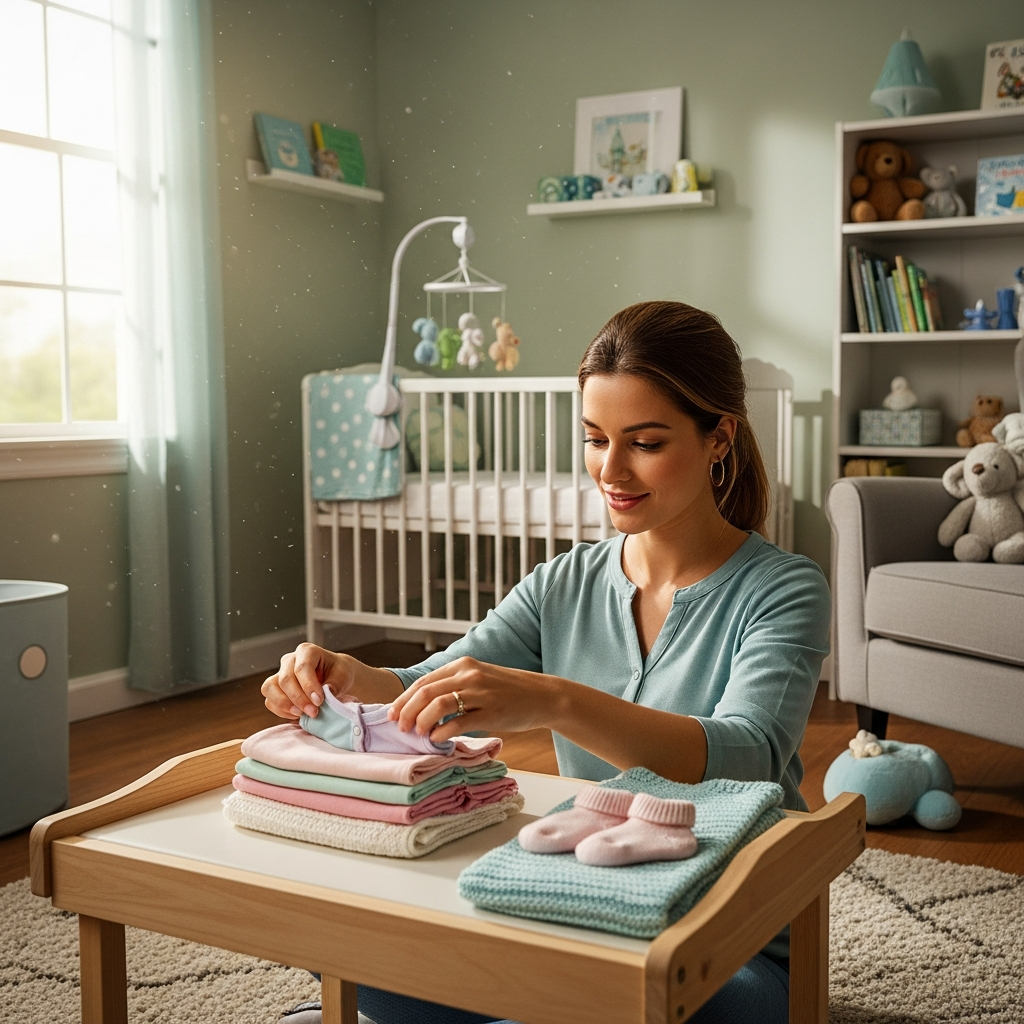
One of the gentler ways to cope with the waiting and the worry is to channel your energy into preparing for your baby's arrival. The nesting instinct is not just about organizing. It is a biological drive to connect with the future you are building.
Channeling the Nesting Instinct
Creating your baby's space can be a form of bonding before they arrive. Each decision, from the color of the walls to the blankets in the crib, represents your care for this little person you have not yet met. Consider involving others in preparation to build connection. Ask a friend to help sort through hand-me-downs or invite your partner to choose something special together.
Finding Comfort in Baby Essentials
There is something deeply comforting about holding soft newborn clothes and imagining your little one finally in your arms. This is not about retail therapy or distraction. It is about creating a physical connection to the future you are building.
Whether you are organizing a drawer of baby bodysuits, researching the softest bamboo baby clothes for sensitive newborn skin, or choosing cozy baby pajamas for those precious early nights, these small acts of preparation can remind you that this waiting has a purpose.
Building a thoughtful baby clothes collection slowly over the weeks gives you something tangible to look forward to. Folding and organizing can be surprisingly grounding, a reminder that this loneliness is temporary, but the love you are preparing for is permanent.
When Pregnancy Loneliness Needs Professional Support
There is an important distinction between the normal loneliness of pregnancy and symptoms that indicate something more serious requiring professional care.
Recognizing the Line Between Loneliness and Depression
Consider seeking professional support if you experience:
- Loneliness that does not lift even with genuine connection
- Persistent feelings of hopelessness or worthlessness
- Loss of interest in things that previously brought joy
- Difficulty bonding with or imagining your baby
- Changes in sleep or appetite significantly beyond typical pregnancy
- Overwhelming anxiety that interferes with daily functioning
- Any thoughts of harming yourself
Why Seeking Help Is Strength
According to CDC data reported by The Conversation, mental health conditions are the overall most frequent cause of pregnancy-related death, accounting for approximately 23% of such deaths. However, research shows that 100 percent of these deaths were determined to be preventable. Seeking help is not failure. It is protecting both yourself and your baby.
Professional Resources and Hotlines
| Resource | Contact |
|---|---|
| Postpartum Support International | 1-800-944-4773 |
| National Maternal Mental Health Hotline | 1-833-TLC-MAMA (1-833-852-6262) |
| Crisis Text Line | Text HOME to 741741 |
| 988 Suicide & Crisis Lifeline | Call or text 988 |
What to Tell Your Healthcare Provider
Bringing up mental health at prenatal appointments can feel intimidating. Try: "I have been experiencing feelings of loneliness and isolation that concern me. I wanted to mention it because I know mental health during pregnancy is important." Be honest. You deserve judgment-free care.
Frequently Asked Questions About Feeling Lonely During Pregnancy
Is it normal to feel lonely during pregnancy even with a supportive partner?
Yes, completely normal. Research shows approximately one-third of new parents report feeling lonely regardless of their support system. Pregnancy is fundamentally solo: your body, your hormones, your physical changes. Feeling lonely does not mean your partner is failing you. It means you are going through a profound transformation that only you can fully understand.
Can pregnancy hormones make you feel isolated and disconnected?
Absolutely. Dramatic shifts in progesterone, estrogen, and cortisol directly affect brain chemistry and emotional processing. These hormones influence serotonin and dopamine levels, which regulate mood. Hormonal changes can heighten sensitivity and create disconnection feelings even when circumstances have not changed.
Why do I feel so alone in my first trimester when I cannot tell anyone?
First trimester loneliness is particularly intense because many women keep their pregnancy secret until the 12-week mark due to miscarriage concerns. This creates a double burden: experiencing overwhelming symptoms while pretending everything is normal, isolating you from support precisely when you may need it most.
How can I tell my partner I feel lonely during pregnancy without causing a fight?
Use "I" statements and specific requests: "I have been feeling lonely lately. It would help if we could spend 15 minutes each evening just listening, not problem-solving." Choose a calm moment, avoid accusations, and emphasize that sharing this is about building connection, not criticism.
What are signs pregnancy loneliness is becoming prenatal depression?
Seek help if loneliness persists despite genuine connection attempts, or if you experience persistent hopelessness, loss of interest in enjoyable activities, difficulty bonding with your pregnancy, significant sleep or appetite changes, overwhelming anxiety, or any thoughts of self-harm. Prenatal depression is highly treatable.
Where can I find other pregnant women who understand what I am going through?
The Peanut App connects you with local pregnant women and mothers. Reddit communities like r/pregnant and r/BabyBumps provide anonymous support. Local hospital prenatal groups offer in-person connection. Prenatal yoga classes combine wellness with community. Postpartum Support International offers free virtual support groups.
Why do my friends seem to disappear now that I am pregnant?
Pregnancy often creates an invisible divide, especially with childless friends. Social activities that once connected you may no longer work. Some friends do not know what to say, so they pull back. This drifting is common but painful. Focus on nurturing friendships that adapt, and remain open to new connections with other expectant mothers.
Is pregnancy loneliness harmful to my baby?
Experiencing loneliness itself does not harm your baby. It is a signal you need more support. Taking steps to cope, connect, and seek help when needed is protective for both of you. Acknowledging your feelings is the first step toward addressing them, and that acknowledgment is itself an act of good mothering.
You Are Not Alone in Feeling Alone: Moving Forward With Hope
If you have read this far, you have already taken an important step. Seeking understanding is itself a form of self-care. Your feelings are real, they are valid, and they do not reflect on your love for your baby, your gratitude for your support system, or your worthiness as a mother.
Remember: pregnancy loneliness affects roughly one-third of expectant mothers. The hormonal shifts rewiring your brain, the identity transformation of matrescence, and the fundamentally solo nature of growing a human being inside your body all contribute to this experience. These are not character flaws. These are the realities of an extraordinary biological and psychological journey.
The loneliness of pregnancy is temporary, even when it feels endless. The connections you are building now, with your baby, with other mothers, with the deeper parts of yourself, are lasting. Every day brings you closer to holding the little person who is already more connected to you than anyone else has ever been.
If something in this article resonated with you, consider taking one small step today. Reach out to one person. Join one community. Schedule one appointment if you need professional support. You do not have to transform your experience overnight. Small steps matter.
At PatPat, we believe that supporting mothers means being honest about the hard parts of this journey, not just celebrating the beautiful ones. The love you are preparing for your baby is permanent, and so is our commitment to walking alongside you through every stage of motherhood.
You are not alone in feeling alone. Your feelings matter. And so do you.
Quick Reference: Support Resources
- Postpartum Support International: 1-800-944-4773
- National Maternal Mental Health Hotline: 1-833-TLC-MAMA
- Crisis Text Line: Text HOME to 741741
- 988 Suicide & Crisis Lifeline: Call or text 988





Social Isolation Factors That Make Pregnancy Lonelier
Beyond hormones and relationships, external circumstances can significantly amplify pregnancy isolation.
Working From Home and Remote Pregnancy
If you are pregnant and working from home, you are navigating a particular kind of isolation. The casual workplace connections that once provided social touchpoints have disappeared behind screens. There is no visible pregnancy recognition from colleagues who only see you from the shoulders up on video calls. The blurring of home and work boundaries during pregnancy makes it harder to decompress.
Shifting Friendship Dynamics
Pregnancy often creates an invisible divide in friendships, especially with friends who do not have children. They may struggle to relate to your new priorities and physical limitations. Social activities that once connected you, like late nights out or spontaneous plans, may no longer work. Some friends do not know what to say, so they say nothing. This drifting is common but painful.
Geographic and Circumstantial Isolation
Social Media's Double-Edged Sword
Scrolling through curated pregnancy content creates constant comparison. Glowing mothers with perfect nurseries and bump photos that look nothing like your reality can deepen feelings of inadequacy. Digital connection, while valuable, rarely satisfies the deeper need for presence and understanding.