


It is 2 AM, and you are standing over your baby's crib wondering if they are too hot, too cold, or just right. Sound familiar? Figuring out what to wear under a baby sleeper is one of those parenting puzzles that seems simple until you are staring at a drawer full of onesies at midnight.
Here is a startling fact: research shows that thermal stress can alter cardiovascular and respiratory functions in infants, making proper sleep clothing more than just a comfort issue. Yet most parents receive conflicting advice about layering, leaving you to guess whether that extra onesie is helpful or harmful.
This guide cuts through the confusion. Whether you are a new parent navigating your first winter with a newborn or preparing for warmer months ahead, you will learn exactly how to dress your baby for safe, comfortable sleep. At PatPat, we understand that helping your little one sleep well means helping the whole family rest easier.
By the end of this article, you will understand TOG ratings, recognize signs of overheating, and confidently choose the right layers for any room temperature or season.
Understanding Baby Sleepwear Basics: Sleepers, Sleep Sacks, and Layering Essentials
Before diving into specific layering recommendations, let us clarify the terminology. Understanding the difference between sleepwear types helps you make smarter decisions about what to wear under baby sleeper options.
Types of Baby Sleepwear
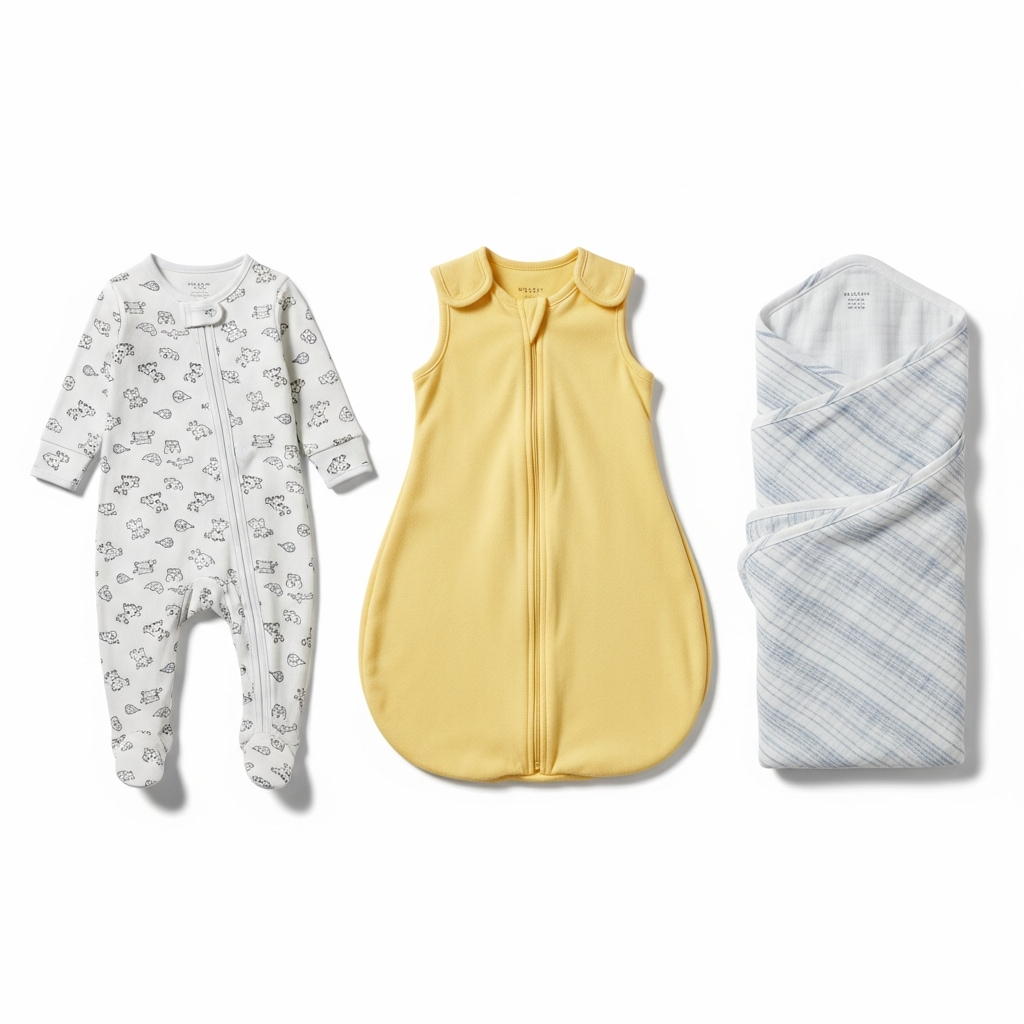
Sleepers (Footed Pajamas): One-piece garments that cover your baby from neck to toe. They typically feature snaps or zippers down the front or legs for easy diaper changes. Sleepers can be worn alone in moderate temperatures or with layers underneath in cooler rooms.
Sleep Sacks (Wearable Blankets): These resemble a sleeping bag with armholes. They zip over your baby's clothing and provide warmth without the suffocation risk of loose blankets. According to the American Academy of Pediatrics, wearable blankets are preferable to loose bedding for keeping infants warm while reducing entrapment risks.
Swaddles: Wraps designed for newborns that snugly contain the arms and body. The AAP recommends discontinuing swaddling once your baby shows signs of rolling, typically around 3 to 4 months.
The Base Layer: What Goes Underneath
The base layer refers to whatever your baby wears directly against their skin under a sleeper or sleep sack. Common options include:
- Short-sleeve onesies: Ideal for moderate to warm rooms
- Long-sleeve bodysuits: Better for cooler environments
- Lightweight cotton pajamas: Good under thinner sleep sacks
- Diaper only: Appropriate in warm conditions with appropriate sleep sack TOG
The key principle is simple: your baby's total warmth comes from all layers combined. A thick sleep sack with a thick sleeper underneath could overheat your baby, while a thin onesie under a lightweight sleep sack might leave them chilly.
TOG Rating Baby Sleep Guide: Matching Warmth to Room Temperature
TOG stands for Thermal Overall Grade, a standardized measurement of how much warmth a fabric provides. Understanding TOG ratings transforms the guesswork of baby sleep layering into a science.
Higher TOG numbers mean more warmth. A 0.5 TOG sleep sack is lightweight and breathable, while a 2.5 TOG provides significant insulation for cold rooms.
Complete TOG Rating Temperature Chart
| Room Temperature | TOG Rating | What to Wear Under Sleep Sack |
|---|---|---|
| 75-81°F (24-27°C) | 0.2-0.5 TOG | Diaper only or short-sleeve onesie |
| 72-75°F (22-24°C) | 0.5-1.0 TOG | Short-sleeve onesie |
| 68-72°F (20-22°C) | 1.0 TOG | Long-sleeve onesie or light pajamas |
| 64-68°F (18-20°C) | 1.5-2.0 TOG | Long-sleeve pajamas or footed sleeper |
| 61-64°F (16-18°C) | 2.5 TOG | Footed sleeper with long sleeves |
| Below 61°F (16°C) | 3.5 TOG | Footed sleeper plus additional layer |
Why TOG Matters More Than You Think
Research published in the National Institutes of Health reveals that high TOG values in clothing and bedding contribute to increased SIDS risk. This is not meant to frighten you but to emphasize why matching warmth to temperature matters.
The ideal approach involves investing in two or three sleep sacks with different TOG ratings to cover seasonal variations. Many parents find a 1.0 TOG for year-round use in climate-controlled homes and a 2.5 TOG for colder periods provides adequate coverage.
How to Dress Baby for Sleep at Every Room Temperature
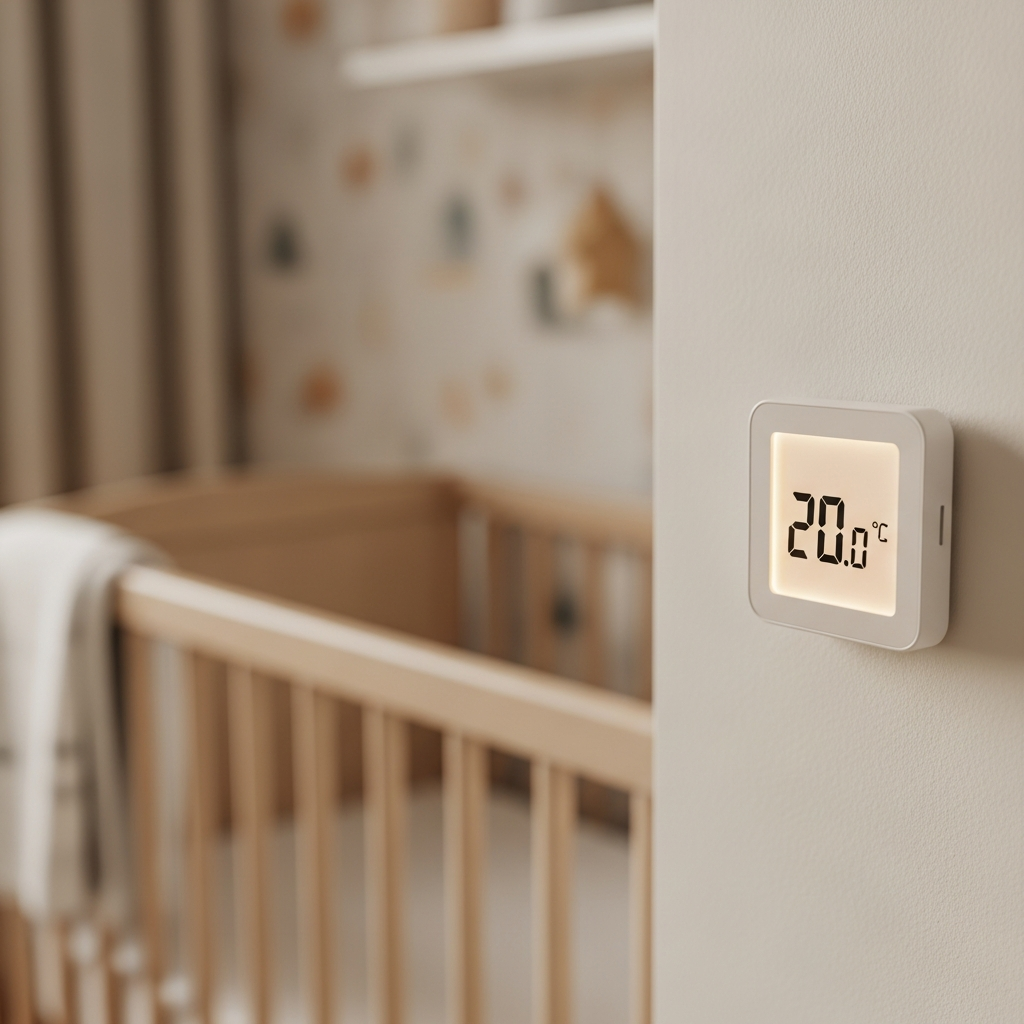
The recommended room temperature for sleeping babies is between 68 to 72 degrees Fahrenheit (20 to 22 degrees Celsius). However, real life does not always cooperate with ideal conditions.
Warm Rooms (Above 75°F/24°C)
In warmer environments, less is more. Consider these combinations:
- Diaper only under a 0.2 TOG sleep sack
- Short-sleeve onesie without a sleep sack
- Lightweight cotton sleeper alone
Skip the socks and hats indoors. The head accounts for up to 40 percent of heat production in infants, so keeping it uncovered helps prevent overheating.
Moderate Rooms (68-75°F/20-24°C)
This is the sweet spot recommended by pediatricians. For rooms in this range:
- Long-sleeve onesie under a 1.0 TOG sleep sack
- Short-sleeve onesie under a footed sleeper
- Two-piece cotton pajamas under a lightweight sleep sack
Cool Rooms (Below 68°F/20°C)
When temperatures drop, layer strategically:
- Footed sleeper under a 2.5 TOG sleep sack
- Long-sleeve onesie plus footed pajamas under a 1.5 TOG sleep sack
- Avoid stacking multiple thick layers, which can restrict movement and cause overheating from trapped body heat
A helpful rule from the AAP: dress your baby in no more than one layer more than you would wear to be comfortable in the same environment.
Seasonal Baby Sleep Clothing: A Complete Year-Round Guide
Seasons bring unique challenges for baby sleep layering. Here is how to adjust throughout the year while ensuring you know what to wear under baby sleeper garments in any weather.
Spring (Transitional Weather)
Spring temperatures fluctuate significantly. Keep both light and medium-weight options accessible:
- Cool spring nights: Long-sleeve onesie under a 1.5 TOG sleep sack
- Warmer evenings: Short-sleeve onesie under a 1.0 TOG sleep sack
- Pro tip: Check the temperature at bedtime and again when you go to sleep, adjusting layers if needed
Summer (Hot Weather)
Overheating risk peaks during summer months. Studies indicate that summer temperature increases are associated with elevated SIDS risk in certain regions.
- Air-conditioned rooms: Short-sleeve onesie under a 0.5-1.0 TOG sleep sack
- Non-air-conditioned rooms: Diaper only or single light layer
- Consider: Using a fan to circulate air (not pointed directly at baby)
Fall (Cooling Temperatures)
As nights grow cooler, gradually increase warmth:
- Early fall: Similar to spring layering with 1.0-1.5 TOG options
- Late fall: Transition to 2.0-2.5 TOG with appropriate base layers
- Watch for: Heating systems kicking on, which can make rooms warmer than expected
Winter (Cold Weather)
Winter requires the most warmth but also the most caution against overdressing:
- Heated rooms (68-72°F): Long-sleeve onesie under a 1.5-2.0 TOG sleep sack
- Cooler rooms (below 68°F): Footed sleeper under a 2.5 TOG sleep sack
- Never use: Loose blankets, regardless of temperature
Remember that heated indoor air can be very dry. This affects comfort but does not change layering recommendations. Focus on room temperature, not humidity, when selecting layers.
Age-Specific Layering: From Newborn to 12 Months
Your baby's thermoregulation abilities change dramatically during the first year. Understanding these developmental differences helps you layer appropriately at each stage.
Newborns (0-3 Months)
Newborns are particularly vulnerable to temperature fluctuations. According to Stanford Medicine Children's Health, babies can lose heat up to four times faster than adults.
Why newborns need extra attention:
- High body surface area to weight ratio
- Limited subcutaneous fat for insulation
- Underdeveloped shivering response
- Cannot adjust their own covers or clothing
Layering recommendations for newborns:
- Swaddle or swaddle transition sack for the first weeks
- One more layer than you would wear
- Check temperature frequently using the neck touch test
- Avoid hats indoors after leaving the hospital
Infants (4-8 Months)
By this age, babies develop better thermoregulation but still need support:
- Transition from swaddles to arms-out sleep sacks once rolling begins
- More active movement generates additional body heat
- May kick off lighter blankets (another reason sleep sacks are safer)
Typical combinations:
- Short-sleeve onesie under a 1.0 TOG sleep sack (moderate rooms)
- Long-sleeve footed sleeper under a 1.5-2.0 TOG sleep sack (cooler rooms)
Older Babies (9-12 Months)
As your baby approaches their first birthday, they regulate temperature more effectively:
- Greater mobility means more heat generation during sleep
- May need slightly lighter layers than younger infants in the same conditions
- Continue using sleep sacks until at least 12 months
The AAP recommends using sleep sacks until at least 12 months of age since loose blankets increase sleep-related injury risk.

AAP Safe Sleep Clothing Guidelines Every Parent Should Follow
The American Academy of Pediatrics provides clear guidance on safe sleep clothing. Following these recommendations significantly reduces sleep-related risks.
Essential AAP Recommendations
| Do | Do Not |
|---|---|
| Use wearable blankets instead of loose bedding | Use loose blankets before 12 months |
| Dress baby in one layer more than you wear | Overdress or use excessive bedding |
| Keep room temperature between 68-72°F | Let rooms get too hot or too cold |
| Stop swaddling when baby shows rolling signs | Continue swaddling after rolling begins |
| Place baby on back for every sleep | Use weighted sleepwear or blankets |
Why These Guidelines Matter
Each year, approximately 3,500 infants in the United States die from sleep-related causes, including SIDS. Environmental factors like overheating and unsafe bedding contribute to this risk.
Weighted Products: A Clear Warning
The AAP explicitly warns against weighted sleep products. Weighted swaddles, sleep sacks, and blankets are marketed as calming aids but pose safety risks. The added weight can:
- Restrict breathing
- Impair a baby's ability to move if they roll
- Contribute to overheating
Stick with standard, unweighted sleepwear regardless of marketing claims about improved sleep.
Common Baby Sleep Layering Mistakes and How to Avoid Them
Even well-intentioned parents make layering mistakes. Learning from common errors helps you dress your baby safely from the start.
Mistake 1: Using Cold Hands and Feet as Temperature Indicators
Many parents feel their baby's hands or feet and assume they need more layers. However, cool extremities are normal in infants. Instead, check core temperature by touching your baby's chest, back, or the nape of their neck.
Mistake 2: Adding Layers "Just in Case"
The instinct to bundle up your baby is strong, especially in winter. But overheating poses greater risks than slight coolness. An overheated baby may fall into a deeper sleep from which arousal is more difficult.
Mistake 3: Keeping Hats on Indoors
After hospital discharge, indoor hats are unnecessary and potentially harmful. Babies release significant heat through their heads, and covering this escape route can cause overheating.
Mistake 4: Ignoring Room Temperature Fluctuations
Room temperature can change throughout the night, especially in homes without consistent climate control. Use a room thermometer to monitor conditions, and check your baby's temperature during nighttime feedings.
Mistake 5: Choosing Style Over Function
That adorable fleece sleeper might look cozy, but synthetic materials trap heat and reduce breathability. Prioritize natural, breathable fabrics over trendy designs for sleep.
Signs You Have the Layers Right
Your baby is appropriately dressed when:
- Their chest and back feel warm but not sweaty
- They sleep comfortably without excessive fussiness
- Their skin color appears normal (not flushed or mottled)
- They do not have damp hair or clothing from perspiration
Choosing Quality Sleepwear: Fabrics, Features, and Smart Shopping
Not all baby sleepwear is created equal. Understanding what makes quality sleepwear helps you invest wisely in pieces that support safe, comfortable sleep.
Best Fabrics for Baby Sleepwear
Organic Cotton: A trusted choice that is breathable, durable, and gentle on sensitive skin. Look for GOTS (Global Organic Textile Standard) certification to ensure true organic quality.
Bamboo: Naturally hypoallergenic and more breathable than cotton with superior sweat absorption. Excellent for babies who tend to run warm or have eczema.
Cotton Muslin: Lightweight and highly breathable, ideal for summer sleepwear and warm climates.
Avoid: Synthetic fabrics like polyester and fleece for regular sleep. While warm, they trap heat and moisture, increasing overheating risk.
Features to Look For
- Snug fit: Loose sleepwear poses entanglement risks
- Easy closures: Full-length zippers simplify nighttime diaper changes
- Covered zipper tops: Protect delicate chin and neck skin
- Flame-resistant or snug-fitting: Required by US safety standards
- Reinforced seams: Withstand frequent washing
Building a Practical Sleep Wardrobe
You do not need dozens of sleepwear pieces. A practical collection includes:
- 4-6 short-sleeve onesies
- 4-6 long-sleeve onesies
- 3-4 footed sleepers in different weights
- 2-3 sleep sacks (0.5-1.0 TOG and 2.0-2.5 TOG minimum)
When shopping for quality baby sleepwear, explore options in breathable natural fabrics. Collections like those at PatPat baby clothes offer variety across seasons. For temperature-regulating options, bamboo baby clothes provide excellent breathability, while their baby pajamas collection includes options suitable for layering under sleep sacks.

Frequently Asked Questions About Baby Sleep Layering
Do babies wear onesies under sleepers?
Yes, babies can wear onesies under sleepers, but it depends on room temperature. In moderate rooms (68-72°F), a short-sleeve onesie under a sleeper may be too warm. Skip the onesie if using a thick sleeper in a comfortable room, or add one in cooler environments.
How many layers should a baby sleep in?
The AAP recommends dressing babies in one layer more than an adult would wear in the same environment. Typically, this means one to two layers total. In a 70°F room, a single footed sleeper or onesie plus sleep sack is usually sufficient.
What should baby wear under a sleep sack in winter?
For winter sleep in rooms 64-68°F, dress your baby in a long-sleeve onesie or footed sleeper under a 2.0-2.5 TOG sleep sack. If your home stays at 68-72°F with heating, a lighter combination like a long-sleeve onesie under a 1.0-1.5 TOG sleep sack works well.
Can a baby wear just a diaper under a sleep sack?
Yes, in warm conditions (above 75°F) or with air conditioning issues, a diaper alone under a 0.2-0.5 TOG sleep sack is appropriate. This is common during summer months or in warmer climates. Always check your baby's core temperature to confirm they are comfortable.
How do I know if my baby is too hot or cold while sleeping?
Check your baby's chest, back, or neck rather than hands and feet. Signs of overheating include sweating, damp hair, flushed skin, rapid breathing, and fussiness. Signs of being cold include cool torso skin, mottled coloring, or unusual lethargy. A warm chest with cool hands is normal.
Should baby wear socks under a footed sleeper?
No, socks under footed sleepers are unnecessary and can cause overheating. Footed sleepers are designed to keep feet adequately warm. Adding socks creates excess bulk and traps additional heat. If feet still feel cold, consider a warmer sleeper fabric rather than adding socks.
What is the best room temperature for baby sleep?
Pediatric organizations recommend keeping baby's room between 68-72°F (20-22°C). This range supports safe sleep while keeping your baby comfortable. Use a room thermometer for accuracy rather than relying on thermostat settings, which may not reflect actual nursery temperature.
When should I stop using a sleep sack?
Sleep sacks remain safe and beneficial until at least 12 months, when babies can safely use blankets. Many children continue using sleep sacks until age 2 or beyond if they fit properly and the child is comfortable. Stop when your child consistently escapes, climbs out of the crib, or requests a blanket.
Your Baby Sleep Layering Action Plan
Mastering what to wear under baby sleeper garments does not require perfection. It requires understanding a few key principles and adjusting based on your baby's cues.
Remember these essentials:
- Keep rooms between 68-72°F when possible
- Use TOG ratings to match sleepwear warmth to temperature
- Dress baby in one layer more than you would wear
- Check core temperature at chest or neck, not hands and feet
- Choose breathable natural fabrics over synthetics
- Use sleep sacks instead of loose blankets until at least 12 months
Trust yourself. You know your baby better than any guide. Use this information as a starting point, then adjust based on how your individual child responds. Some babies run warm, others cool. Some sleep soundly in lighter layers while others need more coverage to settle.
At PatPat, we believe every parent deserves access to quality baby essentials that support safe, healthy sleep. As you build your baby's sleep wardrobe, prioritize breathable fabrics, appropriate TOG ratings, and proper fit over trendy designs.
Sweet dreams to your little one and restful nights to you.




