


Introducing tree nuts to baby ranks near the top of every new parent's worry list. Tree nuts are one of the nine major food allergens, so the anxiety makes sense. But here is the good news: research now shows that introducing allergenic foods early -- around 6 months -- can actually protect your baby from developing an allergy later on. If you have been wondering when can baby have nuts or how to give almond butter for baby safely, you are in the right place.
This guide covers only safe forms for babies: smooth nut butters thinned with breast milk or water, nut powders, and finely ground nuts. Whole nuts, nut chunks, and thick globs of nut butter are choking hazards and should never be offered to children under age 4. We will walk you through the exact timing, preparation steps, allergy signs to watch for, a variety guide covering seven common tree nuts, and age-appropriate recipes. Whether your little one is just starting solids or you are looking for new ways to keep tree nuts in the rotation, PatPat has pulled together everything you need in one place.
When Can Baby Have Tree Nuts? Age Guidelines and Readiness Signs
AAP and LEAP Study Recommendations for Early Nut Introduction
According to the American Academy of Pediatrics, babies can begin eating allergenic foods like tree nuts around 6 months of age, right alongside other solid foods. This recommendation replaced older advice that told parents to wait until age one or later. The shift came thanks to the landmark LEAP study published in the New England Journal of Medicine, which found that early peanut introduction reduced allergy risk by approximately 81 percent in high-risk infants. The follow-up EAT study extended this principle to tree nuts and other allergens.
The key takeaway? Waiting does not reduce allergy risk -- it may actually increase it. However, tree nuts should not be the very first food your baby tries. Start with a few non-allergenic options like sweet potato or oatmeal for several days first.
Signs Your Baby Is Ready for Solid Foods (Including Allergens)
Before you introduce any solid food, confirm your baby shows these readiness signs:
- Sits upright with minimal support and has strong head control
- Shows interest in food -- watches you eat, reaches for your plate
- Has lost the tongue-thrust reflex (no longer pushes food out automatically)
- Can bring objects to their mouth with coordination
- Is approximately 6 months of age (use corrected age for premature babies)
Safe Forms of Tree Nuts for Babies: Butter, Powder, and Ground
Understanding how to introduce nuts to baby safely comes down to one simple rule: the form matters far more than the specific nut. Here are the three safe ways to serve tree nuts to your little one.
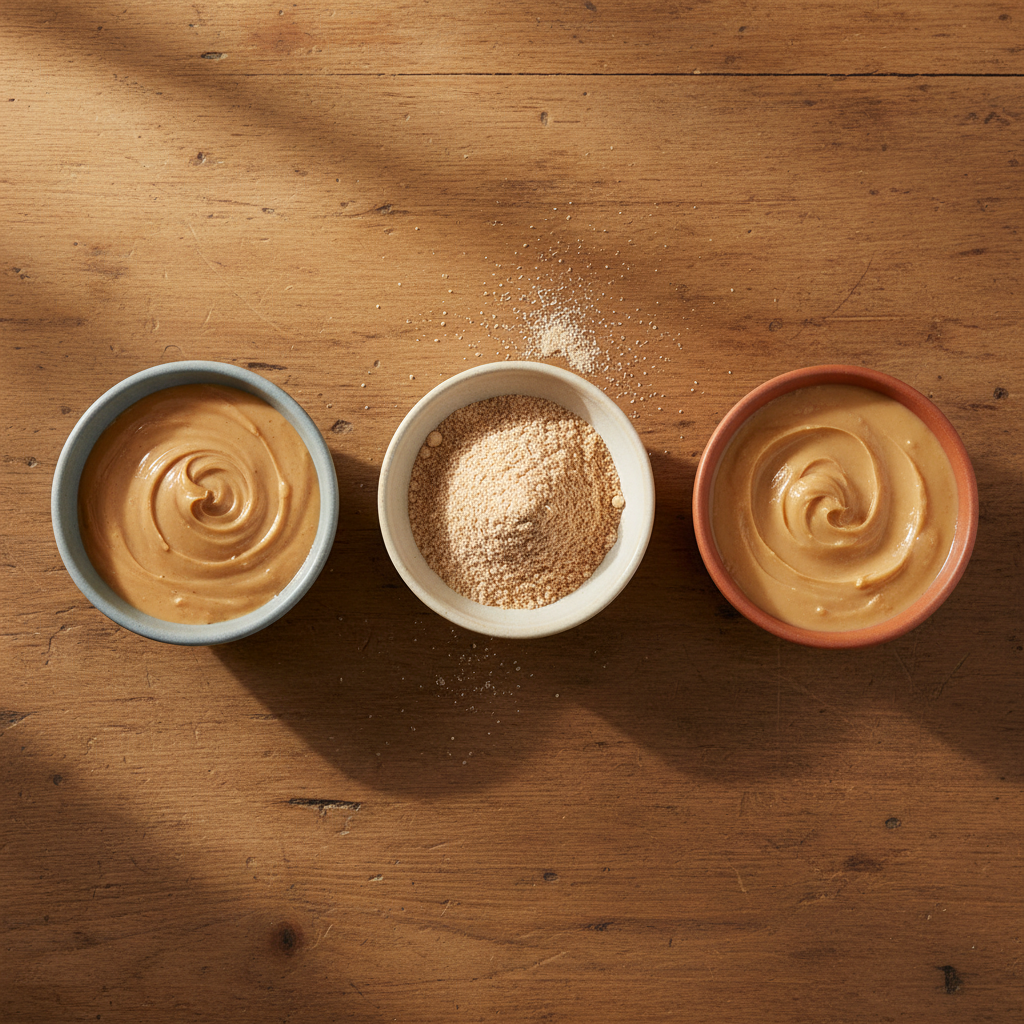
Smooth Nut Butter (Thinned With Breast Milk, Formula, or Water)
Thinned nut butter is the most accessible form for a baby's first introduction. The key word is "thinned." Thick nut butter straight from the jar is a choking hazard. Here is how to thin nut butter for baby safely:
- Mix approximately 1/2 teaspoon of smooth nut butter with 1-2 teaspoons of warm water, breast milk, or formula
- Stir until the mixture flows easily off a spoon -- think yogurt-like consistency
- Choose single-ingredient nut butters with no added salt, sugar, or palm oil
- Stir it into warm oatmeal, mix it into fruit purees, or offer it on a pre-loaded spoon
Nut Powders and Nut Flours for Baby Food
Nut powder dissolves easily into liquids and purees, making it one of the simplest delivery methods. You can find almond flour, cashew flour, and hazelnut meal at most grocery stores. To make your own, pulse raw or roasted unsalted nuts in a blender until a fine powder forms, then sift out any larger pieces. Nut flours also work well in baby-led weaning baked goods starting around 9 to 10 months.
Why Whole Nuts Are Off-Limits Until Age 4 and Older
| Age | Safe Forms | Serving Examples |
|---|---|---|
| 6-8 months | Thinned smooth nut butter, nut powder | Mixed into puree, stirred into oatmeal, blended into yogurt |
| 9-12 months | Thin-spread nut butter, nut flour in baked goods | Toast strips with thin nut butter, almond flour pancakes |
| 1-3 years | Smooth nut butter (thin layer), finely ground nuts | Thin nut butter sandwiches, energy bites, smoothies |
| 4+ years | Whole nuts (supervised), all forms | Whole almonds, cashews, trail mix with supervision |
First-Taste Protocol: How to Give Baby Almond Butter for the First Time
Almond butter for baby is the most common starting point for tree nut introduction, and for good reason. It is widely available, has a mild flavor, and thins easily. Here is your step-by-step guide for the first taste.
Step-by-Step First Introduction
- Pick the right time. Choose a calm morning or early afternoon when you can stay home and observe. Avoid evenings when sleepiness might mask symptoms.
- Prepare a small amount. Mix 1/4 teaspoon of smooth, unsweetened almond butter with 1-2 teaspoons of warm breast milk, formula, or water.
- Combine with a familiar food. Stir the thinned mixture into warm oatmeal, banana puree, or plain yogurt -- something your baby has already eaten successfully.
- Offer and observe. Let baby taste and swallow. There is no need to push large amounts.
- Watch for 2 hours. Stay alert for any signs of allergic reaction (see the allergy symptom section below).
- Gradually increase. If no reaction occurs, increase the amount over the next several servings to about 1-2 teaspoons of thinned nut butter per serving.
- Keep it consistent. Continue offering tree nuts 2-3 times per week to maintain exposure and build tolerance.
Best Foods to Mix With Almond Butter for Baby
- Warm infant oatmeal -- The warmth helps the nut butter dissolve evenly; this is the most popular mixing option
- Banana puree -- Natural sweetness pairs well and the smooth texture blends easily
- Plain whole-milk yogurt (6+ months) -- Adds protein and probiotics alongside the allergen
- Sweet potato or pumpkin puree -- A mildly sweet base that masks any bitter notes
- Loaded spoon for baby-led weaning -- Spread a thin layer of thinned almond butter on a pre-loaded spoon for self-feeding babies
Tree Nut Variety Guide: Comparing Almond, Cashew, Walnut, and More
After successfully introducing one tree nut, parents often wonder which to try next. Each nut brings a different flavor profile, nutritional profile, and -- importantly -- a different cross-reactivity risk. Here is your guide to seven common tree nuts, all served in butter, powder, or ground form only.

Almond, Cashew, and Walnut Butter: The Three Most Common Starting Nuts
- Almond butter -- The most widely available option. Mild, slightly sweet flavor. Rich in vitamin E and calcium. Most pediatricians consider this the go-to first tree nut for babies.
- Cashew butter for baby -- Naturally creamy and mild. Lower in fiber than almond butter, with less chance of a bitter taste that babies reject. Good source of iron and zinc.
- Walnut butter for baby -- Stronger, slightly bitter flavor. Offers the highest omega-3 fatty acid content of any tree nut. Try mixing it with a sweet puree to offset the bitterness, or grind walnuts into powder and stir into oatmeal.
Pistachio, Hazelnut, Pecan, and Other Tree Nut Options
- Pistachio butter -- Distinctive flavor, rich in vitamin B6 and potassium. Less commercially available, so you may need to make it at home.
- Hazelnut butter -- Mild and naturally sweet. Often associated with Nutella, but for babies, use plain unsweetened hazelnut butter only. Good source of folate.
- Pecan butter -- Rich, buttery flavor. Lower in protein than almond or cashew but high in manganese and healthy fats. Blends beautifully into sweet potato puree.
- Macadamia nut butter -- Creamy and very mild. Highest fat content among tree nuts. Less common as baby food but perfectly safe in butter form.
- Brazil nuts (ground powder only) -- Extremely high in selenium. Introduce in very small amounts because a single adult-sized nut can exceed daily selenium needs. Not recommended as a primary tree nut for regular baby consumption.
Cross-Reactivity Between Tree Nuts: What Parents Need to Know
An allergy to one tree nut does not automatically mean allergy to all tree nuts. However, certain nuts are botanically related with higher cross-reactivity. According to Food Allergy Research and Education (FARE), people allergic to one tree nut are frequently allergic to others.
| Related Nut Pair | Cross-Reactivity Level | What This Means for Baby |
|---|---|---|
| Cashew and Pistachio | High (approximately 50%) | If baby reacts to one, consult an allergist before trying the other |
| Walnut and Pecan | High | Same botanical family; treat as related allergens |
| Almond and Hazelnut | Lower | Less likely to cross-react, but always introduce separately |
| Brazil Nut | Lower with most tree nuts | Generally independent, but individual testing is best |
If your baby reacts to any tree nut, stop that nut and contact your pediatrician or allergist. Do not introduce a related nut without medical guidance.
Tree Nut Allergy Symptoms in Babies: What to Watch For
Knowing the signs of a tree nut allergy in babies gives you the confidence to act quickly. Most reactions appear within minutes to two hours after eating.
Mild to Moderate Allergy Symptoms
- Skin reactions: Hives (raised red welts), eczema flare-up, redness or rash around the mouth, face, or body
- Digestive reactions: Vomiting, diarrhea, abdominal cramping, excessive spitting up
- Mild swelling: Slight puffiness around the lips, eyes, or face
- Behavioral changes: Unusual fussiness, crying, food refusal, or irritability
What to do: Stop feeding the tree nut. Note which nut was given and the exact symptoms. Contact your pediatrician the same day. Most mild reactions resolve on their own but should always be documented and reported.
Severe Allergic Reaction (Anaphylaxis) -- Call 911 Immediately
Anaphylaxis is rare on first exposure but requires immediate action. Call 911 if you observe any of the following:
- Breathing difficulty: Wheezing, coughing, stridor, or any airway constriction
- Severe swelling: Tongue, throat, or face swelling that progresses rapidly
- Skin color changes: Pale or bluish skin, especially around the lips
- Loss of consciousness or limpness: Baby becomes unresponsive or floppy
- Repeated vomiting combined with other symptoms listed above
If an epinephrine auto-injector (EpiPen) has been prescribed, administer it without delay. Lay baby flat with legs elevated unless they are vomiting, in which case turn them to the side. Do not wait to see if symptoms improve.
The AAAAI notes that most first-time reactions are mild. Still, always introduce new tree nuts during daytime hours when emergency services are accessible.
Introducing Tree Nuts to High-Risk Babies With Eczema or Egg Allergy
If your baby falls into a high-risk category, the approach to introducing tree nuts changes slightly -- but the goal remains the same: introduce with extra medical support, not avoidance.
Which Babies Are Considered High Risk?
- Moderate to severe eczema that appeared before 6 months and is difficult to control
- An existing egg allergy, which is a known predictor of other food allergies
- A sibling or parent with a confirmed tree nut allergy
- A previous allergic reaction to peanut or another food allergen
Having one or more of these risk factors does not mean your baby will definitely be allergic. It simply means the introduction process should happen under closer medical supervision.
Allergist Consultation and Supervised Introduction
The AAP recommends that high-risk babies be evaluated by an allergist before introducing tree nuts at home. The allergist may perform a skin prick test or blood IgE test. Depending on results, they might recommend a supervised in-office food challenge or a personalized gradual plan.
For babies with mild eczema and no other risk factors, home introduction following the standard protocol is generally safe -- but check with your pediatrician first.
Age-Appropriate Tree Nut Recipes for Baby (6 Months to Toddler)
Once your baby has tolerated their first taste of tree nuts, the fun begins. These recipes use nut butter, nut powder, and nut flour -- never whole nuts -- and are organized by feeding stage.
Puree-Stage Recipes (6-8 Months)
- Almond Butter Banana Puree: Blend 1/2 ripe banana with 1/2 teaspoon thinned almond butter and 1 tablespoon breast milk or formula. Smooth, naturally sweet, and perfect as a first tree nut meal.
- Cashew Butter Oatmeal: Stir 1/2 teaspoon cashew butter into 2 tablespoons of warm prepared infant oatmeal. Add a splash of water or milk to thin further.
- Walnut Powder Sweet Potato Mash: Mix 1/2 teaspoon finely ground walnut powder into mashed sweet potato. The sweetness balances walnut's slight bitterness nicely.
Baby-Led Weaning and Finger Food Ideas (9-12 Months)
- Nut Butter Toast Strips: Spread a very thin, barely-visible layer of smooth almond or cashew butter on lightly toasted bread, cut into finger-width strips.
- Almond Flour Banana Pancakes: Mix 1/4 cup almond flour, 1 ripe mashed banana, and 1 egg. Cook small pancakes on low heat and cut into strips for self-feeding.
- Pecan Butter Yogurt Dip: Thin 1/2 teaspoon pecan butter into 2 tablespoons of plain whole-milk yogurt. Serve as a dip for soft fruit pieces like ripe pear or banana.
Toddler-Friendly Tree Nut Snacks (12+ Months)
- Hazelnut Butter Smoothie: Blend 1 teaspoon hazelnut butter with 1/2 banana, 1/4 cup berries, and 1/4 cup whole milk. Serve in an open cup for sipping practice.
- Pistachio Powder Energy Bites: Mix ground oats, mashed banana, 1 tablespoon pistachio powder, and a drizzle of coconut oil. Roll into small balls and refrigerate.
Maintaining Tree Nut Exposure and Peanut vs. Tree Nut Differences
How Often to Serve Tree Nuts After Successful Introduction
Introduction is only the first step. To maintain the protective effect, current guidance suggests continuing to offer tree nuts 2-3 times per week after a successful first taste. Rotate between varieties -- almond butter on Monday, cashew butter on Wednesday, walnut powder in Friday's oatmeal -- to build broad tolerance across the tree nut family.
Consistency matters. Research on early allergen introduction suggests that offering a food once and then skipping it for weeks may not sustain the protective benefit. An easy habit: keep thinned nut butter in the refrigerator as a standing mix-in for morning oatmeal. If you miss a week, simply resume at the next meal.
Peanuts vs. Tree Nuts: Are They the Same Allergen?
Peanuts are actually legumes -- related to beans and lentils -- not true tree nuts. They are classified as separate allergens. A peanut allergy does not automatically mean a tree nut allergy, though approximately 25 to 40 percent of children with peanut allergy also react to at least one tree nut.
The recommended approach: introduce peanut butter first (since LEAP study data is strongest for peanuts), confirm tolerance, then begin tree nut introduction with almond butter. Always introduce each allergen separately so you can pinpoint the cause of any reaction. If your baby has a confirmed peanut allergy, consult an allergist before introducing tree nuts.
Frequently Asked Questions About Introducing Tree Nuts to Baby
Can Babies Eat Almond Butter at 6 Months?
Yes, babies can have almond butter starting at approximately 6 months when they show readiness signs for solid foods. The almond butter must be smooth and thinned with breast milk, formula, or water to a runny consistency. Start with about 1/4 teaspoon mixed into a familiar food and watch for any allergic reaction over the next 2 hours.
Do I Need to Introduce Each Tree Nut Separately?
Yes, it is best to introduce each new tree nut one at a time, waiting 2-3 days between new varieties. This way, if a reaction occurs, you can identify the specific nut responsible. Once a tree nut has been confirmed safe, you can freely combine it with other previously tolerated nuts in recipes.
What Is the Best Nut Butter to Start With for Baby?
Almond butter is the most commonly recommended first tree nut for babies because of its mild flavor, smooth texture when thinned, and wide availability. Cashew butter is another excellent choice thanks to its naturally creamy consistency. Whichever you choose, select a single-ingredient product with no added salt, sugar, or oils.
How Long Should I Watch for an Allergic Reaction After Giving Baby Nuts?
Monitor your baby for at least 2 hours after the first taste of a new tree nut. Most allergic reactions appear within 30 minutes to 2 hours. In rare cases, delayed reactions such as eczema flare-ups or digestive symptoms can occur up to 4-6 hours later. Schedule first introductions for early in the day so you have a full observation window.
Is It Better to Introduce Tree Nuts Early or Wait Until Baby Is Older?
Current medical evidence strongly supports early introduction around 6 months rather than waiting. The LEAP and EAT studies demonstrated that delaying allergen introduction does not reduce allergy risk and may actually increase it. The AAP, AAAAI, and major pediatric organizations all recommend introducing allergenic foods, including tree nuts, in the first year of life.
Can I Give My Baby Nutella or Flavored Nut Butters?
No. Nutella and flavored nut butters contain high amounts of added sugar, palm oil, and chocolate, which provide no nutritional benefit for babies and can establish unhealthy taste preferences early. If you want to introduce hazelnuts, use plain, unsweetened, single-ingredient hazelnut butter instead.
My Baby Has Eczema -- Can I Still Introduce Tree Nuts?
Babies with mild eczema can generally follow the standard introduction protocol with pediatrician guidance. Babies with moderate to severe eczema should be evaluated by a pediatric allergist before starting tree nuts. The allergist may recommend allergy testing or a supervised food challenge. Having eczema is not a reason to avoid tree nuts -- delaying may actually increase allergy risk.
When Can My Child Eat Whole Nuts?
Children should not eat whole nuts, nut pieces, or nut chunks until at least age 4, and many safety organizations recommend waiting until age 5 or later. Whole nuts are a top choking hazard because young children lack the molar development to break them down. Continue offering nut butters, nut powders, and nut flours as safe alternatives until your child can chew thoroughly and consistently.
Bringing It All Together: Your Tree Nut Introduction Checklist
Introducing tree nuts to baby does not need to be stressful. The science is on your side: early, consistent exposure through safe forms like nut butter, nut powder, and finely ground nuts is one of the best ways to reduce your child's allergy risk. Here is a quick summary to keep on your refrigerator:
- Start around 6 months, after your baby has tried a few non-allergenic foods first
- Always use thinned nut butter, nut powder, or nut flour -- never whole nuts before age 4
- Begin with 1/4 teaspoon of thinned almond butter mixed into a familiar food
- Watch for at least 2 hours after the first taste of each new tree nut
- Introduce each tree nut variety one at a time, waiting 2-3 days between new ones
- After successful introduction, serve tree nuts 2-3 times per week to maintain tolerance
- If your baby has moderate-to-severe eczema, an egg allergy, or a family history of tree nut allergy, see an allergist before starting
- Know the signs of a mild versus severe allergic reaction, and have a plan for both
You are giving your baby a real nutritional advantage. Tree nuts are packed with healthy fats, protein, and vitamins that support growing brains and bodies. By introducing them early and consistently, you are helping build immune tolerance exactly the way current research recommends.
Looking for more feeding guides? PatPat is here to support you through every stage -- from first bites to toddler snacks. Explore our parenting blog for more evidence-based guides, and browse our comfortable, practical baby clothing designed for everyday adventures -- including messy mealtimes.




