


You are standing in your kitchen, baby spoon in hand, wondering where to even begin with your little one's first baby purees. Maybe you have heard conflicting advice from well-meaning relatives, or perhaps the sheer volume of information online has left you more confused than confident. Here is the good news: starting your baby on single ingredient baby food is simpler than you might think, and we are here to guide you through every step.
At PatPat, we understand this milestone marks an exciting new chapter in your baby's development. Whether you are exploring first puree recipes 4 months into your journey or waiting until the recommended six-month mark, this comprehensive guide will walk you through everything you need to know about creating nutritious, homemade purees using four perfect starter foods: sweet potato, avocado, banana, and peas.
But here is something that might surprise you: if you have been told to wait 3-5 days between introducing each new food, that long-standing advice is now considered outdated by leading pediatric nutrition experts. Current guidelines from the American Academy of Pediatrics and the CDC offer more flexible approaches that make introducing solids less stressful and more enjoyable for both you and your baby.
Ready to discover how to make first baby purees that set your little one up for a lifetime of healthy eating? Let us dive in.
Why Single-Ingredient Baby Food is the Best Starting Point
When you are just beginning the solid food journey, single ingredient baby food offers the perfect introduction. These simple, one-food purees contain exactly what the name suggests: a single fruit or vegetable, prepared without added salt, sugar, or other ingredients. This straightforward approach makes them ideal for babies who are just learning to eat.
Stage 1 purees are characterized by their smooth, thin consistency. They flow easily from the spoon and require minimal chewing, making them perfect for babies who are still developing their oral motor skills. But the benefits extend far beyond convenience.
How Single-Ingredient Purees Help Identify Food Sensitivities
One of the primary advantages of starting with single ingredient baby food is the ability to pinpoint any adverse reactions. When you introduce one food at a time, you know exactly what caused any symptoms if they appear. Common signs of food sensitivity include:
- Skin rash or hives appearing within hours of eating
- Digestive upset such as unusual fussiness, vomiting, or diarrhea
- Swelling around the lips, face, or eyes
- Excessive spitting up beyond normal amounts
Keep in mind that not every reaction indicates an allergy. Some babies experience temporary digestive adjustments as their systems adapt to new foods. However, having a clear record of which foods your baby has tried makes conversations with your pediatrician much more productive if concerns arise.
The Flavor Training Advantage of Pure, Simple Foods
There is another compelling reason to embrace single-ingredient purees: flavor education. When babies taste pure, distinct flavors, they learn to recognize and appreciate each food on its own terms. Research has shown that infants who experience individual vegetable flavors develop broader palate acceptance over time.
According to research published in peer-reviewed journals, a "vegetables first" approach during complementary feeding can positively influence long-term vegetable acceptance. When you resist the temptation to mask vegetables by mixing them with sweeter fruits, you give your baby the opportunity to develop genuine appreciation for savory flavors.
The 3-5 Day Wait Rule is Now Outdated: Here is What to Do Instead
For decades, parents received the same advice: introduce one new food, then wait three to five days before offering another. The logic seemed sound: this waiting period would allow time to observe any delayed allergic reactions. However, current pediatric guidelines have evolved significantly based on newer research.
The traditional 3-5 day wait rule made solid food introduction unnecessarily slow and often stressful. If you followed it strictly, your baby would only experience about five to seven new foods per month. During the critical developmental window between 6-9 months, when babies are most receptive to new flavors and textures, this pace significantly limits variety exposure.
What Current Pediatric Guidelines Actually Recommend
Modern guidance takes a more nuanced approach. While the AAP and CDC still formally mention the 3-5 day guideline in some materials, the emphasis has shifted dramatically toward early and frequent introduction of variety, particularly for allergenic foods.
Key updates include:
- For non-allergenic single-ingredient purees: Introducing new foods every one to two days is generally considered safe
- For allergenic foods (peanuts, eggs, dairy): Early introduction is now encouraged, as research shows it may actually reduce allergy risk
- Focus on observation: Watch for reactions within 2-4 hours rather than adhering to rigid multi-day waiting periods
- High-risk babies: Those with severe eczema or existing food allergies may benefit from pediatrician consultation before introducing major allergens
A Practical, Modern Approach to Introducing New Purees
So what should you actually do? Here is a sensible, evidence-based approach:
- Introduce new foods when your baby is healthy, well-rested, and in a good mood
- Offer non-allergenic purees like sweet potato, peas, or banana every one to two days
- Watch for any immediate reactions within the first few hours
- Keep a simple log of foods introduced and any observations
- If a reaction occurs, stop that food and contact your pediatrician
Myth Busted: The 3-5 Day Wait Rule
Old Advice: Wait 3-5 days between introducing each new food
Modern Guidance: This rule is outdated for most non-allergenic foods
What to Do Instead: Introduce non-allergenic purees every 1-2 days. Focus on observation rather than rigid timelines. Consult your pediatrician for high-risk situations.
Sweet Potato Puree: The Perfect First Baby Food

Ask any pediatric nutritionist about ideal first baby purees, and sweet potato will likely top their list. This vibrant orange root vegetable offers a winning combination of natural sweetness, smooth texture when pureed, and impressive nutritional density. Babies tend to accept it readily, making those first feeding experiences positive for everyone involved.
Sweet potatoes are loaded with beta-carotene, which the body converts to vitamin A, essential for immune function, vision development, and healthy skin. According to NIH research, just one small sweet potato can meet the daily vitamin A needs of a young child. They also provide fiber for digestive health, vitamin C for iron absorption, and potassium for proper muscle function. Perhaps best of all, sweet potatoes rarely cause allergic reactions, making them an exceptionally safe first food choice.
Step-by-Step Sweet Potato Puree Recipe
Ingredients:
- 1 medium sweet potato
Equipment Needed:
- Vegetable peeler
- Steamer basket or pot with lid
- Blender or food processor
- Ice cube tray for storage
Instructions:
- Wash sweet potato thoroughly under running water, then peel and cut into 1-inch cubes
- Place cubes in steamer basket over boiling water and steam for 15-20 minutes until completely fork-tender
- Transfer cooked cubes to blender with 2-4 tablespoons of reserved cooking water
- Blend until completely smooth, adding more liquid as needed for desired consistency
- Cool to room temperature before serving
- Freeze extras in ice cube trays; transfer frozen cubes to labeled bags for up to 3 months storage
Prep Time: 5 minutes | Cook Time: 20 minutes | Yield: 8-10 baby servings
Serving Tips and Texture Progression
For very first purees, aim for a thin, runny consistency similar to heavy cream. Add breast milk, formula, or cooking water to achieve this texture. As your baby gains experience over the coming weeks, gradually thicken the puree by adding less liquid. Eventually, you can leave small soft lumps to introduce texture variety.
Sweet potato pairs wonderfully with iron-fortified infant cereal, creating a more complete meal. You can also thin the puree with breast milk or formula to provide a familiar taste that eases the transition to solid foods.
Avocado Puree: Nutrient-Dense and No Cooking Required
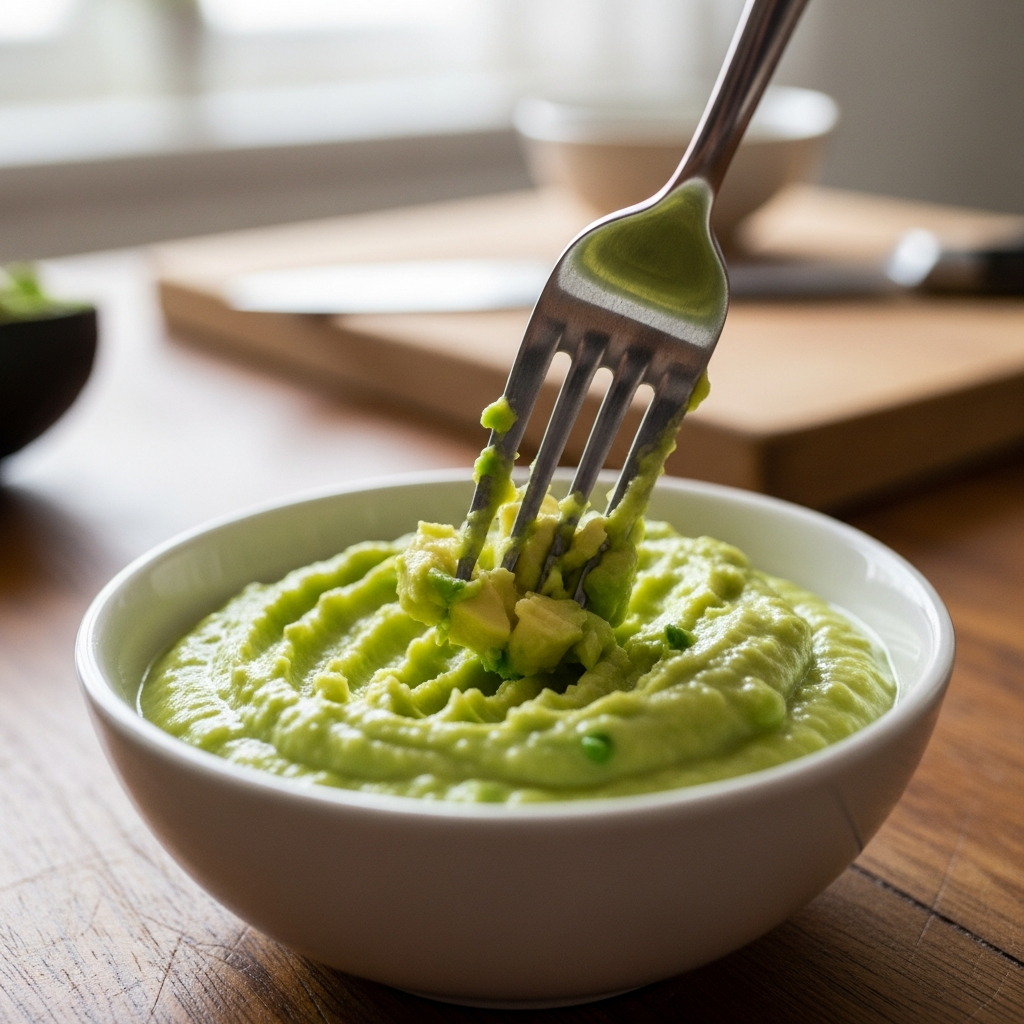
If convenience is a priority, avocado might become your new best friend. This remarkable fruit requires zero cooking: simply mash and serve. But beyond convenience, avocado delivers something your baby's developing brain desperately needs: healthy fats.
The human brain is nearly 60% fat, and dietary fat is essential for building neural connections. Avocados provide monounsaturated fats that support brain development, along with folate, potassium, and vitamins E, K, and C. For infants and toddlers, healthy fat should comprise 30-40% of total daily calories, making avocado an ideal food choice.
How to Select and Prepare Avocado for Baby
Selecting the Perfect Avocado:
- Choose avocados that yield slightly to gentle pressure when squeezed
- Avoid those with dark, sunken spots or overly mushy texture
- Hass avocados (dark, bumpy skin) offer the creamiest texture
- Unripe avocados can ripen at room temperature over 2-5 days
Simple Avocado Puree Recipe:
- Cut a ripe avocado in half and remove the pit
- Scoop flesh into a small bowl using a spoon
- Mash thoroughly with a fork until completely smooth
- Add breast milk, formula, or water to thin if needed
- Serve immediately, as avocado browns quickly
Prep Time: 2 minutes | Cook Time: None | Yield: 2-3 baby servings
Why Healthy Fats Matter for Baby Brain Development
Fat does far more than provide calories. It helps build the protective myelin sheath around nerve fibers, supports the absorption of fat-soluble vitamins (A, D, E, and K), and provides building blocks for healthy cell membranes throughout the body. Introducing healthy fats through foods like avocado early in life helps establish positive dietary patterns.
Pro Tip: Preventing Avocado Browning
- Make fresh portions for each serving when possible
- For older babies, a tiny drop of lemon juice can slow oxidation
- Do not freeze avocado puree, as the texture becomes watery upon thawing
- Store leftover avocado with the pit, pressing plastic wrap directly against the surface
Banana Puree: Naturally Sweet and Travel-Friendly
When it comes to easy first baby purees, nothing beats the humble banana. No cooking required, naturally sweet, and loved by most babies on the first try. Bananas also happen to be one of the most portable first foods imaginable: pack a whole banana in your diaper bag, mash it on-site, and you have an instant meal wherever you go.
Nutritionally, bananas provide potassium for healthy heart and muscle function, vitamin B6 for brain development, vitamin C for immune support, and natural sugars for energy. Their gentle, easily digestible nature makes them particularly kind to developing digestive systems.
Simple Banana Puree Recipe and Texture Tips
Ingredients:
- 1/2 ripe banana (look for yellow peel with brown spots)
Instructions:
- Peel banana and place in a small bowl
- Mash thoroughly with a fork until completely smooth
- For thinner consistency, add breast milk or formula
- Serve immediately at room temperature
Prep Time: 1 minute | Cook Time: None | Yield: 1-2 baby servings
Texture Progression:
- First purees: Mash until completely smooth, thin with liquid as needed
- Advancing babies: Leave small soft pieces for texture practice
- Older babies: Serve as soft finger food strips
Important Note on Banana and Digestion
While bananas are wonderful first foods, they can cause constipation in some babies. If you notice your little one straining or having hard stools, consider balancing banana with "P" fruits: prunes, pears, and peaches, which have natural laxative effects. Riper bananas (those with more brown spots) are generally easier to digest than less ripe ones.
Pea Puree: Introducing Green Vegetables Early
Here is something many parents do not realize: the window for establishing vegetable acceptance is relatively narrow. Babies who experience green vegetable flavors early in their solid food journey are significantly more likely to accept vegetables later in childhood. This makes peas an incredibly strategic first food choice.
Research demonstrates that repeated exposure to vegetables can increase infant acceptance even when the food is initially disliked. Studies show that eight to ten exposures to a vegetable are often sufficient to increase intake, with effects lasting months or even years.
Peas offer a surprisingly good nutritional profile for a vegetable: protein, fiber, iron, and vitamins A, C, and K. Their mild, slightly sweet taste makes them more acceptable to many babies than bitter vegetables like spinach or kale.
How to Make Smooth Pea Puree for Beginners
Ingredients:
- 1 cup frozen peas (flash-frozen at peak nutrition)
Instructions:
- Steam or boil peas for 3-5 minutes until bright green and completely tender
- Transfer to blender with 3-4 tablespoons of cooking water
- Blend until smooth, adding more liquid as needed
- For silky-smooth texture, push through a fine mesh strainer to remove skins
- Cool to room temperature before serving
Prep Time: 2 minutes | Cook Time: 5 minutes | Yield: 6-8 baby servings
Getting Baby to Accept Green Vegetables
Expect some initial rejection. Many babies instinctively resist bitter or unfamiliar flavors, and this is completely normal. The key is persistence without pressure:
- Offer peas repeatedly over weeks, even if initially rejected
- Research suggests 10-15 exposures often lead to acceptance
- Avoid mixing peas with sweet fruits to mask the flavor
- Offer when baby is hungry but not overly starving or upset
- Model eating peas yourself, as babies learn by watching caregivers
Storage, Safety, and Practical Tips for First Baby Purees
Making homemade baby food becomes infinitely more practical when you master the art of batch cooking and safe storage. Spending an hour or two on the weekend preparing multiple purees can set you up with nutritious options for the entire week ahead.
Safe Storage Times for Homemade Baby Purees
| Storage Method | Duration | Best Practice |
|---|---|---|
| Refrigerator | 2-3 days | Airtight container, back of fridge |
| Freezer (cubes) | Up to 3 months | Ice cube trays, then transfer to bags |
| Thawed from frozen | 24 hours | Use within one day of thawing |
| Served to baby | Discard immediately | Never save food touched by baby's spoon |
Batch Cooking and Freezing for Busy Parents
The ice cube tray method revolutionizes homemade baby food preparation:
- Prepare multiple purees in one cooking session
- Pour cooled purees into silicone ice cube trays (each cube equals approximately 1 ounce)
- Freeze until solid, typically 4-6 hours or overnight
- Pop frozen cubes into labeled freezer bags with the date
- Thaw 1-2 cubes per meal in the refrigerator overnight
- Use oldest frozen purees first to rotate your stock
Critical Food Safety Rules for Baby Purees
Baby food safety is non-negotiable. Follow these guidelines without exception:
- Always wash hands thoroughly before preparing baby food
- Wash all produce under running water before cooking
- Cook vegetables until completely soft with no hard pieces
- Test temperature before serving: lukewarm or room temperature only
- Never microwave directly in plastic containers
- Discard any food remaining in the bowl after feeding
- Never leave prepared baby food at room temperature for more than 2 hours
- When in doubt, throw it out
When and How to Progress Beyond Single-Ingredient Purees
Single ingredient baby food is just the beginning of an exciting culinary journey. Understanding when and how to advance keeps your baby's development on track while preventing the texture aversion that can occur when babies stay on smooth purees too long.
Signs Baby is Ready for Combination Purees and New Textures
Most babies show readiness for the next stage after successfully tolerating 10-15 single-ingredient foods. Watch for these signs:
- Enthusiastically opens mouth when spoon approaches
- Swallows purees easily without frequent gagging
- Shows interest in what others are eating
- Makes chewing motions even with smooth foods
- Handles current texture consistency well
Typical Progression Timeline:
- Month 1 (around 6 months): Thin, smooth single-ingredient purees
- Month 2 (around 7 months): Slightly thicker purees, begin simple combinations
- Month 3 (around 8 months): Mashed textures with soft lumps, more variety
- Month 4+ (9+ months): Soft finger foods alongside purees
First Combination Puree Ideas Using Your Starter Foods
Once your baby tolerates individual foods, try these winning combinations:
- Sweet potato + pea: Beautiful color contrast, sweet meets savory
- Banana + avocado: Ultra-creamy, nutrient-dense powerhouse
- Sweet potato + banana: Naturally sweet crowd-pleaser
- Pea + avocado: Green goodness with healthy fats
Start with two-ingredient combinations, then gradually add third and fourth ingredients as tolerance expands. Continue introducing new single ingredients periodically to maintain variety.
Transitioning to Finger Foods While Continuing Purees
Many parents wonder whether to abandon purees when starting finger foods. The answer is: you do not have to choose. Offering both simultaneously allows baby to practice self-feeding skills while still getting adequate nutrition from spoon-fed purees.
First finger food ideas using your starter foods:
- Soft strips of steamed sweet potato
- Ripe avocado spears
- Ripe banana cut into finger-length pieces
- Well-cooked peas (smash lightly to reduce choking risk)
Frequently Asked Questions About First Baby Purees
What is the best first puree for a 4-month-old baby?
The best first purees for 4-month-old babies are smooth, single-ingredient foods like sweet potato, avocado, or banana. However, ensure your baby shows all readiness signs including good head control, sitting with support, and genuine interest in food. Always consult your pediatrician before introducing solids at 4 months, as most guidelines recommend waiting until 6 months.
Do I really need to wait 3-5 days between new baby foods?
No, the 3-5 day wait rule is now considered outdated by many pediatric experts for non-allergenic single-ingredient purees. Current evidence suggests you can safely introduce new non-allergenic foods every 1-2 days. This approach allows your baby to experience more variety during the critical developmental window. Focus on watching for reactions rather than following rigid timelines.
How do I make single-ingredient baby food at home?
To make single ingredient baby food: wash produce thoroughly, steam or bake until very soft, blend with cooking water until completely smooth, and thin with breast milk or formula if needed. Cool to room temperature before serving. Store extras in ice cube trays and freeze for up to three months.
Is sweet potato or avocado better as a first puree?
Both are excellent first purees with different nutritional benefits. Sweet potato is rich in vitamin A and fiber, while avocado provides healthy fats essential for brain development. Neither is objectively "better" than the other. Choose based on what you have available, or offer both since variety is encouraged in modern feeding guidelines.
Why are single-ingredient purees recommended for starting solids?
Single-ingredient purees are recommended because they allow easy identification of food sensitivities. If your baby has a reaction, you know exactly which food caused it. They also help babies experience distinct, individual flavors, building a foundation for accepting variety later in childhood.
How do I know if my baby is allergic to a puree?
Watch for allergic reaction signs within 2-4 hours of eating: hives, rash, swelling (especially around lips and face), vomiting, diarrhea, or difficulty breathing. A mild rash around the mouth may simply be skin irritation from acidic foods, not a true allergy. Stop the food and consult your pediatrician if you observe concerning symptoms.
Can I freeze homemade baby purees and for how long?
Yes, you can freeze most homemade baby purees for up to three months. Freeze in ice cube trays, then transfer frozen cubes to labeled freezer bags. Thaw overnight in the refrigerator rather than at room temperature. Once thawed, use within 24 hours and never refreeze previously frozen puree.
How thin should first baby purees be?
First baby purees should be very thin and completely smooth, similar to a runny yogurt or heavy cream consistency. Add breast milk, formula, or cooking water to achieve this texture. As your baby gains experience over 2-4 weeks, gradually thicken the consistency toward a mashed texture with small soft lumps.
Starting Your Baby's Solid Food Journey with Confidence
Introducing first baby purees marks one of the most exciting milestones in your little one's first year. With sweet potato, avocado, banana, and peas as your foundation foods, you have everything you need to give your baby a nutritious, varied start to solid eating.
Remember the key takeaways from this guide: single ingredient baby food simplifies the introduction process and helps identify any sensitivities. The outdated 3-5 day wait rule has been replaced with more flexible, evidence-based approaches that allow for faster variety exposure. And perhaps most importantly, breast milk or formula remains your baby's primary nutrition source during this learning phase.
Do not stress about perfection. Some meals will end up more on your baby's face than in their tummy, and that is completely normal. Trust your baby's hunger and fullness cues, maintain a relaxed atmosphere at mealtimes, and enjoy watching your little one discover new flavors and textures.
At PatPat, we are here to support you through every stage of your parenting journey. From those messy first purees to the independence of self-feeding, these moments create memories that last a lifetime. Happy feeding!
Have questions about your baby's feeding journey? Explore more helpful parenting guides and discover adorable, comfortable baby clothing and accessories at PatPat.





