


Your baby's palate is far more adventurous than you might think. While many parents stick to plain, single-ingredient purees, research shows that babies are actually primed to accept complex flavors during their first year of life. In fact, infants who experience varied flavors respond more favorably to diverse foods during weaning.
What if you could serve your baby beet and blueberry puree? Or sweet potato with coconut and mild curry? These combination baby food recipes are not only safe but may actually help prevent picky eating later. At PatPat, we believe mealtime should be an adventure for the whole family, and that starts with introducing your little one to exciting baby food combinations.
This comprehensive guide covers over 60 combination puree recipes for baby, complete with a flavor pairing guide, nutritional synergy explanations, and unexpected combinations that will expand your baby's culinary horizons.
When to Start Baby Food Combinations: Timing and Readiness Signs
Before mixing baby purees, your little one needs to master single-ingredient foods first. This foundational step is crucial for identifying potential allergies and ensuring your baby is developmentally ready for more complex tastes and textures.
From Single Ingredients to Multi-Ingredient Purees
The transition from stage 1 to stage 2 baby food typically happens gradually. According to the American Academy of Pediatrics, introduction of solid foods around 6 months is recommended, with combination foods following once individual ingredients are tolerated.
Why does this order matter? When you introduce one new food at a time, waiting 2-3 days between each, you can easily identify the culprit if your baby shows signs of an allergic reaction. Once your baby has successfully tried several single-ingredient purees without issues, you can begin creating baby food flavor combinations.
Developmental Signs Your Baby Is Ready for Combination Purees
Age alone does not determine readiness. Watch for these physical and behavioral cues:
- Sitting stability: Your baby can sit up with minimal support
- Head control: They hold their head steady without wobbling
- Tongue reflex gone: They no longer push food out automatically
- Interest in food: They reach for your plate and watch you eat
- Multiple foods accepted: They have tolerated at least 5-6 single-ingredient purees
Most babies meet these milestones between 6-8 months. This timing aligns perfectly with what researchers call the "flavor window," a critical period from approximately 6-18 months when babies are most receptive to new tastes.
Best Fruit and Vegetable Combinations for Baby Food
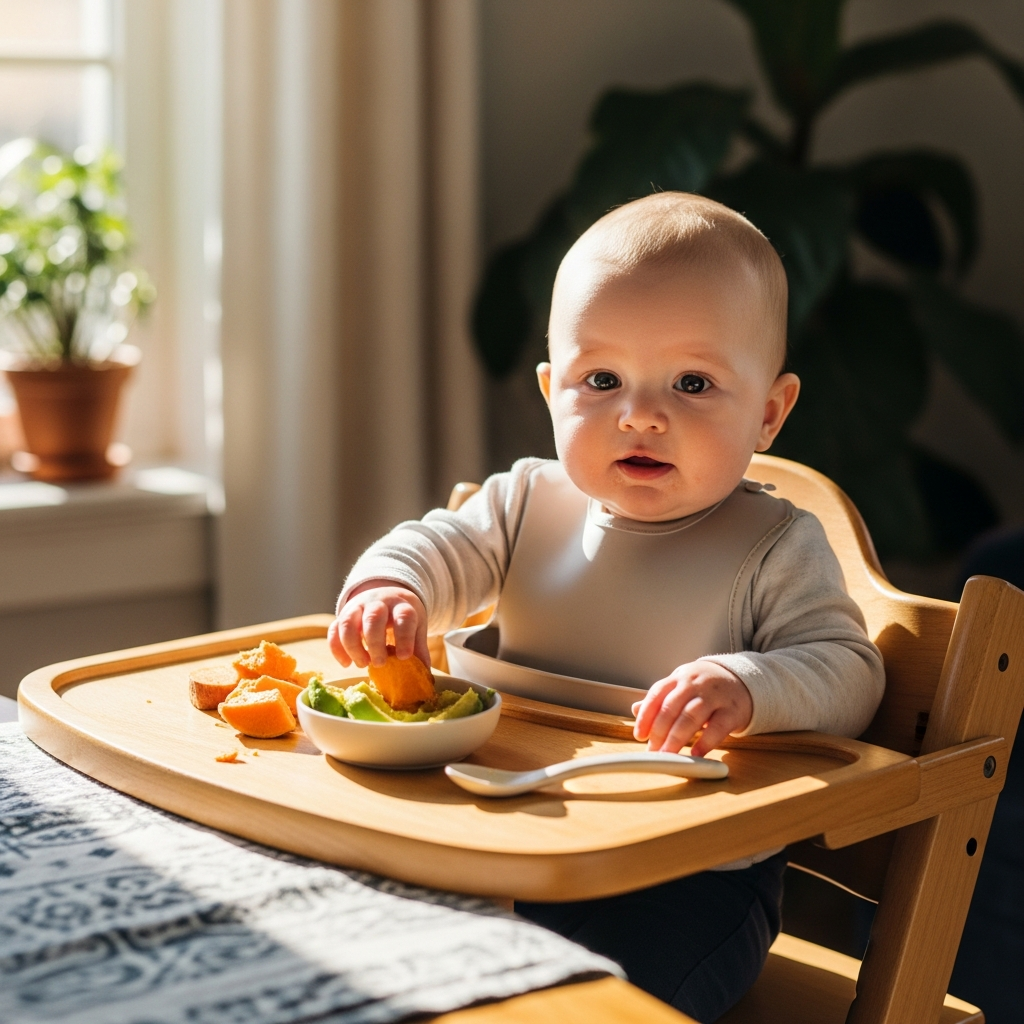
Fruit vegetable baby food combinations offer the perfect introduction to mixing baby purees. The natural sweetness of fruits helps balance the sometimes bitter or earthy flavors of vegetables, making these pairings universally popular with babies.
Classic Fruit-Vegetable Pairings That Work Every Time
| Combination | Ratio | Nutritional Highlight |
|---|---|---|
| Sweet Potato + Apple | 1:1 | Beta-carotene, fiber, vitamin C |
| Carrot + Pear | 1:1 | Vitamin A, natural sweetness |
| Butternut Squash + Pear | 2:1 | Potassium, vitamins A and C |
| Pea + Pear | 1:1 | Iron, vitamin C for absorption |
| Zucchini + Apple | 1:2 | Hidden veggie, gentle on tummies |
Vegetable-Forward Combinations for Balanced Palates
Want to emphasize vegetables while still achieving acceptance? These combinations put veggies first while using smaller amounts of fruit for palatability:
- Spinach + Banana + Avocado: Creamy, mild, and packed with iron and healthy fats
- Broccoli + Pear + Mint: The mint brightens the broccoli; start with just a tiny pinch
- Cauliflower + Apple + Ginger: A sophisticated blend that babies love
- Green Bean + Peach: Summer freshness in a bowl
- Sweet Potato + Mango + Coconut: Tropical delight with beta-carotene
Unexpected Baby Food Flavor Combinations Your Baby Will Love
Here is where homemade baby food combinations truly shine. While commercial baby foods stick to predictable pairings, you can introduce your little one to flavor profiles from around the world. Research supports this adventurous approach: babies often accept bold flavors better than toddlers, making infancy the ideal time for culinary exploration.
Antioxidant Powerhouse: Beet and Blueberry Puree
Beet + Blueberry Combination Puree
Ingredients:
- 1 medium beet, peeled and cubed
- 1/2 cup fresh or frozen blueberries
- 2-4 tablespoons water or breast milk
Instructions:
- Steam beet cubes until fork-tender (about 15-20 minutes)
- Add blueberries during the last 3 minutes of steaming
- Blend until smooth, adding liquid as needed
- Cool and serve or freeze in portions
Why it works: The natural sweetness of blueberries perfectly balances the earthy beet flavor. Both ingredients are rich in antioxidants that support brain development. Do not be alarmed by the vibrant purple color; it is a sign of powerful phytonutrients.

Global-Inspired Unexpected Combinations
Around the world, babies enjoy flavors that might surprise American parents. These internationally-inspired baby puree combinations are perfectly safe and delicious:
- Sweet Potato + Coconut + Mild Curry (Indian-inspired): Use just a pinch of curry powder for warmth without heat
- Avocado + Black Bean + Lime (Mexican-inspired): Protein-rich and creamy with a bright citrus note
- Carrot + Ginger + Mango (Thai-inspired): Fresh ginger aids digestion and adds zing
- Apple + Fennel (Mediterranean-inspired): Subtle licorice notes that babies find intriguing
- Pear + Parsnip + Thyme (French-inspired): Elegant and earthy with aromatic herbs
Savory-Sweet Crossover Combinations
The boundary between sweet and savory is artificial. These crossover baby food flavor combinations prove that contrasting elements create harmony:
- Butternut Squash + Apple + Sage: A Thanksgiving-inspired blend
- Sweet Potato + Cinnamon + Tahini: Nutty, warming, and protein-enriched
- Carrot + Date + Cardamom: Natural sweetness with Middle Eastern flair
- Beet + Cherry + Basil: A gourmet combination babies adore
Protein-Rich Baby Food Combinations for Growth and Development
As your baby grows, protein becomes increasingly important. Infants aged 6 to 12 months need 11 mg of iron per day, and protein-rich foods are among the best sources of this essential nutrient.
Meat and Poultry Combination Purees
Meat purees can taste strong on their own, but combining them with fruits and vegetables creates balanced baby food combinations that are both nutritious and appealing:
| Combination | Key Nutrients | Preparation Tip |
|---|---|---|
| Chicken + Sweet Potato + Apple | Complete protein, beta-carotene, iron | Cook chicken until very tender before blending |
| Turkey + Butternut Squash + Cranberry | Lean protein, vitamin A, antioxidants | Use fresh or frozen cranberries, not dried |
| Beef + Broccoli + Sweet Potato | Heme iron, vitamin C, fiber | Choose lean ground beef for easier blending |
| Lamb + Apricot + Quinoa | Iron, complete protein, vitamins | Lamb pairs beautifully with stone fruits |
Fish-Based Combination Purees
Fish provides omega-3 fatty acids crucial for brain development. These mild-flavored combinations make fish accessible:
- Salmon + Sweet Potato + Dill: Omega-3 rich with complementary flavors
- White Fish + Pea + Potato: Mild and creamy, perfect for beginners
- Cod + Carrot + Parsley: Light and nutritious with fresh herbs
Plant-Based Protein Combinations
For vegetarian families or varied meal planning, these plant protein baby food combinations deliver essential nutrients:
- Lentil + Carrot + Cumin: Iron-rich with warming spice
- Black Bean + Avocado + Lime: Fiber and healthy fats combined
- Chickpea + Sweet Potato + Turmeric: Anti-inflammatory and satisfying
- Tofu + Mango + Ginger: Smooth protein with tropical notes
- Quinoa + Banana + Blueberry: Complete protein breakfast option
The Complete Baby Food Flavor Pairing Guide
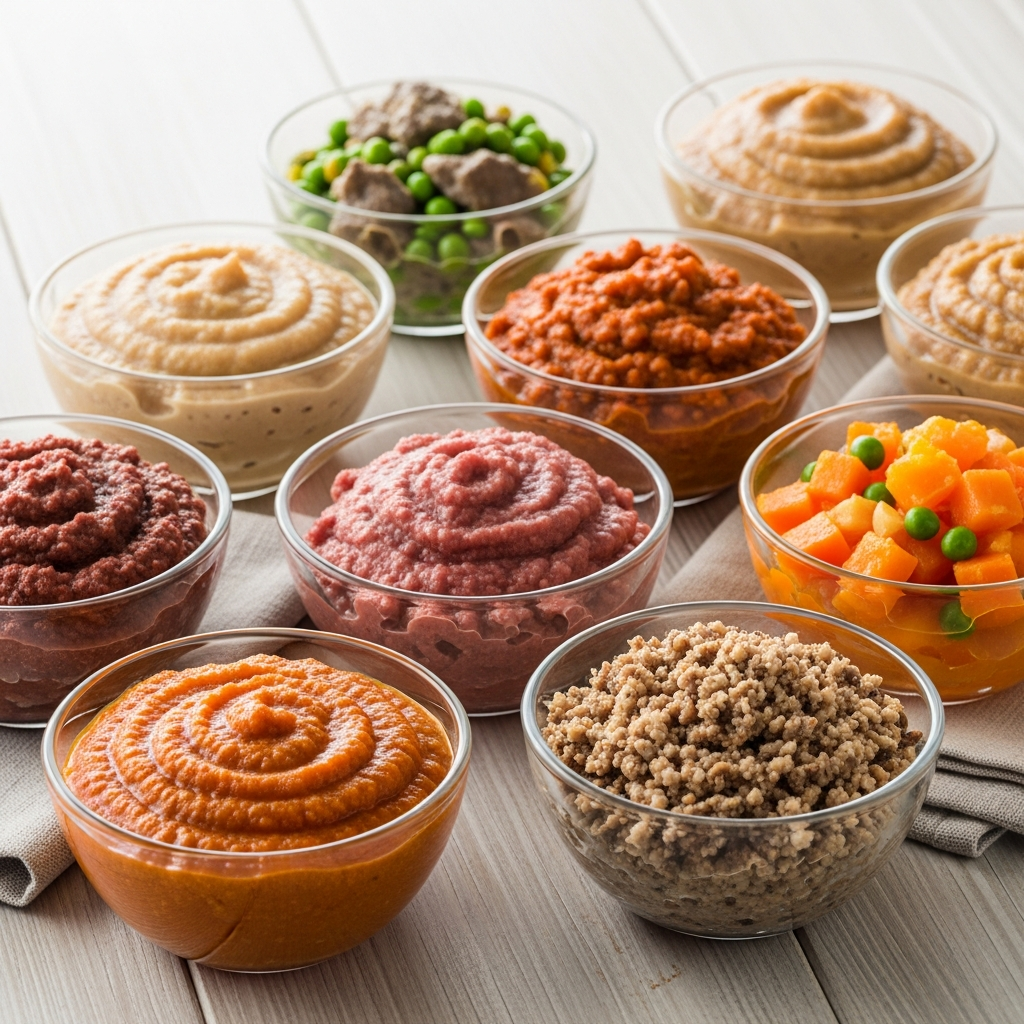
Understanding flavor profiles transforms random mixing baby purees into intentional, delicious combinations. This comprehensive guide helps you create baby food combinations with confidence.
Understanding Flavor Profiles in Baby Food
Every ingredient falls into categories that inform successful pairings:
- Sweet bases: Apple, pear, banana, sweet potato, butternut squash, mango
- Savory bases: Pea, broccoli, chicken, lentils, beef, fish
- Neutral ingredients: Avocado, zucchini, potato, cauliflower, oats
- Aromatic enhancers: Herbs, mild spices, citrus zest
The key is balancing these profiles. Sweet ingredients make savory ones more palatable, while neutral ingredients provide smooth textures and bridge stronger flavors.
Safe Spices and Herbs for Baby Purees by Age
Contrary to outdated advice, babies can safely begin exploring mild, aromatic spices like cinnamon and turmeric around 6 months of age. Here is your age-appropriate spice guide:
| Age | Safe Spices and Herbs | Usage Tips |
|---|---|---|
| 6+ months | Cinnamon, vanilla, basil, mint, parsley | Start with tiny pinches; these are mildest |
| 8+ months | Ginger, turmeric, cumin, coriander, dill, thyme | Introduce one at a time; slightly more complex |
| 10+ months | Mild curry blends, cooked garlic, cooked onion | Always cook garlic and onion; raw is too strong |
Flavor Pairing Principles for Baby Food
Professional chefs use three main pairing strategies. You can apply them to baby food combinations:
- Complementary pairings: Flavors that naturally enhance each other (apple + cinnamon, salmon + dill)
- Contrasting pairings: Sweet balances savory (pear + pea, mango + chicken)
- Bridging ingredients: Neutral foods connect disparate flavors (avocado between black bean and lime)
Nutritional Synergies: Combinations That Maximize Nutrient Absorption
Some baby food combinations do more than taste good; they actually increase how much nutrition your baby absorbs. Understanding these synergies helps you create the most beneficial meals possible.
Iron Plus Vitamin C: The Essential Pairing
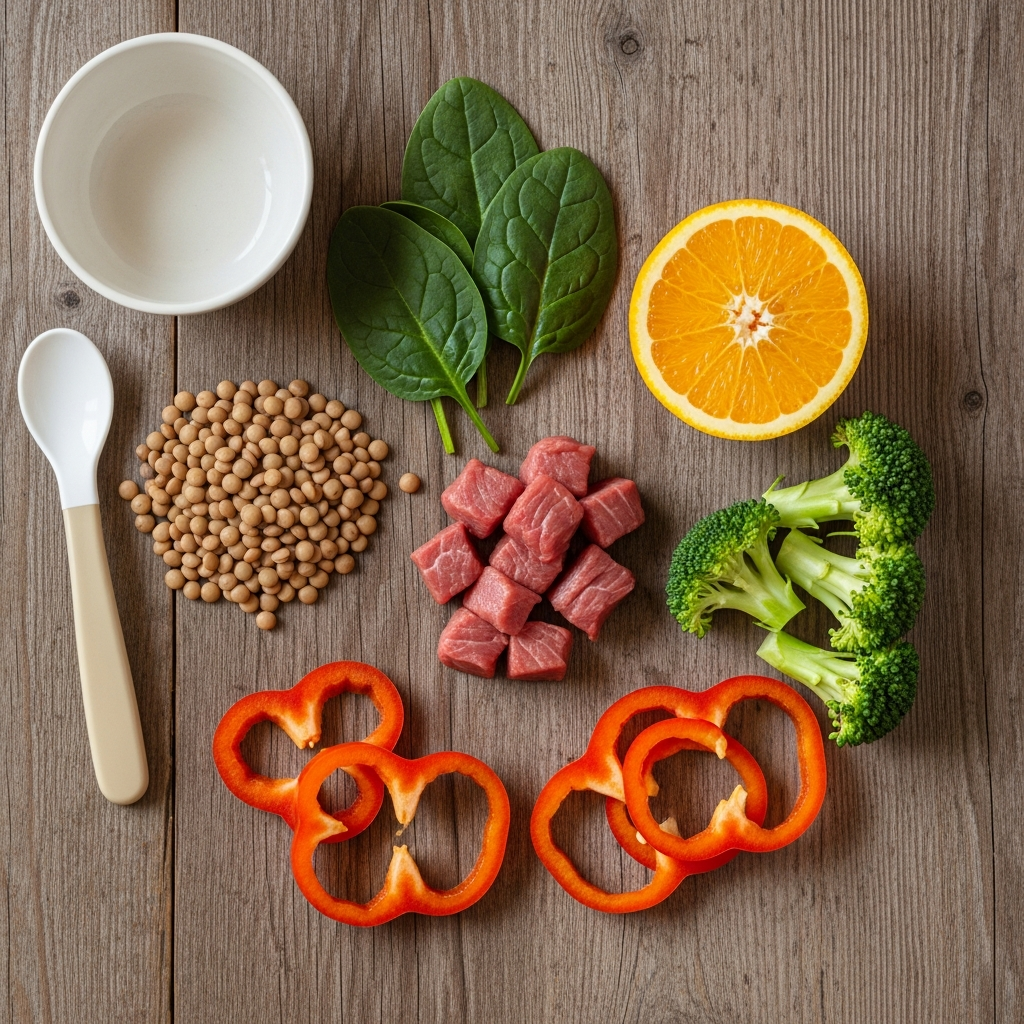
This is the most important nutritional synergy for babies. Vitamin C enhances the absorption of non-heme iron by converting it to a more absorbable form. This is especially critical for breastfed babies and those eating plant-based proteins.
Best iron + vitamin C baby food combinations:
- Beef + Tomato: Heme iron meets vitamin C powerhouse
- Lentil + Bell Pepper: Plant iron with absorption boost
- Spinach + Orange: Dark leafy iron with citrus
- Chicken + Broccoli: Complete protein with vitamin C vegetable
Fat-Soluble Vitamin Pairings
Vitamins A, D, E, and K require dietary fat for your baby to absorb them. Without fat, these nutrients pass through unused. Strategic pairings ensure your baby gets the full benefit:
- Carrot + Avocado: Beta-carotene (vitamin A precursor) needs fat for absorption
- Sweet Potato + Olive Oil: A drizzle transforms nutrient availability
- Spinach + Egg Yolk: Vitamins K and A meet healthy fats
- Mango + Coconut: Tropical vitamin A with medium-chain fats
Brain-Boosting Nutrient Combinations
Your baby's brain develops rapidly during the first year. These combinations deliver nutrients specifically linked to cognitive development:
- Salmon + Sweet Potato: Omega-3 DHA plus complex carbohydrates
- Egg + Vegetable: Choline (crucial for memory) with fiber
- Beef + Pumpkin: Iron and zinc together support cognitive function
- Avocado + Banana + Blueberry: Healthy fats, potassium, and antioxidants
Storage, Freezing, and Batch Cooking Combination Purees
Making baby food combinations in batches saves time and ensures you always have nutritious options ready. Proper storage maintains both safety and quality.
Safe Storage Guidelines for Mixed Purees
According to food safety guidelines, homemade baby foods keep for 1-2 days in the refrigerator and 1-2 months in the freezer.
| Storage Method | Duration | Best For |
|---|---|---|
| Refrigerator (40F or below) | 1-2 days maximum | Portions for immediate use |
| Freezer (0F or below) | 1-2 months | Batch cooking, meal prep |
| Ice cube trays | 1-2 months frozen | Flexible portion sizes |
Combinations that freeze well (store 1-2 months):
- Most fruit and vegetable purees
- Meat and poultry combinations
- Legume-based purees (lentils, beans)
- Grain combinations (quinoa, oat blends)
Combinations to make fresh:
- Anything with avocado (browns when frozen)
- Banana-heavy combinations (texture changes)
- Yogurt-based blends
Batch Cooking Strategies for Busy Parents
Dedicate one hour weekly to prep, and you will have combination baby food ready for days:
- Sunday prep: Steam 3-4 vegetables and 2 fruits in batches
- Cool and blend: Create base purees from each ingredient
- Combine and portion: Mix your planned combinations
- Freeze in cubes: Pop into labeled freezer bags
- Daily assembly: Thaw 2-3 cubes overnight for next day

Frequently Asked Questions About Baby Food Combinations
What foods can you mix together for baby?
You can mix most fruits, vegetables, proteins, and grains together for baby food. Popular combinations include sweet potato with apple, chicken with vegetables, and lentils with carrot. Start with two ingredients and gradually increase complexity. Avoid mixing honey (unsafe under 12 months) or choking hazards like whole nuts. Always introduce single ingredients first before combining to identify any allergies.
When can babies have combination purees?
Most babies can start combination purees around 6-8 months old, after successfully tolerating several single-ingredient purees. Wait 2-3 days between new single ingredients to identify allergies before combining foods. Signs of readiness include accepting multiple single foods without reactions and showing interest in varied tastes and textures.
Can you mix fruits and vegetables for baby food?
Yes, mixing fruits and vegetables is safe and beneficial for babies. Fruit-vegetable combinations like carrot with apple or spinach with banana help babies accept vegetables by balancing flavors naturally. Start with a 1:1 ratio and adjust based on your baby's preferences. These combinations provide diverse nutrients in a single serving.
What is the best combination baby food for beginners?
The best beginner combinations include sweet potato with apple, butternut squash with pear, and carrot with banana. These pairings feature mild flavors, smooth textures, and natural sweetness that appeal to most babies. Once accepted, gradually introduce more diverse combinations with vegetables, proteins, and herbs.
Can you mix meat with fruit in baby food?
Yes, mixing meat with fruit is safe and often improves acceptance. Combinations like chicken with apple or turkey with pear help mask the stronger taste of meat while adding nutritional variety. The natural sweetness of fruit complements savory proteins. This technique is commonly used in commercial stage 2 baby foods.
How do you make stage 2 baby food combinations at home?
To make homemade stage 2 combinations, steam or roast vegetables and fruits until soft, then blend with a small amount of liquid (breast milk, formula, or water) until slightly textured but not completely smooth. Combine two or three ingredients that complement each other, such as carrot with mango or chicken with sweet potato and peas.
How long do combination baby food purees last?
Homemade combination purees last 1-2 days in the refrigerator and 1-2 months in the freezer. Store in airtight containers or ice cube trays for portion control. Always label with the date and ingredients. Thaw frozen purees in the refrigerator overnight or in warm water, and use within 24 hours of thawing.
What are some unexpected baby food combinations that work?
Surprisingly delicious combinations include beet with blueberry (antioxidant-rich), sweet potato with coconut and mild curry, apple with fennel, and carrot with ginger and mango. Babies often accept bold flavors better than adults expect. These unexpected pairings expand palate development and provide diverse nutrients.
Start Your Baby Food Combination Journey Today
Creating combination puree recipes for baby opens a world of flavors, nutrients, and culinary adventure for your little one. By understanding when to introduce baby food combinations, which flavor pairings work best, and how nutritional synergies maximize every spoonful, you are setting your child up for a lifetime of healthy eating habits.
Remember these key takeaways:
- Wait until your baby has tolerated several single-ingredient purees before mixing baby purees
- The "flavor window" between 6-18 months is your opportunity to introduce diverse tastes
- Unexpected combinations like beet and blueberry are not only safe but often preferred by babies
- Pairing iron-rich foods with vitamin C dramatically increases nutrient absorption
- Batch cooking combination baby food saves time while ensuring nutritious meals
Do not be afraid to experiment. Your baby's palate is more sophisticated than you might think, and early exposure to varied baby food flavor combinations helps prevent picky eating later. Whether you try a classic sweet potato and apple blend or venture into global-inspired territories with curry-spiced purees, every new combination is a step toward raising an adventurous eater.
Dress Your Little One for Mealtime Adventures
Messy mealtimes are part of the fun! PatPat offers adorable, easy-to-clean bibs and feeding accessories perfect for your baby's culinary explorations. Explore our collection of practical and stylish baby essentials designed for real family life.
Disclaimer: This article provides general information about baby food combinations. Always consult your pediatrician before introducing new foods, especially if your baby has allergies or health concerns. Every baby is unique, and your healthcare provider can offer personalized guidance for your child's nutritional needs.




