


Remember when Valentine's Day meant spontaneous dinner reservations at that restaurant you both loved? When you could spend an hour getting ready, slip into something that was not covered in spit-up, and stay out past 9 PM without checking your phone every five minutes? Now, your first Valentine's Day with baby looks dramatically different. The lingerie drawer has been replaced by nursing bras, "sleeping in" means 7 AM, and the most romantic thing your partner can do is handle the midnight feeding so you can get four consecutive hours of sleep.
If you are nodding along while simultaneously bouncing a baby or hiding in the bathroom for two minutes of peace, you are not alone. Valentine's Day as parents hits different, and that bittersweet feeling of missing "the old days" is something millions of couples quietly experience every February. At PatPat, we understand that parenthood transforms every aspect of life, including how you celebrate love.
Here is the truth that nobody puts on a Valentine's card: different does not mean less meaningful. While Valentine's Day undeniably changes after you become a parent, these changes often reveal a deeper, more resilient form of love. This is love that encompasses not just romance, but partnership, sacrifice, and the shared joy of building a family together.
In this guide, you will discover why this shift happens (backed by science), how to navigate the emotional complexity, practical ways to celebrate love in this new season, and ideas for keeping romance alive while fully embracing family life.
How Valentine's Day Transforms After Having Kids
The transformation is real, and understanding it is the first step toward embracing your new normal. Let us explore exactly how this beloved holiday evolves when little ones enter the picture.
The Shift from Romantic Couple to Parenting Team
Before baby arrived, Valentine's Day centered entirely on your romantic identity as a couple. Surprise gifts, candlelit dinners, and spontaneous weekend getaways were all possibilities. Your calendar was yours to control, and expressing love meant grand gestures focused solely on each other.
After baby? Celebrations require military-level planning. You need to coordinate feeding schedules, arrange childcare, pack diaper bags, and mentally prepare for the possibility that plans will change at any moment. Many couples report feeling more like "business partners" managing household operations than romantic partners.
This shift is backed by research. According to the Gottman Institute, 67% of couples experience a significant drop in relationship satisfaction in the first three years after having a baby. This is not because you love each other less. It is because your energy, attention, and identity are being redistributed.
Missing pre-baby Valentine's Days is healthy and completely normal. It does not mean you love your family any less. It simply means you are human, adjusting to one of life's biggest transitions.
From Spontaneous Romance to Scheduled Connection
The reality of romance after kids involves babysitters booked weeks in advance, working around feeding schedules and nap times, and managing bone-deep exhaustion that makes even the thought of "going out" feel overwhelming.
Consider this common scenario: You want to book a nice restaurant for Valentine's Day. First, you need to find and confirm a babysitter. Then check if the timing works with baby's bedtime routine. Calculate whether you will both be too tired to enjoy it. Factor in pumping schedules if breastfeeding. Suddenly, "let's just stay home" becomes the genuinely preferred option.
Romance gets redefined in surprising ways. A partner who handles the 3 AM feeding without being asked? That is romantic. Finding a note in the diaper bag instead of a fancy card? That counts. Ordering takeout from your pre-baby favorite restaurant and eating it on the couch after bedtime? That is a date night now. And honestly, it can be just as meaningful.
Why Romance Feels Different After Becoming a Parent
Understanding the science behind these changes can help you stop blaming yourself or your partner. Your bodies and brains are literally wired differently now.
The Science Behind Relationship Changes After Baby
Several biological factors contribute to feeling disconnected from your pre-baby romantic self:
Hormonal Shifts: Oxytocin, often called the "love hormone," plays a fascinating role after baby arrives. Research from Florida Atlantic University shows that oxytocin plays a fundamental role in parent-infant bonding. For birthing parents especially, this bonding hormone redirects focus toward the baby, which is biologically protective and important, but can temporarily shift attention away from the romantic relationship.
Sleep Deprivation Effects: This one cannot be overstated. According to research published in the Journal of Sleep Research, sleep loss has a moderate positive effect on negative mood and a large negative effect on positive mood. Research also shows that sleep-deprived parents may display harsher and more reactive behavior and struggle to flexibly adapt to needs, including their partner's.
The "Touched Out" Phenomenon: If you flinch when your partner tries to hug you after a day of constant physical contact with your baby, you are experiencing something real. Psychologists describe being "touched out" as a temporary state of being overwhelmed by physical contact. Between nursing, holding, and comforting, many parents reach a point where their bodies simply cannot handle more touch.
Redefining What "Romantic" Actually Means
Pre-baby romance typically meant flowers, expensive dinners, and grand gestures. Post-baby romance often looks completely different:
- Your partner letting you sleep while they handle the early morning shift
- A cup of coffee brought to you without asking
- Taking the baby for a walk so you can shower in peace
- Handling the mental load of pediatrician appointments without prompting
- A text saying "I see how hard you're working. You're amazing."
Research on love languages shows that acts of service often become the primary way new parents express and receive love. Noticing these "small" gestures as romantic requires a mindset shift, but it is worth making. That shift can transform your entire perspective on Valentine's Day as parents.
Keeping Romance Alive After Having a Baby
Keeping romance alive after baby does not require expensive babysitters or elaborate plans. It requires intentionality and a willingness to redefine what connection looks like.
Small Gestures That Matter More Than Grand Plans
1. The 6-Second Kiss Rule
Dr. John Gottman's research found that six seconds of intentional intimacy is enough to trigger the release of oxytocin. A six-second kiss is long enough to feel genuinely connected but short enough to fit into the chaos of parenting. Make it a daily ritual, not just a Valentine's Day thing.
2. Appreciation Texts Throughout the Day
Quick messages acknowledging what your partner does make an enormous difference. "I saw you handle that meltdown with so much patience" or "Thanks for making sure we had diapers" are small but powerful.
3. The Gift of Time
According to a TODAY survey, the gift of a nap is more desirable than jewelry for most parents. Let your partner sleep in on Valentine's morning. It might be the most romantic gesture possible.
4. Physical Touch Beyond Intimacy
Hand-holding during a TV show, a back rub while standing in the kitchen, sitting close on the couch. Rebuild physical connection without any pressure for it to lead anywhere else.
5. Weekly "State of the Union" Check-ins
Fifteen minutes of conversation about feelings, not logistics. How are you really doing? What do you need this week? This creates emotional intimacy that fuels everything else.
Finding Connection in the Chaos of Parenthood
Connection does not always require dedicated couple time. Look for these micro-moments:
- Eye contact and a smile over the baby's head during a feeding
- Shared laughter when parenting goes hilariously wrong
- A squeeze of the hand when passing each other in the hallway
- Texting memes to each other about parenting struggles
Creating "couple time" within family time is also valuable. After-bedtime rituals matter. Even if you are both exhausted, sitting together for twenty minutes with phones down counts. "Parallel play" (being in the same room doing different things) still counts as quality time. You do not always need conversation to feel connected.

Valentine's Day Ideas for New Parents
Celebrating Valentine's Day for new parents does not mean choosing between romance and reality. These ideas work with your current season of life.
At-Home Valentine's Day Celebrations After Bedtime
Couch Picnic Date Night: Order from your favorite restaurant (or the one you loved pre-kids). Lay out blankets, light candles, and commit to phone-free time. Dress up even a little to mark the occasion as special.
Memory Lane Evening: Pull out photos from your dating days and early relationship. Share favorite memories and remind each other why you fell in love. Compare those moments to new favorites with your baby.
Spa Night at Home: Face masks, foot rubs, and relaxing music. Perfect for exhausted parents who need rest and relaxation more than stimulation.
Letter Writing Exchange: Write what you appreciate about how your partner has grown, both as a partner and as a parent. Keep these letters to read during difficult seasons.
Including Baby in Your Valentine's Celebration
Family Photo Session at Home: Dress everyone in coordinating outfits for sweet family photos. For these special moments, soft, comfortable baby clothes make all the difference. You can find a wonderful collection of baby clothes that photograph beautifully while keeping your little one comfortable throughout the shoot. Create a Valentine's themed setup with simple red and pink decorations.
Heart-Shaped Breakfast Tradition: Make heart-shaped pancakes or toast as a family. Start a tradition your baby will grow into and remember for years to come.
Valentine's Crafts Together: Create handprint hearts from baby for a keepsake. Make cards for grandparents featuring baby's footprints. These become treasured memories.
Cozy Family Movie Night: Watch family-friendly films together, even if baby will not remember. A cozy family evening calls for comfort, and bamboo baby clothes are perfect for snuggle sessions. The ultra-soft fabric is gentle on sensitive baby skin, and parents love how bamboo keeps little ones comfortable without overheating.
Valentine's Date Ideas Without a Babysitter
- Nap Time Date: Plan a special lunch during baby's nap. Prepare everything in advance to maximize couple time
- Backyard or Balcony Dinner: Baby monitor on, romantic setting outside. Candles, music, your favorite takeout
- Sunrise or Sunset Watching: You are probably up early anyway. Make it meaningful with coffee and quiet conversation
- Virtual Date Night: If one parent travels or childcare is impossible, order the same meal, video chat, and share the experience

Embracing the Beautiful Evolution of Love
The shift in how you celebrate Valentine's Day reflects something profound: your love is evolving, not diminishing.
From Romantic Love to Something Deeper
Witnessing your partner as a parent reveals dimensions of love you never knew existed. Seeing them comfort your crying baby at 3 AM hits different than any bouquet of flowers ever did. Watching them make your child laugh creates a warmth that fancy dinners never produced.
Shared purpose creates a profound bond. Building a family together is the ultimate "we" statement. You are not just partners anymore. You are a team creating a life, a home, a legacy. Romance evolves to include deep gratitude for the person standing beside you through sleepless nights and milestone celebrations alike.
The Valentine's Day couples on Instagram with babysitters and weekend getaways are not loving more than you are. They are just in a different chapter. Every season of love has its own beauty.
Creating New Valentine's Day Traditions as a Family
Traditions matter for both children and couple identity. Consider starting these practices:
- Annual Family Photo: Valentine's outfits every year. Watch how everyone grows through the photos
- Special Breakfast: Heart-shaped food every February 14th, no matter what
- Letter Exchange: Write letters to each other to open next Valentine's Day
- Giving Back: Donate to a cause you care about as a family tradition of love
These traditions grow with your family, eventually becoming something your children anticipate and carry into their own relationships.
What Parents Really Want for Valentine's Day
Let us be honest about what would actually make parents happy on February 14th. Spoiler alert: it is probably not chocolate.
According to a CBS News report on the Groupon parenting survey, the top things parents miss most include spending quality one-on-one time with their partner, going on romantic dates, and sleeping in. The same survey found that 79% of parents said they would prefer Valentine's Day not be about romance because they want to spend it as a family.
What Parents Actually Want:
- Time alone (individual recharge time, not necessarily together)
- Acknowledgment and appreciation for all they do
- Physical affection without any pressure
- A partner who handles the mental load without being asked
- Sleep. Honestly, just sleep.
Realistic Gift Ideas:
- A "sleep in" voucher good for any Saturday
- Taking baby out so your partner gets two hours of quiet
- A clean house and a full fridge
- Booking a future date night when babysitting becomes possible
- Heartfelt words of appreciation, spoken or written
Planning ahead for special moments? Comfortable, high-quality baby clothes that make daily life easier are gifts that keep giving throughout the year. That is practical love in action.
Navigating the Emotional Complexity
Valentine's Day can bring up complicated feelings for new parents. Let us address the harder parts honestly.
It's Okay to Grieve Your Pre-Baby Valentine's Days
Missing spontaneity and couple-focused celebrations is completely normal. Grief and gratitude can coexist. You can feel both profound love for your child and wistfulness for what your relationship used to look like. This does not mean you regret becoming a parent.
Allowing yourself to feel both emotions creates emotional health. You can love your child completely while also missing your pre-baby life. Acknowledging the loss makes space for appreciating new gains. Your relationship deserves mourning what it was while building what it can become.
When Valentine's Day Highlights Relationship Struggles
If Valentine's Day feels genuinely hard, not just different, you are not alone. Many couples hit rough patches after baby. The transition to parenthood is one of the most challenging relationship periods most couples face.
Signs that might warrant professional support:
- Persistent feelings of disconnection lasting months
- Resentment that does not fade with communication
- Unable to remember the last time you felt like a team
- Conflict that escalates rather than resolves
Seeking couples counseling or joining a new parent support group is a sign of strength, not weakness. Valentine's Day can be a catalyst for important conversations about what your relationship needs. Remember that struggling does not mean failing. It means you are in a demanding season that challenges even the strongest partnerships.
Embracing Valentine's Day in This New Chapter
Valentine's Day changes after becoming a parent. This is universal. But these changes reflect an evolution of love, not a diminishing. Small, consistent connection matters far more than grand gestures. Your "new normal" Valentine's Day can be deeply, beautifully meaningful.
Your love story did not end when you became parents. It expanded. The couple who used to share champagne at midnight now shares 3 AM feeding shifts, and somehow that sacrifice is champagne. Different? Yes. Less? Never.
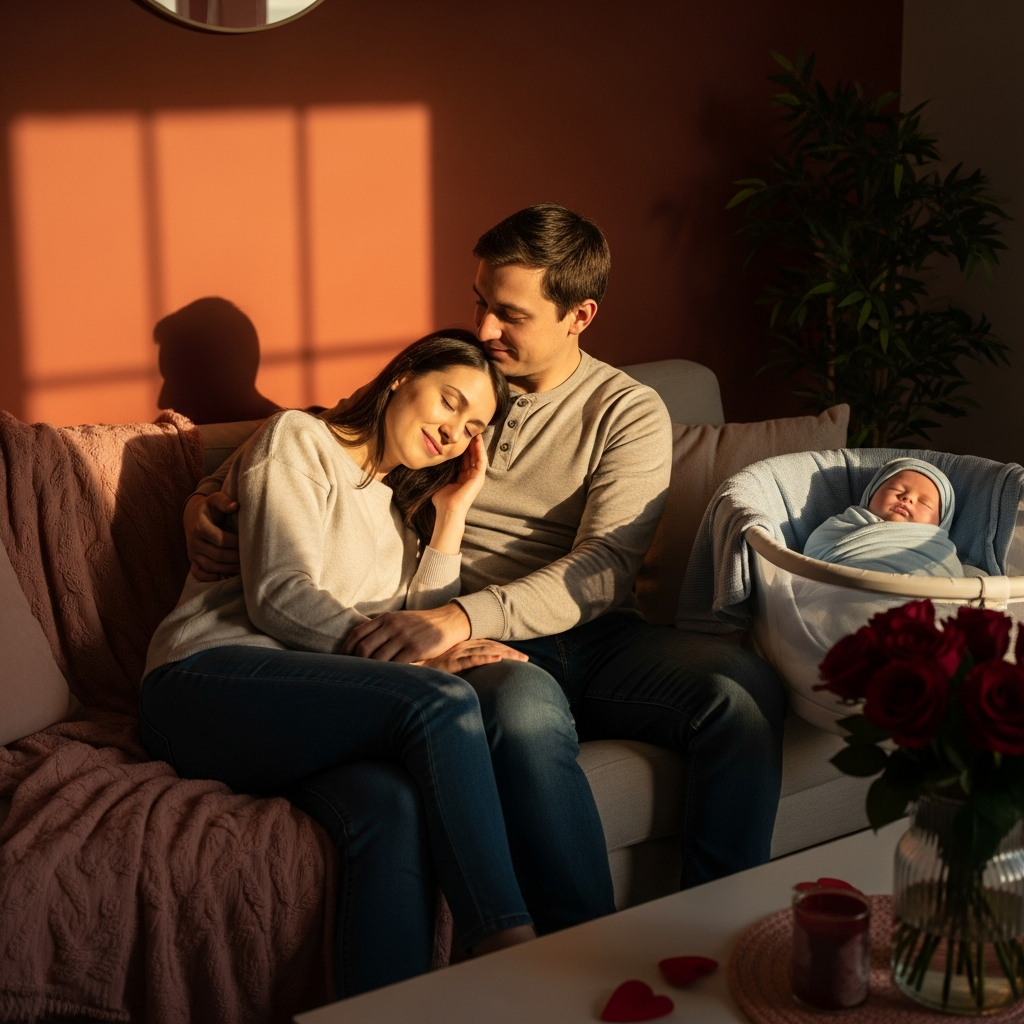
This Valentine's Day, embrace exactly where you are. Wear the stretchy pants. Do the at-home date. Look at your partner across the room where your baby sleeps and remember: this is what your love created. That is worth celebrating. PatPat celebrates families in all their beautiful, messy, exhausted glory. Because romance after kids is still romance. It just looks different now, and that is perfectly okay.
Keeping romance alive after baby is not about recapturing what you had before. It is about building something new together, something that includes the incredible humans you are raising. That is the most romantic thing of all.
Frequently Asked Questions
How does Valentine's Day change after you have kids?
Valentine's Day shifts from couple-centric romantic celebrations to family-focused expressions of love. Parents often transition from fancy dinners and spontaneous plans to at-home dates after bedtime, and many incorporate children into celebrations with traditions like heart-shaped breakfasts and Valentine's crafts. The focus expands from romantic love to include family love and partnership appreciation.
Is it normal to feel less romantic after having a baby?
Yes, this is extremely common. Research from the Gottman Institute shows that 67% of couples experience decreased relationship satisfaction after having a baby. Sleep deprivation, hormonal changes, and the demands of caring for a newborn naturally shift focus away from romance. This is typically temporary and improves with intentional connection and time.
How do you keep romance alive after having a baby?
Focus on small, consistent gestures rather than grand plans. Effective strategies include daily 6-second kisses, appreciation texts throughout the day, giving the gift of time like letting your partner sleep, maintaining physical affection without pressure, and scheduling weekly 15-minute emotional check-ins. These small efforts compound into meaningful connection.
What do parents really want for Valentine's Day?
According to parent surveys, practical gestures outrank traditional romantic gifts. Most parents would choose uninterrupted sleep over a romantic evening, and many prefer a clean house over expensive jewelry. The most valued gifts include time alone to recharge, a partner handling childcare independently, and simple acknowledgment and appreciation.
How do you celebrate Valentine's Day with a newborn?
Plan an at-home date after baby sleeps by ordering favorite takeout, setting up candles, and spending quality phone-free time together. Consider nap-time dates, memory lane evenings looking through old photos, or spa nights at home. Include baby in daytime celebrations with heart-shaped breakfast traditions or handprint craft keepsakes.
Should Valentine's Day be about your partner or your kids?
Many families successfully celebrate both. Create daytime family traditions with children such as special breakfast or Valentine's crafts while reserving evening time for couple connection after bedtime. Valentine's Day can honor romantic love between partners and the family love you have built together.
Why does my relationship feel different after having a baby?
This is a normal part of the transition to parenthood. Your identity shifts from "couple" to "parents," hormones redirect bonding focus toward your baby, sleep deprivation affects emotional connection, and the mental load of parenting consumes energy previously devoted to romance. Most couples find their relationship evolves into a deeper partnership over time.
How do you have a date night without a babysitter?
Try nap-time lunch dates, backyard or balcony dinners with the baby monitor nearby, after-bedtime couch picnics, or sunrise and sunset watching together. The key is creating intentional couple time within your current constraints rather than waiting for perfect conditions.



