


Does this sound familiar? You spend hours filling plastic eggs, hiding them around the yard, and within five minutes your kids have scooped them all up. The hunt is over, and somehow everyone looks a little disappointed. If your family's traditional Easter egg hunt has started to feel predictable, you're not alone.
Here's the good news: with a few creative twists, you can transform an ordinary egg hunt into an unforgettable adventure. These 10 creative Easter egg hunt ideas offer something for every family, whether you have toddlers just learning to search or teenagers who think they've outgrown the tradition. From magical glow-in-the-dark experiences to thoughtful candy-free alternatives, these Easter egg hunt variations will bring fresh excitement to your celebration.
Getting your family ready for an amazing Easter starts with preparation. That means having festive Easter outfits for kids ready for photos and planning activities that match your children's ages and interests. PatPat offers everything you need to make this Easter your most memorable yet.
Whether you're hosting a backyard gathering for multiple ages or planning an intimate hunt for your toddler, these unique Easter egg hunt ideas will help you create lasting family memories. Let's explore 10 fun Easter egg hunt variations that go far beyond the basics.
1. Glow-in-the-Dark Easter Egg Hunt for Magical Nighttime Fun
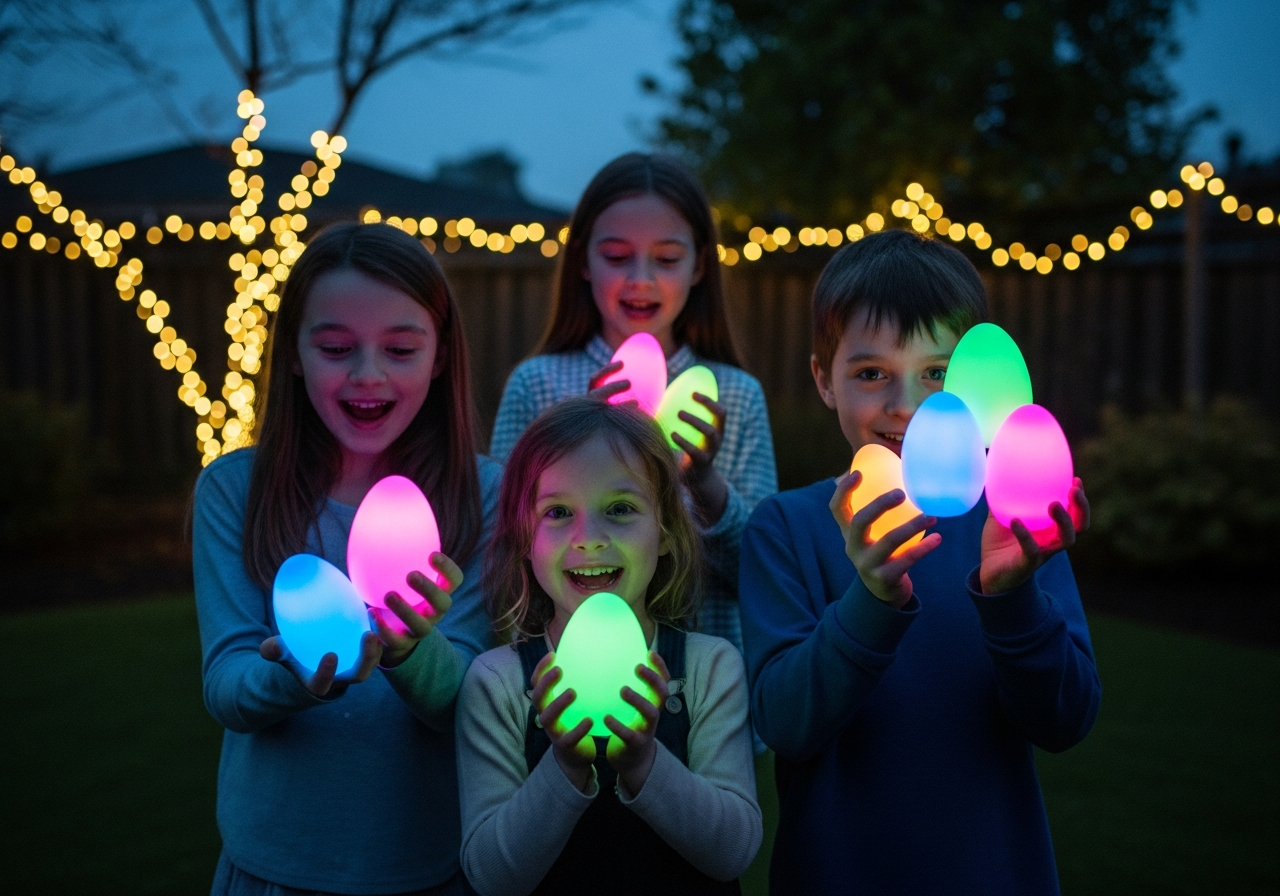
Want to create pure magic for your kids? Host your Easter egg hunt after sunset with a glow-in-the-dark Easter egg hunt. Watching children discover glowing treasures in the darkness creates an experience they'll talk about for years. This nighttime Easter egg hunt transforms your ordinary backyard into a wonderland of soft, colorful lights.
Essential Supplies for Your Nighttime Easter Egg Hunt
Creating the perfect glow-in-the-dark Easter egg hunt requires some special supplies:
- LED eggs: Reusable plastic eggs with built-in lights (best investment for yearly use)
- Glow sticks: Insert mini glow sticks into clear or white plastic eggs
- Glow-in-the-dark paint: Paint regular eggs for a softer, more ethereal glow
- String lights: Create ambiance and boundary markers
- Glow bracelets: Give each child one for visibility and as bonus prizes
Before the hunt, charge glow-in-the-dark items under bright light or direct sunlight for maximum brightness. Activate glow sticks just before hiding to ensure they last throughout the hunt.
Safety Tips for Glow Easter Egg Hunts
Nighttime hunts require extra safety precautions. According to safety experts, flashlights help parents keep an eye on children and assist kids who need extra help finding eggs in darker areas.
Key safety measures include:
- Walk the hunt area beforehand to remove tripping hazards
- Station adults with flashlights along boundaries
- Use string lights to mark safe zones
- Keep the hunt area contained and familiar
- Do a head count before and after the hunt
This variation works best for children ages 5 and older who can navigate safely in low light. Younger children can participate with a parent or older sibling as their "hunt buddy."
2. Easter Scavenger Hunt with Clues and Riddles

Transform your egg hunt into a brain-teasing adventure with an Easter scavenger hunt. Instead of simply spotting eggs, children follow a trail of clues and riddles that lead them from one location to the next. This approach engages their minds while building excitement toward a grand prize at the finish.
Research shows that scavenger hunts actively stimulate cognitive development by honing problem-solving abilities as kids decipher clues and strategize to overcome challenges. They also sharpen memory retention, a crucial cognitive skill for learning.
Creating Age-Appropriate Easter Scavenger Hunt Clues
The secret to a successful Easter scavenger hunt lies in matching clue difficulty to your children's ages:
Toddlers (Ages 2-4): Use picture clues showing the next location. A photo of the couch means "look under the couch cushions."
Young Kids (Ages 5-8): Create simple rhyming riddles like: "I'm cold inside and hold your treats, look where the milk and butter meets" (refrigerator).
Tweens (Ages 9-12): Design puzzle-based clues requiring multiple steps, like unscrambling letters or solving simple math problems.
Teens (Ages 13+): Challenge them with cryptic clues, QR codes, or multi-location treasure hunts spanning the whole house or yard.
Printable Riddle Ideas for Your Easter Hunt
Easter egg hunt riddles add educational value while keeping kids engaged. Here are sample Easter egg hunt clues for kids:
- "Where dirty clothes go to get clean, that's where the next egg will be seen" (laundry basket)
- "I have hands but cannot clap, I tell time without a nap" (clock)
- "Roses are red, violets are blue, look where Mom keeps her favorite shoe" (closet)
Create 8-12 clues for a satisfying hunt that lasts 20-30 minutes, with a special prize basket waiting at the final destination.
3. Indoor Easter Egg Hunt Ideas for Any Weather
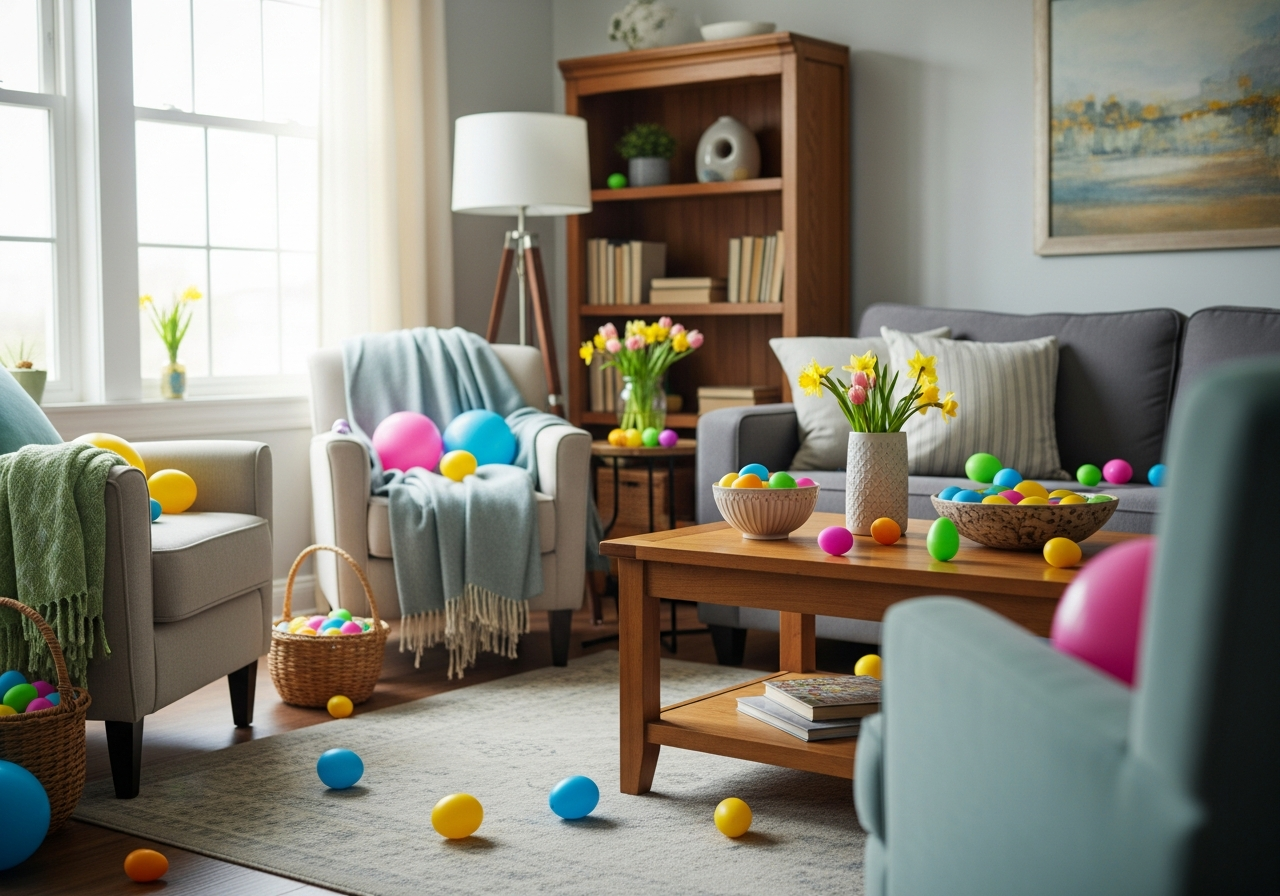
April showers can dampen outdoor plans, but they don't have to ruin your Easter celebration. Indoor Easter egg hunt ideas provide the perfect backup plan, and honestly, some families prefer them. An Easter egg hunt at home gives you complete control over the environment and eliminates weather worries entirely.
Best Hiding Spots for Indoor Egg Hunts
Indoor Easter egg hunts work brilliantly when you get creative with hiding spots:
Living room: Between couch cushions, behind picture frames, inside plant pots, on bookshelves, tucked into blanket folds.
Kitchen: In empty mugs, behind cereal boxes, in mixing bowls, inside the (unplugged) slow cooker.
Bedrooms: In shoes, under pillows, inside toy boxes, behind curtains.
Bathroom: In towel folds, behind the tissue box, inside empty containers (ensure they're clean and dry).
For a rainy day Easter egg hunt, increase difficulty by hiding eggs at various heights, using camouflage colors against matching backgrounds, or adding a "hot and cold" verbal guidance game.
Small Space Solutions for Apartment Egg Hunts
Limited square footage doesn't mean limited fun. Apartment dwellers can create engaging hunts by:
- Using smaller eggs to access tight hiding spots
- Focusing on one room at a time for "zone hunting"
- Hiding eggs inside containers, bags, or boxes for layered discovery
- Creating vertical hunts using stepladders and high shelves (with adult supervision)
- Incorporating furniture like fold-out couches or storage ottomans
4. Candy-Free Easter Egg Hunt Alternatives for Health-Conscious Families
More parents are searching for Easter egg hunt ideas without candy, and for good reason. According to the American Academy of Pediatrics and American Heart Association, children ages 2 to 18 should consume no more than 25 grams of added sugar per day. A candy-free Easter egg hunt helps families celebrate without the sugar overload.
Non-Candy Easter Egg Fillers Kids Actually Love
What to put in Easter eggs instead of candy? Plenty of exciting options exist:
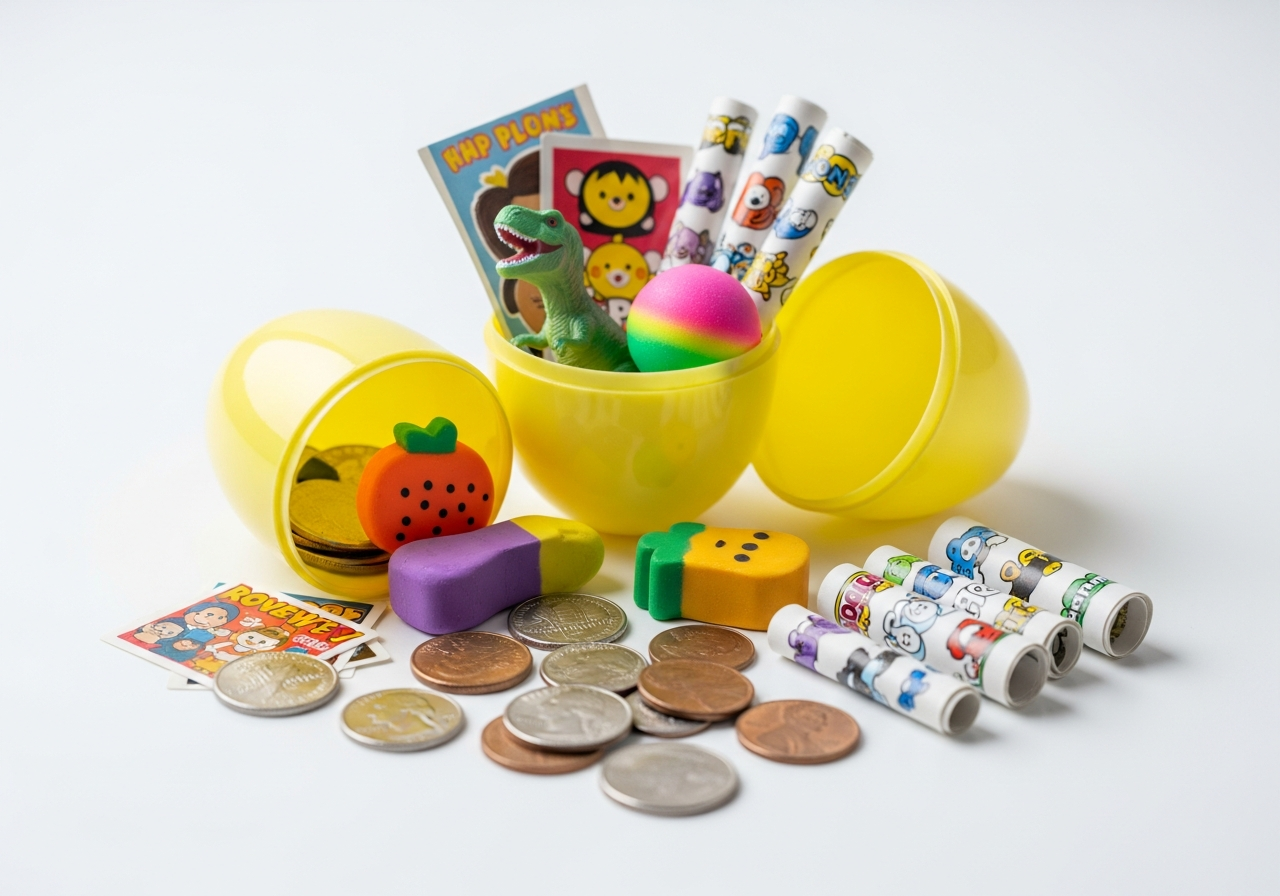
Small toys: Bouncy balls, mini figurines, temporary tattoos, stickers, stamps, erasers, slime pods
Art supplies: Crayons, mini markers, chalk pieces, small stencils
Money and coins: Quarters, dollar bills (folded small), play money for younger kids
Experience coupons: "Extra screen time," "Pick tonight's dinner," "Stay up 30 minutes late," "Choose the family movie"
Healthy snacks: Raisins, cheese crackers, fruit gummies, trail mix packets
Allergy-Friendly Easter Egg Hunt Ideas
For families managing food allergies, non-food prizes eliminate stress entirely. Consider these inclusive options:
- Hair accessories (clips, scrunchies, headbands)
- Mini building blocks or puzzle pieces
- Glow bracelets and rings
- Small notebooks or notepads
- Friendship bracelet kits
- Plastic animal figurines
This healthy Easter approach ensures every child can participate safely while still experiencing the joy of discovery.
5. Team Relay Easter Egg Hunt Games for Large Groups
Large family gatherings and community events need organized activities that engage everyone. Team Easter games like relay races bring competitive fun while ensuring fair participation across age groups.
How to Organize Team Competitions
For an Easter egg hunt for large groups, divide participants into teams of 4-6 members. Mix ages within each team so older kids can help younger ones. Assign each team a designated collection basket or bucket in their team color.
For team-based hunts, consider dressing siblings or team members in coordinating Easter outfits to easily identify groups during the relay.
Relay Race Rules and Variations
Try these exciting Easter egg hunt relay race variations:
Classic relay: One team member runs to collect an egg, returns to tag the next person, repeat until time runs out.
Egg and spoon: Participants must balance an egg on a spoon while walking to designated hunt zones.
Obstacle course: Add hurdles, cones to weave through, or tunnels to crawl under between collection points.
Point system: Assign different point values to egg colors (gold = 10 points, pink = 2 points) for strategic collecting.
Bucket brigade: Teams line up and pass eggs down the line into a collection bucket.
These Easter party games keep energy high while teaching teamwork and good sportsmanship.
6. Sensory-Friendly Easter Egg Hunt for All Abilities

Every child deserves to experience Easter magic. An inclusive Easter egg hunt accommodates different sensory needs, physical abilities, and developmental stages so no one gets left out. Creating an accessible Easter egg hunt takes thoughtful planning but rewards families with joyful participation from all children.
Accommodations for Different Sensory Needs
According to sensory processing experts, creating a comfortable experience means lowering noise levels by avoiding loud music or sudden sounds, and opting for pastels and natural tones instead of bright, flashing decorations.
Key accommodations for Easter for sensory kids include:
- Provide noise-canceling headphones at check-in
- Create a designated quiet zone with soft seating and fidget toys
- Offer visual schedules showing the event's sequence
- Use verbal and picture-based instructions before starting
- Allow early entry for families who prefer smaller crowds
Creating an Inclusive Easter Experience
Physical accessibility requires attention to hiding locations:
- Place eggs at wheelchair-accessible heights
- Create wide pathways between hunting zones
- Use beeping eggs for children with visual impairments
- Implement a buddy system pairing children who need assistance
- Celebrate individual achievements rather than competitive results
Advertising your event as an "all-abilities Easter hunt" helps families know they're welcome and encourages participation from the whole community.
7. Color-Coded Easter Egg Hunt by Age Group
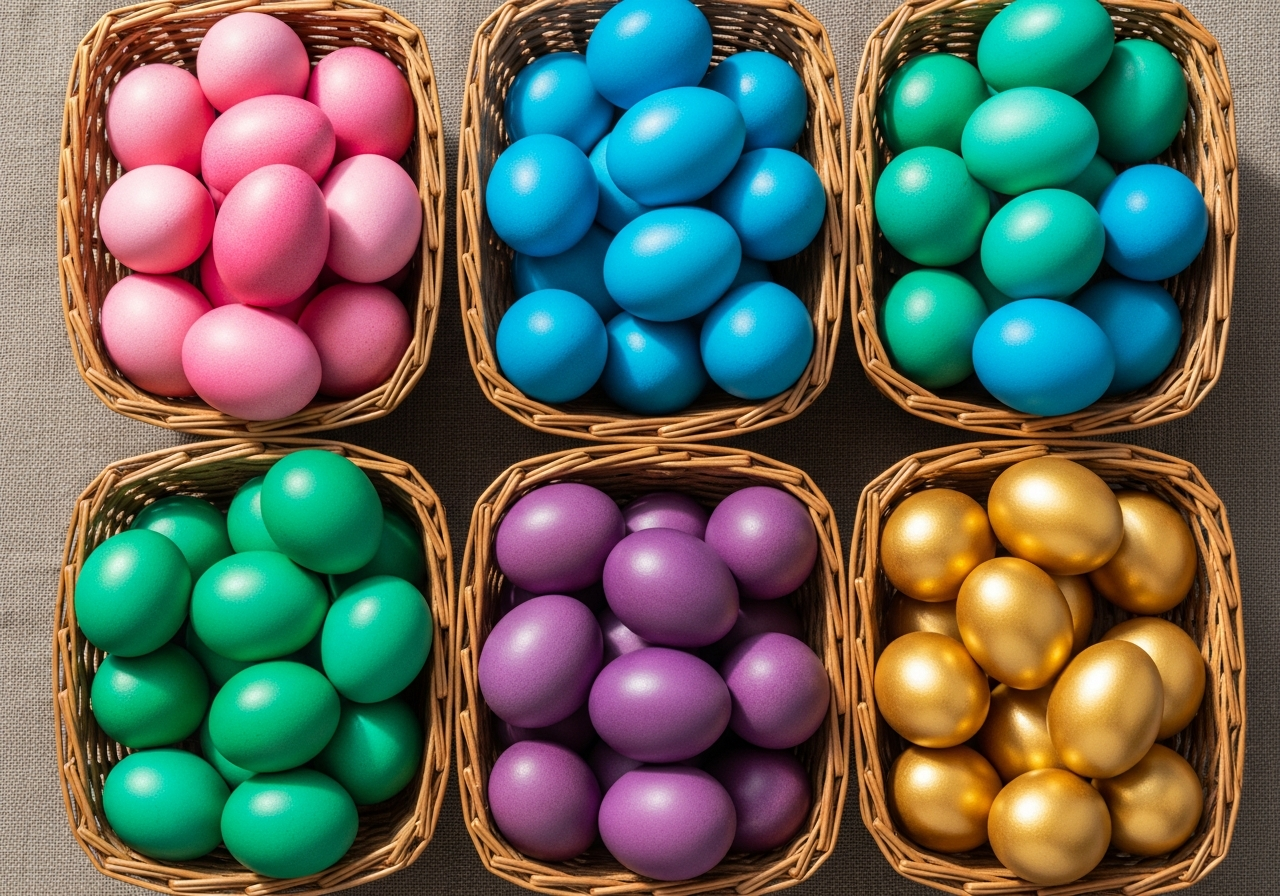
Here's a problem every parent knows: older kids zoom through the yard snatching eggs while toddlers are still figuring out what's happening. A color-coded egg hunt solves this fairness issue brilliantly, creating an Easter egg hunt for multiple ages where everyone gets appropriate challenges.
Assigning Colors to Different Age Groups
Create a clear color assignment system:
| Egg Color | Age Group | Number of Eggs |
|---|---|---|
| Pink | Toddlers (2-3 years) | 8-10 eggs |
| Blue | Preschoolers (4-5 years) | 10-12 eggs |
| Green | Elementary (6-9 years) | 12-15 eggs |
| Purple | Tweens (10-12 years) | 10-12 eggs |
| Gold | Teens (13+ years) | 8-10 eggs |
Before starting, clearly explain that each child hunts only for their assigned color. Make enforcement fun rather than restrictive.
Difficulty Levels Based on Hiding Spots
The color system works best when hiding difficulty matches age:
Easter egg hunt for toddlers (pink): Place eggs in plain sight at ground level or slightly elevated on low surfaces. According to toddler development experts, at this age you don't need to hide the eggs since visible placement is most appropriate.
Preschoolers (blue): Partially hidden behind plants, peeking from behind rocks, tucked into easy-to-reach spots.
Elementary (green): Hidden in bushes, under lawn chairs, inside planters, requiring some searching.
Easter egg hunt for older kids (purple/gold): Camouflaged eggs, high locations requiring climbing, cleverly tucked inside outdoor decorations.
8. Puzzle Piece Easter Egg Hunt for Extended Fun
Most egg hunts end within minutes. A puzzle Easter egg hunt extends the excitement by giving children a collaborative goal after collection. Each egg contains a puzzle piece, and only by working together can kids reveal the prize location or claim their reward.
Setting Up the Puzzle Hunt
Choose your puzzle based on participant ages:
- Ages 3-5: 12-piece puzzle with large pieces
- Ages 6-9: 24-48 piece puzzle
- Ages 10+: 50-100 piece puzzle or custom word puzzle
Disassemble the puzzle and place one piece in each egg. Scatter eggs throughout your hunt area. When children find eggs, they must bring pieces back to a central table to assemble the puzzle together.
Grand Prize Reveal Ideas
Make the completed puzzle meaningful:
- Picture puzzle: Shows an image of the grand prize location (like a treasure chest hidden somewhere specific)
- Map puzzle: Reveals a treasure map leading to a final prize basket
- Word puzzle: Spells out the reward ("MOVIE NIGHT" or "ICE CREAM PARTY")
- Photo puzzle: Family photo as the image, with the prize underneath when complete
This creative egg hunt idea teaches patience, cooperation, and delayed gratification, making it both fun and developmentally valuable.
9. Golden Egg Grand Prize Easter Hunt

Nothing builds anticipation like one special golden egg hidden among the ordinary ones. The golden egg hunt concept creates instant excitement, as every child hopes to be the lucky finder of the ultimate prize.
What to Put in the Golden Egg
The golden egg deserves something special:
- Gift cards ($10-25 for age-appropriate stores)
- Cash (for older kids)
- Experience vouchers (zoo tickets, movie passes, special outing)
- Larger toys that won't fit in regular eggs (certificate inside)
- Special privileges (choose dinner for a week, skip one chore)
Make finding the golden egg even more special by letting the winner choose their own Easter outfit as part of the grand prize package.
Multiple Prize Tier Ideas
For larger groups, create a tier system:
- Gold egg (1): Grand prize
- Silver eggs (2-3): Second-tier prizes (medium gift cards, special treats)
- Bronze eggs (4-5): Third-tier prizes (smaller rewards)
To ensure fairness across years, keep track of who finds special eggs and rotate opportunities. Some families have golden egg finders help hide it the following year.
10. Nature Adventure Easter Egg Hunt in the Great Outdoors
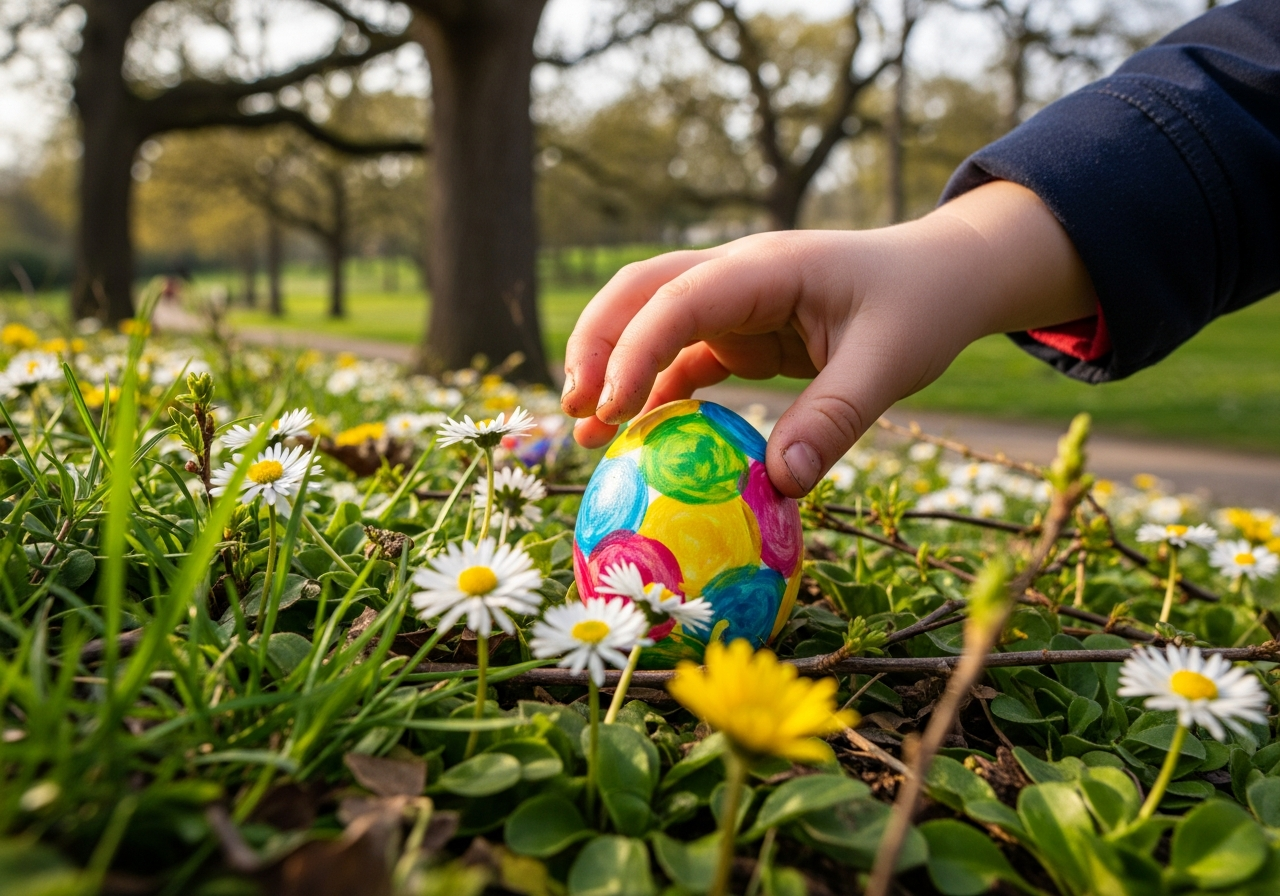
Take your egg hunt beyond the backyard with an outdoor Easter egg hunt adventure in natural settings. Parks, trails, and natural areas offer expansive hunting grounds while connecting children with nature during their holiday celebration.
The American Academy of Pediatrics notes that outdoor play is linked to health, lower stress, and greater mental well-being among children, making a nature Easter egg hunt doubly beneficial.
Best Outdoor Locations for Nature Hunts
Consider these backyard Easter egg hunt alternatives:
- Local parks: Open spaces with defined boundaries, picnic areas for post-hunt activities
- Nature trails: Create a linear hunt following a path (best for older kids)
- Botanical gardens: Check policies first; many allow organized hunts in designated areas
- Beaches: Use only plastic eggs and mark clear boundaries
- Farms: Many offer Easter events with egg hunts included
Combining Nature Education with Easter Fun
Make your eco-friendly Easter egg hunt educational:
- Include nature fact cards inside eggs
- Create a combined scavenger hunt (find an egg AND a pinecone)
- Add photo challenges (take a picture with your egg near something yellow)
- Include wildflower seeds as prizes to plant later
For outdoor adventure hunts, dress kids in comfortable, durable Easter outfits that can handle active play while still looking festive for photos.
Always practice Leave No Trace principles: collect all eggs (use bright colors for easy retrieval), pack out what you pack in, and leave natural areas as you found them.
Quick Planning Tips for a Successful Easter Egg Hunt
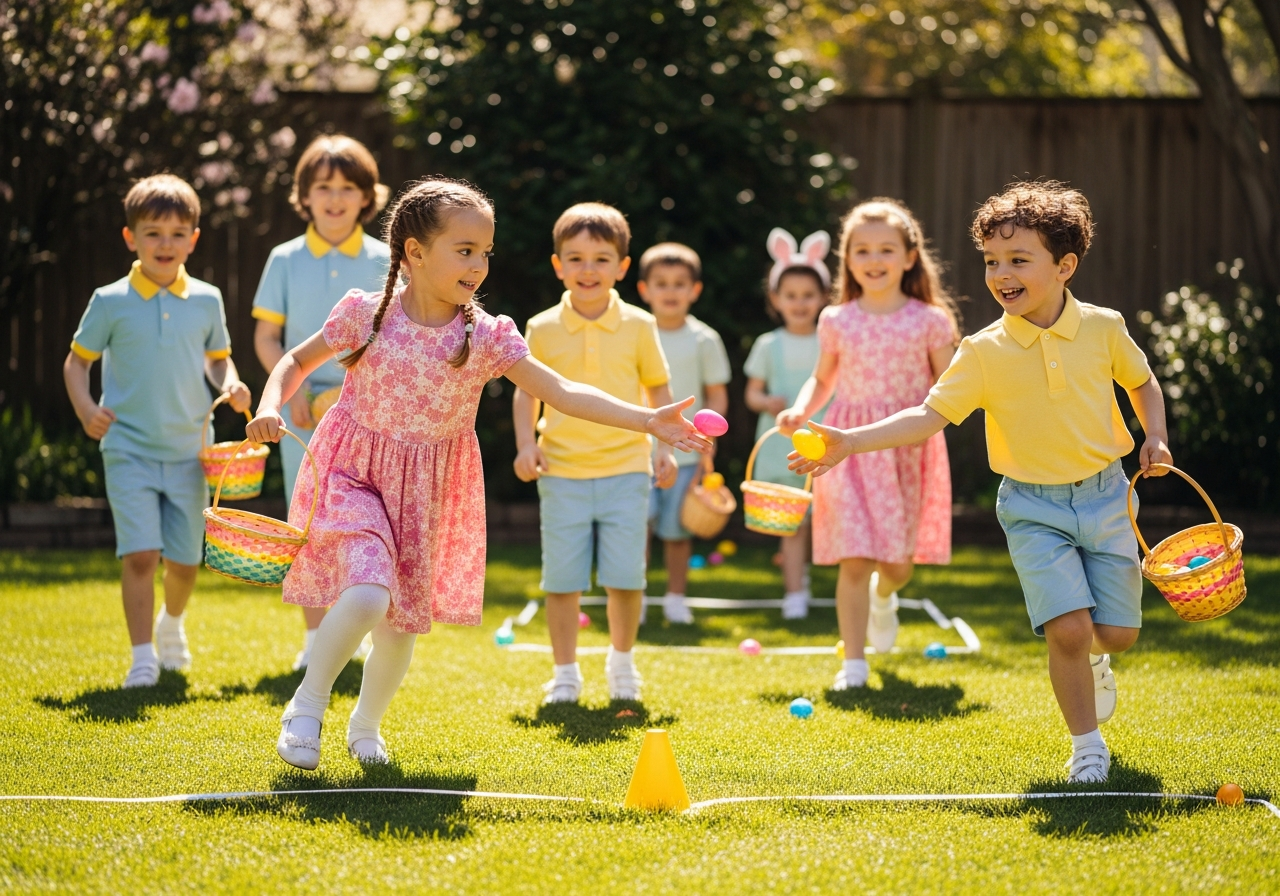
The best creative Easter egg hunts start with solid planning. Here's your essential checklist:
One week before:
- Choose your variation(s) and gather all supplies
- Count eggs (plan for 10-12 per child minimum)
- Prepare backup indoor locations in case of weather
- Fill eggs with candy alternatives or traditional treats
Day before:
- Scout hiding locations
- Charge any electronic items (LED eggs, flashlights)
- Prepare prizes and golden eggs
- Create any clues or riddles needed
Day of:
- Set clear rules before starting
- Explain any special instructions (color coding, team assignments)
- Have cameras ready for precious moments
- Keep extra eggs available for younger children who struggle
Timing guidelines: Toddler hunts last 10-15 minutes, elementary-age hunts work well at 20-30 minutes, and complex scavenger hunts with clues can entertain for 45 minutes to an hour.
Don't forget that preparation includes getting kids dressed for the occasion. Browse kids Easter outfits early to ensure arrival before the big day.
Frequently Asked Questions
How many Easter eggs should each child find?
The recommended number is 10-12 eggs per child for a satisfying hunt experience. For toddlers (ages 2-3), start with 6-8 eggs in easy-to-spot locations. Older children (ages 8+) can handle 15-20 eggs with more challenging hiding spots. For large groups with limited eggs, aim for a minimum of 6 eggs per participant to ensure everyone has a rewarding experience.
What can you put in Easter eggs instead of candy?
Popular candy-free Easter egg fillers include stickers, temporary tattoos, small erasers, coins, mini figurines, bouncy balls, hair clips, crayons, play dough, joke cards, coupons for privileges (screen time, choosing dinner), healthy snacks (raisins, goldfish crackers), puzzle pieces, and small building blocks. For older kids, consider gift cards, money, or experience tickets.
What age is best for Easter egg hunts?
Children can start participating in Easter egg hunts as early as 18 months to 2 years old with simplified hunts featuring visible, ground-level eggs. The prime years are ages 3-8 when excitement peaks. Tweens (9-12) enjoy hunts with added challenges like clues or competitions. Teens can participate in complex scavenger hunts or help organize activities for younger children.
How do you make an Easter egg hunt challenging for older kids?
Increase difficulty for older children by hiding eggs in camouflaged locations matching egg colors, creating riddle-based scavenger hunts, adding timed challenges, requiring puzzle completion to claim prizes, using GPS or QR code clues, implementing point systems with strategic egg values, and creating multi-step challenges where one egg leads to the next.
Can you do an Easter egg hunt indoors?
Yes, indoor Easter egg hunts work wonderfully as weather backups or for apartment dwellers. Hide eggs behind pillows, inside shoes, on bookshelves, under furniture edges, and in closets (at child-safe heights). Use room-by-room zones to control the hunt area. Indoor hunts can be just as exciting with creative hiding spots and added elements like hot/cold guidance clues.
How do you make an Easter egg hunt fair for different ages?
Use a color-coded system where each age group hunts for specific colored eggs hidden at appropriate difficulty levels. Toddler eggs (pink) are placed in plain sight at ground level, while teen eggs (gold) require searching high and in clever spots. This ensures everyone has age-appropriate challenges and prevents older children from grabbing all eggs first.
How long should an Easter egg hunt last?
For toddlers (ages 2-3), plan for 10-15 minutes before attention wanes. Children ages 4-7 can sustain interest for 20-30 minutes. Older kids and complex hunts with clues or challenges can last 45 minutes to an hour. Multiple rounds or variation combinations extend the fun. Watch for signs of fatigue and have a clear ending signal planned.
What are fun Easter egg hunt ideas for large family gatherings?
For large groups, try team relay races where groups compete to collect eggs, multi-round tournaments with different variations, age-divided zones with color-coded eggs, progressive hunts where completing one stage unlocks the next, and buddy system pairing older and younger children together. Assign clear boundaries, use plenty of eggs (15+ per child), and consider multiple simultaneous hunt areas.
Create Unforgettable Easter Memories This Year
Traditional Easter egg hunts hold a special place in our hearts, but these creative Easter egg hunt ideas prove that fresh twists make the tradition even more meaningful. Whether you choose a magical glow-in-the-dark hunt, an educational scavenger hunt with clues, or a thoughtful candy-free alternative, the goal remains the same: creating joyful family memories.
The best part? You can mix and match these Easter egg hunt variations to suit your family perfectly. Host an indoor color-coded hunt for the morning, then surprise everyone with a nighttime glow hunt after dinner. Combine a puzzle hunt with golden egg prizes for layers of excitement.
Whatever you choose, remember that preparation leads to success. PatPat hopes these Easter activities for kids inspire your most memorable family Easter celebration yet. Start planning now, gather your supplies early, and get ready for excited squeals of discovery when your children experience these creative Easter egg hunt ideas.
Happy hunting!


