


Are you ready to test your knowledge of one of the world's most spectacular celebrations? Whether you are planning a family game night, organizing a classroom activity, or simply curious about the rich traditions behind the Spring Festival, you have come to the right place. This comprehensive collection of Lunar New Year trivia questions and answers will transform your celebration into an unforgettable learning experience.
Here is something remarkable to consider: over two billion people worldwide celebrate Lunar New Year, making it one of the largest annual human celebrations on our planet. That is roughly a quarter of the entire global population coming together to welcome new beginnings, honor family traditions, and embrace hope for the year ahead.
Quick Answer: Lunar New Year 2026 falls on February 17, 2026, marking the Year of the Fire Horse. This guide contains 93+ trivia questions covering traditions, zodiac facts, food customs, celebration history, and fun facts for all ages.
What makes this year particularly special? The Fire Horse appears only once every 60 years, with the last Fire Horse year occurring in 1966. This makes 2026 a truly once-in-a-lifetime celebration for many families.
Throughout this guide, you will discover trivia questions perfect for young children learning about cultural traditions, challenging questions for adults who think they know everything about the zodiac, and plenty of fascinating facts that will surprise everyone. Celebrating together as a family creates memories that last forever, and what better way to bond than through playful learning?
What Makes Lunar New Year 2026 Special? Essential Facts to Know
Before diving into our trivia questions, let us establish some foundational knowledge that will help everyone appreciate the significance of this extraordinary celebration.
When Is Lunar New Year 2026?
Lunar New Year 2026 arrives on Tuesday, February 17, 2026. Unlike the fixed January 1st date of the Western New Year, Lunar New Year follows the traditional lunisolar calendar, meaning it falls on a different date each year, typically between January 21 and February 20.
The celebration traditionally lasts for 15 days, beginning with New Year's Day and culminating in the spectacular Lantern Festival on March 3, 2026. During this period, families gather for reunion dinners, exchange red envelopes, and participate in various customs designed to welcome good fortune while bidding farewell to the old year.
Why 2026 Is the Year of the Fire Horse
The Chinese zodiac operates on a fascinating 60-year cycle that combines 12 animals with five elements: wood, fire, earth, metal, and water. Each animal appears with a different element every 12 years, creating unique combinations that repeat only every six decades.
The Horse holds the seventh position in the zodiac cycle, and when paired with the Fire element, it creates what is known as Bing Wu in Chinese, the 43rd combination of the sexagenary cycle. Fire Horses are believed to possess exceptional passion, leadership qualities, and dynamic energy that set them apart from Horses born in other elemental years.
| Detail | Information |
|---|---|
| Date | February 17, 2026 |
| Zodiac Animal | Horse (7th position) |
| Element | Fire |
| Lucky Colors | Red, Yellow, Purple, Green |
| Lucky Numbers | 2, 3, 7 |
| Lantern Festival | March 3, 2026 |
| Previous Fire Horse Year | 1966 |
Year of the Horse Trivia Questions 2026
Let us start our Chinese New Year trivia journey with questions specifically about the magnificent Horse zodiac sign and the rare Fire Horse year we are about to celebrate.
Easy Horse Zodiac Questions for Beginners
These questions are perfect for anyone just beginning to learn about the Chinese zodiac system.
-
Q: What position does the Horse hold in the Chinese zodiac cycle?
A: Seventh. The Horse follows the Snake and precedes the Goat (Sheep) in the traditional order. -
Q: What recent years were Horse years?
A: 2014, 2002, 1990, 1978, and 1966 were all Horse years. -
Q: What element combines with the Horse in 2026?
A: Fire, making 2026 the Year of the Fire Horse. -
Q: Which directions are considered lucky for people born in Horse years?
A: South and Southwest are traditionally believed to bring good fortune to Horse-born individuals. -
Q: What are the lucky colors for the Horse zodiac sign?
A: Yellow, red, and purple are considered the most auspicious colors. -
Q: True or False: The Horse is known for being lazy in Chinese astrology.
A: False! Horses are renowned for their boundless energy, enthusiasm, and active nature. -
Q: In what season do Horse-born people typically thrive?
A: Summer is considered the most favorable season for those born in Horse years. -
Q: What lucky numbers are associated with the Horse zodiac?
A: The numbers 2, 3, and 7 are believed to bring good fortune to Horses.
Intermediate Questions About Horse Characteristics
Ready for something a bit more challenging? These questions explore the deeper meanings and beliefs associated with Horse-born individuals.
-
Q: What personality traits are commonly associated with people born in the Year of the Horse?
A: Energetic, independent, adventurous, spirited, and freedom-loving are the most frequently cited characteristics. -
Q: Which zodiac signs are considered most compatible with the Horse?
A: Tiger, Sheep (Goat), and Dog are believed to form harmonious relationships with Horses. -
Q: Which zodiac signs should Horses approach relationships with caution?
A: Traditional beliefs suggest Rat, Ox, and Rabbit may present challenges in relationships with Horses. -
Q: What career paths are believed to suit Horse-born individuals?
A: Travel-related professions, sports, journalism, entrepreneurship, and any field requiring independence and movement. -
Q: How often does the Fire Horse specifically appear in the zodiac cycle?
A: Every 60 years, making it one of the rarest zodiac combinations to experience. -
Q: What challenges are Horse-born people traditionally believed to face?
A: Impatience, difficulty with routine tasks, and a tendency toward restlessness are commonly mentioned.
Challenging Fire Horse Trivia for Experts
Think you know everything about the Fire Horse? These expert-level questions will put your knowledge to the test.
-
Q: What year was the last Fire Horse year before 2026?
A: 1966 was the previous Fire Horse year, making this a truly once-in-a-generation celebration. -
Q: In Japanese folklore, what superstition historically existed about Fire Horse women?
A: An old superstition suggested Fire Horse women were too strong-willed for marriage. This belief caused birth rates in Japan to drop by 25% in 1966. Fortunately, this superstition has largely faded in modern times. -
Q: What does the Chinese term "Bing Wu" refer to?
A: Bing Wu is the name for the Fire Horse year in the sexagenary (60-year) cycle of the traditional Chinese calendar. -
Q: According to the Five Elements theory, what qualities does Fire enhance in the Horse sign?
A: Fire amplifies the Horse's natural passion, strengthens leadership abilities, and intensifies dynamic energy.
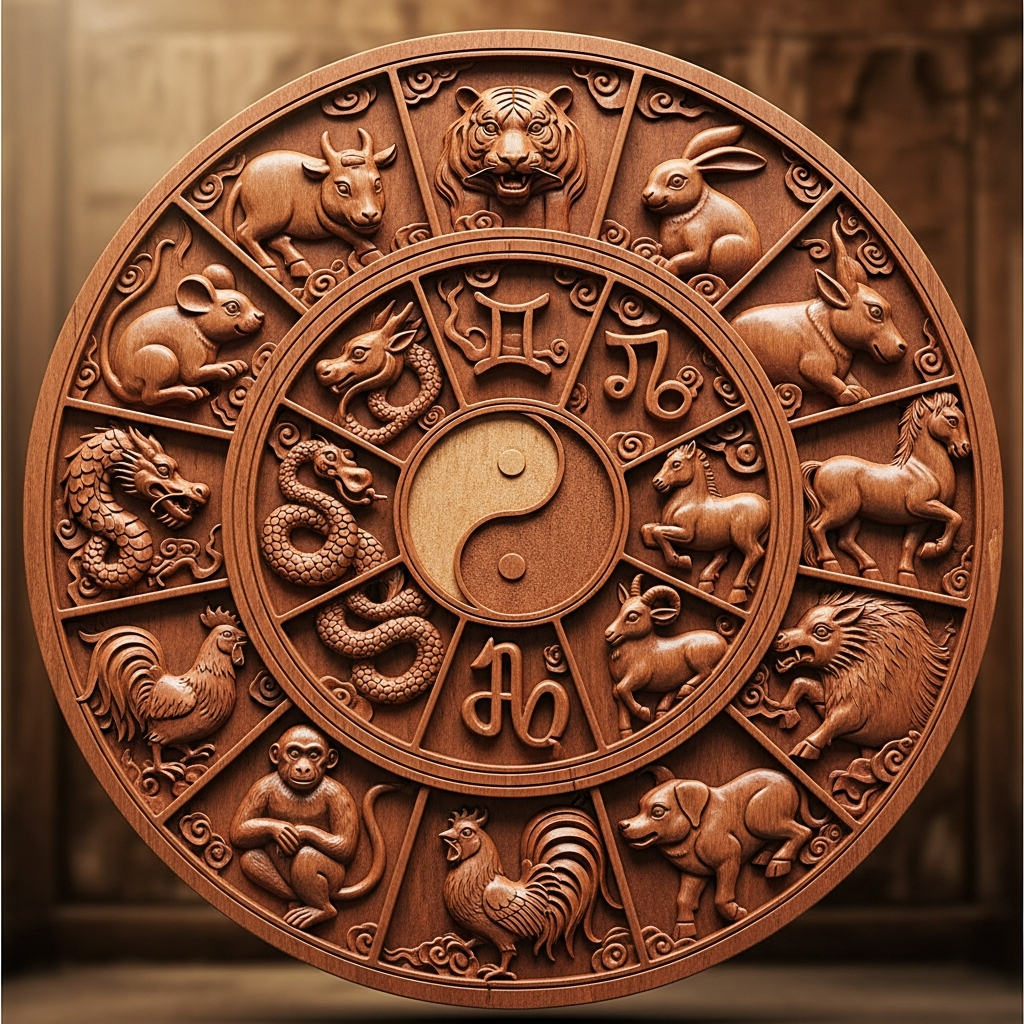
Chinese Zodiac Trivia Questions and Answers
Now let us expand our Lunar New Year quiz beyond the Horse to explore the complete zodiac system. These Chinese zodiac trivia questions cover all twelve animals and the fascinating elements that govern each year.
The 12 Zodiac Animals Quiz
-
Q: Can you name all 12 animals in the Chinese zodiac in their correct order?
A: Rat, Ox, Tiger, Rabbit, Dragon, Snake, Horse, Goat (Sheep), Monkey, Rooster, Dog, and Pig. -
Q: According to legend, which animal finished first in the Jade Emperor's Great Race?
A: The Rat, despite being the smallest participant. -
Q: Why did the Ox come in second place despite being one of the strongest and fastest animals?
A: The clever Rat hitched a ride on the Ox's back and jumped ahead just before crossing the finish line. -
Q: Which is the only mythical creature among the Chinese zodiac animals?
A: The Dragon is the sole mythological animal in the zodiac. -
Q: What animal is associated with wisdom and flexibility in Chinese astrology?
A: The Snake represents these qualities. -
Q: Which zodiac animal symbolizes loyalty and honesty?
A: The Dog embodies these virtuous traits. -
Q: What time of day is associated with the Tiger in traditional Chinese timekeeping?
A: 3:00 AM to 5:00 AM is known as the Hour of the Tiger. -
Q: Which animal is generally considered the most easygoing and harmonious with other signs?
A: The Pig is known for being compatible with nearly all other zodiac signs.
Five Elements and Their Meanings
Understanding the five elements adds another layer of complexity and meaning to Chinese astrology.
-
Q: What are the five elements in the Chinese zodiac system?
A: Wood, Fire, Earth, Metal, and Water. -
Q: How do the elements cycle with the zodiac animals?
A: Each element governs two consecutive years before cycling to the next, creating a complete 60-year cycle. -
Q: What qualities does the Fire element bring to any zodiac sign?
A: Passion, enthusiasm, natural leadership, and dynamic, action-oriented energy. -
Q: Which element is associated with creativity, growth, and new beginnings?
A: Wood represents these qualities of expansion and renewal. -
Q: What element represents determination, strength, and resilience?
A: Metal symbolizes these powerful characteristics.
Famous Personalities and Their Zodiac Signs
-
Q: Which famous scientist was born in a Year of the Horse?
A: Isaac Newton (1642, Water Horse) revolutionized our understanding of physics and mathematics. -
Q: What zodiac sign does action star Jackie Chan share?
A: Horse (born 1954, Wood Horse). -
Q: Which popular musician was born in the Year of the Snake?
A: Taylor Swift (born 1989, Earth Snake). -
Q: Name a famous person born in the Year of the Dragon.
A: Examples include Bruce Lee, Sandra Bullock, and Rihanna.
Lunar New Year Traditions Trivia for Families
The traditions surrounding Lunar New Year are rich with meaning and symbolism. This section of Chinese New Year traditions trivia will help your family understand the "why" behind beloved customs.
Red Envelope (Hongbao) Customs Quiz
Few traditions are as beloved as the exchange of red envelopes. These questions explore the fascinating customs and etiquette surrounding this practice.
-
Q: What is the Chinese name for the red envelopes given during Lunar New Year?
A: Hongbao (also called lai see in Cantonese or ang pau in other dialects). -
Q: Who traditionally gives red envelopes to whom?
A: Elders and married couples traditionally give red envelopes to children, unmarried young adults, and those under 25 (or 30 in some northern regions). -
Q: What amount of money should be avoided when filling red envelopes?
A: Any amount containing the number 4, which sounds like the word for "death" in Chinese. -
Q: Why are even numbers preferred for red envelope amounts?
A: Even numbers, especially 6 (symbolizing smooth progress) and 8 (symbolizing prosperity), represent balance and good fortune in pairs. -
Q: What should you never do immediately after receiving a red envelope from the giver?
A: Open it in front of them. It is considered impolite and shows excessive interest in the money rather than the gesture. -
Q: How has the red envelope tradition evolved in the digital age?
A: WeChat recorded 14.2 billion digital red envelope transactions on Lunar New Year's Eve in 2017, showing how technology has modernized this ancient tradition.
Lucky Foods and Their Symbolic Meanings
-
Q: Why are dumplings (jiaozi) traditionally eaten during Lunar New Year?
A: Their shape resembles ancient Chinese gold ingots, symbolizing wealth and prosperity for the coming year. -
Q: What does eating long noodles during the celebration symbolize?
A: Longevity. The longer the noodle, the longer life you are wishing for. It is considered bad luck to break or cut them! -
Q: Why is whole fish served at the reunion dinner?
A: The Chinese word for fish (yu) sounds like the word for "surplus" or "abundance." A whole fish represents completeness and the wish for prosperity. -
Q: What does niangao (sticky rice cake) represent?
A: "Higher year after year," symbolizing growth, advancement, and improvement in all aspects of life. -
Q: Why are oranges and tangerines displayed and gifted during Lunar New Year?
A: Their Chinese names sound similar to words meaning "gold" and "luck," making them powerful symbols of fortune. -
Q: What foods should you avoid eating on the first day of Lunar New Year?
A: Porridge (historically associated with poverty) and meat (showing respect for living creatures on this sacred day). -
Q: What do spring rolls symbolize in Lunar New Year feasts?
A: Wealth and prosperity, as their golden, cylindrical shape resembles gold bars.
Decorations and Symbols Trivia
-
Q: Why is the Chinese character "fu" (meaning fortune or blessing) often hung upside down?
A: The word for "upside down" (dao) sounds identical to "arrived," so an inverted fu means "fortune has arrived!" -
Q: What do spring couplets (chunlian), the red banners with gold writing, typically wish for?
A: Good fortune, happiness, prosperity, health, and longevity for the household. -
Q: What colors should never dominate Lunar New Year decorations?
A: White and black, which are traditionally associated with mourning and funerals in Chinese culture. -
Q: What is the traditional purpose of firecrackers during the celebration?
A: To scare away evil spirits, bad luck, and the legendary monster Nian. -
Q: What flowers symbolize prosperity and are popular during the holiday?
A: Plum blossoms (perseverance and hope), orchids (refinement), and peonies (wealth and honor).
Speaking of traditions, many modern families have embraced a beautiful new custom: wearing coordinated outfits for Lunar New Year gatherings and family photos. Matching family outfits in auspicious colors like red, gold, or the lucky greens and purples for 2026 create a wonderful sense of unity and make celebration photos truly memorable.

Easy Lunar New Year Trivia Questions for Kids
Children love learning about Lunar New Year, especially when presented as a fun game! These Lunar New Year trivia questions for kids are designed to be engaging and educational for young minds.
Simple Questions for Young Children (Ages 4-7)
Start with these basic questions to build foundational knowledge and excitement.
-
Q: What color is very lucky during Chinese New Year?
A: Red! You will see it everywhere, from decorations to envelopes to clothing. -
Q: What animal is 2026 in the Chinese calendar?
A: The Horse! It is strong, fast, and full of energy. -
Q: How many animals are in the Chinese zodiac?
A: 12 animals take turns being the animal of the year. -
Q: What do children receive in special red envelopes?
A: Lucky money! It is a gift for good fortune and blessings. -
Q: What loud noise scares away bad luck?
A: Firecrackers! Pop, pop, pop go the bad spirits away! -
Q: What special dance features a big, colorful creature that takes many people to perform?
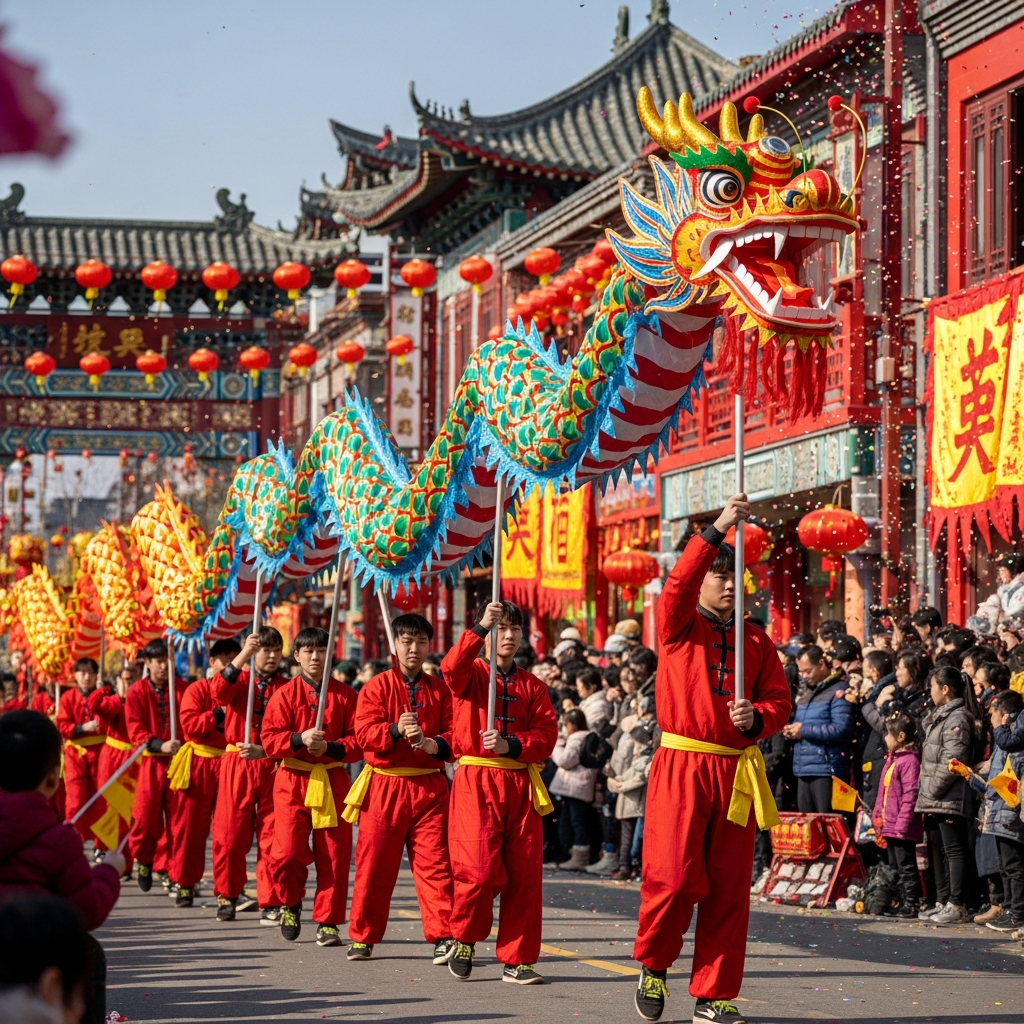
A: The Dragon dance or Lion dance! They bring good luck to everyone who watches.
Fun Facts Quiz for Older Kids (Ages 8-12)
These questions offer more depth while remaining accessible and fun for school-age children.
-
Q: How many days does the Lunar New Year celebration traditionally last?
A: 15 days! It ends with the beautiful Lantern Festival. -
Q: What legend explains why the Rat is the first animal in the zodiac?
A: The Jade Emperor held a Great Race. The clever Rat rode on the Ox's back and jumped off right before the finish line to win! -
Q: Why do people clean their homes thoroughly before Lunar New Year?
A: To sweep away all the bad luck from the old year and make room for good fortune to enter! -
Q: What scary monster from Chinese legend is frightened away by the color red and loud noises?
A: Nian! This is why we use red decorations and firecrackers. -
Q: What are the beautiful paper lanterns called that appear at the end of the 15-day celebration?
A: Yuanxiao lanterns, carried during the Lantern Festival. -
Q: Why should you not cut your hair on the first day of Lunar New Year?
A: Cutting anything, including hair, might "cut off" your good fortune for the entire year!
Family Trivia Round for All Ages
These questions work wonderfully for mixed-age family gatherings.
-
Q: What is another name for Lunar New Year in China?
A: Spring Festival (Chunjie), celebrating the end of winter and the arrival of spring. -
Q: True or False: Lunar New Year is always celebrated on January 1st.
A: False! It follows the lunar calendar and falls on a different date each year, between January 21 and February 20. -
Q: What number is avoided during Lunar New Year because it sounds like the word for "death"?
A: Four! That is why you will never see four of anything as a gift. -
Q: What greeting means "Wishing you prosperity" in Mandarin Chinese?
A: Gong xi fa cai! (In Cantonese, it is "Gung hay fat choy.") -
Q: What special meal brings the whole family together on Lunar New Year's Eve?
A: The reunion dinner! It is the most important meal of the entire year.
Children especially love being part of family traditions, and there is something magical about dressing together for special occasions. When families wear matching vacation outfits during Lunar New Year trips to visit grandparents or for festive gatherings, it helps little ones feel included while creating adorable photo opportunities that the whole family will treasure for years to come.
Chinese New Year History and Legends Trivia
The stories and history behind Lunar New Year are as captivating as the celebration itself. These Lunar New Year fun facts explore the mythology and origins of beloved traditions.
The Legend of the Nian Monster
-
Q: What was Nian in Chinese mythology?
A: A fearsome beast that lived in the mountains or sea and emerged on New Year's Eve to attack villages, destroy crops, and sometimes devour people, especially children. -
Q: What three things scared the Nian monster away?
A: The color red, loud noises (firecrackers and drums), and bright light or fire. -
Q: How did people discover Nian's weaknesses?
A: According to legend, either a wise old man revealed the secret, or villagers accidentally discovered them when an elderly person wearing red scared the beast away. -
Q: What does the phrase "guo nian" (passing the year) originally refer to?
A: It originally meant surviving the Nian's attack! Now it simply means celebrating the New Year.
The Jade Emperor's Great Race Story
-
Q: Who organized the legendary race that determined the order of the zodiac animals?
A: The Jade Emperor, the ruler of Heaven in Chinese mythology. -
Q: Why did the Cat miss the race entirely?
A: The Rat promised to wake the Cat for the race but either forgot or deliberately let the Cat oversleep. This explains why cats chase rats to this day! -
Q: How did the Ox demonstrate kindness during the race?
A: The good-natured Ox let the small Rat ride on its head to help cross the river, not expecting the Rat to jump ahead at the finish. -
Q: Why did the Dragon, who could fly, only come in fifth place?
A: The compassionate Dragon stopped to make rain for a village suffering from drought and later helped the Rabbit cross the river on a log. -
Q: What lesson does the Great Race story teach about each animal's personality?
A: Each animal's behavior during the race reflects the characteristics attributed to people born in that zodiac year, from the Rat's cleverness to the Pig's laid-back nature.
Historical Origins Quiz
-
Q: How old is the Lunar New Year tradition?
A: Over 3,500 years old, with roots dating back to the Shang Dynasty (approximately 1600-1046 BCE). -
Q: When did the 12-animal zodiac system become established?
A: During the Han Dynasty (206 BCE - 220 CE), the system was formalized and became widely used. -
Q: What agricultural purpose did the original festival serve?
A: It marked the end of winter and the beginning of the spring planting season, a crucial transition for farming communities. -
Q: When did the name "Spring Festival" officially replace traditional names in China?
A: In 1912, when China adopted the Gregorian calendar and needed to distinguish between the two new year celebrations.
Around the World: How Different Cultures Celebrate Lunar New Year
Lunar New Year extends far beyond China's borders. This section explores how various Asian cultures and global communities put their unique spin on the celebration.
Celebrations Across Asian Countries
-
Q: What is Lunar New Year called in Vietnam?
A: Tet (short for Tet Nguyen Dan, meaning "Festival of the First Morning"). -
Q: What is the Korean name for Lunar New Year?
A: Seollal, one of the most important holidays in Korean culture. -
Q: What special soup do Koreans eat on Seollal that symbolizes becoming one year older?
A: Tteokguk, a soup made with sliced rice cakes. Eating it on New Year's Day means you have officially aged one year. -
Q: What flowers are associated with Tet celebrations in Vietnam?
A: Yellow apricot blossoms (mai) in Southern Vietnam and pink peach blossoms in Northern Vietnam. -
Q: How do Tibetans celebrate their New Year (Losar)?
A: With special dumplings called guthuk, intricate butter sculptures, and ceremonial dances. -
Q: What do Mongolians call their Lunar New Year celebration?
A: Tsagaan Sar, meaning "White Moon," named for the dairy products traditionally consumed.
Global Chinatown Celebrations
-
Q: Which city hosts the largest Lunar New Year parade outside of Asia?
A: San Francisco, which has held its parade since 1851, making it one of the oldest celebrations outside Asia. -
Q: What famous landmarks light up red for Chinese New Year?
A: The Empire State Building, Sydney Opera House, London Eye, and many other iconic structures worldwide. -
Q: Approximately how many spectators attend the New York City Chinatown Lunar New Year Parade?
A: Over 500,000 spectators fill the streets annually. -
Q: Which European city boasts the largest Chinatown and Lunar New Year celebration?
A: London, with celebrations centered in the Soho area drawing hundreds of thousands of visitors.
How to Host a Memorable Lunar New Year Trivia Night
Now that you have all these fantastic questions, how do you turn them into an unforgettable family event? Here are practical tips for hosting your own Lunar New Year trivia night.
Planning Your Family Trivia Event
- Choose questions wisely: Select a mix of difficulties based on your audience. For multi-generational gatherings, include easy questions for children and challenging ones for adults.
- Create teams: Mixing ages on each team ensures everyone can contribute and learn from each other.
- Set the atmosphere: Decorate with red and gold, play traditional music in the background, and serve lucky snacks.
- Plan for 20-30 questions: This provides about 30-45 minutes of entertainment, the perfect length before attention wanders.
Creative Scoring and Prize Ideas
- Tiered point system: Award 1 point for easy questions, 2 for medium, and 3 for challenging ones.
- Bonus opportunities: Give extra points when teams can explain the cultural meaning behind their answer.
- Lucky prizes: Red envelopes with small amounts, lucky candy, tangerines, or small zodiac figurines make perfect rewards.
- Lucky draw rounds: Add excitement with random bonus questions where the winner receives a special prize.
Tips for Making Trivia Educational and Fun
- Share cultural context after each answer to transform trivia into meaningful learning.
- Include visual aids like zodiac charts or food pictures for younger participants.
- Allow a "phone-a-family-member" lifeline for particularly tricky questions.
- Create a mini-tournament bracket for larger groups to maintain competitive energy.
A wonderful way to make your trivia night feel extra special is to have everyone dress in coordinated festive attire. Matching family outfits add to the celebratory atmosphere and create a unified, joyful look for group photos. Many families find that dressing alike builds excitement and creates lasting memories of the occasion.

Celebrate, Learn, and Create Lasting Memories
We hope this comprehensive collection of Lunar New Year trivia questions and answers has prepared you for an unforgettable celebration in 2026. Whether you use these questions for a family game night, a classroom activity, a community event, or simply to satisfy your own curiosity, understanding the rich traditions behind this festival makes the celebration infinitely more meaningful.
The Year of the Fire Horse arrives only once every 60 years, making 2026 an extraordinary time to embrace Lunar New Year traditions, learn about Chinese zodiac wisdom, and create precious memories with loved ones. From the mythology of the Great Race to the symbolism of lucky foods, every aspect of this celebration connects us to thousands of years of human hope, creativity, and family love.
We believe that the best celebrations happen when families come together with joy, curiosity, and matching smiles (and maybe matching outfits, too!). We wish you and your loved ones a prosperous, healthy, and happy Year of the Fire Horse. May your reunion dinners be delicious, your red envelopes be plentiful, and your trivia victories be many!
Gong xi fa cai! Wishing you prosperity and happiness in the new year!


