


According to the Bureau of Labor Statistics, 74 percent of mothers with children under 18 participate in the labor force. This means millions of women navigate the challenging balance of working while pregnant every day. The good news? With the right strategies, you can manage your busy work schedule and prioritize your health during pregnancy.
We understand the journey of expecting parents. Whether you are preparing your nursery or planning your maternity leave, these nine practical tips will help you successfully balance your career and pregnancy while taking care of yourself and your growing baby.

Tip 1: Communicate Early with Your Employer About Your Pregnancy
Timing your pregnancy announcement at work strategically can set the tone for a supportive experience throughout your pregnancy. While there is no perfect moment, most experts recommend waiting until after the first trimester, around 12 to 14 weeks, when miscarriage risk decreases.
Consider your workplace culture and your relationship with your supervisor before making your announcement. Some women share the news earlier if they need accommodations right away or if their job involves safety risks.
How to Share the News Professionally
- Schedule a private meeting with your direct supervisor first, before telling colleagues
- Come prepared with a positive attitude and initial thoughts on coverage during maternity leave
- Be direct but warm: "I wanted to share some exciting personal news - I am expecting a baby in [month]"
- Follow up with HR to understand your company's maternity leave policies
Remember, announcing your pregnancy should feel empowering, not stressful. You are sharing wonderful news while demonstrating professionalism by thinking ahead about your responsibilities.
Tip 2: Know Your Pregnancy Workplace Rights Under PWFA and FMLA
Understanding your legal rights as a pregnant employee empowers you to request necessary accommodations and protects you from discrimination. Several federal laws work together to support working pregnant women.
The Pregnant Workers Fairness Act (PWFA), which went into effect in June 2023 with final regulations effective June 2024, requires employers with 15 or more employees to provide reasonable accommodations for pregnancy-related limitations.
The Family and Medical Leave Act (FMLA) provides up to 12 weeks of unpaid, job-protected leave for eligible employees who have worked at least 1,250 hours in the past 12 months.
What Accommodations Can You Request?
- More frequent bathroom or rest breaks
- Modified work schedule or reduced hours
- Temporary reassignment to less strenuous duties
- Permission to sit or stand as needed
- Remote work options where feasible
- Closer parking space
- Time off for prenatal appointments
How to Request Accommodations
Submit requests in writing to HR or your supervisor. Be specific about what you need and why. Provide medical documentation if requested, but keep it minimal. Document all communications regarding your requests. Requesting accommodations is your right, not a favor you are asking for.

Tip 3: Request Flexible Work Arrangements for a Healthier Pregnancy
Flexible work arrangements can significantly reduce pregnancy-related stress and help you manage symptoms more effectively. Remote work eliminates commute stress and allows for more comfortable work environments. Flexible hours let you work during your most productive periods and rest when needed.
How to Ask for Flexible Work During Pregnancy
- Research your company's existing remote work or flexible schedule policies
- Prepare a proposal showing how you will maintain productivity
- Suggest a trial period to demonstrate feasibility
- Be open to compromise, such as a hybrid schedule instead of full remote work
If your job does not allow for remote work, consider alternatives like modified schedules, longer lunch breaks for rest, or adjusted start and end times to avoid rush-hour commuting.
Tip 4: Combat Pregnancy Fatigue at Work with Smart Energy Management
Pregnancy fatigue is one of the most common challenges for working pregnant women, especially during the first and third trimesters. First trimester fatigue results from hormonal changes and increased blood production. Third trimester fatigue often comes from carrying extra weight and disrupted sleep.
Research published in Brain Sciences found that sleep fragmentation in the third trimester contributes to cognitive decline, explaining why you might feel both physically and mentally drained.
Energy-Boosting Strategies for the Workplace
- Prioritize important tasks for when you have the most energy, often mid-morning
- Take short, frequent breaks - even a 5-minute walk can boost alertness
- Stay hydrated - dehydration worsens fatigue; keep water at your desk
- Eat protein-rich snacks - avoid blood sugar crashes from sugary foods
- Use your lunch break wisely - a brief 15 to 20-minute power nap can be restorative
Snacks That Fight Pregnancy Fatigue
| Snack | Benefits |
|---|---|
| Nuts and seeds | Protein and healthy fats for sustained energy |
| Greek yogurt with berries | Protein, probiotics, and antioxidants |
| Cheese and whole-grain crackers | Complex carbs with protein |
| Apple slices with peanut butter | Natural sugars balanced with protein |
Remember, the American College of Obstetricians and Gynecologists recommends limiting caffeine to less than 200 mg daily, so rely on other strategies before reaching for that extra cup of coffee.

Tip 5: Manage Morning Sickness at the Office with Proven Coping Strategies
Morning sickness affects 70 to 80 percent of all pregnant women, and managing nausea while maintaining professionalism at work requires preparation and self-compassion. Despite its name, nausea can strike at any time of day.
Desk Drawer Essentials for Managing Nausea
- Saltine crackers or dry toast
- Ginger candies or ginger tea
- Peppermint mints or essential oil
- Lemon slices or lemon-scented items
- Bland snacks like pretzels or plain cereal
- Motion sickness wristbands (Sea-Bands)
Strategies for Navigating Nausea at Work
- Eat small, frequent meals and never let your stomach get completely empty
- Identify and avoid triggers, politely excusing yourself from strong-smelling areas
- Keep crackers by your bed and eat before getting up to prevent morning nausea
- Stay near a bathroom when possible during peak nausea times
- Communicate with trusted colleagues who can offer support
- Step outside for fresh air when waves of nausea hit
If your morning sickness is severe, you may have hyperemesis gravidarum, which affects about 1 to 3 percent of pregnancies. This condition requires medical treatment and may necessitate workplace accommodations, so consult your healthcare provider.
Tip 6: Stay Productive Despite Pregnancy Brain with Focus Techniques
"Pregnancy brain," the forgetfulness and mental fog many pregnant women experience, is real and manageable with the right organizational strategies. A meta-analysis found that general cognitive functioning, memory, and executive functioning were significantly poorer in pregnant women, particularly during the third trimester.
The good news? These changes are temporary and typically resolve after birth. Meanwhile, the organizational habits you develop now will serve you well as a new parent.
Techniques to Combat Pregnancy Brain
- Write everything down - use a dedicated pregnancy planner or digital app
- Set reminders and alarms for important tasks and meetings
- Create detailed to-do lists and prioritize ruthlessly
- Minimize multitasking - focus on one task at a time
- Use visual cues - sticky notes, color-coded calendars, and checklists
- Review your calendar and tasks at the end and beginning of each day
Digital tools like Google Calendar, Notion, and Todoist can become your best friends during pregnancy. Physical pregnancy planners or bullet journals work wonderfully if you prefer pen and paper.
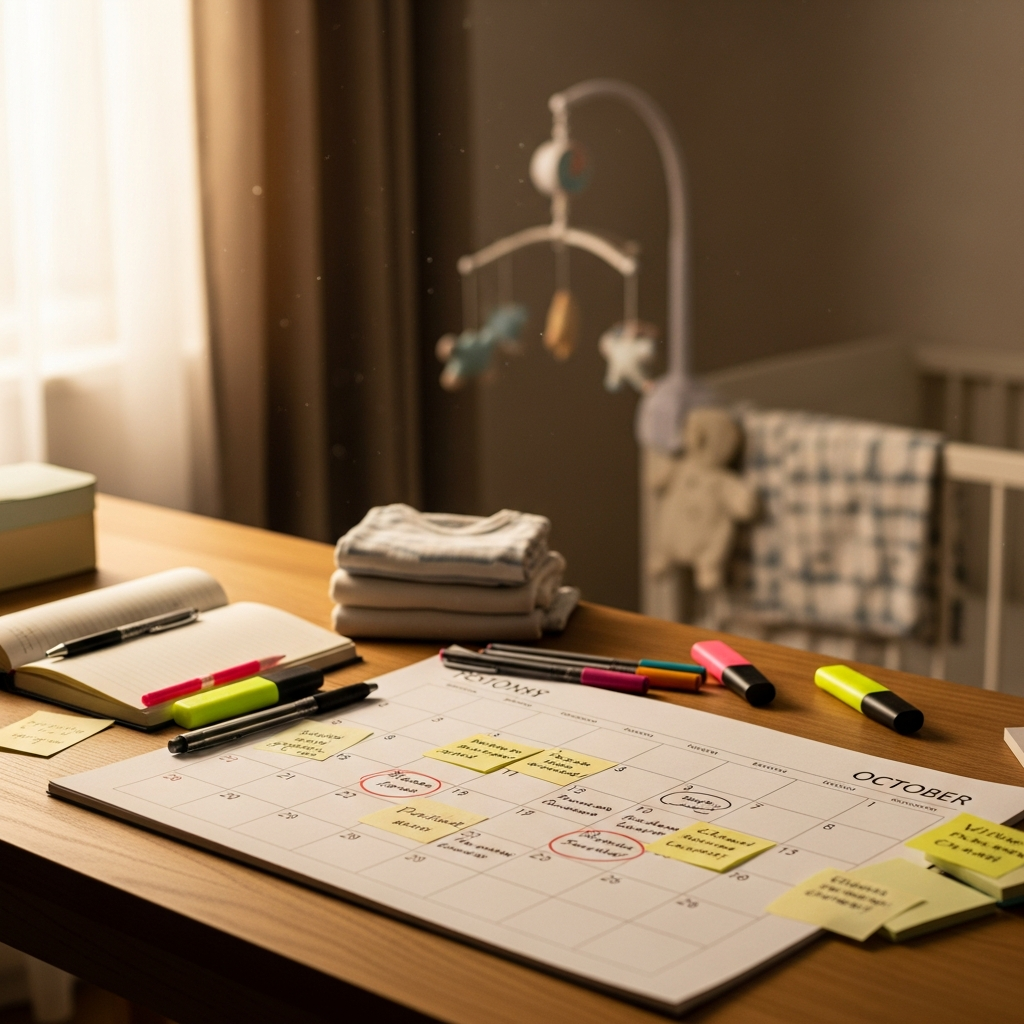
Tip 7: Create a Comprehensive Maternity Leave Plan Early
Early maternity leave planning reduces stress, ensures smooth work transitions, and allows you to focus on your growing family when the time comes. Start planning at least 3 to 4 months before your due date.
Components of a Maternity Leave Plan
- Leave timeline: Start date, expected duration, and tentative return date
- Coverage plan: Who will handle your responsibilities during your absence
- Project status: Current projects, deadlines, and handoff instructions
- Documentation: Process guides, contact lists, and access instructions
- Communication plan: How and when you will be reachable, if at all
- Return-to-work plan: Phased return options and schedule preferences
Maternity Leave Planning Timeline
| Timeframe | Action Items |
|---|---|
| 3-4 months before | Discuss leave timeline with supervisor; review company policies |
| 2-3 months before | Begin documenting your processes and training backup |
| 1-2 months before | Finalize coverage plan; complete major projects |
| 2-4 weeks before | Hand off responsibilities; set out-of-office messages |
| 1 week before | Tie up loose ends; share emergency contact information |
As you plan for maternity leave, it is also the perfect time to start preparing for your baby's arrival. Browse comfortable bamboo baby clothes that are gentle on newborn skin and easy to wash, giving you one less thing to worry about when you return to work.
Tips 8 and 9: Prioritize Self-Care and Build Your Support Network
Self-care and a strong support network are the two pillars that sustain you through the demands of working while pregnant. Together, they create a foundation for both your physical well-being and emotional resilience.
Tip 8: Self-Care Practices for the Working Mom-to-Be
Research shows that chronic stress during pregnancy is associated with adverse outcomes including low birth weight. Taking breaks and practicing self-care is not just good for you; it directly affects your baby's development.
Simple Self-Care for the Workday:
- Take regular movement breaks - stand, stretch, or walk every hour
- Practice breathing exercises - even 2 minutes of deep breathing reduces stress
- Eat nourishing meals and snacks to fuel your body
- Stay hydrated with 8 to 10 glasses of water daily
- Protect your lunch break - step away from your desk and truly rest
- Set boundaries - it is okay to say no to non-essential tasks
Ergonomic Comfort at Your Desk:
- Use a supportive chair or seat cushion
- Position your monitor at eye level
- Keep feet flat on the floor or use a footrest
- Consider a pregnancy support belt if you stand often
Speaking of preparing for what is ahead, taking a few moments during lunch to browse adorable baby clothes can be a joyful way to connect with your pregnancy. Consider it a mini self-care break that reminds you what this journey is all about.

Tip 9: Building Your Pregnancy Support Team
Having allies at work who understand your situation can make daily challenges easier to manage. Support networks provide both practical help and emotional encouragement during this transformative time.
Creating Your Support System:
- Identify workplace allies, colleagues you trust who can offer flexibility or cover when needed
- Connect with other working parents who understand your challenges firsthand
- Lean on your supervisor if they are supportive, keeping them informed about your needs
- Join online communities like Reddit's r/pregnant and r/workingmoms for peer support
- Include your partner and family so they can support you at home
- Consider a mentor who has balanced career and pregnancy
How to Accept Help Gracefully:
- Be specific about what you need when people offer help
- Accept assistance without guilt - you would do the same for others
- Express gratitude and reciprocate when you are able
As you build your support network, colleagues may want to shower you with gifts for your little one. When they ask what you need, consider pointing them toward essentials like soft, sustainable bamboo clothes that are perfect for sensitive baby skin.
Frequently Asked Questions About Working While Pregnant
Still have questions about managing work during pregnancy? Here are answers to the most common questions expecting mothers ask.
Is it safe to work during pregnancy?
Yes, working during pregnancy is safe for most women with uncomplicated pregnancies. However, jobs involving heavy lifting, prolonged standing, chemical exposure, or extreme physical demands may require modifications. Consult your healthcare provider about your specific job duties and request accommodations if needed under the Pregnant Workers Fairness Act.
How many hours should a pregnant woman work per day?
There is no universal limit on work hours during pregnancy. Most healthy pregnant women can work full-time, but you should listen to your body. If you experience excessive fatigue, stress, or physical strain, discuss reduced hours or flexible scheduling with your employer and healthcare provider.
When should I stop working during pregnancy?
Most women work until close to their due date, typically stopping 1 to 2 weeks before. However, the right time depends on your health, job demands, and personal preference. Some high-risk pregnancies require earlier leave. Consult your doctor and plan your maternity leave based on your individual circumstances.
What helps with pregnancy fatigue at work?
Combat pregnancy fatigue by taking short breaks every hour, eating protein-rich snacks, staying hydrated, and prioritizing demanding tasks for your most alert periods. Consider a brief 15-minute power nap during lunch, get natural light exposure, and go to bed earlier on work nights.
What are my rights as a pregnant employee?
Under the Pregnant Workers Fairness Act, employers with 15 or more employees must provide reasonable accommodations for pregnancy-related limitations. The FMLA provides up to 12 weeks of unpaid, job-protected leave for eligible employees. The Pregnancy Discrimination Act prohibits discrimination. You have the right to request accommodations without fear of retaliation.
When should I tell my boss I am pregnant?
Most women wait until after the first trimester, around 12 to 14 weeks, when miscarriage risk decreases. However, if you need accommodations earlier or your job involves safety risks, tell your employer sooner. Consider your workplace culture and relationship with your supervisor when timing your announcement.
Can I request remote work as a pregnancy accommodation?
Yes, remote work can be a reasonable accommodation under the PWFA if your job duties can be performed remotely. Your employer must engage in an interactive process to find suitable accommodations. Prepare a proposal showing how you will maintain productivity, and be open to hybrid arrangements.
How do I deal with pregnancy brain at work?
Combat pregnancy brain by writing everything down, setting calendar reminders, using to-do lists, and focusing on one task at a time. Minimize multitasking, use visual cues like sticky notes, and review your tasks daily. These organizational habits reduce the impact of pregnancy-related forgetfulness.
You Are Growing a Human Being - And That Is Remarkable
Managing a busy work schedule during pregnancy is challenging, but it is absolutely achievable with the right strategies and support. By communicating early with your employer, knowing your rights under the PWFA and FMLA, requesting flexible arrangements, managing symptoms like fatigue and morning sickness, staying organized despite pregnancy brain, planning ahead for maternity leave, prioritizing self-care, and building a strong support network, you can navigate this exciting time with confidence.
Remember, every pregnancy is different. What works for one expecting mother may not work for another, and that is perfectly okay. Listen to your body, advocate for your needs, and give yourself grace on the hard days. You are not just managing a work schedule; you are growing a human being. That is remarkable, and you are doing an amazing job.
Looking for more tips on preparing for your new arrival? Explore PatPat's collection of baby clothes designed with comfort and style in mind, perfect for welcoming your little one into the world.




