


Is your little one starting to outgrow those adorable baby sleepers? You're not alone in wondering when to make the switch from baby pajamas to toddler pajamas. This milestone typically happens between 12 and 24 months, but like everything in parenting, there's no one-size-fits-all answer.
Making the transition from baby to toddler sleepwear involves more than just sizing up. You'll need to consider safety standards, developmental readiness, and even potty training preparations. Whether you're dealing with a climbing enthusiast who's ready for two-piece pajamas or wondering about sleep safety regulations, this comprehensive guide has you covered.
At PatPat, we understand that every child develops at their own pace, and finding the perfect toddler pajamas can feel overwhelming. That's why we've created this detailed roadmap to help you navigate the transition with confidence. Let's explore everything you need to know about moving from baby sleepers to big-kid pajamas.

When to Make the Switch - Age Guidelines and Developmental Signs
The journey from baby pajamas to toddler pajamas isn't just about age—it's about your child's unique development. While most children make this transition between 12 and 24 months, understanding the signs of readiness will help you time it perfectly for your little one.
Typical Age Ranges for Pajama Transitions
Let's break down what you can expect at different stages:
- 12-15 months: Early birds might show readiness for 12 month old pajamas with more toddler-like features. If your baby is walking confidently and expressing clothing preferences, you might start exploring transitional options.
- 15-18 months: This is prime transition territory. Most parents find their 18 month pajamas needs shifting dramatically as toddlers become more active and independent.
- 18-24 months: Late bloomers often transition during this window, especially if they've been content in sleep sacks or one-piece sleepers. The 2T pajamas age range typically begins around 2 years.
- Individual factors: Premature babies might transition later, while particularly tall or active children might need toddler pajamas earlier.
Key Developmental Milestones That Signal Readiness
Watch for these signs that indicate your baby is ready for toddler pajamas:
Physical development: When your child walks confidently without frequent stumbling, they're ready for pajamas without built-in feet. Climbing abilities also signal it's time for designs that won't restrict movement. You'll notice improved body temperature regulation too—less sweating at night often means they're ready for different sleepwear options.
Communication skills: Can your toddler tell you when they're hot, cold, or uncomfortable? This ability to communicate comfort preferences is crucial for the transition. They might start pointing to specific pajamas or pushing away certain styles.
Independence indicators: Signs baby ready for toddler pajamas include attempting to dress themselves, showing interest in " big kid" clothing, and displaying frustration with restrictive baby sleepers. These behaviors typically emerge between 15-20 months.
Seasonal Timing Considerations
Planning your transition around seasons can make the process smoother. Spring and fall offer ideal conditions with moderate temperatures, allowing flexibility in fabric choices. If you're transitioning in summer, lightweight cotton toddler pajamas make the adjustment easier. Winter transitions require more planning—consider starting with warm toddler pajamas that provide similar coverage to baby sleepers.
Remember, gradual transitions work best. Start with naptime changes before moving to nighttime, and keep a few baby pajamas on hand during the adjustment period.
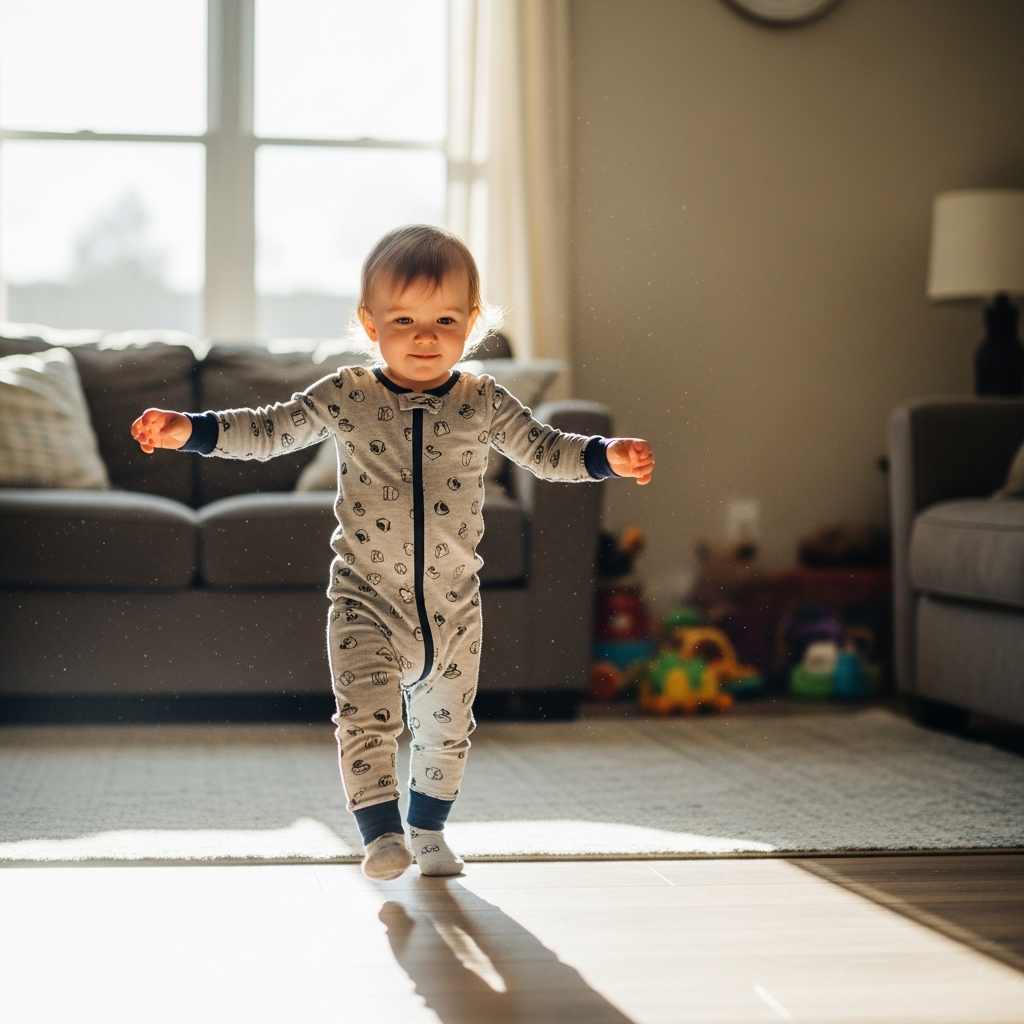
Understanding Toddler Pajama Safety Standards and Regulations
Safety takes center stage when choosing toddler sleepwear. The regulations might seem complex, but understanding them ensures your child sleeps safely and comfortably every night.
CPSC Safety Requirements Explained
The Consumer Product Safety Commission (CPSC) sets strict CPSC pajama requirements for children's sleepwear. Here's what you need to know:
The flame-resistance dilemma: Toddler pajamas must either be snug-fitting or treated with flame-resistant chemicals. Snug fitting toddler pajamas reduce fire hazards naturally by minimizing air between fabric and skin. These tight fitting pajamas toddlers wear must meet specific measurements at the chest, waist, seat, upper arm, thigh, and wrist.
Flame resistant toddler pajamas undergo chemical treatments to resist ignition. While effective, many parents prefer avoiding these chemicals, making snug-fit options increasingly popular. The regulations apply to sizes 9 months through size 14, covering the entire toddler pajamas safety standards spectrum.
Reading labels correctly: Look for tags stating "Meets CPSC safety requirements" or "Wear snug-fitting, not flame resistant." Understanding these labels helps you make informed choices about chemical exposure versus fit requirements.
International Safety Certifications
Beyond U.S. regulations, international certifications provide additional safety assurances:
OEKO-TEX Standard 100: This certification tests for harmful substances in textiles. OEKO-TEX certified pajamas undergo rigorous testing for over 100 harmful chemicals, making them ideal for sensitive toddler skin. The certification covers everything from fabric to buttons and zippers.
GOTS (Global Organic Textile Standard): For parents seeking organic toddler sleepwear, GOTS certification ensures at least 70% organic fibers and strict environmental and social criteria throughout production. These chemical-free toddler pajamas offer peace of mind for eco-conscious families.
European standards: EU regulations often exceed U.S. requirements, particularly regarding chemical content. European-made pajamas typically avoid flame retardants entirely, focusing on design safety instead.

| Size | Age Range | Height (inches) | Weight (lbs) | Chest (inches) |
|---|---|---|---|---|
| 12M | 12 months | 29-31 | 21-25 | 19-20 |
| 18M | 18 months | 31-33 | 25-28 | 20-21 |
| 24M/2T | 24 months | 33-35 | 28-30 | 21-22 |
| 3T | 3 years | 35-38 | 30-33 | 22-23 |
Brand variations can be significant. European brands typically run smaller, while American brands often have more generous cuts. When asking "what size pajamas for 18 month old," consider that some brands "18M equals others" 24M. PatPat's sizing tends to run true to age, making selection straightforward.
Common Fit Problems and Solutions
Even with careful measuring, fit issues arise. Here's how to solve them:
Too tight in arms or legs: If your toddler pajamas too big in the body but tight in limbs, look for brands with athletic cuts. Bamboo blends offer natural stretch without compromising safety standards.
Waistband woes: Elastic digging in? Size up and add a simple elastic adjustment. Rolling waistbands indicate when to size up toddler pajamas—don't wait for discomfort complaints.
Length problems: Tall toddlers often need larger sizes that bag elsewhere. Mix-and-match sizing works well—buy tops and bottoms separately when possible.

Best Fabrics and Materials for Toddler Comfort and Safety
Choosing the right fabric impacts everything from sleep quality to skin health. Your toddler's pajamas should breathe, move, and wash well while meeting safety standards.
Natural Fiber Options and Benefits
Natural fibers dominate the toddler sleepwear market for good reasons:
Organic cotton toddler pajamas: The gold standard for sensitive skin, organic cotton offers excellent breathability and moisture absorption. These hypoallergenic toddler sleepwear options work year-round, though they may shrink slightly with washing. Pre-shrunk varieties maintain sizing better over time.
Bamboo toddler pajamas: Increasingly popular, bamboo viscose naturally regulates temperature—keeping toddlers cool in summer and warm in winter. The fabric's antibacterial properties reduce odor, and its silky texture appeals to texture-sensitive children. Bamboo toddler sleepwear also boasts environmental benefits when sustainably sourced.
Innovative natural blends: Merino wool blends provide exceptional temperature regulation for toddlers who run hot or cold. Hemp-cotton blends offer durability and become softer with each wash. These sustainable toddler pajamas represent the industry's eco-conscious future.
Synthetic Materials - Pros and Cons
While natural fibers dominate, synthetics serve specific purposes:
Fleece considerations: Parents often ask, " are fleece pajamas safe for toddlers?" Yes, when properly fitted and room temperature stays below 72°F. Fleece pajamas toddlers safe options provide warmth without heavy weight, though they can cause overheating in warm rooms.
Moisture-wicking benefits: Polyester blends with moisture-wicking properties help heavy sweaters stay comfortable. These breathable toddler pajamas move sweat away from skin, reducing night wakings from discomfort.
Durability factors: Synthetic blends resist pilling and maintain shape through countless washes. For families with multiple children, these materials offer hand-me-down potential.
 American Academy of Pediatrics safe sleep guidelines. Before then, appropriate pajama warmth matters more. When your toddler kicks off blankets what pajamas should provide adequate warmth alone.
Blanket selection: Choose lightweight, breathable blankets initially. Toddler-sized options (approximately 40x60 inches) reduce entanglement risks while providing adequate coverage.
Layering strategies: Start with warmer pajamas and lighter blankets, adjusting as your toddler learns to manage covers. This approach prevents overheating while preventing toddler overheating sleep pajamas concerns.
Troubleshooting Common Transition Challenges
Every transition brings challenges. Here's how to handle common issues:
The escape artist: If your toddler won't keep pajamas on, check for comfort issues first. Tags, seams, or incorrect temperature might trigger removal. Consider tagless designs or inside-out wearing for sensitive children.
Sleep regression: Some toddlers experience sleep regression pajama transition temporarily. Maintain consistent bedtime routines and give the adjustment 2-3 weeks before considering reverting.
Temperature struggles: Finding the best temperature for toddler pajamas takes experimentation. Room temperature should stay between 68-72°F, with pajama weight adjusted accordingly.
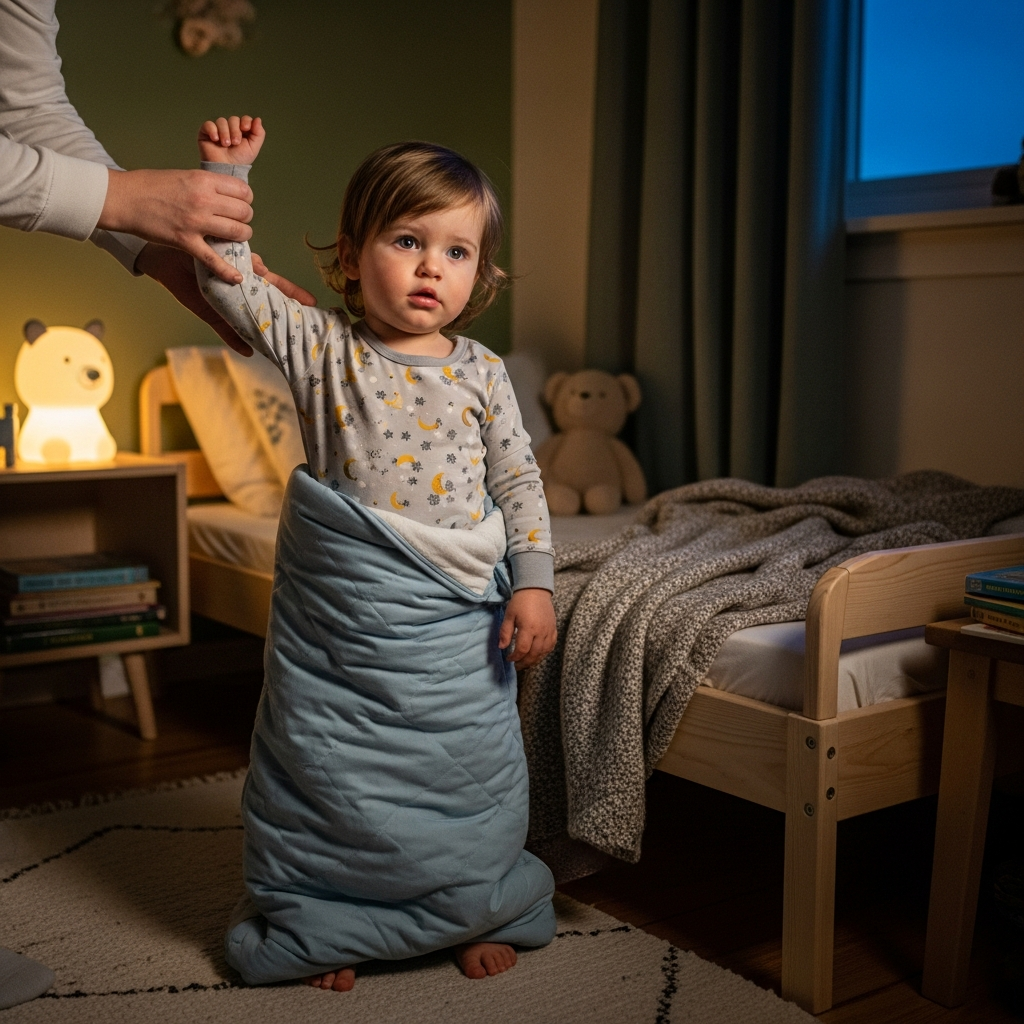
Potty Training Pajama Considerations and Solutions
Potty training changes everything about nighttime routines, including pajama choices. The right toddler pajamas for potty training at night make the difference between success and frustration.
Choosing Potty-Training Friendly Designs
Design features become critical during this phase:
Two-piece advantages: Two piece pajamas potty training success rates are higher than one-piece options. Quick removal prevents accidents when seconds count. Elastic waistbands that toddlers can manage independently build confidence and reduce nighttime disruptions.
Avoiding complications: Skip pajamas with buttons, snaps, or complicated closures. Even cute footie pajamas become obstacles during urgent bathroom trips. The best pajamas for potty training toddlers feature simple, pull-down designs that work even in drowsy states.
Independence features: Easy access pajamas for potty training should include visual cues like contrasting waistbands or fun prints that indicate front from back. These details support nighttime independence when parents aren't immediately available to help.
Managing Nighttime Accidents
Accidents are part of the process. Preparation minimizes stress:
The backup system: Keep three complete pajama sets easily accessible. Store them with fresh underwear in a designated nighttime basket. During active potty training, consider having your toddler sleep in two-piece sets even if they prefer one-piece styles.
Quick-change strategies: Practice daytime " fire drills" where your toddler practices quick pajama changes. This builds muscle memory for drowsy nighttime changes. Nighttime potty training pajama tips include keeping a small nightlight near the change area.
Waterproof solutions: While waterproof pajama options exist, they often compromise breathability. Instead, focus on mattress protection and easily washable pajamas. Some parents find sleep sack alternatives potty training products like training pants worn under regular pajamas helpful.

Shopping Guide - Top Features and Where to Buy
Smart shopping means knowing what features matter most and where to find the best toddler pajamas 2025 has to offer.
Must-Have Features Checklist
Prioritize these features when shopping for toddler sleepwear:
Safety essentials:
- CPSC compliance labeling clearly displayed
- Proper fit per safety standards (snug but not restrictive)
- Flame-resistant or snug-fitting certification
- Non-toxic dyes and materials certification
Convenience features worth the investment: Double zipper toddler pajamas benefits include easy diaper changes without full undressing. Magnetic closure toddler pajamas worth it for parents managing multiple bedtimes. These features might cost more initially but save time and frustration nightly.
Special features to consider: Toddler pajamas with grippers on feet prevent slips on hardwood floors. Fold-over mittens help with scratching issues. Built-in feet work until potty training begins, then become hindrances.
Budget-Friendly Shopping Strategies
Quality affordable toddler sleepwear exists—you just need to know when and where to look:
Timing your purchases: End-of-season sales offer 50-70% discounts on quality brands. January and July typically bring the deepest discounts. Black Friday deals on children's sleepwear often include buy-one-get-one offers.
Value pack strategies: Value pack pajamas reduce per-unit costs significantly. Look for 3-4 packs of basic designs for everyday wear, reserving special character pajamas for treats. PatPat's multi-pack options provide excellent value without sacrificing quality.
Where to buy toddler pajamas: Online retailers offer broader selection and competitive pricing. Specialty children's stores provide fitting expertise. Warehouse clubs excel for basics. Consider subscription services for consistent sizing and style preferences.
Investment pieces: Some toddler pajamas that last multiple kids justify higher prices. Look for reinforced seams, quality elastic, and colorfast materials. Gender-neutral designs in classic colors maximize hand-me-down potential.

Expert Tips for Smooth Bedtime Transitions
Creating positive sleep associations makes pajama transitions easier. These expert strategies support both sleep quality and the adjustment to toddler sleepwear.
Creating Consistent Bedtime Routines
Consistency provides security during changes:
The pajama ritual: Make pajama selection part of your toddler sleep schedule. Offering two appropriate choices gives control while maintaining boundaries. " Would you like dinosaur or space pajamas tonight?" works better than open-ended options.
Timing matters: Start the pajama routine at the same time nightly. This predictability helps regulate your toddler's internal clock. Include pajama time in your visual schedule if you use one.
Building positive associations: Pair pajama time with favorite activities like stories or songs. This positive reinforcement makes toddlers eager for pajama time rather than resistant. Consider special "pajama books" only read after changing into sleepwear.
Environmental Factors for Better Sleep
The right environment supports successful transitions:
Temperature optimization: The best temperature for toddler pajamas ranges from 68-72°F, as recommended by the CDC for optimal sleep health. Use a room thermometer to maintain consistency. Adjust pajama weight rather than room temperature when possible—it's easier to change clothes than reset everyone's comfort.
Supporting elements: Blackout curtains maintain sleep despite seasonal light changes. White noise machines mask household sounds that might wake newly transitioned toddlers. These environmental controls matter more during transitions when sleep is already disrupted.
Room setup considerations: Ensure easy pathways for newly mobile toddlers navigating dark rooms. Night lights should provide enough visibility for bathroom trips without disrupting sleep. Position furniture to prevent climbing adventures in two-piece pajamas.
Frequently Asked Questions
Most toddlers transition from footie pajamas between 18-24 months, primarily when they become confident walkers. Footie pajamas safe for walkers remain an option if they have proper grippers. Consider switching when your toddler shows frustration with footies, starts potty training, or outgrows the length but not width. Some children prefer footies through age 3-4, which is perfectly fine with proper safety features. Watch for signs like struggling with the feet portions or wanting independence in dressing.
A typical toddler needs 5-7 pairs of pajamas for adequate rotation. This includes 3-4 everyday sets, 1-2 warmer options for cold nights, and 1 spare for accidents or travel. During potty training, increase to 7-10 pairs to handle frequent changes. Consider seasonal needs and laundry frequency when building your collection. Quality over quantity ensures durability through growth spurts and multiple washes, making investment in well-made pieces worthwhile.
Toddler pajamas should be snug-fitting according to CPSC safety standards to reduce fire hazards without chemical flame retardants. Snug fit means close to body without being restrictive—think comfortable athletic wear. Loose pajamas must be flame-resistant treated. Look for stretch fabrics that allow movement while maintaining close fit. Properly fitted pajamas shouldn' t leave marks on skin or restrict circulation but should not have excess fabric that could pose entanglement risks.
Yes, most 18-month-olds can safely wear two-piece pajamas, especially if walking confidently and showing readiness signs. Ensure tops are long enough to stay tucked or overlap pants significantly to prevent cold exposure. Choose sets with elastic waistbands that won' t dig in during sleep. Two-piece pajamas offer advantages for diaper changes and temperature regulation. Start with naps before transitioning to nighttime wear to ensure comfort and safety.
Bamboo viscose and lightweight organic cotton are ideal for toddlers who sleep hot. Bamboo is naturally moisture-wicking and typically 3 degrees cooler than cotton. Choose thin, breathable weaves with minimal layers. Avoid polyester and fleece for hot sleepers. Consider short-sleeve or shorts sets even in cooler months if your room stays warm. Merino wool surprisingly regulates temperature well for hot sleepers. Modal and Tencel offer excellent cooling properties and silky softness.
Proper fit means pajamas are snug but not tight, with full range of motion. Check that sleeves reach wrists without bunching, pants reach ankles without dragging, and waistband sits comfortably without digging. Two fingers should fit under elastic bands. Watch for red marks, complaints of discomfort, or difficulty moving. Size up when fabric stretches thin, seams strain, or length becomes noticeably short, even if width still fits.
Fleece pajamas are safe when properly fitted and in appropriate room temperatures (68-72°F). Choose lightweight fleece to prevent overheating. Ensure pajamas meet CPSC standards—loose fleece must be flame-resistant. Monitor for overheating signs: sweating, flushed cheeks, rapid breathing. Layer with cotton underneath if needed rather than choosing heavy fleece. Avoid fleece for toddlers who run hot or in rooms above 72°F to maintain comfortable sleep temperature.
Transition from sleep sacks to blankets typically occurs between 2-3 years, though no strict timeline exists. Signs include climbing out of crib, potty training readiness, or size limitations. Start with lightweight blankets during naps. Choose toddler-sized blankets that tuck securely. Some children use sleep sacks until age 4 successfully. Consider wearable blankets with legs as intermediate option. Ensure room temperature and pajama warmth compensate for blanket variability during this transition.
Conclusion
The transition from baby pajamas to toddler pajamas marks an exciting developmental milestone in your child's journey. While most children make this switch between 12 and 24 months, remember that every toddler follows their own timeline. Your child's comfort, safety, and developmental readiness matter more than any age guideline.
Throughout this transition, prioritize safety standards while considering practical factors like potty training readiness and seasonal needs. Whether you choose snug-fitting cotton pajamas or opt for bamboo toddler sleepwear, ensure all purchases meet CPSC safety requirements. The right fit—snug but not restrictive—provides both safety and comfort for peaceful nights.
As you navigate this change, remember that gradual transitions work best. Start with naptime, involve your toddler in pajama selection, and maintain consistent bedtime routines. These strategies create positive sleep associations that last well beyond the toddler years.
At PatPat, we're here to support your family through every sleep transition. Our carefully curated collection of toddler pajamas combines safety, comfort, and style at prices that make stocking up stress-free. Ready to find the perfect toddler pajamas for your little one? Browse our selection today and enjoy free shipping on orders over $49. Your toddler's best night's sleep is just a click away!
Ready to Shop? Explore PatPat's collection of safety-certified toddler pajamas perfect for your child's transition. From organic cotton to moisture-wicking bamboo, find the ideal sleepwear for every season and stage.



