


You have spent months perfecting the art of feeding your baby breastmilk or formula, and now a new adventure awaits. Your little one is showing interest in the food on your plate, reaching eagerly toward your spoon, and you find yourself wondering: is it time to start solids? The world of baby first foods can feel overwhelming, with countless opinions on what to offer first, how to prepare it, and whether to try baby led weaning or stick with traditional purees.
Starting solids is one of the most exciting milestones in your baby's first year. According to the American Academy of Pediatrics and the World Health Organization, most babies are ready to begin introducing solid foods around 6 months of age. This comprehensive guide will walk you through everything you need to know, from recognizing readiness signs to understanding feeding schedules and navigating common challenges. Whether you are a first-time parent or simply want a refresher on current guidelines, you will find practical, evidence-based advice to help your baby thrive.
We understand that every family's feeding journey is unique. Our goal is to empower you with the knowledge and confidence to make informed decisions about your baby's nutrition. Let us dive into everything you need to know about starting your baby on solid foods.
Signs Your Baby is Ready for Solid Foods at 6 Months
Before you start preparing that first spoonful of pureed sweet potato, you need to ensure your baby is developmentally ready. Age alone is not the only factor. Your baby should display several physical and behavioral cues indicating their body can handle solid food for babies safely.
Physical Readiness Signs Every Parent Should Watch For
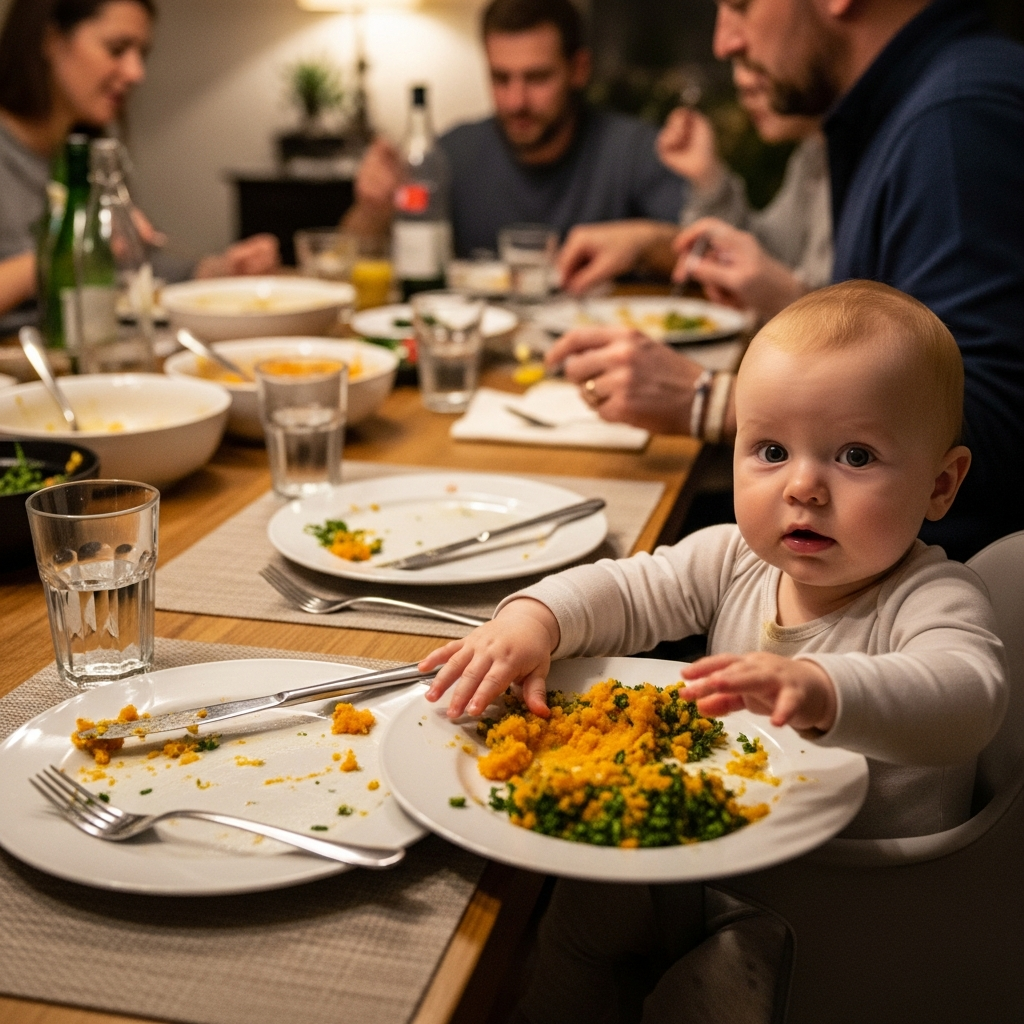
The signs baby is ready for solids go beyond simply turning six months old. Watch for these key developmental milestones:
- Strong head and neck control: Your baby can hold their head steady and sit upright with minimal support, which is essential for safe swallowing.
- Loss of tongue-thrust reflex: This protective reflex that pushes foreign objects out of the mouth naturally diminishes around 4-6 months, allowing babies to accept food from a spoon.
- Interest in food: Your baby watches intently when others eat, reaches toward food, and opens their mouth when food approaches.
- Hand-eye coordination: The ability to grasp objects and bring them to the mouth indicates readiness for self-feeding opportunities.
- Doubled birth weight: Most babies double their birth weight by around 4-6 months, signaling adequate growth.
Why 6 Months is the Recommended Starting Age
The timing of when to start baby food is not arbitrary. The CDC recommends introducing solid foods at about 6 months for several important reasons. Your baby's digestive system reaches sufficient maturity to process foods beyond breastmilk or formula. Additionally, iron stores present at birth begin depleting around this age, making iron-rich complementary foods essential.
Starting too early, before 4 months, can increase allergy and choking risks while placing strain on an immature digestive system. Conversely, waiting too long may lead to feeding difficulties and nutrient deficiencies. Some pediatricians may recommend starting between 4-5 months for certain babies; always consult your healthcare provider for personalized guidance.
What If Your Baby is Not Interested in Solids at 6 Months
If your baby is not interested in solid food at 6 months, take a deep breath. Every baby develops at their own pace, and some simply need more time to show readiness. Continue offering opportunities without pressure, remembering that breastmilk or formula remains the primary nutrition source throughout the first year. Most babies become interested by 7-8 months. However, consult your pediatrician if your baby shows no interest by 9 months to rule out any underlying concerns.
Best First Foods for 6 Month Old Baby: What to Start With
Choosing the best first foods for baby sets the foundation for healthy eating habits. While there is no single "perfect" first food, prioritizing nutrient-dense options ensures your baby receives essential vitamins and minerals during this critical developmental period.
Iron-Rich Foods Your Baby Needs First
Iron-rich first foods for babies deserve priority attention. Research from the CDC indicates that around 6 months of age, babies need dietary iron as their stores from birth become depleted. The Canadian Paediatric Society notes that iron-rich complementary foods, such as meat, meat alternatives, and iron-fortified infant cereals, should be introduced at about 6 months.
Excellent iron sources include:
- Iron-fortified infant cereal (oatmeal preferred over rice due to arsenic concerns)
- Pureed meats such as chicken, beef, and turkey
- Mashed lentils and legumes
- Well-cooked, mashed beans
Pair iron-rich foods with vitamin C sources like pureed fruits to enhance absorption. Iron deficiency during infancy can affect brain development, making these foods especially important for your baby's growth.
Vegetable and Fruit Purees to Introduce Early
First foods for baby 6 months often include gentle, easily digestible vegetables and fruits. Sweet potato, butternut squash, and carrots offer mild, naturally sweet flavors that babies typically accept readily. Avocado and banana require no cooking and provide excellent nutrition as first purees for baby.
Consider introducing vegetables before fruits to help develop a taste for savory flavors, though research on this approach shows mixed results. Single-ingredient purees help you identify potential allergies by isolating reactions to specific foods. Stage 1 foods should have a smooth, thin consistency that your baby can swallow easily.
Protein Sources and Complete Nutrition for New Eaters
Beyond iron-fortified cereals, protein variety supports complete nutrition:
- Well-cooked eggs: Including yolks, eggs are nutrient powerhouses rich in choline and protein
- Plain Greek yogurt: Provides protein, calcium, and beneficial probiotics
- Soft-cooked tofu: An excellent plant-based protein option
- Fish like salmon: Offers omega-3 fatty acids crucial for brain development
- Thinned nut butters: Can be introduced early for allergen exposure (never whole nuts)
- Iron-fortified oatmeal cereal
- Pureed sweet potato
- Mashed avocado
- Pureed chicken or beef
- Mashed banana
- Pureed peas
- Plain Greek yogurt
- Well-cooked scrambled egg
- Pureed butternut squash
- Pureed lentils

Baby Led Weaning vs Purees: Choosing Your Feeding Approach
One of the most debated topics among new parents is the baby led weaning vs purees question. Both approaches have merits, and understanding each helps you make the best choice for your family.
Understanding Traditional Spoon-Feeding with Purees
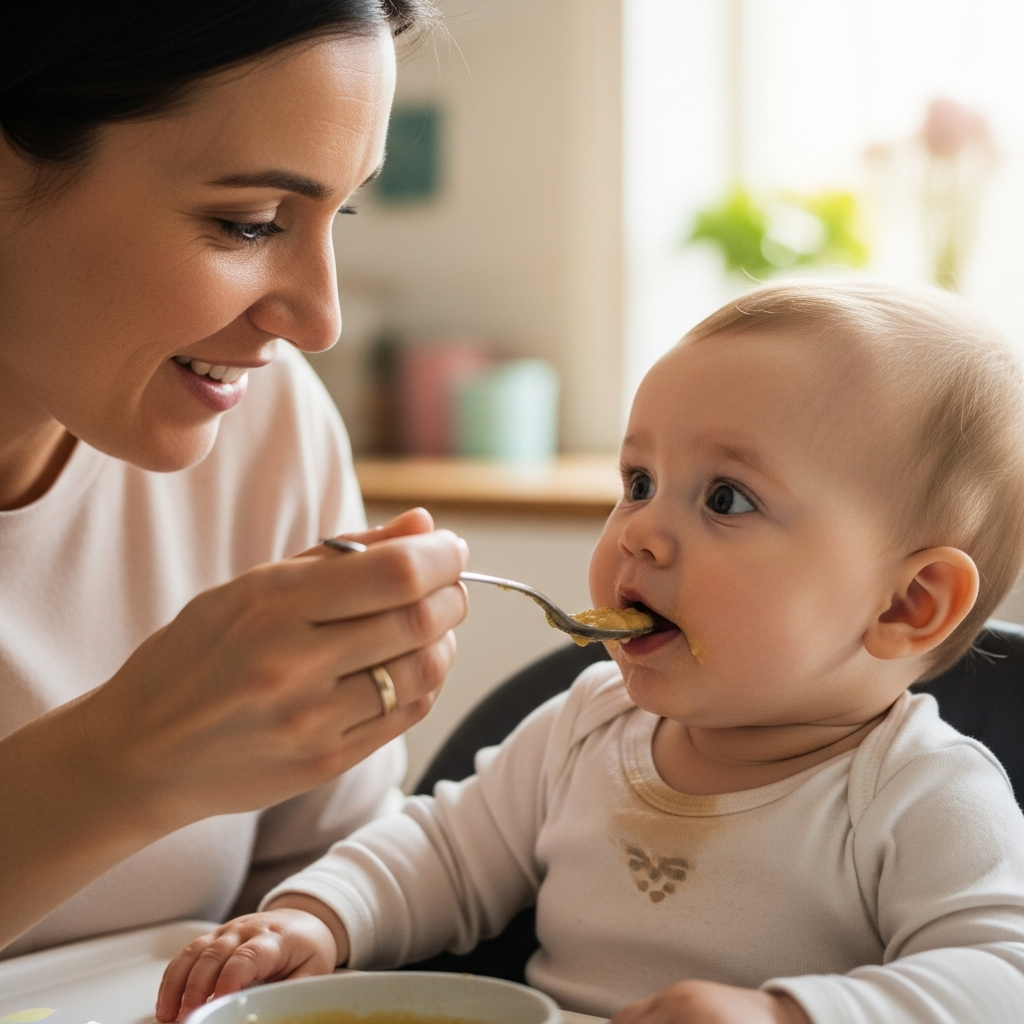
Traditional spoon-feeding gives parents control over feeding pace and portion sizes. You begin with thin, smooth purees and gradually progress through texture stages. Stage 1 foods are completely smooth, Stage 2 introduces soft lumps, and Stage 3 features chunky textures preparing babies for table foods.
Benefits of puree feeding include:
- Precise monitoring of food intake
- Less mess during meals
- May feel more comfortable for anxious first-time parents
- Easy to combine with finger foods as baby develops
How Baby Led Weaning Works and Safety Considerations
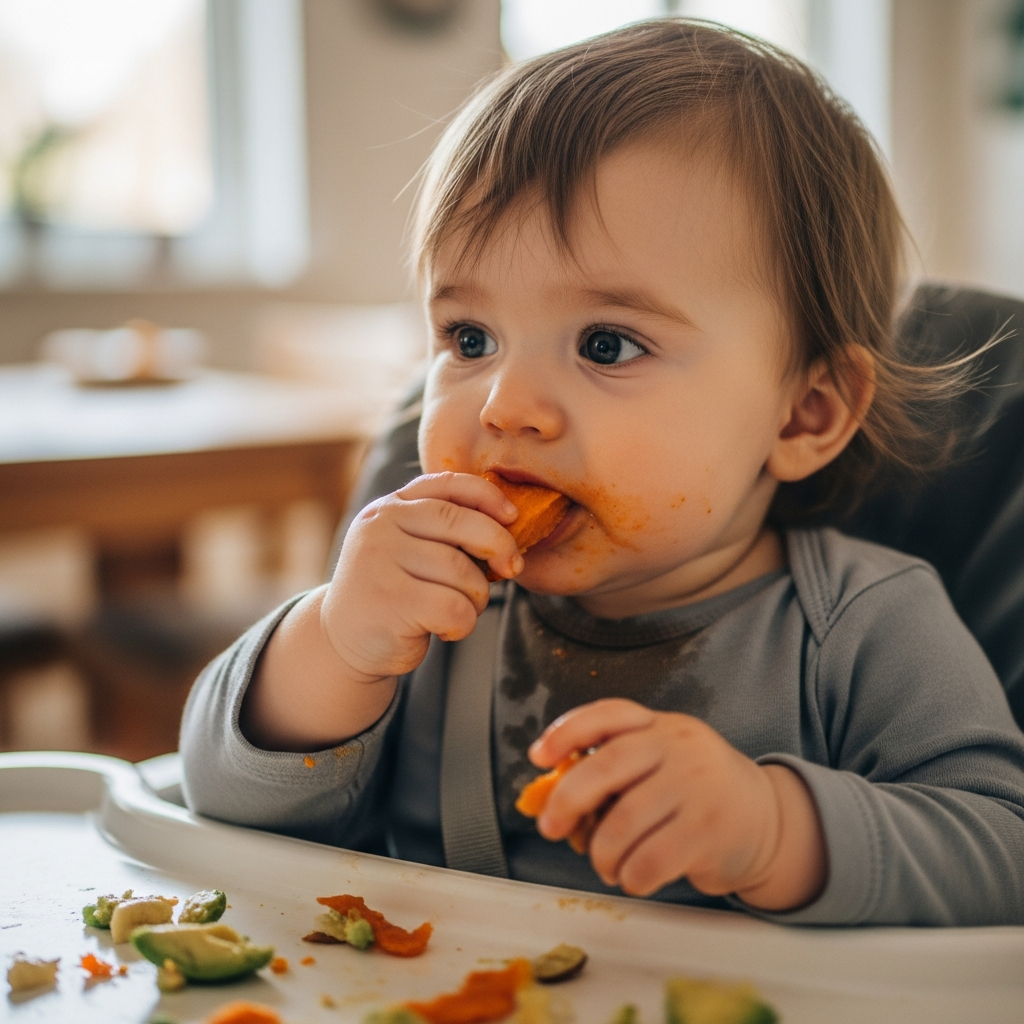
Baby led weaning skips purees entirely, allowing babies to self-feed soft finger foods from the start. Foods are cut into graspable strips or shapes rather than small pieces, and babies control their own eating pace while exploring textures independently.
Research from the American Society for Nutrition indicates that baby led weaning can meet infants' nutritional needs when done properly, though parents should ensure adequate iron and zinc intake. How to start baby led weaning at 6 months requires ensuring your baby has strong sitting ability and good hand-eye coordination. Learning infant CPR before beginning is strongly recommended.
Combination Feeding: The Best of Both Approaches
Many families find that combining purees and finger foods offers flexibility. This approach allows you to adapt based on circumstances, whether you are at home, dining out, or your baby is with another caregiver. Research indicates no evidence that one approach produces definitively better eaters long-term, so choosing what works best for your family remains the priority.
| Aspect | Traditional Purees | Baby Led Weaning | Combination |
|---|---|---|---|
| Parent Control | High | Low | Medium |
| Mess Level | Lower | Higher | Medium |
| Independence | Develops later | Develops early | Gradual |
| Texture Exposure | Gradual | Immediate | Varied |
| Best For | Cautious parents | Confident parents | Flexible families |
How to Introduce Allergens Safely
Current guidelines on how to introduce allergens to baby have changed dramatically in recent years. What was once advice to delay allergenic foods is now a recommendation for early introduction to reduce allergy risk.
The Top Food Allergens and Current Introduction Guidelines
The nine major allergens include peanuts, tree nuts, eggs, milk, wheat, soy, fish, shellfish, and sesame. Current guidelines recommend early introduction between 4-6 months to reduce allergy risk significantly.
The groundbreaking LEAP study published by the NIH demonstrated that regular, early peanut consumption reduced the risk of peanut allergy in adolescence by 71% compared to early peanut avoidance. This research transformed pediatric allergy recommendations worldwide.
For babies with severe eczema, egg allergy, or strong family history of food allergies, consult your pediatrician before introducing allergens, as testing may be recommended first.
Step-by-Step Peanut and Egg Introduction Protocol
When introducing peanut butter to baby:
- Mix smooth peanut butter with breastmilk, formula, or puree until thin (never offer whole peanuts)
- Start with a tiny amount, about 1/4 teaspoon
- Wait 10 minutes before offering more
- Introduce in the morning when you can monitor for reactions
- If tolerated, continue offering 2-3 times weekly to maintain tolerance
For introducing eggs to baby first time, start with well-cooked egg, either scrambled or hard-boiled and mashed. Begin with small portions and monitor for any reactions.
Recognizing Allergic Reactions and When to Seek Help
Understanding allergic reaction signs helps you respond appropriately:
- Mild reactions: Small hives or slight rash around mouth (may not indicate true allergy)
- Moderate reactions: Widespread hives, facial swelling, vomiting
- Severe reactions (anaphylaxis): Difficulty breathing, wheezing, loss of consciousness
- Introduce during daytime hours, not before sleep
- Stay near emergency services for first introduction
- Have pediatrician-approved antihistamine available
- Know infant CPR and choking rescue techniques
- Photograph any reactions to show your pediatrician
- Never introduce new allergens when baby is sick

Baby Feeding Schedule from 6 to 12 Months
Understanding how much solid food for 6 month old babies need, and how that changes over time, helps you plan meals and track progress without stress.
Starting Solids at 6-7 Months: Sample Schedule
When you first begin, aim for 1-2 tablespoons of solids once or twice daily. Choose times when your baby is alert but not overly hungry or tired, typically mid-morning or early afternoon work well. Offer breastmilk or formula first, then solids about 30-60 minutes later, as milk remains the primary nutrition source.
Focus on exploration and learning rather than quantity consumed. Expect most food to end up on your baby's face, bib, and floor initially. This messy phase is completely normal and an important part of the learning process. By the end of month 7, gradually increase to 2-3 small meals daily.
Progressing Portions from 8-10 Months
By 8 months, most babies eat 3 solid meals daily, approximately 4-6 tablespoons each. This stage brings exciting developments:
- Begin offering water in a sippy cup with meals
- Add soft finger foods alongside purees
- Increase texture to mashed and soft chunks
- Introduce healthy snacks between meals if needed
- Continue breastmilk or formula, approximately 24-32 ounces daily
Approaching the One-Year Milestone: 10-12 Month Feeding
As your baby approaches their first birthday, solid foods become the primary nutrition source. Most babies can eat modified family foods by 12 months, enjoying 3 meals plus 1-2 snacks daily. Breastmilk or formula decreases to 16-24 ounces daily, and whole milk can be introduced at 12 months.
| Age | Milk Feeds | Solid Meals | Snacks | Total Solids |
|---|---|---|---|---|
| 6 months | 5-6 feeds | 1-2 times | None | 2-4 tbsp/day |
| 8 months | 4-5 feeds | 3 times | 0-1 | 6-8 tbsp/meal |
| 10 months | 3-4 feeds | 3 times | 1-2 | 8-12 tbsp/meal |
| 12 months | 3 feeds | 3 times | 2 | Family portions |
Gagging vs Choking: Essential Safety for Starting Solids
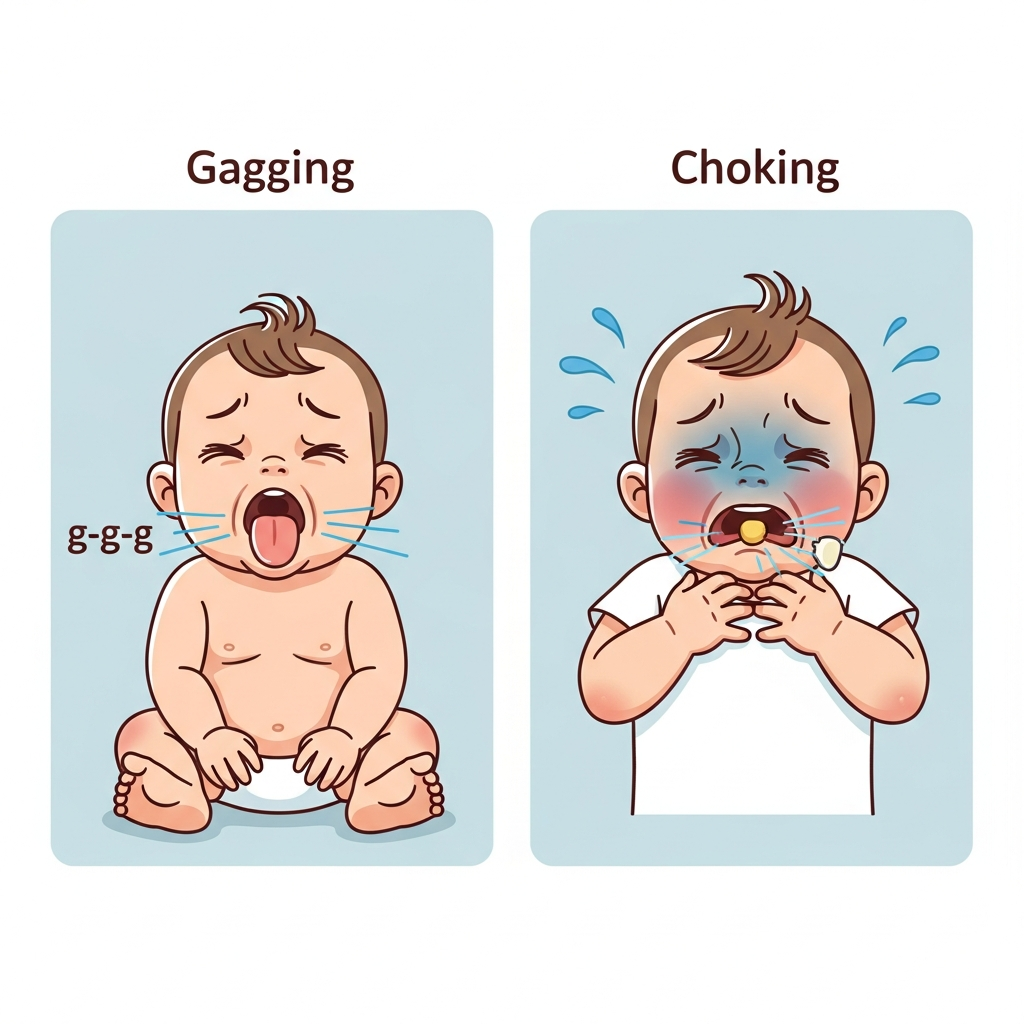
One of the biggest concerns parents have when starting solids is safety. Understanding the difference between baby gagging on solid food, which is normal, and actual choking, which requires intervention, is essential knowledge.
Why Gagging is Normal and Actually Protective
Gagging is a protective reflex that prevents choking by pushing food away from the airway. According to Solid Starts, gagging is a reflex that protects baby by expelling food away from the throat. Importantly, your baby's gag reflex is triggered much farther forward on the tongue than in adults.
When gagging occurs, you will notice:
- Loud coughing or retching sounds
- Face turning red
- Eyes may water
- Baby remains responsive and able to breathe
- Episode resolves on its own within seconds
Stay calm during gagging episodes. Overreacting can create food anxiety in your baby. As your baby learns to manage food textures, gagging naturally decreases.
Recognizing True Choking and How to Respond
True choking is a medical emergency requiring immediate action. Signs include:
- Silent or squeaky, high-pitched sounds
- Face and lips turning blue or pale
- Inability to cry or make sounds
- Panicked expression
- Cannot cough effectively
If choking occurs, perform immediate back blows and chest thrusts using infant CPR technique. Call 911 if your baby loses consciousness or does not recover quickly. Never perform the Heimlich maneuver on infants under 1 year. All caregivers should complete an infant CPR course before starting solids.
Foods to Avoid and Safe Preparation Techniques
The CDC recommends cutting soft food into small pieces or thin slices to prevent choking. Avoid these high-risk choking hazards:
- Whole grapes, cherry tomatoes, and blueberries (quarter lengthwise)
- Hot dogs (quarter lengthwise, never round slices)
- Raw carrots and other hard vegetables (cook until soft)
- Whole nuts and large chunks of peanut butter
- Popcorn and hard candies
- Sticky foods like marshmallows
Remember, honey is avoided until age 1 due to botulism risk, not choking.
| Sign | Gagging | Choking |
|---|---|---|
| Sound | Loud coughing, gagging noise | Silent or squeaky |
| Color | Face turns red | Face turns blue/pale |
| Breathing | Can breathe, may cough | Cannot breathe |
| Action Needed | Stay calm, observe | Immediate intervention |
| Resolution | Self-resolves | Requires back blows/chest thrusts |
Homemade vs Store-Bought Baby Food: Making the Right Choice
The homemade vs store bought baby food debate is one many parents face. Both options have distinct advantages, and many families find a combination works best.
Benefits of Making Your Own Baby Food
Batch cooking baby food at home offers several advantages:
- Complete control over ingredients with no additives or preservatives
- Significant cost savings when preparing in bulk
- Greater variety of flavors and textures
- Ability to incorporate ingredients from family meals
- Fresher taste may encourage broader food acceptance
- Environmentally friendly with less packaging waste
When Store-Bought Baby Food Makes Sense
Commercial baby food has its place in many families' routines:
- Convenient for busy schedules, travel, and emergencies
- Commercially sterile processing ensures food safety
- Nutritionally balanced and pediatrician-approved formulations
- Pouch formats allow independence and self-feeding
- Serves as reliable backup even for homemade-focused families
When choosing store-bought options, read labels carefully. Select products without added sugar, salt, or unnecessary thickeners.
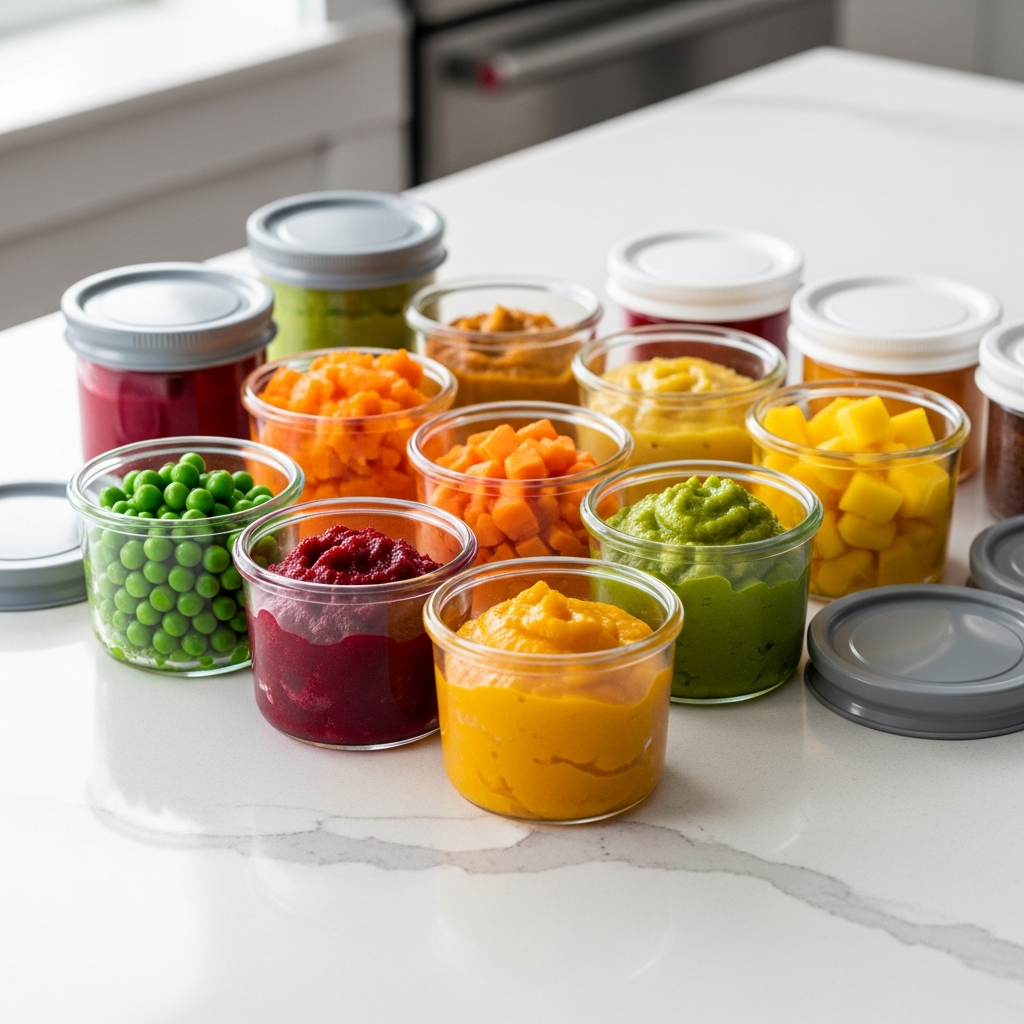
Practical Tips for Preparing and Storing Baby Food
Meal prepping baby food for the week saves time and ensures variety:
- Batch cook vegetables and fruits, then puree in large batches
- Freeze in ice cube trays or silicone freezer molds for portion control
- Transfer frozen cubes to labeled freezer bags (store up to 3 months)
- Defrost in refrigerator overnight or warm in a water bath
- Use fresh refrigerated purees within 2-3 days
- Never save food that baby's spoon has touched due to bacteria contamination
- Average store-bought jar: $0.75-$1.50 per serving
- Homemade sweet potato puree: $0.15-$0.30 per serving
- Potential annual savings with homemade: $300-$600
- Time investment: 1-2 hours batch cooking per week
Common Challenges and Solutions When Starting Baby on Solids
Even with the best preparation, transitioning to solid foods brings challenges. Understanding common issues helps you navigate them with confidence.
When Baby Refuses Purees or Shows No Interest
If your baby is refusing solid foods, remember this is common and usually temporary. Never force food, which can create negative associations. Instead:
- Wait a few days and try again with the same or different food
- Model eating by enjoying the same foods in front of your baby
- Check timing, ensuring baby is hungry but not starving, alert but not tired
- Experiment with temperatures, as some babies prefer warm while others like room temperature
- Consider offering finger foods if purees are consistently rejected
Managing Texture Progression and Picky Eating
Advancing textures is important for developing chewing skills. Avoid staying on smooth purees too long. By 9-10 months, most babies should manage lumpy foods and soft finger foods.
Remember the division of responsibility in feeding: you decide what and when to offer food, while your baby decides whether and how much to eat. Repeated exposure, sometimes 15-20 times, may be needed before acceptance. Food throwing and playing are normal exploration behaviors, so stay patient.
Constipation, Digestive Changes, and Other Concerns
Stool changes are expected when starting solids, including differences in color, consistency, and odor. Constipation commonly occurs with iron-fortified foods. Combat this with high-fiber options and remember the P fruits: prunes, pears, plums, and peaches.
Contact your pediatrician if you notice blood in stool, severe constipation lasting more than a few days, or persistent vomiting after feeding.
- Refuses spoon: Try preloaded spoon for self-feeding
- Gags on texture: Return to smoother texture temporarily, then progress slowly
- Constipation: Add P fruits (prunes, pears), ensure adequate fluids
- Food throwing: Normal behavior; limit portion sizes and stay calm
- Eats very little: Continue breastmilk/formula; solids will increase gradually
Frequently Asked Questions About Baby First Foods
When should I start giving my baby solid food?
Most babies are ready for solid foods around 6 months of age, according to AAP and WHO guidelines. Key readiness signs include sitting with support, good head control, interest in food, and loss of tongue-thrust reflex. Always consult your pediatrician before starting solids.
What is the best first food to give a baby?
Iron-rich foods are recommended as first foods since babies' iron stores deplete around 6 months. Good options include iron-fortified infant cereal, pureed meats like chicken or beef, mashed lentils, or iron-fortified baby cereal mixed with breastmilk or formula.
Is baby led weaning better than purees?
Neither approach is definitively better. Baby led weaning promotes independence and self-regulation, while purees offer more control and less mess. Many families successfully combine both methods. Choose what works best for your baby's development and your family's comfort level.
How do I introduce peanut butter to my baby safely?
Mix a small amount of smooth peanut butter, about 1/4 teaspoon, with breastmilk, formula, or puree until thin. Offer in the morning when you can monitor for 2 hours. If no reaction occurs, continue offering 2-3 times weekly to maintain tolerance.
How do I know if my baby is choking or just gagging?
Gagging is loud with coughing and a red face, and baby can breathe and typically self-resolves. Choking is silent or squeaky with a blue or pale face, and baby cannot breathe or cry. Gagging is normal, while choking requires immediate back blows and chest thrusts.
How much solid food should a 6 month old eat?
At 6 months, start with 1-2 tablespoons of solids once or twice daily. Focus on exploration rather than quantity, as most nutrition still comes from breastmilk or formula. Gradually increase to 3 meals daily by 8-9 months as baby shows more interest.
Should I give breast milk before or after solids?
In the first weeks of starting solids, offer breastmilk or formula first, then solids about 30-60 minutes later. As baby approaches 9-12 months and eats more, you can gradually shift to offering solids before milk at some meals.
What foods should babies avoid in their first year?
Avoid honey due to botulism risk, whole nuts as a choking hazard, cow's milk as the main drink until 12 months, added salt and sugar, unpasteurized foods, and high-mercury fish. Cut round foods like grapes into quarters and avoid hard raw vegetables and sticky foods.
Conclusion: Embracing the Adventure of Baby First Foods
Starting solids with your baby is truly one of parenthood's most memorable adventures. From watching your little one's face scrunch up at a new flavor to celebrating their first successful self-feeding attempts, these moments create lasting memories. Remember that every baby develops at their own pace, and what works for one family may not work for another.
The key takeaways for your baby first foods journey include watching for readiness signs rather than focusing solely on calendar dates, prioritizing iron-rich foods as first offerings, and understanding that early allergen introduction can help reduce allergy risk. Whether you choose traditional purees, baby led weaning, or a combination approach, trust your instincts and follow your baby's cues.
Expect messiness, food refusal, and plenty of gagging as your baby learns to manage new textures. These are all normal parts of the process. Breastmilk or formula continues providing primary nutrition throughout the first year, so there is no need to stress about quantities consumed in those early weeks of starting solids.
We are here to support you through every milestone of your parenting journey. We hope this comprehensive guide to introducing solid foods to baby has given you the confidence and knowledge to begin this exciting chapter. Consult your pediatrician for personalized guidance, and most importantly, enjoy this special time of exploration and discovery with your little one.
And while you’re here, discover soft, breathable baby clothes, including our parent-favorite bamboo baby clothing, crafted for comfort, sensitive skin, and everyday wear. 🌱




